
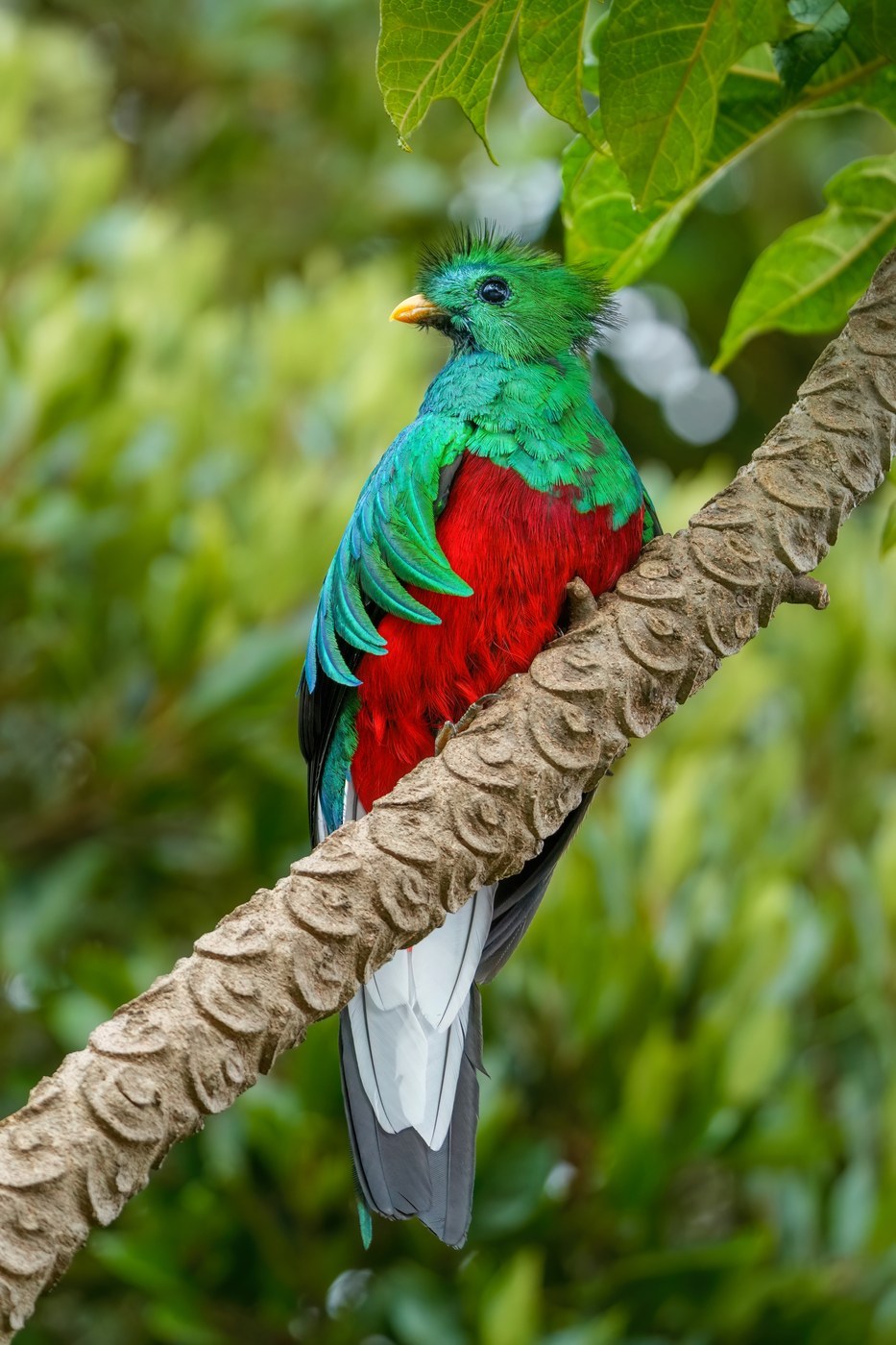
Resplendent Quetzal
Pharomachrus mocinno
A dazzling, iridescent green cloud-forest bird with a crimson breast and, in the male, spectacular tail streamers that can trail well beyond a meter in length.
- Size
- 36-40 cm (14-16 in) body length, with male tail streamers adding up to 65 cm more
- Habitat
- humid montane cloud forest
- Type
- other
Spotted a bird like this?
Identify any bird from a photo, free.
Overview
The Resplendent Quetzal is one of the most spectacular birds in the Americas, its plumage shimmering with iridescent emerald and golden-green tones across the head, back, and wings, set off by a rich crimson-red breast and belly in the male. A tuft of bristly feathers gives the head a soft, crested look, and the short, stout bill is yellowish in males and darker in females.
The male's most extraordinary feature is his pair of elongated upper tail covert plumes, which trail far beyond the actual tail in a graceful, streaming train that can add well over half a meter to his overall length, a spectacle most dramatic in flight as the streamers ripple and curl in the air. Long revered by Mesoamerican cultures, including the Maya and Aztec, and today the national bird and namesake of Guatemala's currency, the quetzal remains a powerful symbol of the region's cloud forests.
How to identify it
Key field marks
- Iridescent emerald-green plumage over the head, back, and wings
- Crimson-red breast and belly (male); female duller with a grayer breast
- Male's greatly elongated upper tail covert streamers, often exceeding the body length
- Yellowish bill in males, darker in females
Similar species
- Golden-headed Quetzal lacks the male's extremely long tail streamers of the Resplendent Quetzal and shows a more golden, less crested-looking head.
- No other bird within the Resplendent Quetzal's cloud forest range combines its iridescent green plumage with such dramatically elongated tail streamers.
Habitat & range
Habitat
Inhabits humid montane cloud forest, generally at elevations between roughly 1,200 and 3,000 meters, favoring areas with abundant wild avocado (Lauraceae) trees.
Range
Found from southern Mexico (Chiapas) through Central America to western Panama, with the largest strongholds in the highlands of Guatemala, Costa Rica, and Panama.
Migration
Some populations undertake elevational migration, moving to lower elevations outside the breeding season in search of fruiting trees, particularly wild avocados.
Behavior & voice
Behavior
Often sits quietly and inconspicuously for long periods despite its brilliant plumage; males perform display flights showing off their long tail streamers during the breeding season.
Voice
A soft, low, mournful "keow" or "kyow" call, along with more complex whistled song phrases during the breeding season.
Feeding
Feeds mainly on fruit, especially wild avocados swallowed whole and later regurgitated, supplemented with insects, small frogs, and lizards, particularly when feeding chicks.
Nesting
Nests in a cavity excavated or found in a decaying tree trunk; both parents share incubation, with the male's long tail streamers often folded awkwardly outside the cavity entrance while he incubates.
Frequently asked questions
How do you identify a Resplendent Quetzal?
Look for a bird with brilliant iridescent green plumage, a crimson-red breast, and, in males, extremely long trailing tail streamers.
How long are a male Resplendent Quetzal's tail streamers?
The elongated upper tail covert streamers can add well over half a meter to the bird's overall length, sometimes approaching or exceeding a meter.
What does a Resplendent Quetzal eat?
Mainly fruit, especially wild avocados, along with insects and small vertebrates such as frogs and lizards, particularly when feeding young.
Why is the Resplendent Quetzal culturally significant?
It was revered by ancient Mesoamerican cultures such as the Maya and Aztec and today is the national bird of Guatemala, which also named its currency, the quetzal, after the species.
Is the Resplendent Quetzal endangered?
It is classified as Near Threatened, with populations declining due to deforestation of its montane cloud forest habitat.
Resplendent Quetzal guides
In-depth guides for identifying, finding, and understanding Resplendent Quetzal.
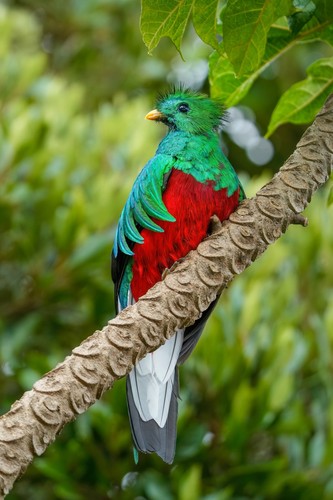
Resplendent Quetzal identified by the community
Real birds identified with Bird Identifier.

Other birds you may enjoy
Kiwi
35-55 cm (14-22 in) long; roughly chicken-sized
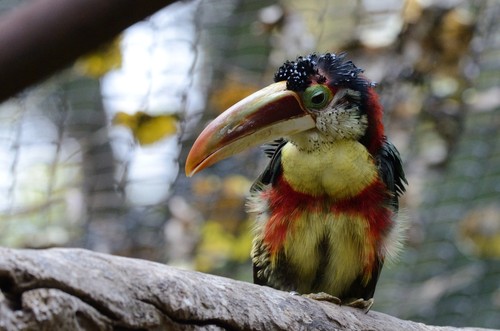
Curl-crested Aracari
41-46 cm (16-18 in) long, including a long bill and tail
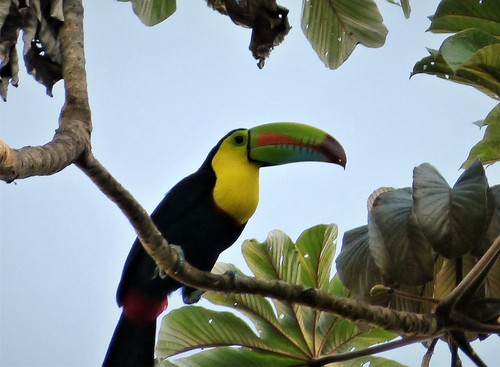
Keel-billed Toucan
42-55 cm (17-22 in) long including bill
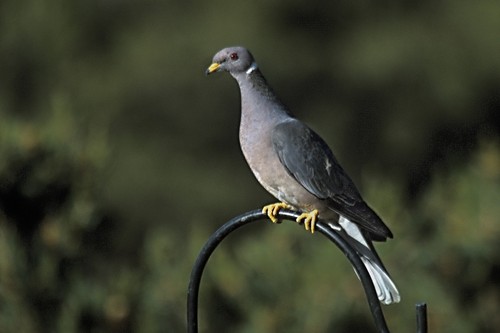
Band-tailed Pigeon
33-38 cm (13-15 in) long, wingspan about 66 cm (26 in)
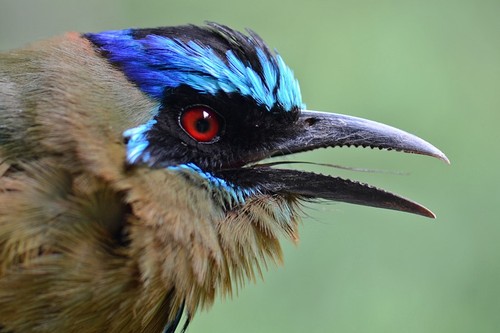
Blue-crowned Motmot
38-43 cm (15-17 in) long including tail
White-tipped Dove
27-30 cm (10.5-12 in) long, 38-43 cm wingspan
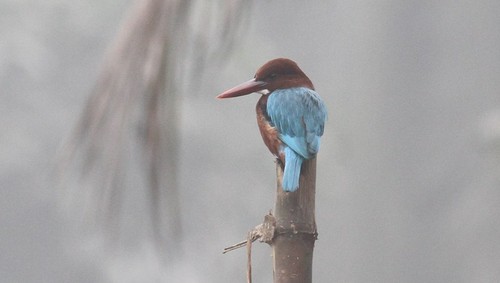
White-throated Kingfisher
27-28 cm (10.5-11 in) long
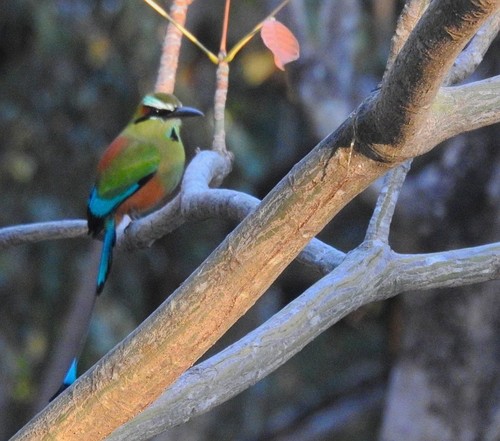
Turquoise-browed Motmot
34 cm (13 in) long including tail
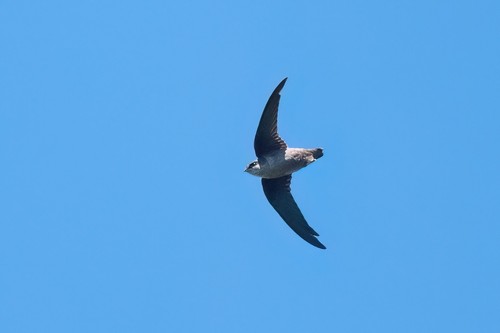
Vaux's Swift
10-12 cm (4-4.5 in) long, 27-30 cm wingspan
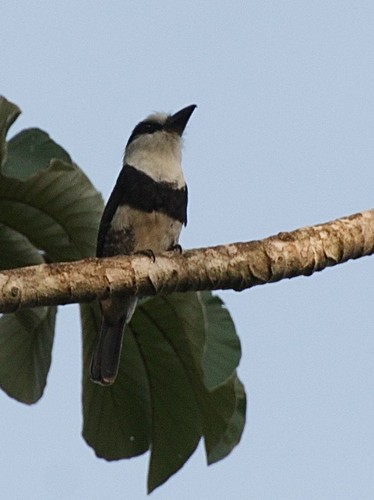
White-necked Puffbird
22-24 cm (8.5-9.5 in) long
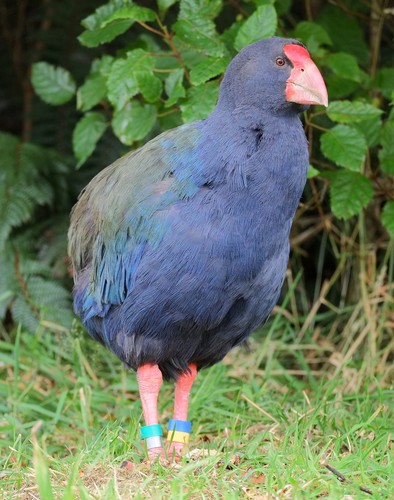
Takahe
50 cm (20 in) long, up to 3.5 kg; flightless
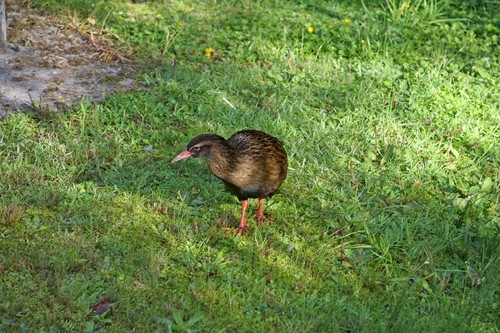
Weka
50-60 cm (20-24 in) long; flightless