
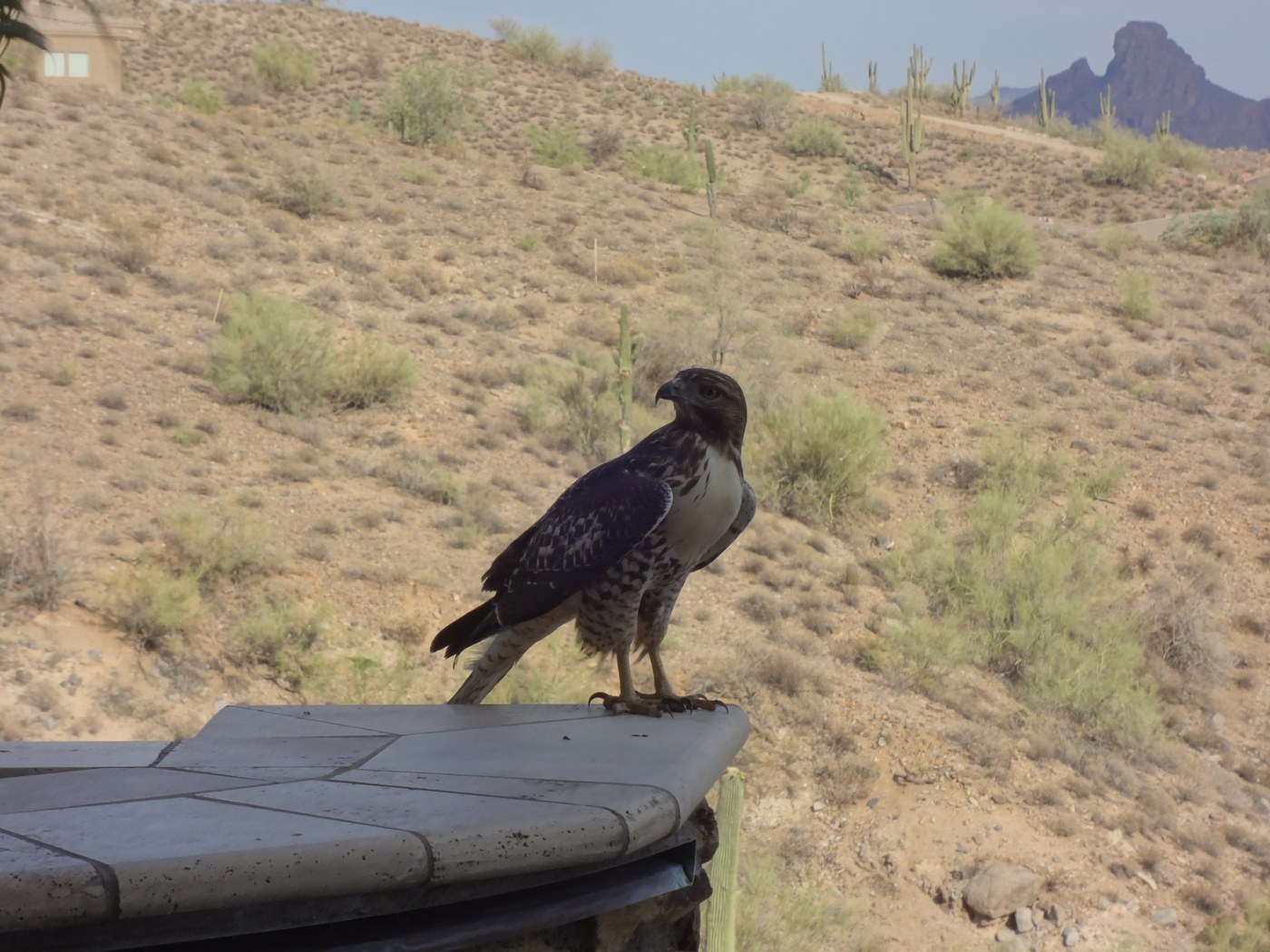
Red-tailed Hawk
Buteo jamaicensis
North America's most familiar large hawk, often seen soaring over highways or perched on poles, named for the adult's brick-red tail.
- Size
- 45-65 cm (18-26 in) long, 114-133 cm (45-52 in) wingspan
- Habitat
- open country, woodland edges, deserts, and urban areas with elevated perches
- Type
- raptor
Spotted a bird like this?
Identify any bird from a photo, free.
Overview
The Red-tailed Hawk is the most common and widespread large hawk in North America, a broad-winged buteo frequently seen soaring over open country or perched conspicuously on roadside poles and trees. Adults are named for their warm brick-red tail, visible from above or as a translucent rusty glow when backlit.
Plumage is highly variable across its wide range, with light, dark (melanistic), and rufous color morphs, but most birds show pale, mottled underparts with a band of dark streaking across the belly (the "belly band"), and dark leading edges on the underwing (patagial marks) visible in flight.
How to identify it
Key field marks
- Broad, rounded wings and a wide, fan-shaped tail
- Adult: brick-red tail, unbarred above
- Pale underparts with a streaked dark "belly band"
- Dark patagial (leading-edge) marks on the underwing in flight
- Frequently perches on utility poles and highway trees
Similar species
Red-shouldered Hawk has a banded black-and-white tail and translucent crescent wing panels, without the solid red tail. Rough-legged Hawk and Ferruginous Hawk are larger-winged with different tail and belly patterns and prefer more open, treeless country. Juvenile Red-tailed Hawks lack the red tail (finely barred brown instead) and are best told from other juvenile buteos by the belly band and patagial marks.
Habitat & range
Habitat
Extremely adaptable, occupying open fields, deserts, prairies, woodland edges, and increasingly cities and suburbs, wherever open hunting ground is paired with elevated perches or nest sites.
Range
Found essentially throughout North America, from Alaska and Canada south through the United States, Mexico, and into Central America and the Caribbean. Northern populations migrate south in winter, while many populations in temperate latitudes are year-round residents.
Behavior & voice
Behavior
Red-tailed Hawks commonly hunt by perching and watching for prey below, dropping down to seize it, and also soar on thermals in broad circles while scanning open ground. They are territorial, especially near the nest.
Voice
Its call, a harsh, descending scream ("kee-eeeee-arr"), is one of the most iconic sounds in American media, frequently dubbed over footage of other raptors, including Bald Eagles, in film and television.
Feeding and nesting
Diet is dominated by small mammals such as voles, rabbits, and squirrels, supplemented with birds, snakes, and other reptiles. Nests are large stick platforms built high in trees or on cliff ledges (and sometimes on man-made structures), reused and added to across years by the same pair, which typically mates for life.
Frequently asked questions
How do you identify a Red-tailed Hawk?
Adults show a brick-red, unbarred tail, pale underparts with a dark streaked belly band, and broad rounded wings, often seen soaring or perched on roadside poles.
Why is the Red-tailed Hawk's call used for eagles in movies?
Its piercing, descending scream is considered more dramatic than the actual high-pitched, weak call of the Bald Eagle, so filmmakers often dub in the Red-tailed Hawk's cry for eagle footage.
What do Red-tailed Hawks eat?
Mainly small mammals like voles, rabbits, and squirrels, along with birds and reptiles.
Do Red-tailed Hawks have different color forms?
Yes, they occur in light, dark, and rufous morphs across their range, with the most variation seen in western populations.
Where do Red-tailed Hawks nest?
In large stick nests built high in trees, on cliff ledges, or occasionally on man-made structures, often reused and expanded year after year.
Red-tailed Hawk guides
In-depth guides for identifying, finding, and understanding Red-tailed Hawk.
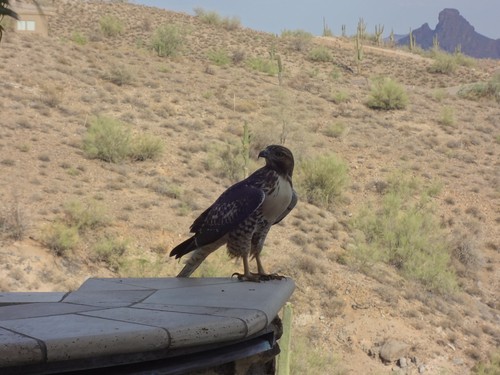
Red-tailed Hawk identified by the community
Real birds identified with Bird Identifier.
Other birds you may enjoy
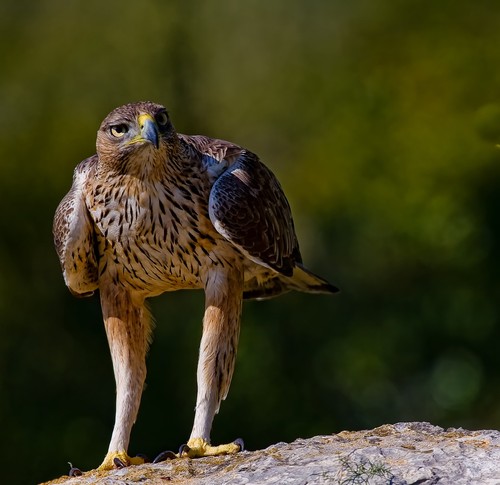
Bonelli's Eagle
Body 65–72 cm (26–28 in); wingspan 150–180 cm (59–71 in)
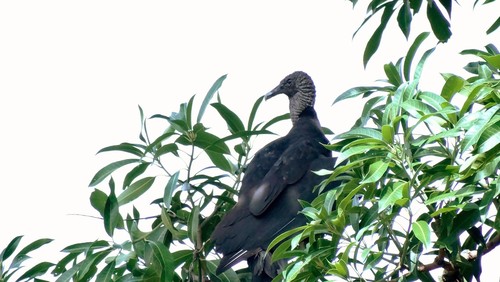
Black Vulture
56-68 cm (22-27 in) long, 137-165 cm wingspan
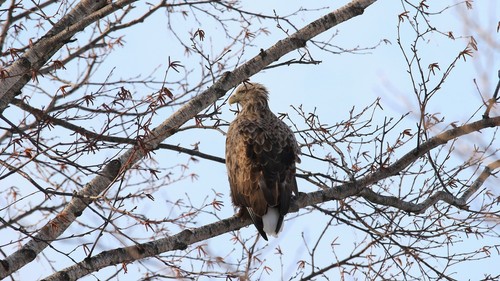
White-tailed Eagle
66-94 cm body length; wingspan 178-245 cm, among the largest eagles in the world
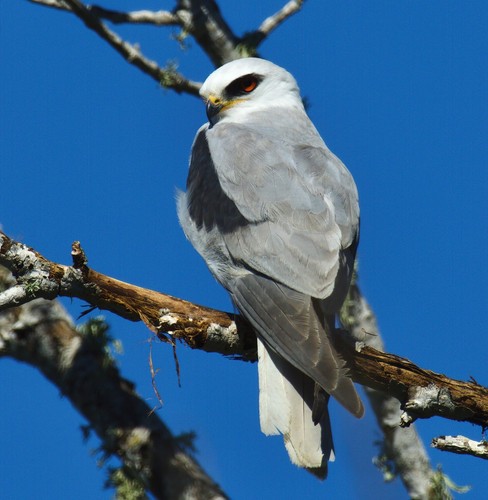
White-tailed Kite
35-43 cm (14-17 in) long, 88-102 cm (35-40 in) wingspan
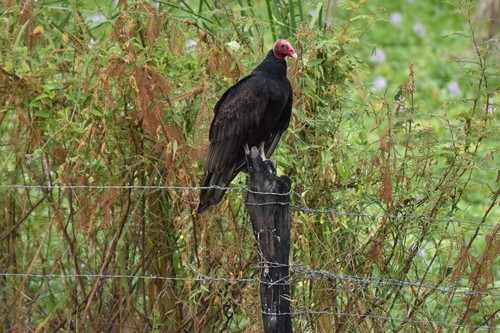
Turkey Vulture
64-81 cm (25-32 in) long, 160-183 cm wingspan
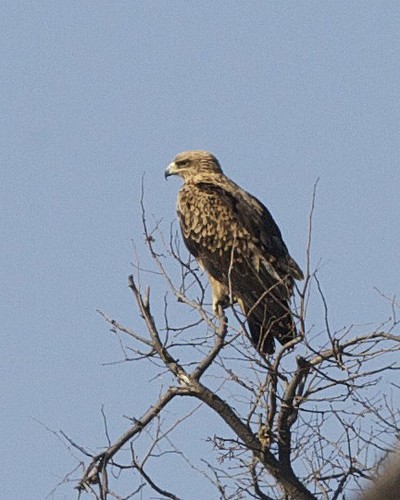
Tawny Eagle
62–75 cm long; wingspan 1.65–2.0 m
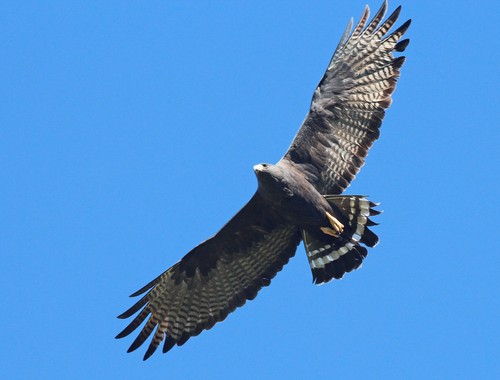
Zone-tailed Hawk
46-56 cm (18-22 in) long, 118-140 cm (46-55 in) wingspan
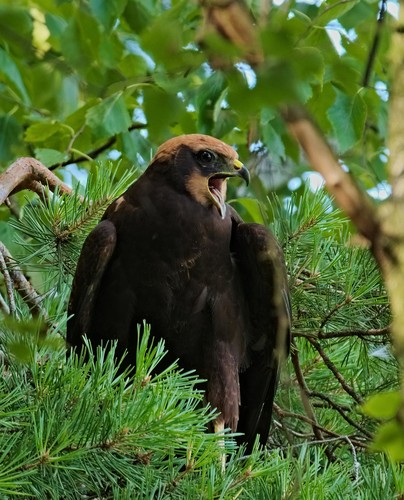
Western Marsh Harrier
Body 43-56 cm; wingspan 115-140 cm
Swallow-tailed Kite
48-68 cm (19-27 in) long including tail streamers, 112-136 cm (44-54 in) wingspan
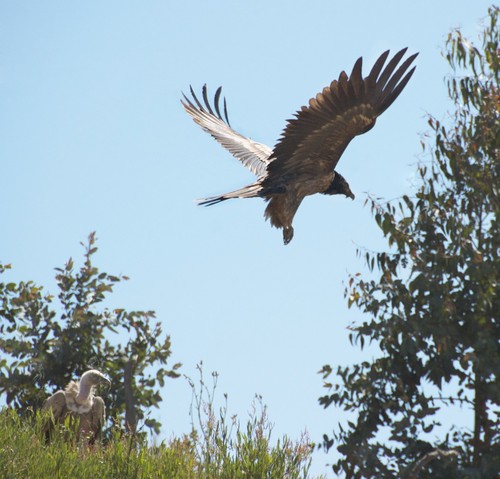
White-backed Vulture
78-98 cm long, wingspan 1.96-2.25 m
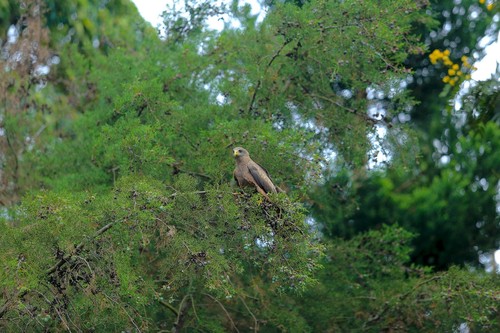
Yellow-billed Kite
55-60 cm long; wingspan 130-155 cm
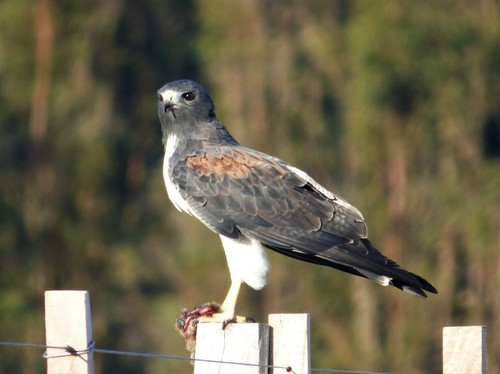
White-tailed Hawk
46-59 cm (18-23 in) long, 122-142 cm (48-56 in) wingspan