
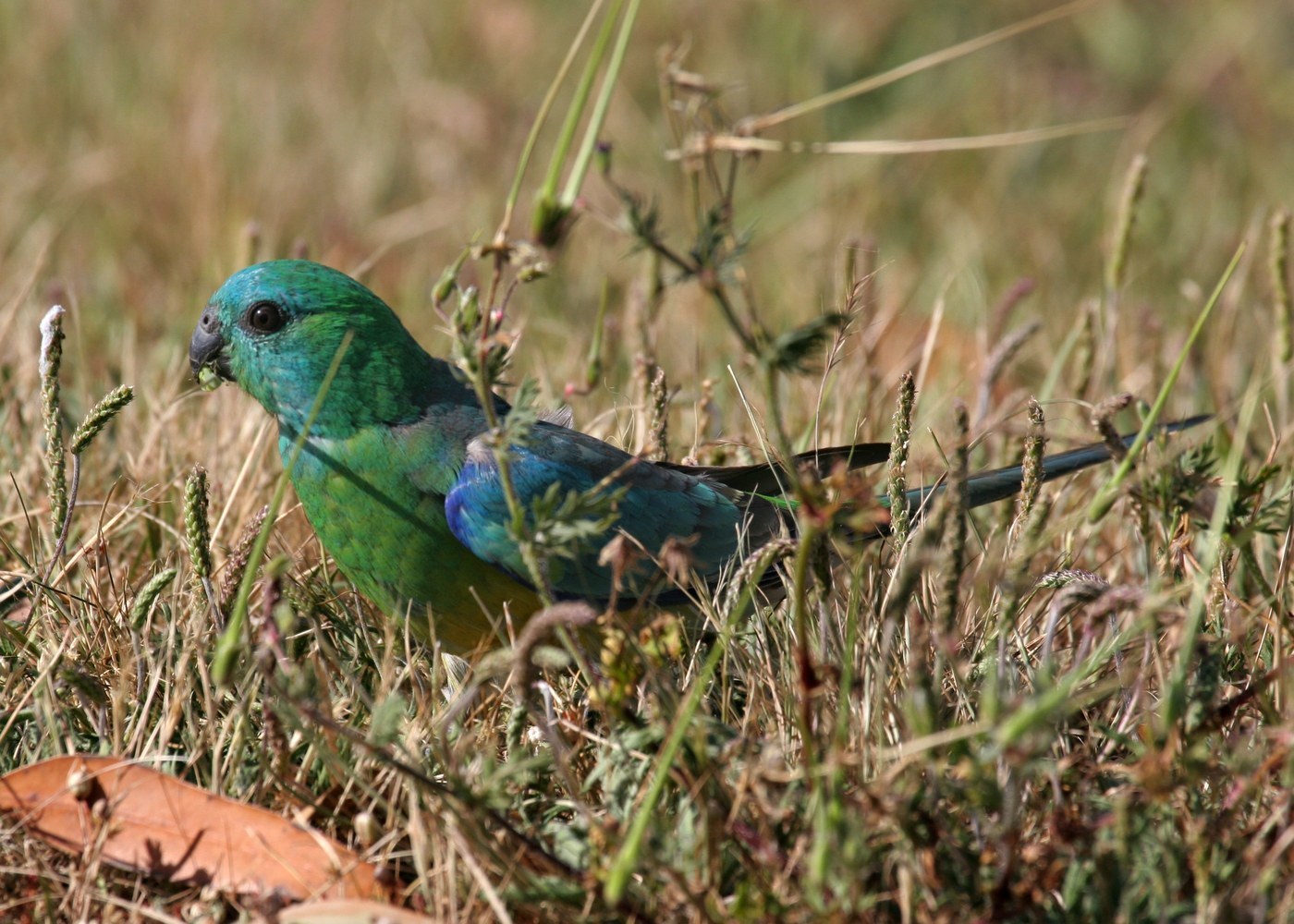
Red-rumped Parrot
Psephotus haematonotus
A common southeastern Australian grass parrot with bright green upperparts and a small red rump patch in males.
- Size
- About 27-28 cm (10.5-11 in) long
- Habitat
- Open woodland, grassland, farmland, and parks of southeastern Australia
- Type
- parrot
Spotted a bird like this?
Identify any bird from a photo, free.
Overview
The Red-rumped Parrot is a familiar and widespread grass parrot of inland southeastern Australia, often seen feeding on lawns, roadsides, and farmland. Males are brightly colored, while females are more subdued.
Adult males show turquoise-green upperparts, a yellow-green belly, and a small but distinctive red patch on the lower back (rump), which is largely hidden until the bird flies or spreads its wings. Females are duller olive-gray-green overall and lack the red rump.
Plumage
- Male: bright green upperparts, yellowish belly, red rump patch
- Female: dull olive-green overall, no red rump
- Both sexes: long tail, unmarked face
How to identify it
Key field marks
- Medium-small parrot often seen feeding on the ground in pairs or small flocks
- Male: vivid green body with a small red patch on the rump, visible mainly in flight
- Female: plain grayish-olive-green, best identified by association with males or habitat
- Undulating flight typical of grass parrots
Similar species
Females can be confused with female Mulga Parrots or Blue Bonnets, but the Red-rumped Parrot's plainer face (lacking blue cheek patches) and typical open farmland/parkland habitat help distinguish it. Males are readily identified by the combination of green body and red rump.
Habitat & range
Range
The Red-rumped Parrot is widespread across inland southeastern Australia, including much of New South Wales, Victoria, and southeastern South Australia.
Habitat
It favors open woodland, grassy plains, farmland, and even urban parks and gardens, generally avoiding dense forest. It is largely sedentary, though some local movement occurs in response to food availability, and it has adapted well to agricultural and semi-urban landscapes.
Behavior & voice
Behavior
Red-rumped Parrots are typically seen in pairs or small flocks feeding quietly on the ground, flying up with a soft chattering call when disturbed. They are tolerant of human activity and common in rural towns and farmland.
Voice
Calls include a soft, musical chattering contact call in flight and quieter conversational notes while feeding.
Feeding
They feed mostly on the ground, taking seeds of grasses and herbaceous plants, and will also visit crops and roadside verges.
Nesting
They nest in tree hollows, typically laying 4-7 eggs, with the female performing incubation while the male feeds her nearby.
Frequently asked questions
How do you tell a male from a female Red-rumped Parrot?
Males have bright green upperparts, a yellowish belly, and a small red rump patch, while females are duller olive-green overall and lack the red rump.
Where can Red-rumped Parrots be seen?
They are common across inland southeastern Australia in open woodland, farmland, and even parks, often feeding on the ground.
Why is the red rump patch hard to see?
It sits on the lower back and is often covered by the folded wings, becoming visible mainly when the bird flies or stretches.
What do Red-rumped Parrots eat?
They feed mainly on the ground on seeds of grasses and herbaceous plants.
Are Red-rumped Parrots common?
Yes, they are widespread and common within their southeastern Australian range and are listed as Least Concern.
Red-rumped Parrot guides
In-depth guides for identifying, finding, and understanding Red-rumped Parrot.
Other birds you may enjoy
Eclectus Parrot
35-42 cm (14-16.5 in) long
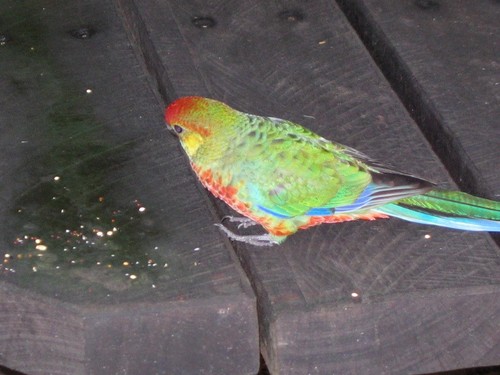
Western Rosella
25-30 cm (10-12 in) long
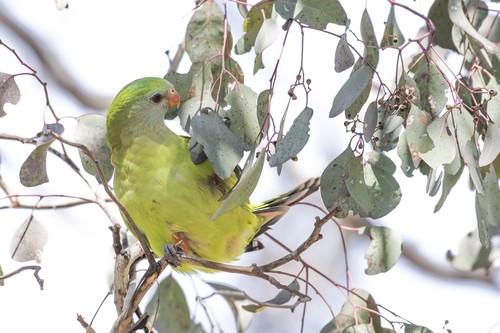
Superb Parrot
About 40 cm (16 in) long including a long tail
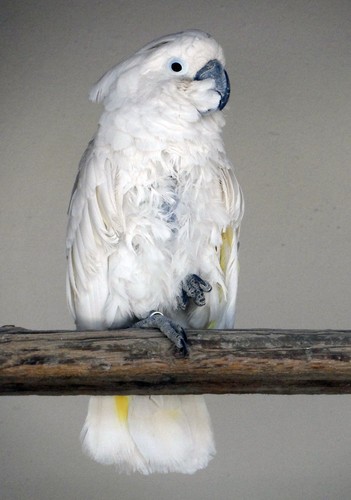
Umbrella Cockatoo
About 46 cm (18 in) long
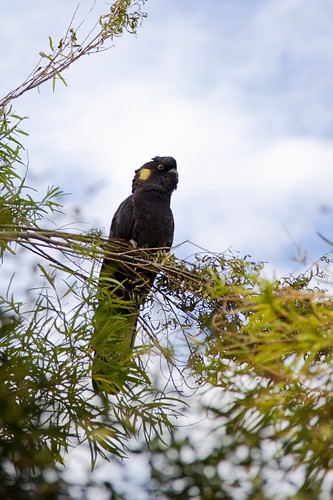
Yellow-tailed Black Cockatoo
55-65 cm long; wingspan up to about 130 cm
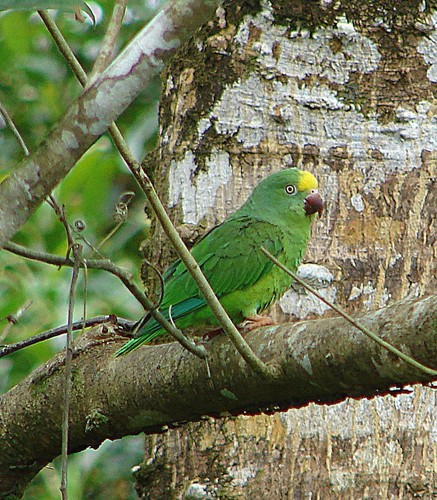
Yellow-crowned Amazon
About 35-38 cm (14-15 in) long
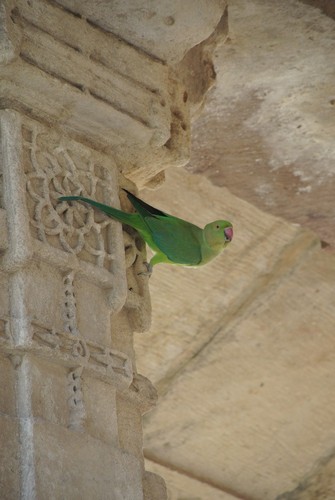
Rose-ringed Parakeet
40 cm (16 in) long including long tail
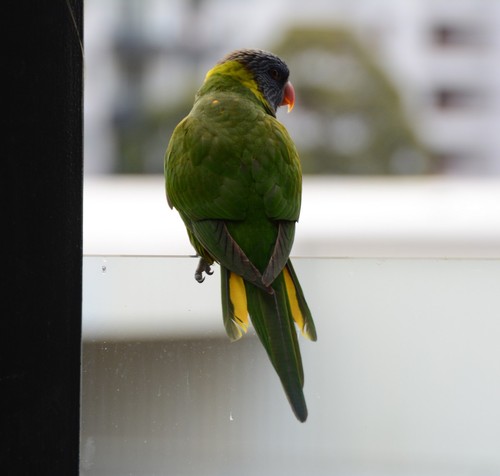
Rainbow Lorikeet
25-30 cm (10-12 in) long
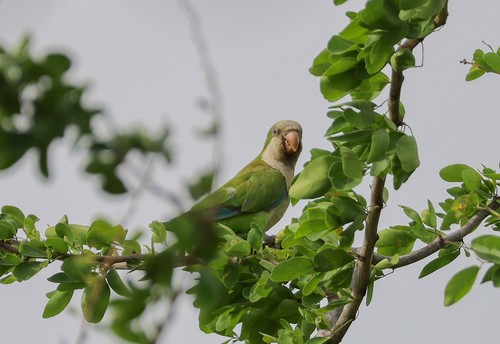
Quaker Parrot
28-31 cm (11-12 in) long
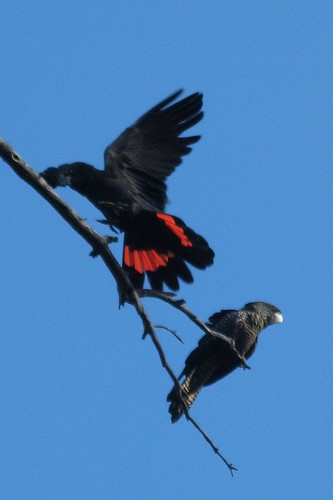
Red-tailed Black Cockatoo
55-65 cm long
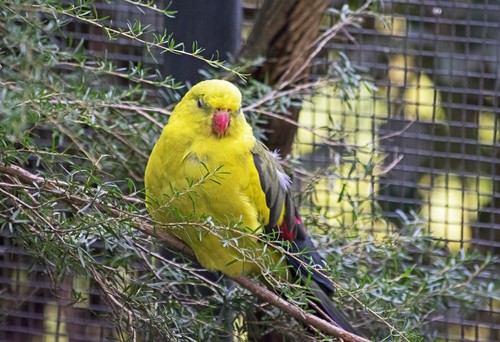
Regent Parrot
37-42 cm (15-17 in) long, including a long tail
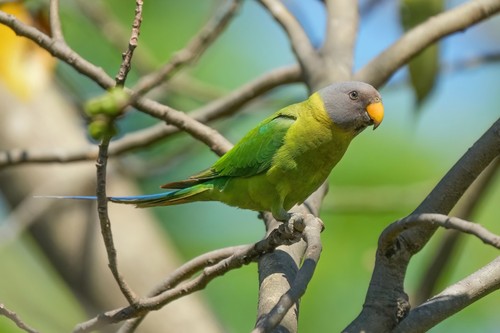
Plum-headed Parakeet
33 cm (13 in) long including tail