
Red-crowned Parakeet
Cyanoramphus novaezelandiae
A small, bright green New Zealand parakeet with a crimson crown and eye-stripe, now largely restricted to predator-free offshore islands and forest reserves.
- Size
- 25-28 cm (10-11 in) long
- Habitat
- native forest, scrubland, and offshore islands
- Type
- parrot
Spotted a bird like this?
Identify any bird from a photo, free.
Overview
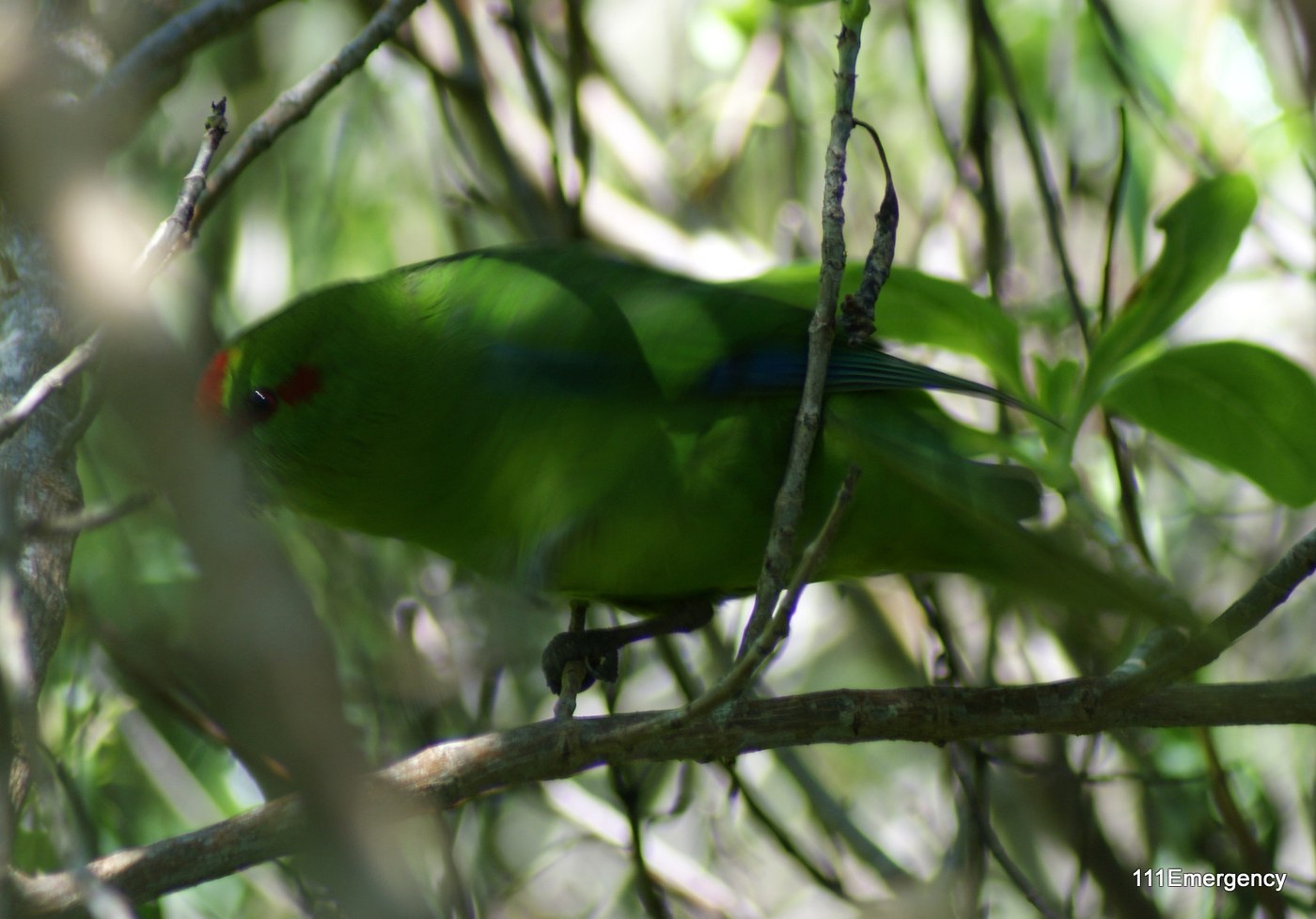
The Red-crowned Parakeet, known in Maori as kakariki, is a small, slender parrot clothed almost entirely in bright grass-green plumage, set off by a vivid crimson patch on the crown and forehead and a red stripe running back through the eye. A long, pointed tail and a quick, direct flight punctuated by sharp chattering calls make it an unmistakable, if now scarce, sight in New Zealand's native forests.
Once widespread across the mainland, the species suffered heavily from introduced predators such as rats, stoats, and cats, and today its strongholds are largely predator-free offshore islands and a scattering of well-protected forest reserves, where conservation efforts continue to support translocated and reintroduced populations.
How to identify it
Key field marks
- Bright green overall plumage with a long, pointed tail
- Crimson-red crown patch extending from the bill to just behind the eye
- Red stripe running through the eye
- Small red patches sometimes visible on the flanks and rump
Similar species
- Yellow-crowned Parakeet is very similar in shape and green coloring but has a narrower, mostly yellow crown patch with a smaller red spot above the bill, rather than the broad crimson crown of the Red-crowned Parakeet.
- Antipodes Parakeet and other island endemics are larger, stockier, and restricted to remote subantarctic islands well outside the Red-crowned Parakeet's range.
Habitat & range
Habitat
Inhabits native forest, forest edge, and low scrubland, foraging both in the canopy and on the ground.
Range
Endemic to New Zealand; now most abundant on predator-free offshore islands such as Little Barrier, Kapiti, and various Hauraki Gulf islands, with smaller and more localized mainland populations, some maintained through active reintroduction.
Migration
Non-migratory and largely sedentary, though it can be locally nomadic in response to seasonal food availability.
Behavior & voice
Behavior
Active and often approachable in predator-free areas, foraging in pairs or small flocks both in trees and on the ground, where it readily investigates leaf litter for food.
Voice
A rapid, chattering "ki-ki-ki-ki" call given in flight, along with softer contact notes between foraging birds.
Feeding
Feeds on seeds, fruit, buds, flowers, and invertebrates, foraging opportunistically both in the forest canopy and on the ground.
Nesting
Nests in cavities in mature trees, laying 5-9 white eggs directly on a bed of wood dust; only the female incubates while the male provisions her with food.
Frequently asked questions
How do you identify a Red-crowned Parakeet?
Look for a small, slender green parrot with a broad crimson-red patch covering the crown and a red stripe running through the eye.
How is the Red-crowned Parakeet different from the Yellow-crowned Parakeet?
The Red-crowned Parakeet has a broad crimson crown patch, while the Yellow-crowned Parakeet shows a mostly yellow crown with just a small red spot above the bill.
Why are Red-crowned Parakeets rare on mainland New Zealand?
Introduced predators such as rats, stoats, and cats devastated mainland populations, so the species now survives mainly on predator-free offshore islands and in protected reserves.
What does a Red-crowned Parakeet eat?
Seeds, fruit, buds, flowers, and invertebrates, foraged both in trees and on the ground.
Red-crowned Parakeet guides
In-depth guides for identifying, finding, and understanding Red-crowned Parakeet.
Other birds you may enjoy
Eclectus Parrot
35-42 cm (14-16.5 in) long
Western Rosella
25-30 cm (10-12 in) long
Superb Parrot
About 40 cm (16 in) long including a long tail
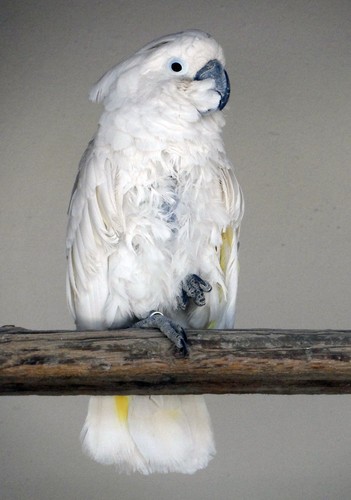
Umbrella Cockatoo
About 46 cm (18 in) long
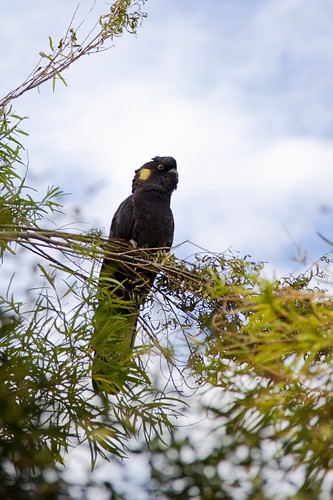
Yellow-tailed Black Cockatoo
55-65 cm long; wingspan up to about 130 cm
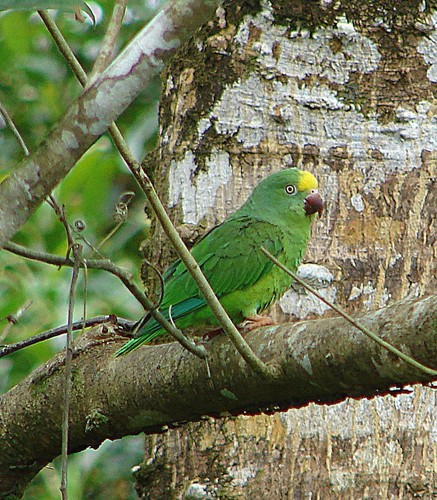
Yellow-crowned Amazon
About 35-38 cm (14-15 in) long
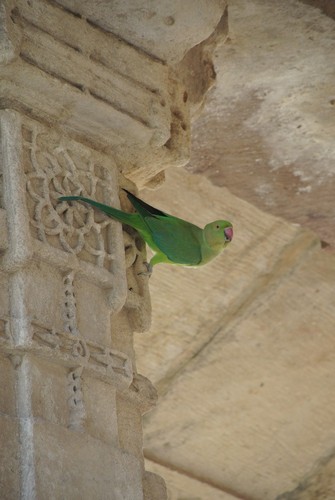
Rose-ringed Parakeet
40 cm (16 in) long including long tail
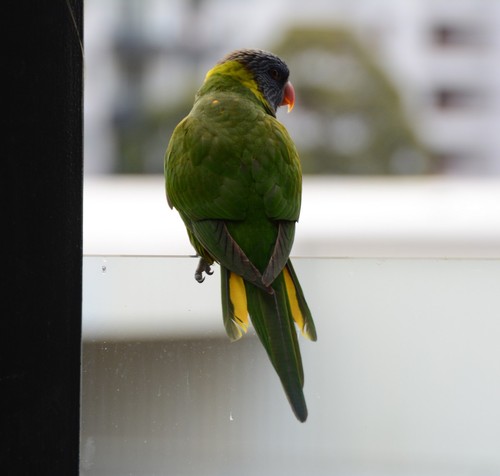
Rainbow Lorikeet
25-30 cm (10-12 in) long
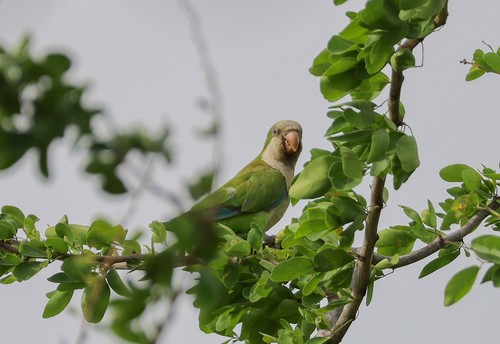
Quaker Parrot
28-31 cm (11-12 in) long
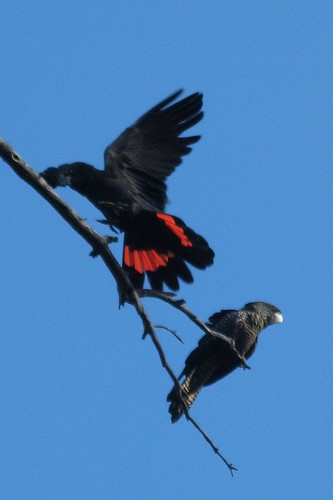
Red-tailed Black Cockatoo
55-65 cm long
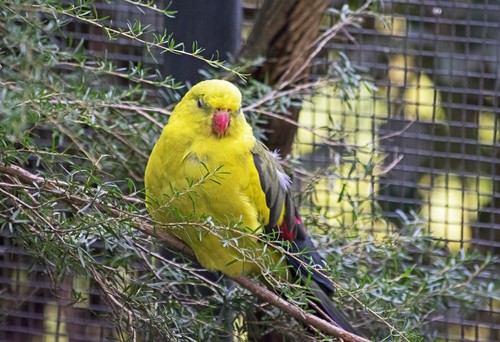
Regent Parrot
37-42 cm (15-17 in) long, including a long tail
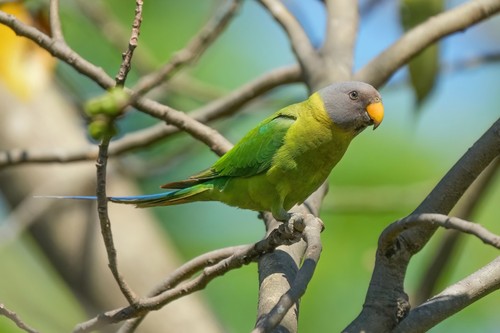
Plum-headed Parakeet
33 cm (13 in) long including tail