
Red-and-green Macaw
Ara chloropterus
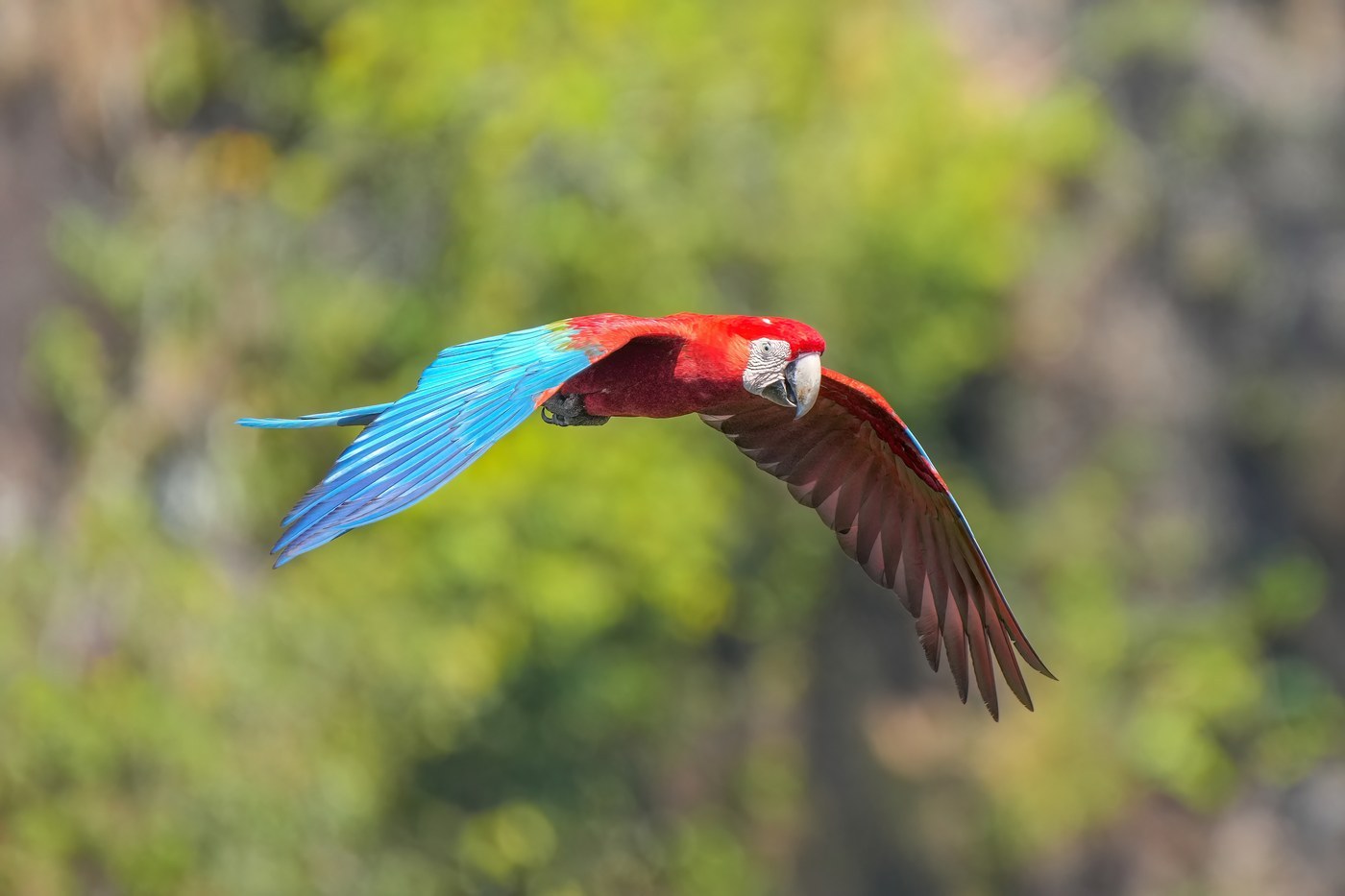
One of the largest macaws, with a mostly crimson-red body, broad green wing band, and a bare white face crossed by fine lines of tiny red feathers.
- Size
- 90-95 cm (35-37 in) long
- Habitat
- humid lowland forest and adjacent cliffs or clay licks
- Type
- parrot
Spotted a bird like this?
Identify any bird from a photo, free.
Overview
The Red-and-green Macaw, also widely known as the Green-winged Macaw, is one of the largest parrots in the world, with a long, pointed tail and a predominantly deep crimson-red body. A broad green band crosses the upper wing, followed by blue flight feathers and a blue rump and tail tip, giving the bird a bold, tricolored appearance in flight.
The bare white facial skin surrounding the eye is patterned with fine lines of small red feathers, a distinguishing feature that separates it from the very similar but smaller Scarlet Macaw. Often seen flying in pairs high above the canopy with loud, harsh calls, it is also well known for gathering in large numbers at exposed riverbank clay licks, where flocks ingest mineral-rich clay believed to help neutralize toxins in its diet.
How to identify it
Key field marks
- Very large size with a long, pointed red tail
- Mostly crimson-red body with a broad green band across the upper wing
- Blue flight feathers, rump, and tail tip
- Bare white face crossed by fine lines of small red feathers
Similar species
- Scarlet Macaw is similar in overall pattern but has a yellow (not green) band across the wing and a plain, unmarked white face without the fine red feather lines.
- Military Macaw is smaller and mostly green overall, lacking the extensive red body plumage of the Red-and-green Macaw.
Habitat & range
Habitat
Inhabits humid lowland tropical forest, forest edge, and river valleys, often near exposed cliffs or riverbanks used as clay licks.
Range
Widespread across much of South America east of the Andes, including the Amazon basin, and extending into eastern Panama.
Migration
Non-migratory, though pairs and flocks may travel considerable distances daily between roosting, feeding, and clay-lick sites.
Behavior & voice
Behavior
Usually seen in pairs or small family groups flying high above the canopy with strong, direct wingbeats; large numbers often gather at traditional clay licks, where birds ingest clay from exposed riverbanks.
Voice
Loud, harsh, far-carrying squawks and screeches, typically given in flight and audible over long distances.
Feeding
Feeds mainly on seeds, nuts, and fruit, using its powerful bill to crack open hard shells; also consumes clay at mineral licks.
Nesting
Nests in large natural tree cavities, often high in emergent forest trees; typically lays 2 white eggs, with the female doing most of the incubating.
Frequently asked questions
How do you identify a Red-and-green Macaw?
Look for a very large, mostly crimson-red macaw with a green band across the wing and a bare white face marked with fine lines of tiny red feathers.
How is the Red-and-green Macaw different from the Scarlet Macaw?
The Red-and-green Macaw has a green (not yellow) wing band and fine red feather lines across its white face, while the Scarlet Macaw has a yellow wing band and a plain, unmarked white face.
Why do Red-and-green Macaws eat clay?
They gather at riverbank clay licks to ingest mineral-rich clay, which is thought to help neutralize toxins found in some of the seeds and unripe fruit in their diet.
Where do Red-and-green Macaws live?
In humid lowland forest across much of South America east of the Andes, including the Amazon basin.
Red-and-green Macaw guides
In-depth guides for identifying, finding, and understanding Red-and-green Macaw.
Other birds you may enjoy
Eclectus Parrot
35-42 cm (14-16.5 in) long
Western Rosella
25-30 cm (10-12 in) long
Superb Parrot
About 40 cm (16 in) long including a long tail
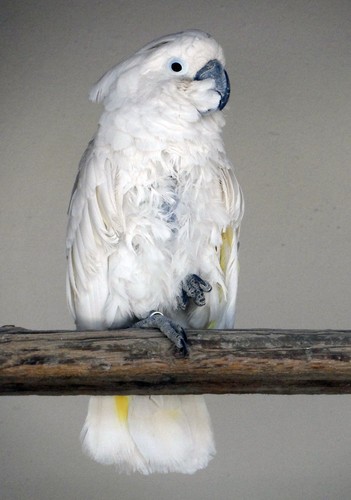
Umbrella Cockatoo
About 46 cm (18 in) long
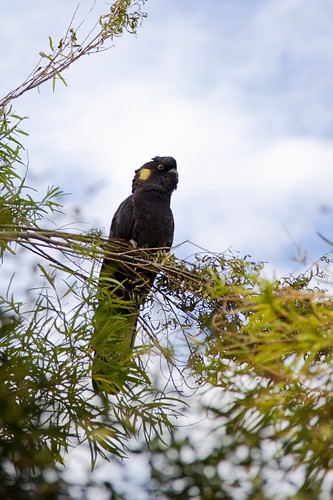
Yellow-tailed Black Cockatoo
55-65 cm long; wingspan up to about 130 cm
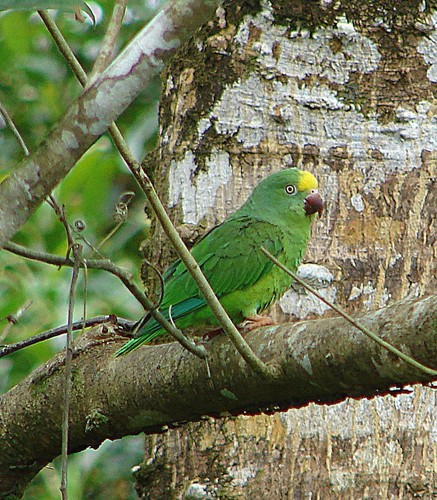
Yellow-crowned Amazon
About 35-38 cm (14-15 in) long
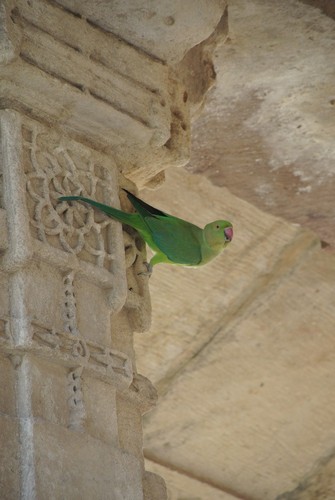
Rose-ringed Parakeet
40 cm (16 in) long including long tail
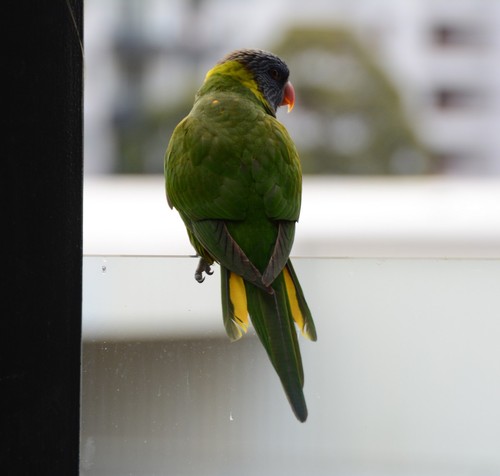
Rainbow Lorikeet
25-30 cm (10-12 in) long
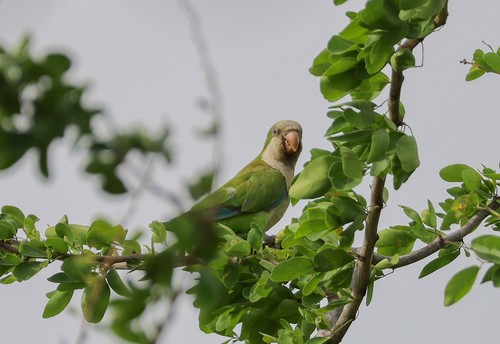
Quaker Parrot
28-31 cm (11-12 in) long
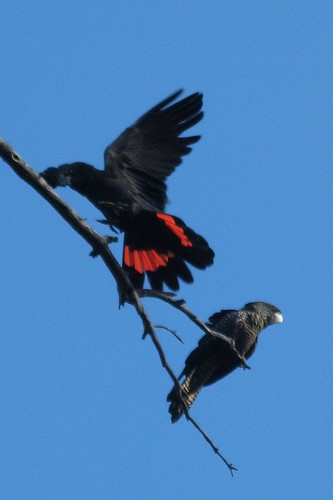
Red-tailed Black Cockatoo
55-65 cm long
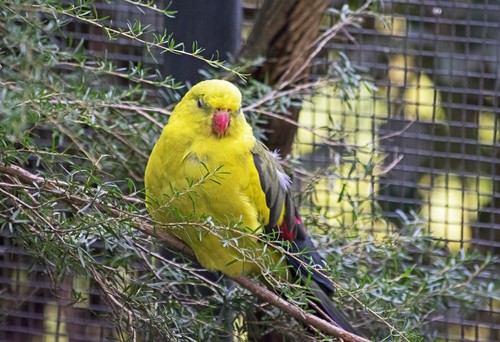
Regent Parrot
37-42 cm (15-17 in) long, including a long tail
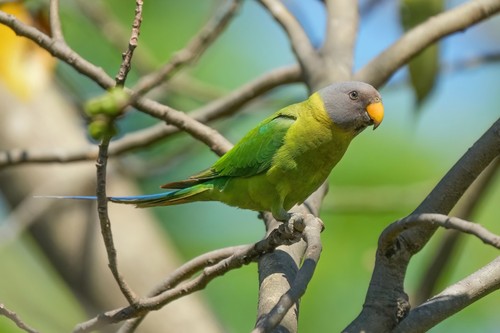
Plum-headed Parakeet
33 cm (13 in) long including tail