
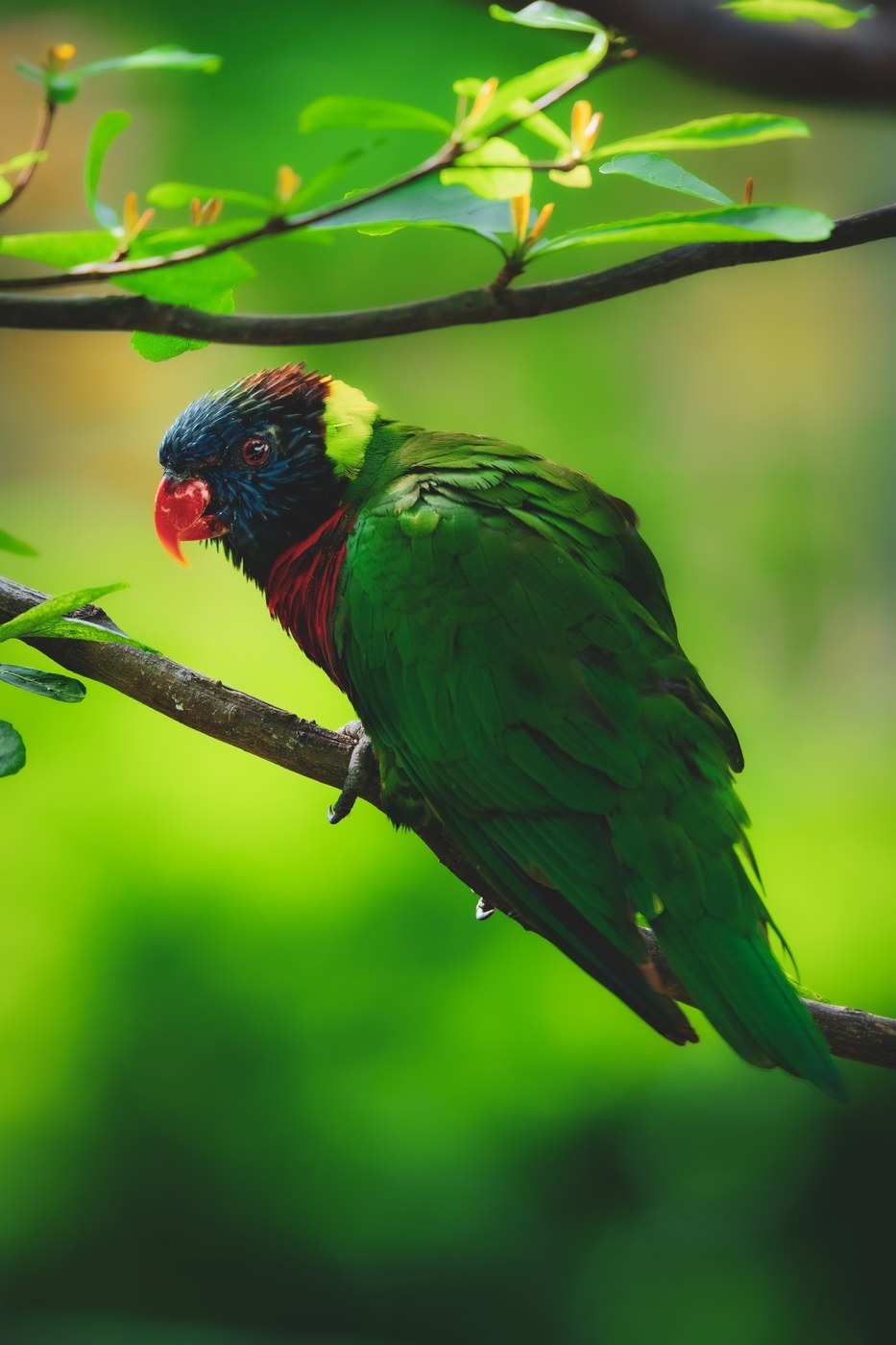
Rainbow Lory
Trichoglossus haematodus
A vividly colored lorikeet of Indonesia, New Guinea, and the southwest Pacific, closely related to Australia's Rainbow Lorikeet and often known by the same common name.
- Size
- 26-30 cm (10-12 in) long
- Habitat
- Lowland forest, coconut plantations, mangroves, and gardens
- Type
- parrot
Spotted a bird like this?
Identify any bird from a photo, free.
Overview
The Rainbow Lory, more formally the Coconut Lorikeet, is a brightly colored parrot native to Indonesia's Maluku Islands, New Guinea, and nearby southwest Pacific islands. Until a 2014 taxonomic revision it was considered the same species as Australia's Rainbow Lorikeet, and the two remain very similar in appearance.
Appearance
Plumage shows the same rainbow pattern as its Australian relative: a blue head, green upperparts, and an orange-red breast band marked with dark barring, though the exact intensity and extent of color varies considerably among the many island subspecies across its range.
How to identify it
Key field marks
- Blue head contrasting with green back and wings
- Orange-red breast band with dark barring, variable in intensity by subspecies
- Red bill
- Range restricted to Indonesia, New Guinea, and nearby Pacific islands
Similar species
The Rainbow Lory is essentially indistinguishable in the field from the Australian Rainbow Lorikeet except by range, since the two were only recently split. Within its own range it can be told from other lorikeets by the combination of blue head and orange-red breast; some island populations show duller or darker breast coloration than others.
Habitat & range
Range
The Rainbow Lory occurs across Wallacea, including the Maluku Islands, throughout New Guinea, and on a number of southwest Pacific islands, with numerous recognized subspecies varying by island group.
Habitat
It favors lowland forest, forest edge, coconut plantations, mangroves, and gardens, generally staying below mid-elevation in hilly terrain.
Migration
Generally sedentary, though local movements occur in response to the flowering and fruiting of food trees.
Behavior & voice
Behavior
Like its Australian relative, the Rainbow Lory is gregarious, forming noisy flocks at flowering and fruiting trees and gathering at communal roosts.
Voice
Calls are sharp, chattering screeches similar to those of the Rainbow Lorikeet, given in flight and while feeding.
Feeding
It feeds mainly on nectar and pollen using a brush-tipped tongue adapted for extracting liquid from flowers, supplemented with fruit and blossoms.
Nesting and breeding
Nests are placed in tree hollows, with small clutches incubated by the female while the male assists in feeding.
Frequently asked questions
Is the Rainbow Lory the same as the Rainbow Lorikeet?
They are close relatives. Rainbow Lory generally refers to the Coconut Lorikeet of Indonesia, New Guinea, and the Pacific, which was split from Australia's Rainbow Lorikeet in a 2014 taxonomic revision.
Where is the Rainbow Lory found?
Across the Maluku Islands of Indonesia, New Guinea, and parts of the southwest Pacific.
What does the Rainbow Lory eat?
Mainly nectar and pollen from flowering trees, supplemented by fruit and blossoms.
How many subspecies does the Rainbow Lory have?
Numerous subspecies are recognized across its island range, differing somewhat in the intensity of breast-band color.
What is the conservation status of the Rainbow Lory?
It is listed as Least Concern, being widespread and common across its range.
Rainbow Lory guides
In-depth guides for identifying, finding, and understanding Rainbow Lory.
Other birds you may enjoy
Eclectus Parrot
35-42 cm (14-16.5 in) long
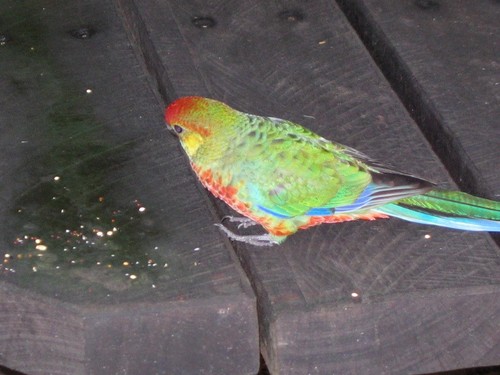
Western Rosella
25-30 cm (10-12 in) long
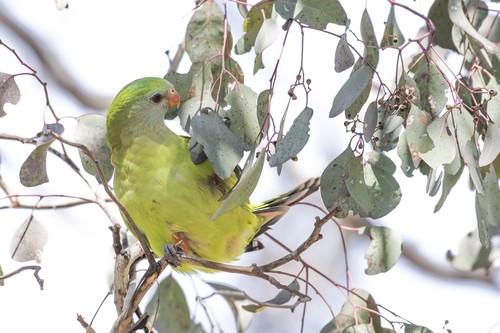
Superb Parrot
About 40 cm (16 in) long including a long tail
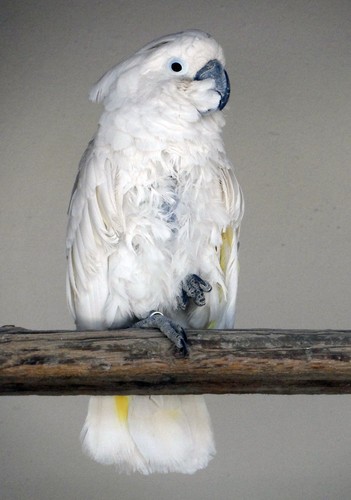
Umbrella Cockatoo
About 46 cm (18 in) long
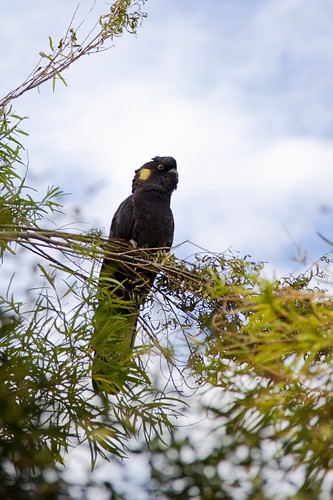
Yellow-tailed Black Cockatoo
55-65 cm long; wingspan up to about 130 cm
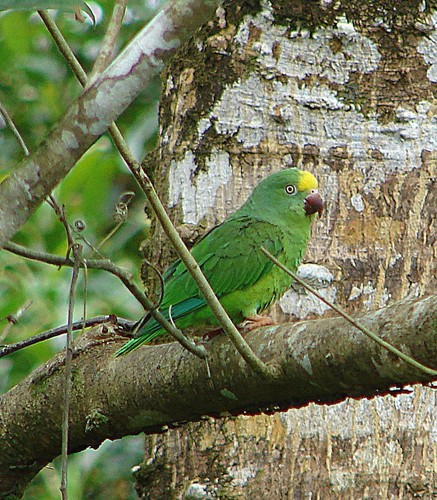
Yellow-crowned Amazon
About 35-38 cm (14-15 in) long
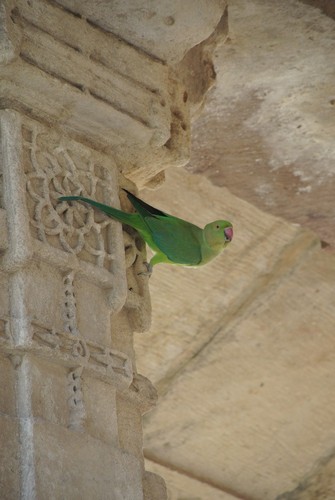
Rose-ringed Parakeet
40 cm (16 in) long including long tail
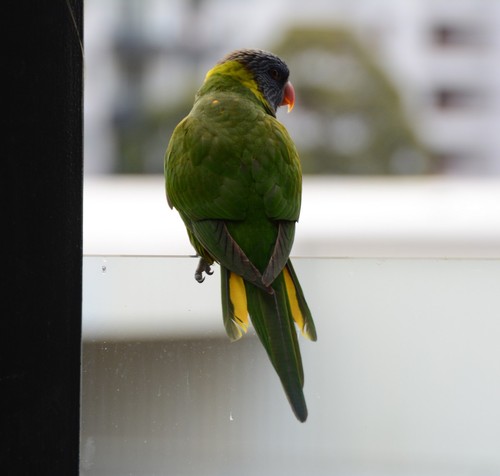
Rainbow Lorikeet
25-30 cm (10-12 in) long
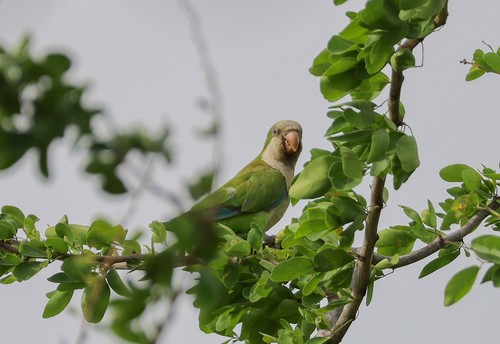
Quaker Parrot
28-31 cm (11-12 in) long
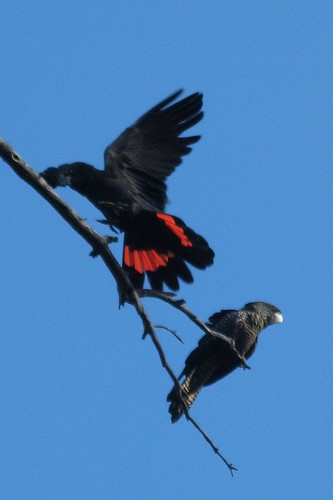
Red-tailed Black Cockatoo
55-65 cm long
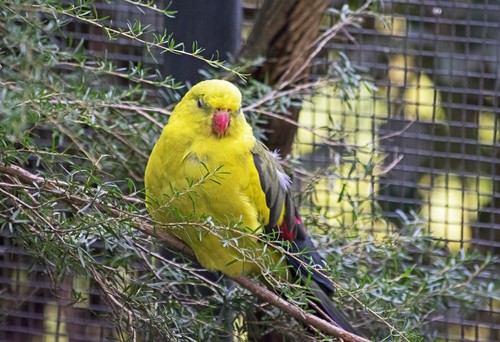
Regent Parrot
37-42 cm (15-17 in) long, including a long tail
Plum-headed Parakeet
33 cm (13 in) long including tail