
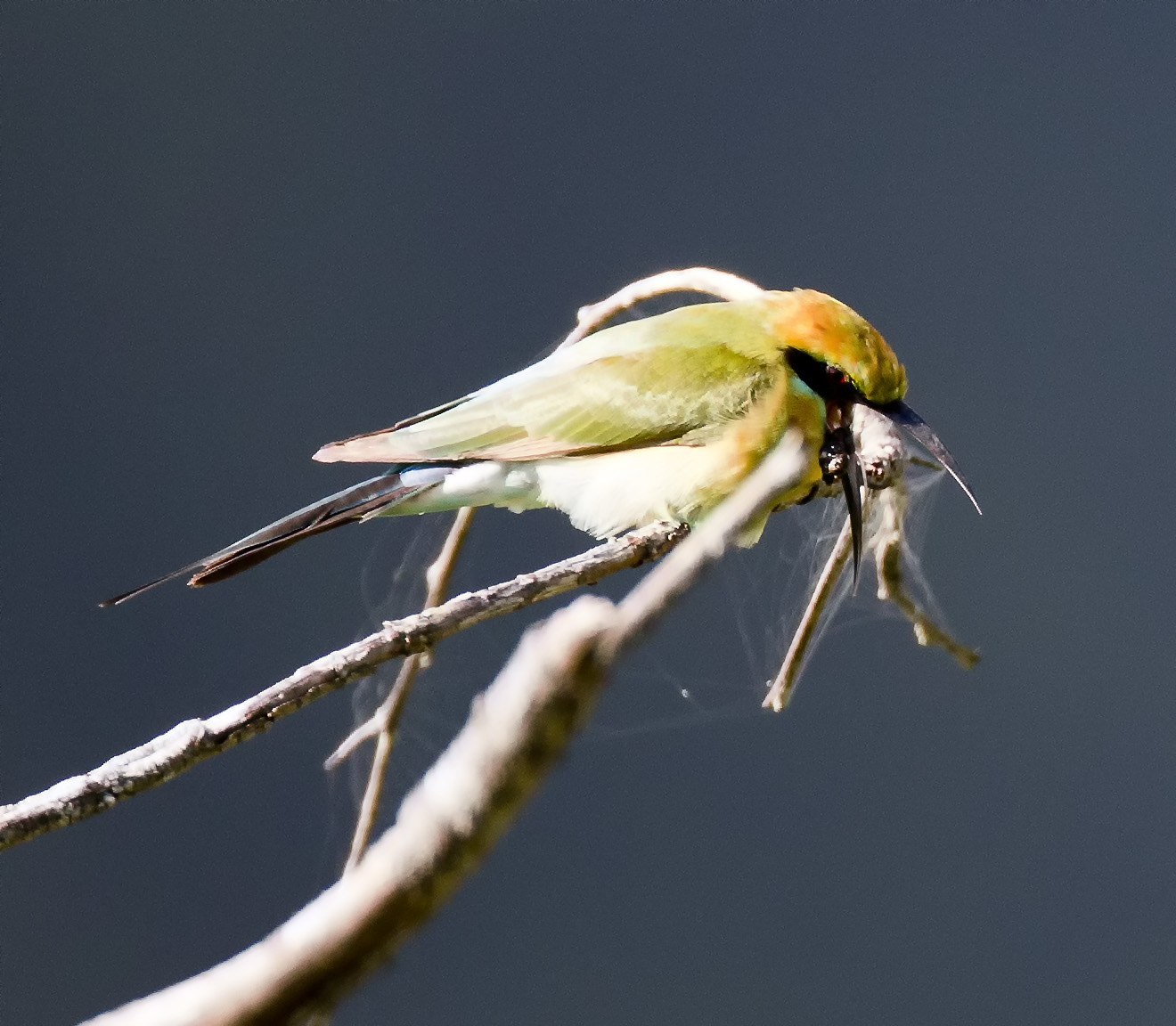
Rainbow Bee-eater
Merops ornatus
A slender, jewel-colored bird with a rainbow of green, blue, and chestnut plumage that hawks bees and other insects on the wing.
- Size
- 19-24 cm (7.5-9.5 in) long including elongated central tail streamers, 29-32 cm wingspan
- Habitat
- open woodland, farmland, riverbanks, and sandy or cleared areas suitable for burrow-nesting, across Australia and parts of the Indo-Pacific
- Type
- other
Spotted a bird like this?
Identify any bird from a photo, free.
Overview
The Rainbow Bee-eater is one of Australia's most colorful birds, its plumage blending emerald green, turquoise blue, golden-chestnut, and black into an almost tropical palette. A black mask runs through the eye, bordered above by a thin blue line, while the throat is bright yellow shading into a chestnut band and then black across the upper breast.
The tail is tipped with elongated, wire-like central streamers that trail behind the bird in flight, most pronounced in adult males. Slim, pointed wings and a long, slightly downcurved black bill complete a build perfectly suited to catching flying insects on the wing.
How to identify it
Key field marks
- Rainbow-like mix of green, blue, chestnut, and black plumage
- Black eye mask bordered by a thin blue line above
- Yellow throat with a chestnut band and black breast crescent
- Long, wire-like central tail streamers (longer in males)
- Slim, pointed wings and long downcurved bill
Similar species
No other Australian bird shares this combination of colors and tail streamers, making the Rainbow Bee-eater essentially unmistakable within its range. In flight, its swept-back wing shape and acrobatic, swallow-like sallies after insects further aid identification.
Habitat & range
Habitat
Rainbow Bee-eaters favor open country, including woodland edges, farmland, riverbanks, and sandy or cleared ground, which they need for excavating nesting burrows.
Range
The species breeds across most of mainland Australia, occurring in every state, and is absent mainly from the most densely forested and highest alpine areas.
Migration
Southern Australian populations are strongly migratory, moving north for the non-breeding season to northern Australia, New Guinea, and parts of Indonesia, while northern populations may be more sedentary.
Behavior & voice
Behavior
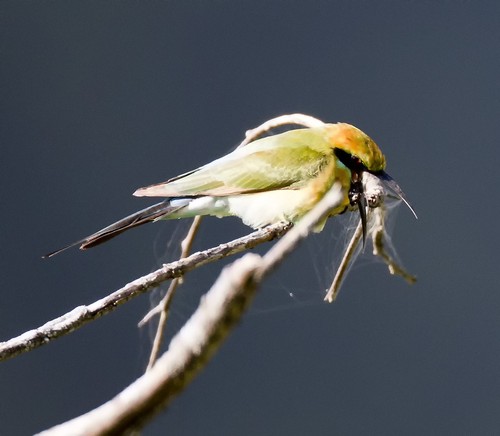
Rainbow Bee-eaters are highly aerial, sallying out from an exposed perch to snatch flying insects, then returning to the same perch to beat and rub the prey against the branch before swallowing it, a behavior that helps remove stingers from bees and wasps.
Voice
The call is a distinctive, rolling, liquid "prreep" or "terp-terp," often given in flight and audible well before the bird is seen.
Feeding
Diet consists almost entirely of flying insects, with honeybees and wasps forming a large part of the diet, along with dragonflies, flies, and other winged insects caught mid-air.
Nesting and breeding
Pairs, often assisted by helper birds, excavate a long tunnel nest in sandy banks, flat sandy ground, or road cuttings, ending in a nesting chamber. Clutches typically contain four to seven white eggs, incubated by both parents, with young fledging around a month after hatching.
Frequently asked questions
What does a Rainbow Bee-eater eat?
It feeds almost exclusively on flying insects caught in the air, especially bees and wasps, along with dragonflies and other winged prey.
Does the Rainbow Bee-eater migrate?
Yes, southern Australian populations migrate north for the non-breeding season to northern Australia, New Guinea, and parts of Indonesia.
How do Rainbow Bee-eaters nest?
They excavate long burrows in sandy banks or flat sandy ground, ending in a nesting chamber where eggs are laid.
How does a Rainbow Bee-eater avoid being stung by bees?
After catching a bee or wasp, it returns to a perch and repeatedly beats and rubs the insect against the branch to remove or disable the stinger before eating it.
Where can you see Rainbow Bee-eaters?
They occur across most of mainland Australia in open woodland, farmland, and riverbank habitats, especially near sandy nesting sites.
Rainbow Bee-eater guides
In-depth guides for identifying, finding, and understanding Rainbow Bee-eater.
Other birds you may enjoy
Kiwi
35-55 cm (14-22 in) long; roughly chicken-sized
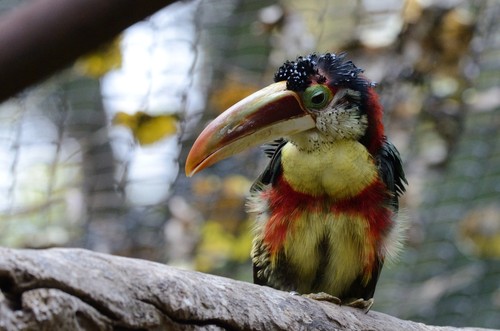
Curl-crested Aracari
41-46 cm (16-18 in) long, including a long bill and tail
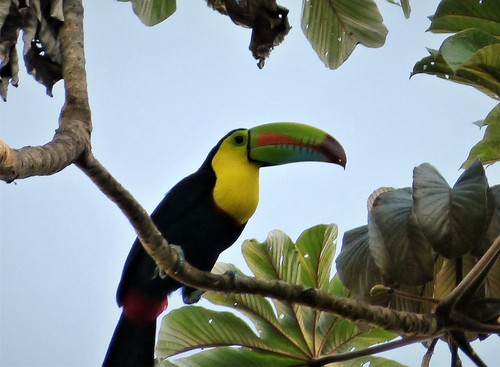
Keel-billed Toucan
42-55 cm (17-22 in) long including bill
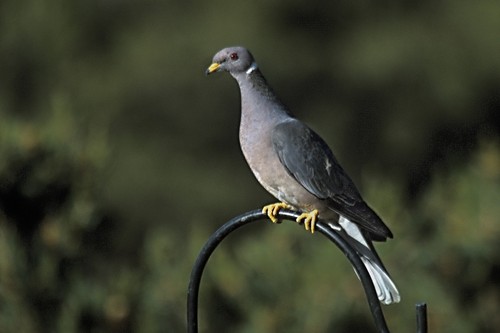
Band-tailed Pigeon
33-38 cm (13-15 in) long, wingspan about 66 cm (26 in)
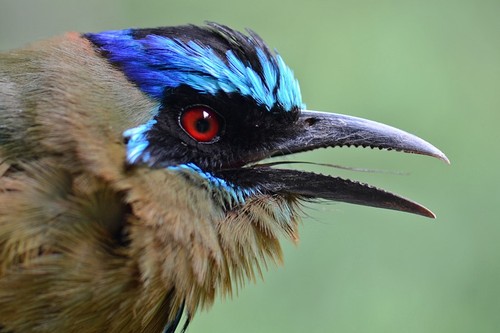
Blue-crowned Motmot
38-43 cm (15-17 in) long including tail
White-tipped Dove
27-30 cm (10.5-12 in) long, 38-43 cm wingspan
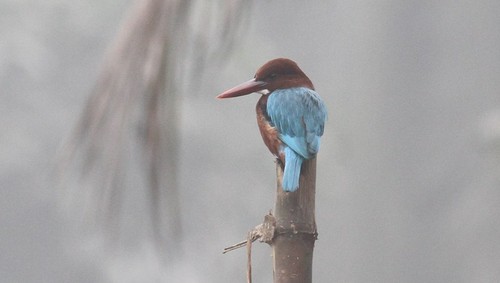
White-throated Kingfisher
27-28 cm (10.5-11 in) long
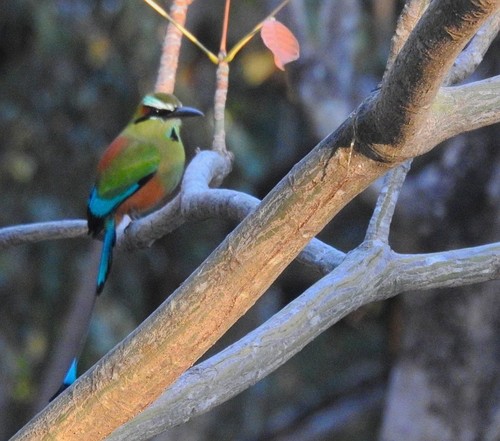
Turquoise-browed Motmot
34 cm (13 in) long including tail
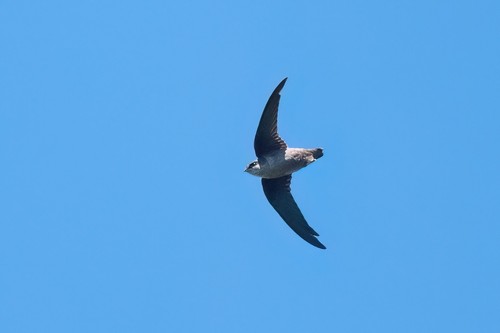
Vaux's Swift
10-12 cm (4-4.5 in) long, 27-30 cm wingspan
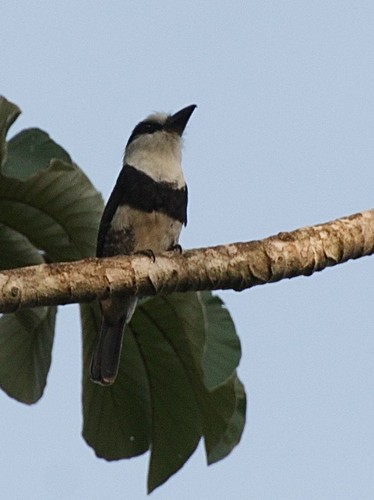
White-necked Puffbird
22-24 cm (8.5-9.5 in) long
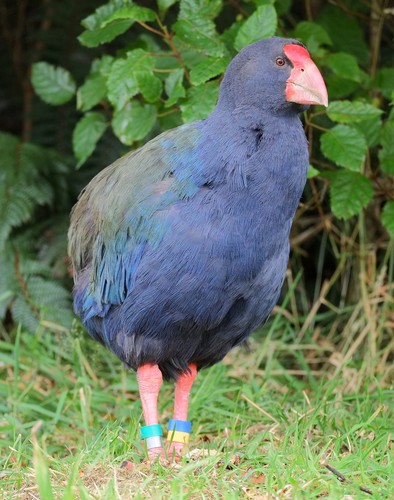
Takahe
50 cm (20 in) long, up to 3.5 kg; flightless
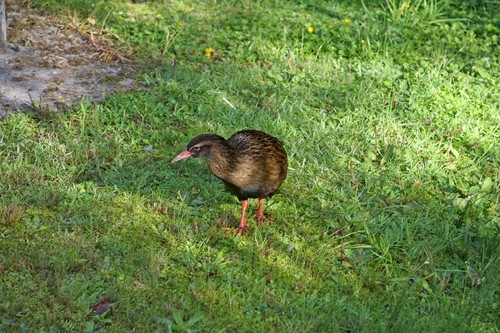
Weka
50-60 cm (20-24 in) long; flightless