
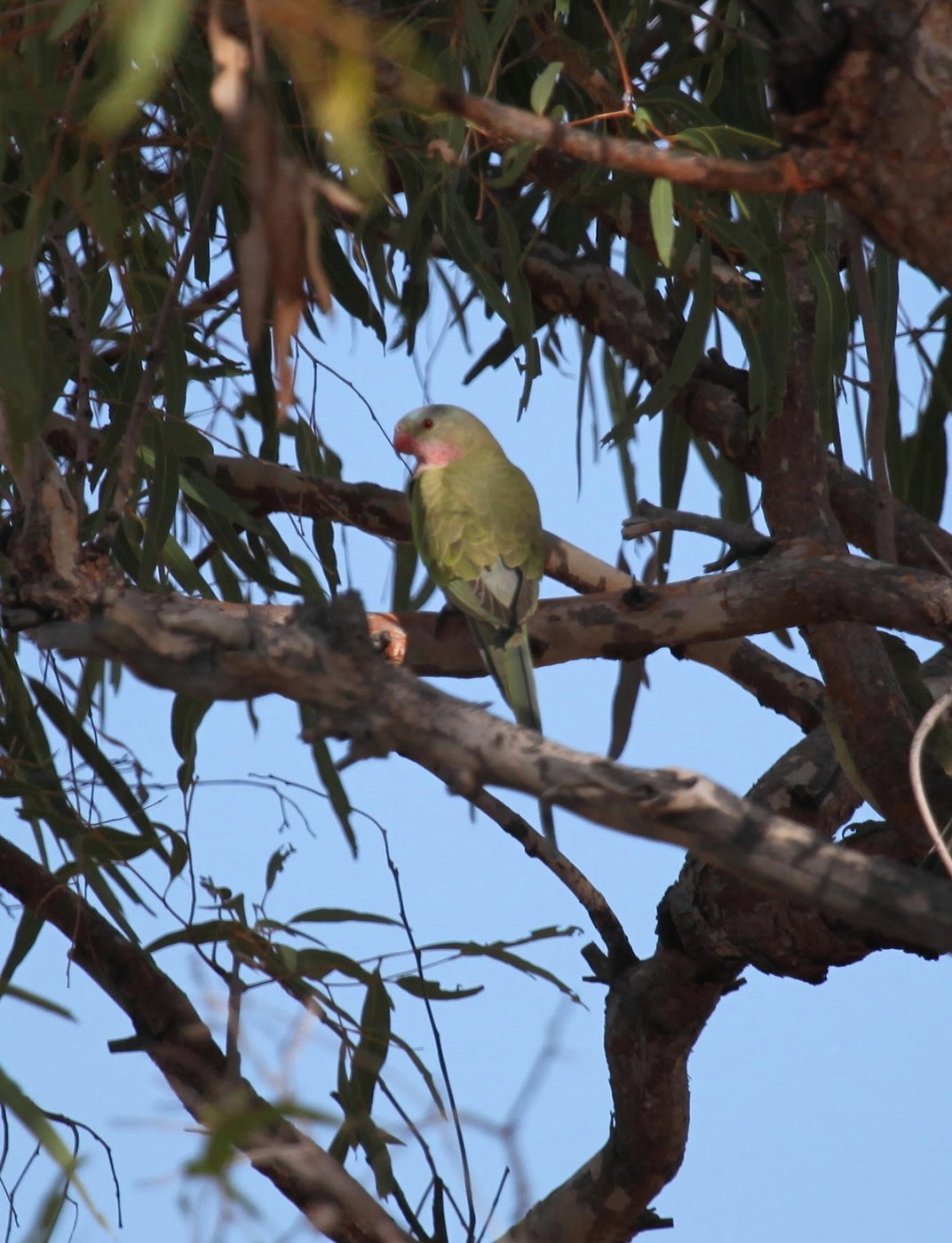
Princess Parrot
Polytelis alexandrae
A slender, long-tailed Australian desert parrot with soft pink, olive, and blue plumage and a highly nomadic lifestyle.
- Size
- About 40-45 cm (16-18 in) long including a long, tapered tail
- Habitat
- Arid interior woodland and scrub along dry watercourses in central Australia
- Type
- parrot
Spotted a bird like this?
Identify any bird from a photo, free.
Overview
The Princess Parrot is an elegant, long-tailed parrot of Australia's remote interior, named in honor of Princess Alexandra of Denmark. It is one of the least frequently encountered Australian parrots due to its remote range and unpredictable, nomadic movements.
Its plumage is a soft blend of olive-green upperparts, a rose-pink throat and breast, a pale blue crown and rump, and long, slender tail feathers tipped with violet-blue. The bill is coral-red.
Plumage
- Crown pale blue
- Throat and upper breast rose-pink
- Back and wings olive-green with a blue shoulder patch
- Long, graduated tail with violet-blue central feathers
- Bill coral-red
How to identify it
Key field marks
- Slender build with an exceptionally long, thin tail
- Combination of pale blue crown, pink throat, and olive-green body is distinctive
- Coral-red bill
- Fast, direct flight with long tail streaming behind
Similar species
It can be confused with other long-tailed Polytelis parrots such as the Superb Parrot and Regal Parrot, but the Princess Parrot's pink throat/breast and pale blue crown combination, along with its longer tail, separate it from both.
Habitat & range
Range
The Princess Parrot is found across the remote arid zone of central Australia, including parts of Western Australia, the Northern Territory, and South Australia, in areas that receive very few observers.
Habitat
It inhabits desert woodland dominated by desert oak, mulga, and acacia, especially along dry watercourses lined with eucalypts. The species is highly nomadic, following erratic rainfall and seeding events, and can be locally common one year and absent the next.
Behavior & voice
Behavior
Princess Parrots are often seen in small flocks that fly fast and direct between feeding and roosting sites. They can be remarkably tame and approachable where encountered, a trait attributed to their isolation from frequent human contact.
Voice
The call is a distinctive rolling, musical warble, softer and more melodic than the harsher calls of many other Australian parrots.
Feeding
They forage both in trees and on the ground for seeds, fruits, blossoms, nectar, and insects, often feeding on spinifex and acacia seed.
Nesting
Nesting is opportunistic, timed to good rainfall, in hollows of eucalypts or desert oaks, with a clutch of around 4-6 eggs.
Frequently asked questions
Why is the Princess Parrot rarely seen?
It lives in extremely remote arid parts of central Australia and moves nomadically in response to rainfall, so it is infrequently encountered even by birdwatchers.
How do you identify a Princess Parrot?
Look for a slender parrot with a pale blue crown, rose-pink throat and breast, olive-green body, and an unusually long, thin tail.
What is the difference between a Princess Parrot and a Superb Parrot?
The Princess Parrot has a pink throat and blue crown with a much longer tail, while the Superb Parrot is mostly green with a yellow face and lacks the pink throat.
What do Princess Parrots eat?
They eat seeds, fruits, blossoms, nectar, and insects, foraging both on the ground and in trees.
Is the Princess Parrot endangered?
It is currently listed as Least Concern, though its true population trends are hard to assess given its remote, nomadic range.
Princess Parrot guides
In-depth guides for identifying, finding, and understanding Princess Parrot.
Other birds you may enjoy
Eclectus Parrot
35-42 cm (14-16.5 in) long
Western Rosella
25-30 cm (10-12 in) long
Superb Parrot
About 40 cm (16 in) long including a long tail
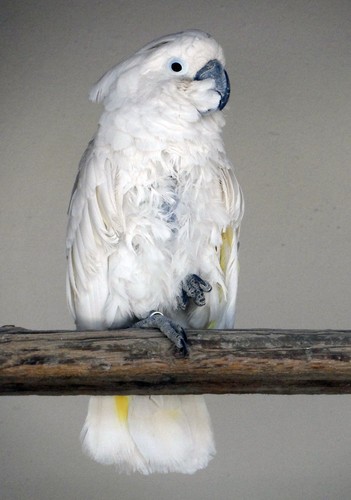
Umbrella Cockatoo
About 46 cm (18 in) long
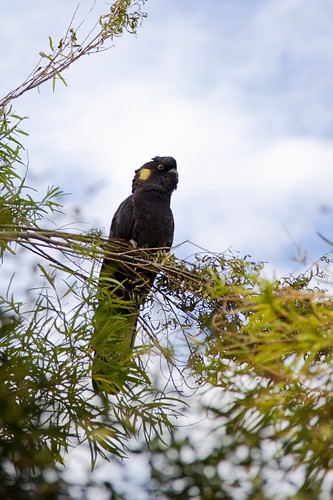
Yellow-tailed Black Cockatoo
55-65 cm long; wingspan up to about 130 cm
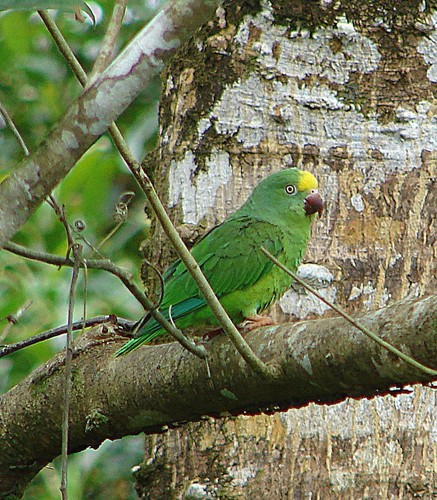
Yellow-crowned Amazon
About 35-38 cm (14-15 in) long
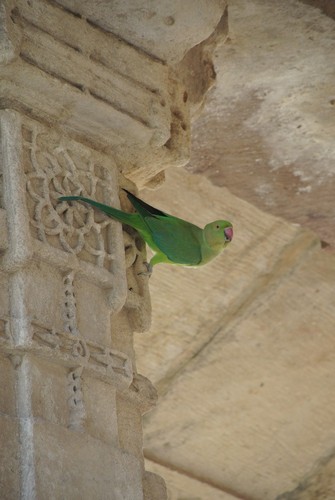
Rose-ringed Parakeet
40 cm (16 in) long including long tail
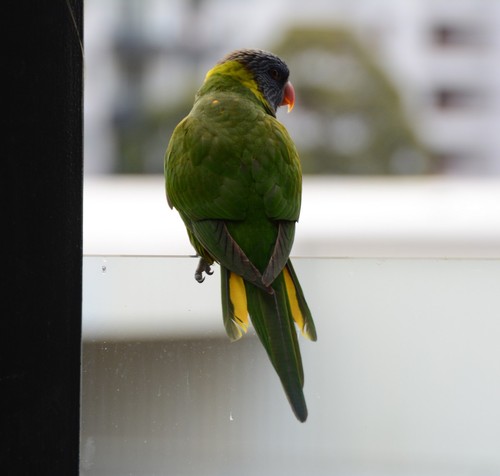
Rainbow Lorikeet
25-30 cm (10-12 in) long
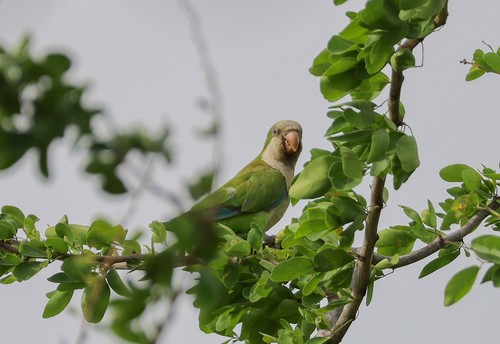
Quaker Parrot
28-31 cm (11-12 in) long
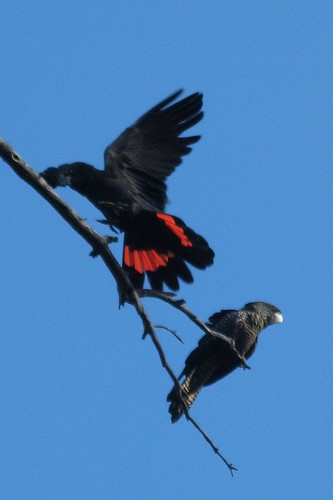
Red-tailed Black Cockatoo
55-65 cm long
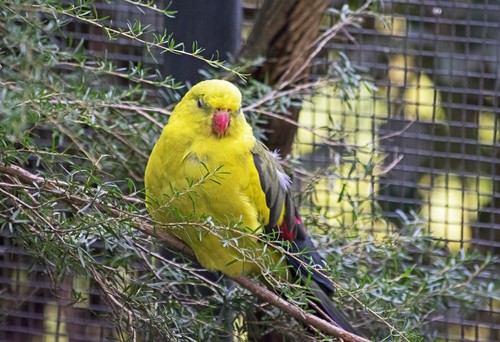
Regent Parrot
37-42 cm (15-17 in) long, including a long tail
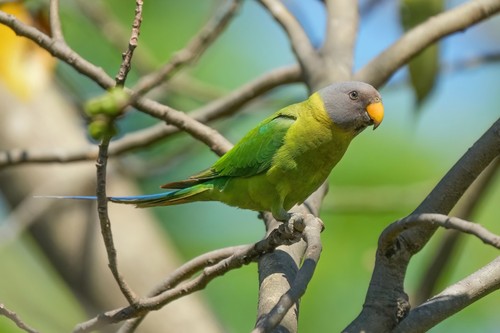
Plum-headed Parakeet
33 cm (13 in) long including tail