
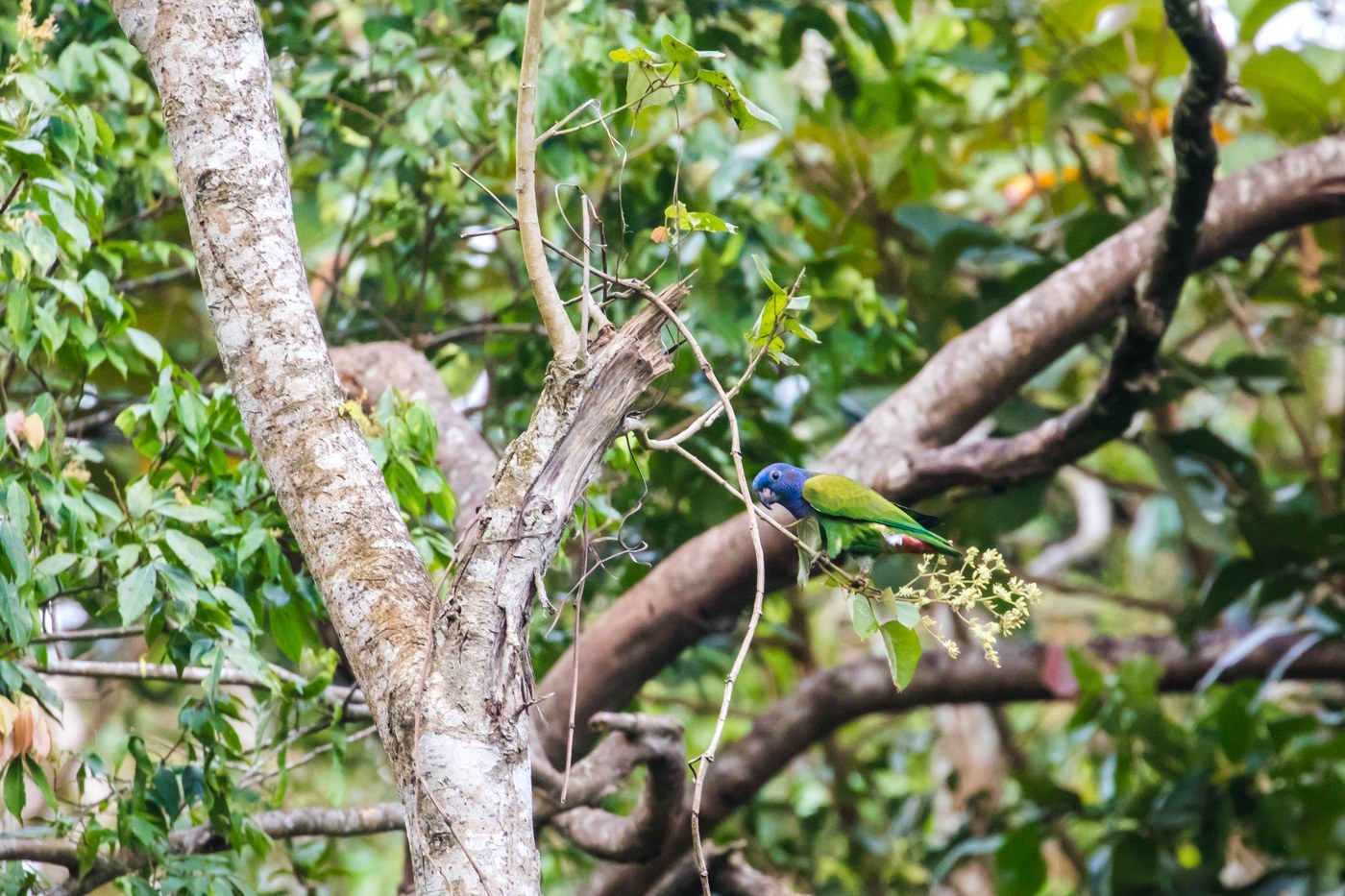
Pionus Parrot
Pionus menstruus
A stocky, short-tailed parrot genus from Central and South America, typified by the Blue-headed Parrot's cobalt-blue head and red undertail coverts.
- Size
- 24-29 cm (9.5-11 in) long, varying by species within the genus
- Habitat
- Humid lowland and montane forest, forest edge, and plantations
- Type
- parrot
Spotted a bird like this?
Identify any bird from a photo, free.
Overview
Pionus Parrot refers to the genus Pionus, a group of about eight stocky, short-tailed parrot species distributed from Mexico through Central America and across much of South America. The best-known and most widespread member is the Blue-headed Parrot.
Appearance
Pionus parrots are compact and heavy-bodied with a notably short, square tail compared to most other parrots of similar size. The Blue-headed Parrot has a deep cobalt-blue head and neck, a green body with feathers subtly edged in darker green giving a scaled effect, and bright red undertail coverts visible when the tail is spread. The bill has a pale tip. Other species in the genus are distinguished by different head and body coloration.
How to identify it
Key field marks
- Stocky, heavy-bodied build with a very short, square tail
- Fast, shallow, whirring wingbeats in flight
- Blue-headed Parrot: cobalt-blue head and neck, green body, red undertail coverts
Similar species
Pionus parrots are most easily confused with Amazona (amazon) parrots, which are similarly stocky and short-tailed, but Amazona species fly with slower, deeper wingbeats and generally lack the combination of solid-colored head and red undertail coverts seen in many Pionus species. Within the genus, species are separated primarily by head color and pattern, such as the white forecrown of the White-capped Parrot or the bronze wing patch of the Bronze-winged Parrot.
Habitat & range
Range
The genus Pionus is distributed from Mexico through Central America and across much of tropical South America to northern Argentina, with individual species occupying more restricted ranges within this broad distribution.
Habitat
Most species inhabit humid lowland and foothill forest, forest edge, and secondary growth, with some species ranging into montane cloud forest; a few tolerate partially cleared or cultivated landscapes.
Migration
Generally non-migratory and resident, though some populations make local altitudinal movements in response to food availability.
Behavior & voice
Behavior
Pionus parrots are generally quieter and less conspicuous than Amazona parrots, typically moving in pairs or small flocks and flying with rapid, shallow wingbeats.
Voice
Calls are less strident than those of many amazon parrots, consisting of short, sharp, high-pitched notes given in flight.
Feeding
The diet is largely composed of fruit, seeds, nuts, blossoms, and berries, foraged high in the forest canopy.
Nesting and breeding
Pionus parrots nest in natural tree cavities. Some species are known to emit a musky odor when handled or alarmed, a distinctive trait among parrots.
Frequently asked questions
What distinguishes Pionus parrots from Amazon parrots?
Pionus parrots are stockier with an even shorter, square tail, and fly with fast, shallow wingbeats compared to the slower, deeper wingbeats typical of Amazona parrots.
How many species are in the genus Pionus?
The genus contains about eight species, including the Blue-headed, White-capped, Bronze-winged, and Dusky Parrots.
Where do Blue-headed Parrots live?
They range through humid lowland forest from Central America through much of northern and central South America.
How can you identify a Blue-headed Parrot?
Look for a deep cobalt-blue head and neck, a green body, and bright red undertail coverts.
What do Pionus parrots eat in the wild?
Fruit, seeds, nuts, blossoms, and berries foraged in the forest canopy.
Pionus Parrot guides
In-depth guides for identifying, finding, and understanding Pionus Parrot.
Other birds you may enjoy
Eclectus Parrot
35-42 cm (14-16.5 in) long
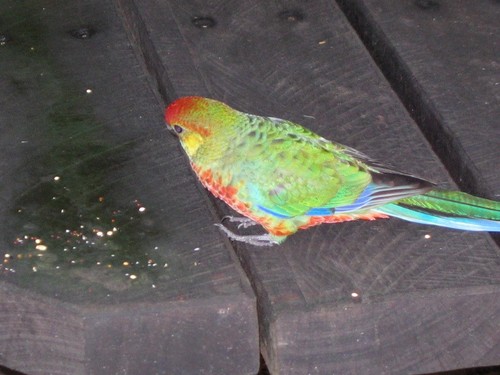
Western Rosella
25-30 cm (10-12 in) long
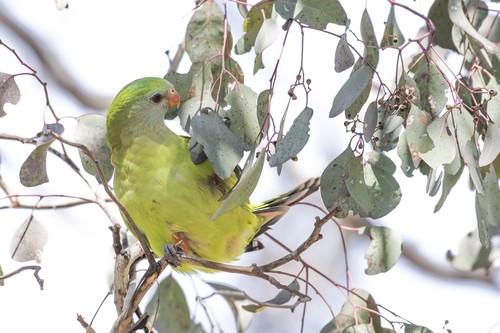
Superb Parrot
About 40 cm (16 in) long including a long tail
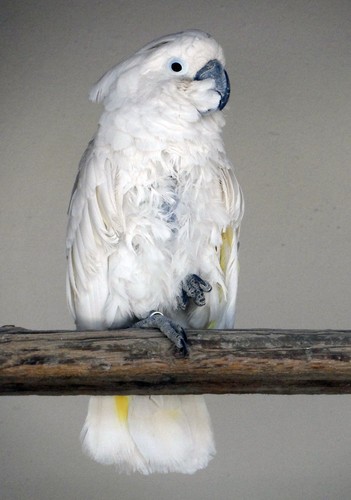
Umbrella Cockatoo
About 46 cm (18 in) long
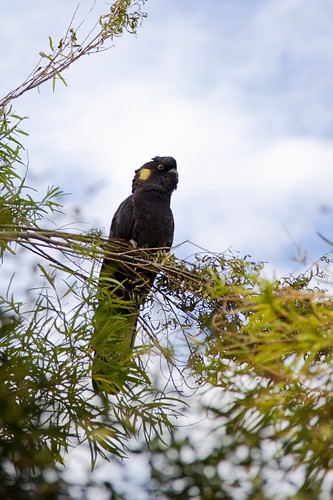
Yellow-tailed Black Cockatoo
55-65 cm long; wingspan up to about 130 cm
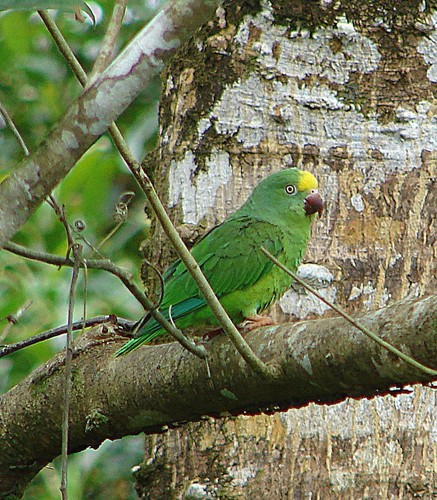
Yellow-crowned Amazon
About 35-38 cm (14-15 in) long
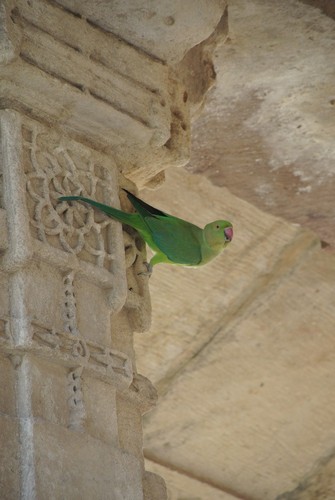
Rose-ringed Parakeet
40 cm (16 in) long including long tail
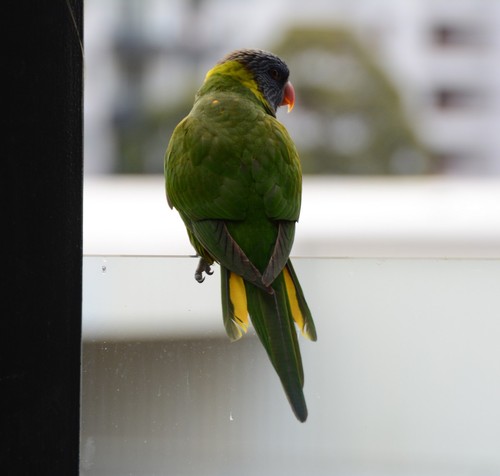
Rainbow Lorikeet
25-30 cm (10-12 in) long
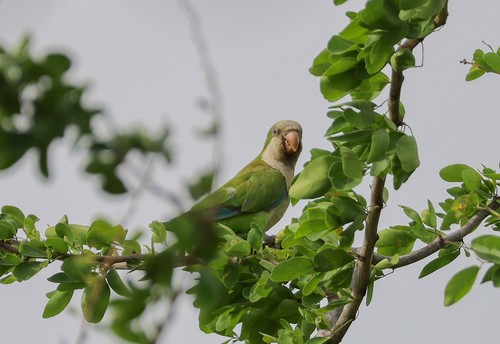
Quaker Parrot
28-31 cm (11-12 in) long
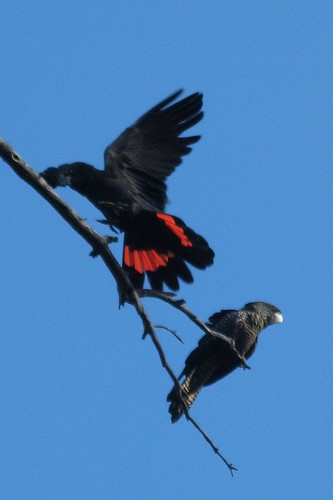
Red-tailed Black Cockatoo
55-65 cm long
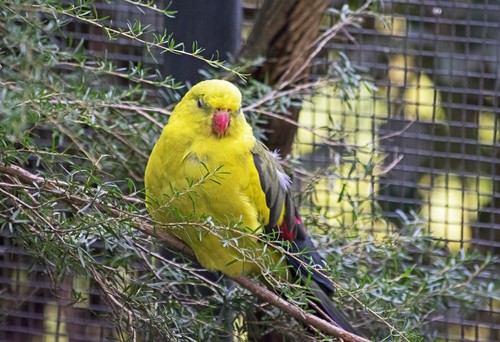
Regent Parrot
37-42 cm (15-17 in) long, including a long tail
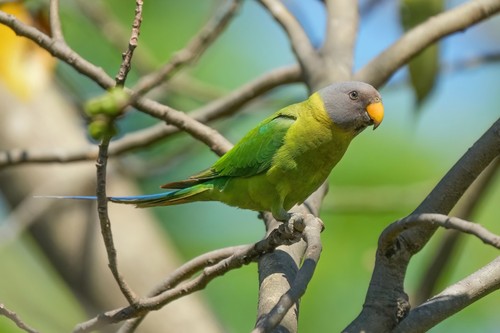
Plum-headed Parakeet
33 cm (13 in) long including tail