
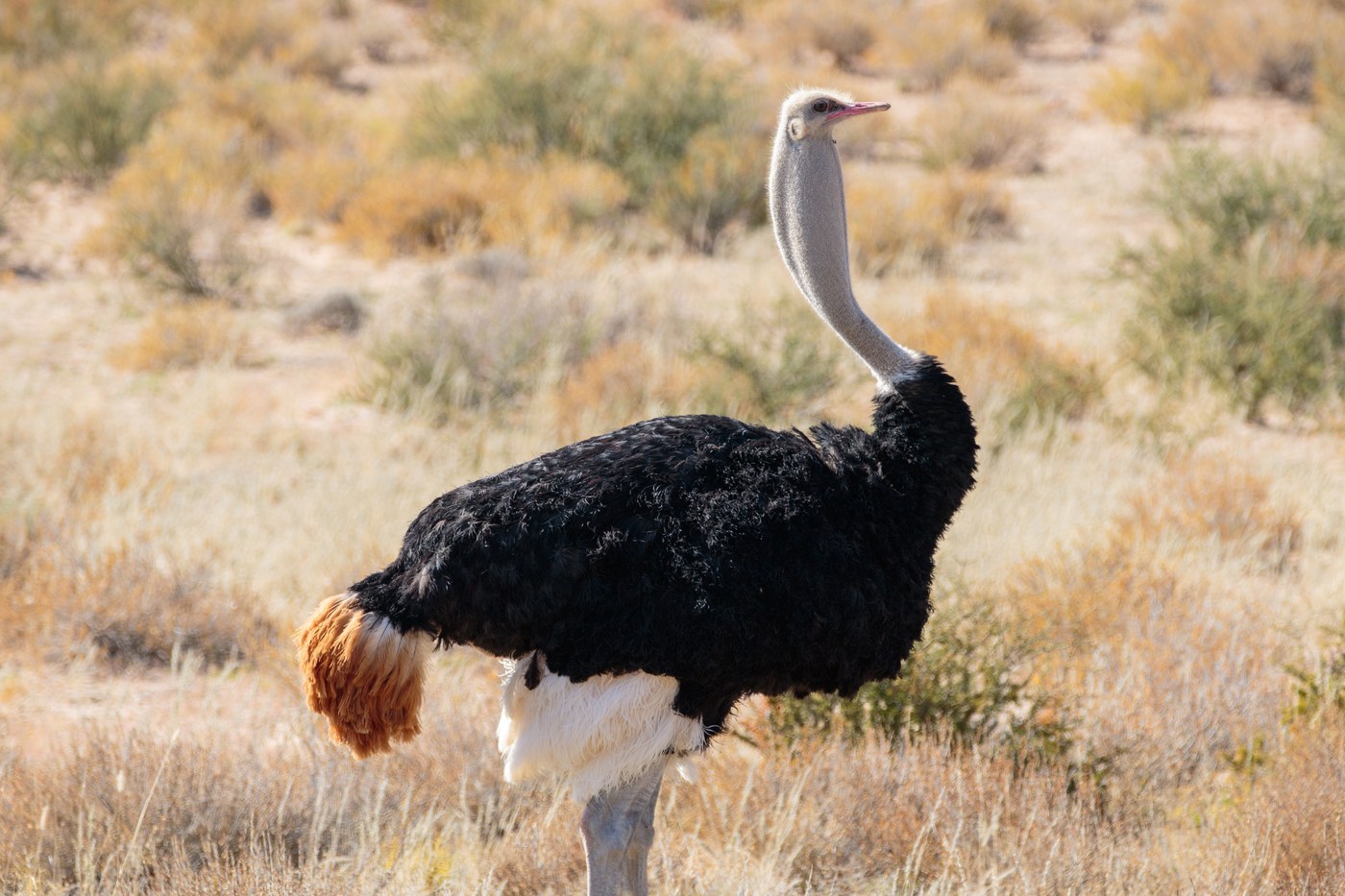
Ostrich
Struthio camelus
The world's largest and heaviest living bird, a flightless African species built for speed on the open savanna.
- Size
- 2.1-2.8 m (7-9 ft) tall; the largest and heaviest living bird
- Habitat
- Open savanna, semi-arid plains, and desert edges
- Type
- other
Spotted a bird like this?
Identify any bird from a photo, free.
Overview
The Ostrich is the largest living bird, with males standing over 2 meters tall and weighing well over 100 kg. It has a long bare neck, powerful long legs, and a small flattened head. Males are mostly black with striking white wing and tail plumes, while females and juveniles are duller grayish-brown, providing camouflage on the open plains.
Completely flightless, the Ostrich has instead evolved into the fastest running bird on Earth, using its long muscular legs to escape predators.
How to identify it
Key Field Marks
- Enormous size, towering above other savanna wildlife
- Long bare pink or bluish neck and legs
- Two-toed feet, unique among birds
- Males: glossy black body with white wing and tail plumes
- Females: uniform grayish-brown plumage
Similar Species
- No other bird approaches its size or shape within its range; unmistakable when seen
- The related Emu and Rhea are found on different continents (Australia and South America respectively) and never overlap in range
Habitat & range
Range
Sub-Saharan Africa, from arid Sahel grasslands south through East and Southern Africa; formerly also parts of the Middle East and North Africa where now largely extirpated.
Habitat
Open, dry savanna, scrubland, and semi-desert with sparse vegetation offering long sightlines to spot approaching predators.
Migration
Non-migratory but nomadic within large home ranges, moving in response to rainfall and food availability.
Behavior & voice
Behavior
Highly social outside breeding season, forming loose flocks that often associate with grazing mammals like zebra and antelope, benefiting from shared vigilance against predators. Can sprint at speeds up to 70 km/h (43 mph) when threatened.
Voice
Males produce a deep, resonant booming roar during the breeding season; both sexes hiss when threatened.
Feeding
Primarily grazes on grasses, seeds, and low vegetation, swallowing small stones to help grind food in its gizzard; opportunistically eats insects and small vertebrates.
Nesting & Breeding
Polygynous mating system where a dominant male and "major" hen share a communal ground nest scrape with eggs from multiple females; the male and major hen alternate incubation duties over the eggs, the largest of any bird.
Frequently asked questions
Can Ostriches fly?
No, Ostriches are completely flightless; their wings are used instead for balance, courtship display, and shade for chicks.
How fast can an Ostrich run?
Ostriches can sprint at speeds up to 70 km/h (43 mph), making them the fastest running bird.
How big are Ostrich eggs?
They are the largest eggs of any living bird, weighing around 1.4 kg (3 lb) each.
Where do Ostriches live?
They are native to open savanna and semi-arid plains across sub-Saharan Africa.
What do Ostriches eat?
Mainly grasses, seeds, and shrubs, occasionally supplemented with insects and small reptiles.
Ostrich guides
In-depth guides for identifying, finding, and understanding Ostrich.
Other birds you may enjoy
Kiwi
35-55 cm (14-22 in) long; roughly chicken-sized
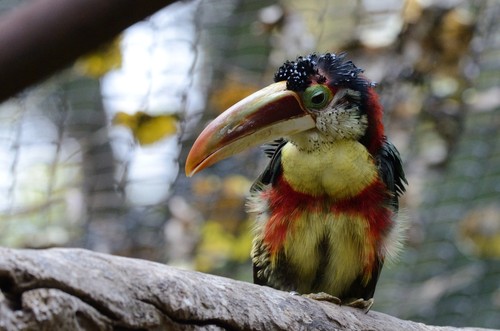
Curl-crested Aracari
41-46 cm (16-18 in) long, including a long bill and tail
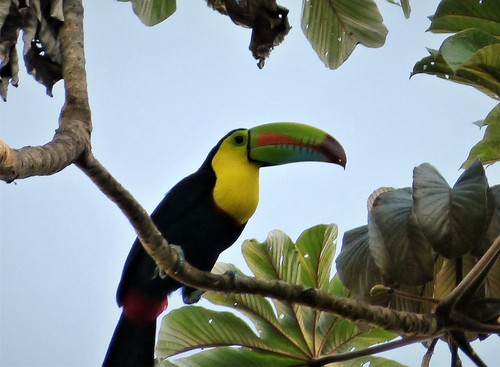
Keel-billed Toucan
42-55 cm (17-22 in) long including bill
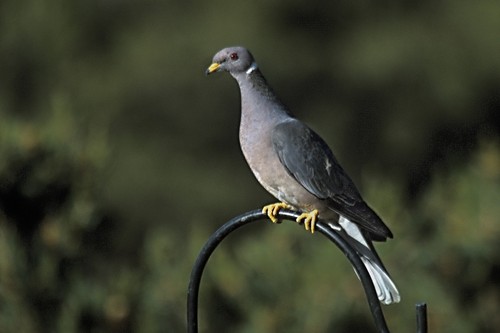
Band-tailed Pigeon
33-38 cm (13-15 in) long, wingspan about 66 cm (26 in)
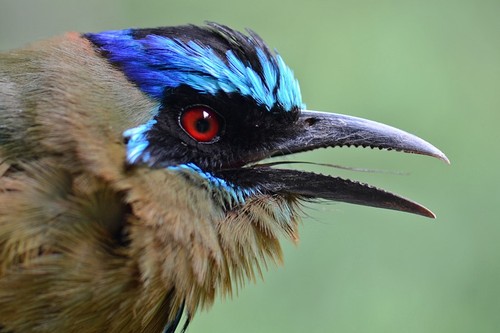
Blue-crowned Motmot
38-43 cm (15-17 in) long including tail
White-tipped Dove
27-30 cm (10.5-12 in) long, 38-43 cm wingspan
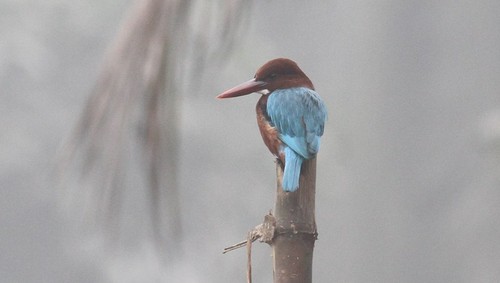
White-throated Kingfisher
27-28 cm (10.5-11 in) long
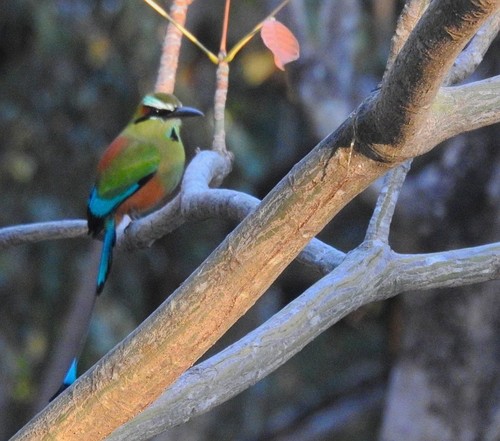
Turquoise-browed Motmot
34 cm (13 in) long including tail
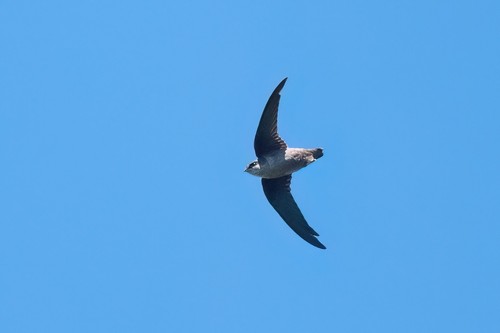
Vaux's Swift
10-12 cm (4-4.5 in) long, 27-30 cm wingspan
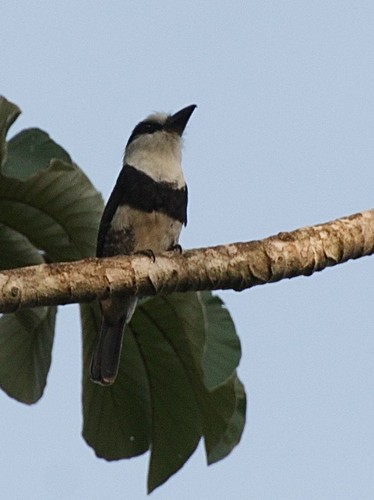
White-necked Puffbird
22-24 cm (8.5-9.5 in) long
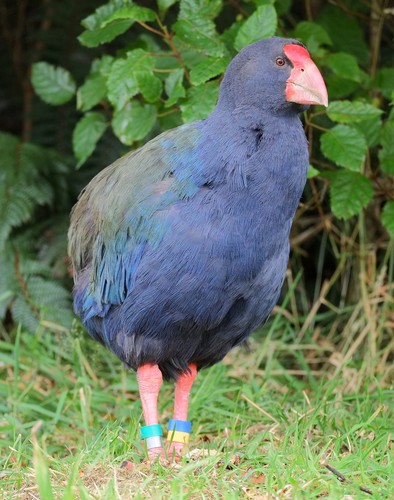
Takahe
50 cm (20 in) long, up to 3.5 kg; flightless
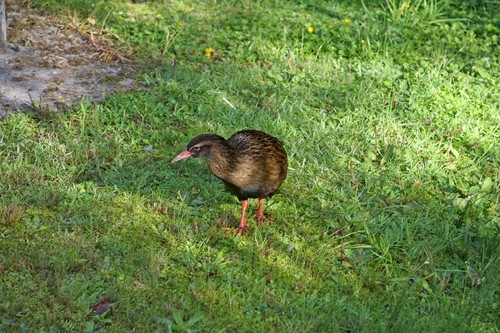
Weka
50-60 cm (20-24 in) long; flightless