
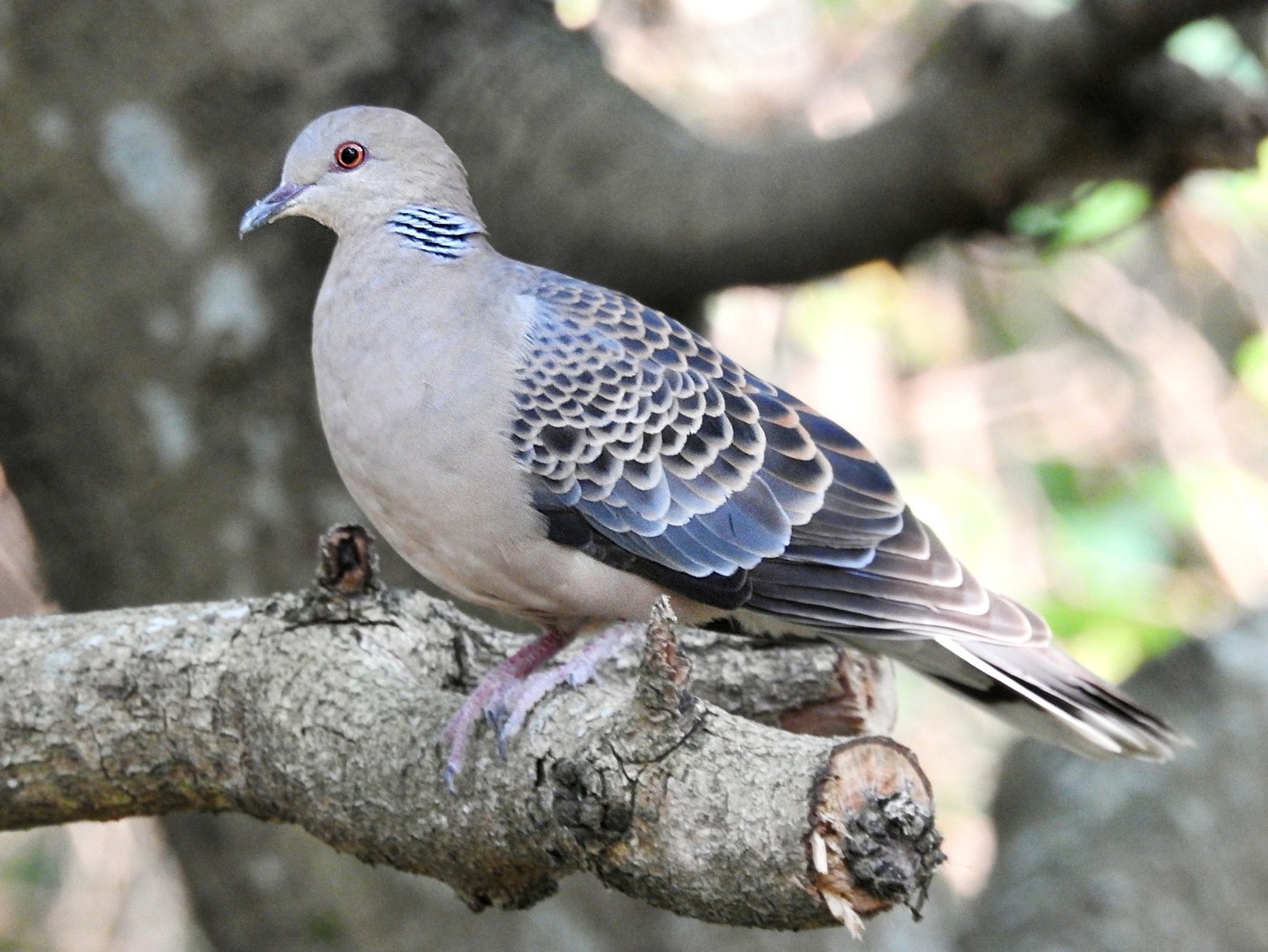
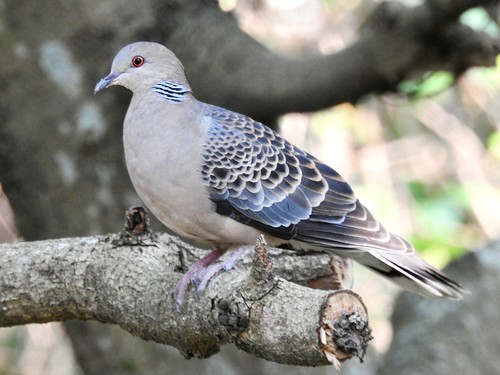
Oriental Turtle Dove
Streptopelia orientalis
A large, richly patterned dove with a scaly, chestnut-and-black back and a distinctive black-and-white striped neck patch.
- Size
- 33-35 cm (13-14 in) long, 50-55 cm wingspan
- Habitat
- forests, farmland, gardens, and parks
- Type
- other
Spotted a bird like this?
Identify any bird from a photo, free.
Overview
The Oriental Turtle Dove is a large, sturdy dove with a warm pinkish-brown body and a strikingly patterned back, where each feather shows a dark center and rufous-chestnut fringe, creating an overall scaly appearance. A patch of black-and-white striped feathers on the side of the neck is a key identifying feature, along with a pale grey rump and a dark tail edged with white.
Common across much of temperate and eastern Asia, it is a familiar sight on wires, rooftops, and in open woodland and farmland, often heard giving its deep, rhythmic cooing before it is seen.
How to identify it
Key field marks
- Scaly-patterned back with rufous-chestnut and black feather markings
- Black-and-white striped patch on the side of the neck
- Pinkish-brown breast fading to paler belly
- Pale grey rump and dark tail with a white terminal band
Similar species
- Spotted Dove is smaller and paler with a black-and-white spotted (not striped) neck patch and lacks the strongly scaled back pattern.
- European Turtle Dove is smaller with a more orange-and-black checkered back and differs in range.
Habitat & range
Habitat
Occupies a wide range of habitats including forests, forest edges, farmland, orchards, gardens, and urban parks.
Range
Widespread across much of temperate and eastern Asia, from the Himalayas and central Asia east through China, Korea, Japan, and southeastern Russia.
Migration
Northern populations are migratory, moving south in winter, while many southern and lowland populations are resident.
Behavior & voice
Behavior
Usually seen singly or in pairs, foraging on the ground for seeds and grain; perches conspicuously on wires, rooftops, and bare branches.
Voice
A deep, rhythmic, repeated cooing, often rendered as "coo-coo, coo-coo," lower and more resonant than that of many other doves.
Feeding
Feeds mainly on seeds and grain, foraging on open ground, farmland, and along roadsides.
Nesting
Builds a flimsy platform nest of twigs in a tree or shrub; lays 2 white eggs.
Frequently asked questions
How do you identify an Oriental Turtle Dove?
Look for a scaly, rufous-and-black patterned back, a pinkish-brown breast, and a black-and-white striped patch on the side of the neck.
How is the Oriental Turtle Dove different from the Spotted Dove?
The Oriental Turtle Dove is larger with a strongly scaled back and a striped neck patch, while the Spotted Dove is smaller, paler, and has a spotted rather than striped neck patch.
What does an Oriental Turtle Dove eat?
Mainly seeds and grain, foraged by walking on open ground.
Where does the Oriental Turtle Dove live?
Across a wide range of temperate and eastern Asia, from central Asia through China, Korea, Japan, and Russia, in forests, farmland, and gardens.
Oriental Turtle Dove guides
In-depth guides for identifying, finding, and understanding Oriental Turtle Dove.
Other birds you may enjoy
Kiwi
35-55 cm (14-22 in) long; roughly chicken-sized
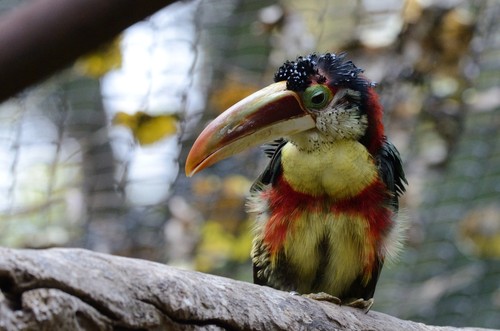
Curl-crested Aracari
41-46 cm (16-18 in) long, including a long bill and tail
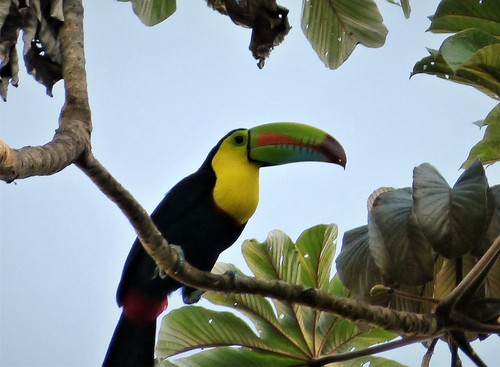
Keel-billed Toucan
42-55 cm (17-22 in) long including bill
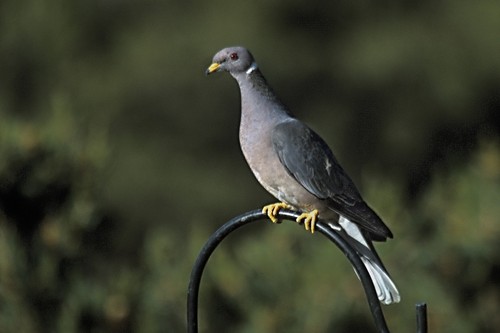
Band-tailed Pigeon
33-38 cm (13-15 in) long, wingspan about 66 cm (26 in)
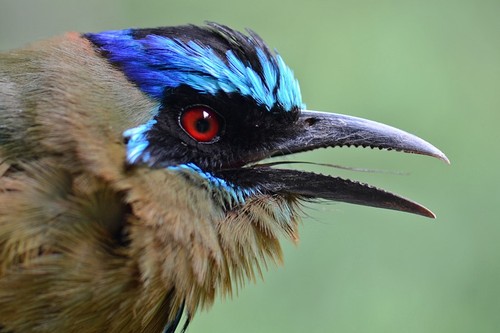
Blue-crowned Motmot
38-43 cm (15-17 in) long including tail
White-tipped Dove
27-30 cm (10.5-12 in) long, 38-43 cm wingspan
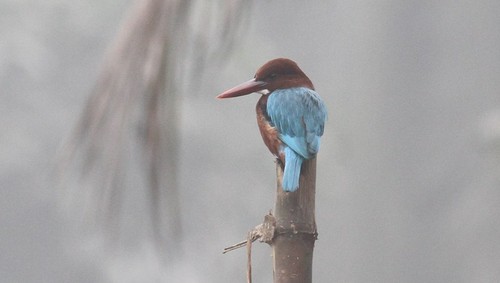
White-throated Kingfisher
27-28 cm (10.5-11 in) long
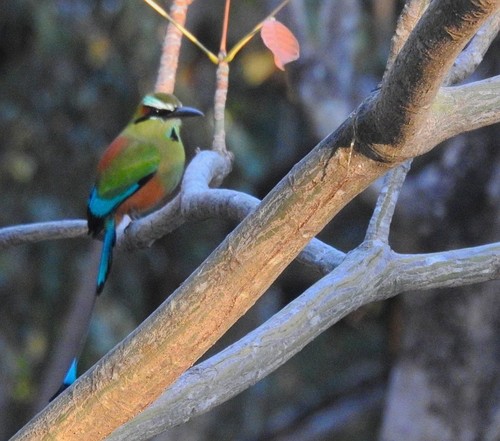
Turquoise-browed Motmot
34 cm (13 in) long including tail
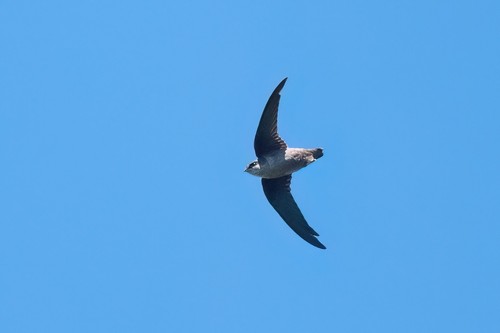
Vaux's Swift
10-12 cm (4-4.5 in) long, 27-30 cm wingspan
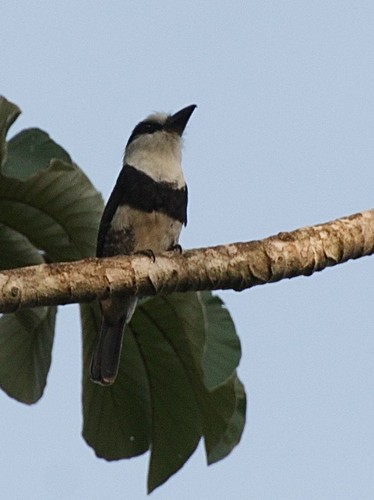
White-necked Puffbird
22-24 cm (8.5-9.5 in) long
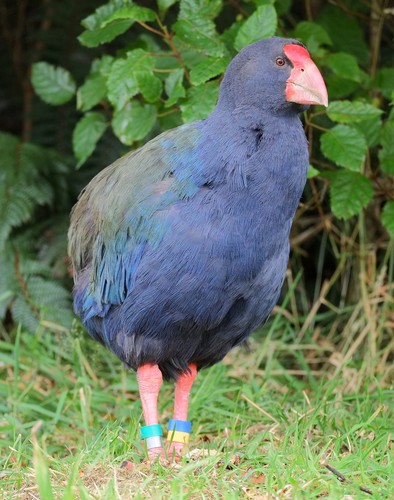
Takahe
50 cm (20 in) long, up to 3.5 kg; flightless
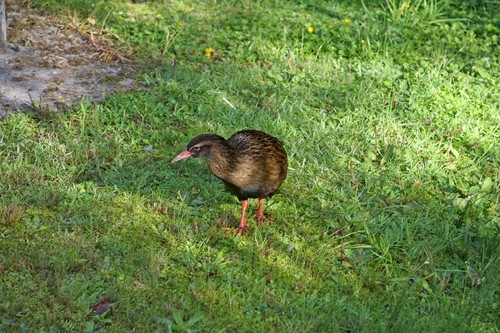
Weka
50-60 cm (20-24 in) long; flightless