
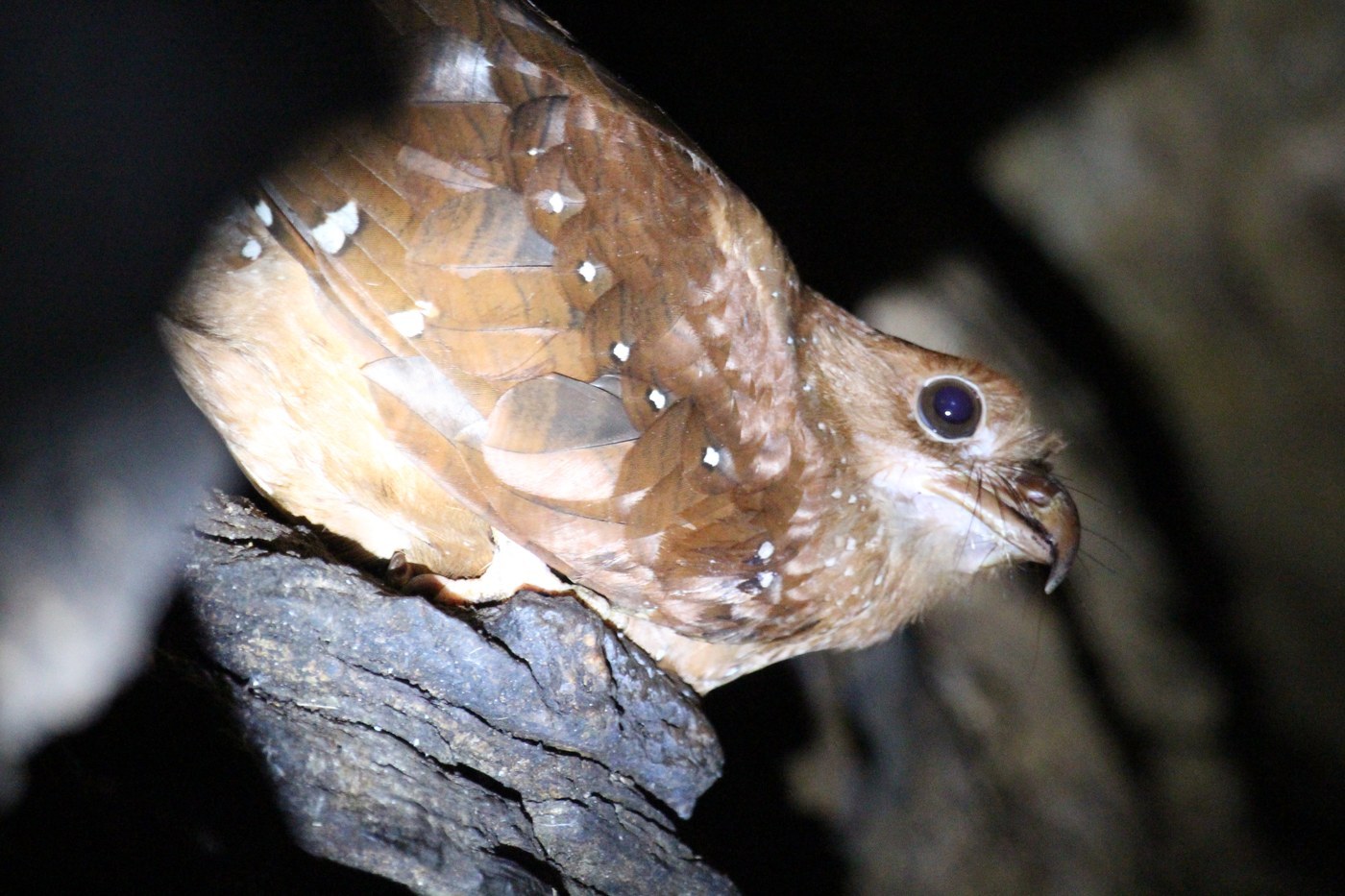
Oilbird
Steatornis caripensis
A unique nocturnal, cave-dwelling fruit-eater that navigates pitch-black caverns using echolocation clicks like a bat.
- Size
- 40-49 cm (16-19 in) long, about 95 cm wingspan
- Habitat
- deep limestone caves for roosting and nesting; forages in humid forest canopy at night
- Type
- other
Spotted a bird like this?
Identify any bird from a photo, free.
Overview
The Oilbird is one of the most unusual birds in the world: a nocturnal, colonial cave-dweller that is entirely fruit-eating, an exceedingly rare combination among birds. It is the only member of its family, Steatornithidae, and its closest relatives are the nightjars and potoos.
Adults are reddish-brown with fine black barring and scattered white spots on the wings and tail, giving a mottled, almost hawk-like appearance in flight. The bird has a strongly hooked bill fringed with stiff bristles, large dark eyes adapted for near-total darkness, and long wings suited to weaving through cave passages and dense forest canopy alike.
Oilbirds nest deep inside caves in large, noisy colonies, and their Spanish name 'guácharo' (wailer) reflects the eerie chorus of screams, clicks, and grunts that echo through their cave roosts.
How to identify it
Key field marks
- Reddish-brown plumage finely barred with black and dotted with small white spots
- Strongly hooked, bristle-fringed bill unlike any songbird
- Long wings and tail giving a hawk-like flight silhouette
- Large eyes reflecting red-orange in torchlight
- Found in dense flocks inside caves, unlike any other bird
Similar species
No other bird shares its combination of nocturnal habits, cave-roosting, and fruit diet. In flight it can superficially recall a large falcon or a potoo, but its cave colonies and distinctive clicking, screaming calls make identification unmistakable once its behavior is observed.
Habitat & range
Habitat
Oilbirds roost and breed colonially in deep, dark limestone caves and rocky crevices, sometimes many kilometers from the caves' entrances. They forage at night in humid lowland and montane forest, seeking out fruiting palms and laurel trees.
Range
The species occurs from Panama and Trinidad through the Andean countries of Colombia, Venezuela, Ecuador, Peru, and Bolivia, with the largest and best-known colonies in Venezuela and Trinidad's Dunston Cave.
Migration
Oilbirds are largely sedentary around their cave roosts, though individuals may fly considerable distances each night, and occasionally over 100 km, to reach productive fruiting trees.
Behavior & voice
Behavior
Oilbirds are the only known nocturnal, echolocating fruit-eating bird. In the total darkness of their cave roosts they navigate using rapid, audible clicks that bounce off cave walls, a form of echolocation similar in principle to that used by bats, though coarser in resolution.
Voice
Colonies produce a constant, unsettling chorus of harsh screams, growls, and clicking calls that echo loudly through cave chambers, audible well outside the cave mouth.
Feeding
They leave their caves after dark to forage on the fruit of oil palms, laurels, and other lipid-rich trees, plucking fruit in flight without landing and sometimes flying long distances between roost and feeding grounds.
Nesting and breeding
Oilbirds nest colonially on ledges deep within caves, building a mound of regurgitated fruit pulp and seeds. Chicks grow extremely fat on the rich fruit diet, historically leading local people to render oil from nestlings, which gave the species its common name.
Frequently asked questions
How does the Oilbird find its way in total darkness?
It emits rapid clicking sounds and listens for the echoes bouncing off cave walls, a crude form of echolocation similar to that used by some bats.
What does the Oilbird eat?
It is almost entirely frugivorous, feeding on the fruit of oil palms, laurels, and other fat-rich trees, plucked in flight at night.
Where does the Oilbird live?
It roosts and nests colonially in deep caves in northern South America and Trinidad, foraging nightly in surrounding forest.
Why is it called the Oilbird?
Its chicks accumulate large fat reserves from their rich fruit diet; the name and Spanish 'guácharo' reference this and the bird's wailing calls.
Is the Oilbird nocturnal?
Yes, it is strictly nocturnal, remaining in dark caves by day and foraging only after nightfall.
Oilbird guides
In-depth guides for identifying, finding, and understanding Oilbird.
Other birds you may enjoy
Kiwi
35-55 cm (14-22 in) long; roughly chicken-sized
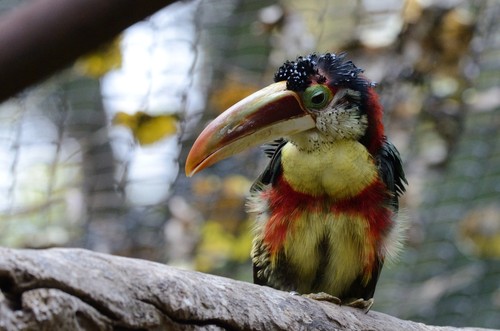
Curl-crested Aracari
41-46 cm (16-18 in) long, including a long bill and tail
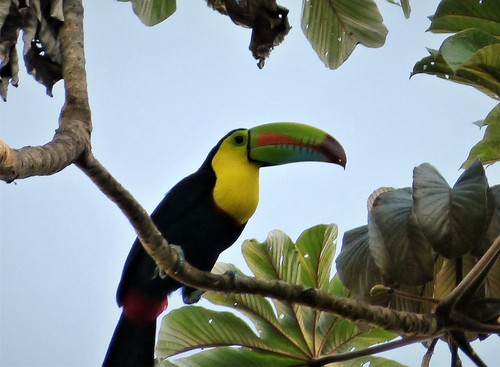
Keel-billed Toucan
42-55 cm (17-22 in) long including bill
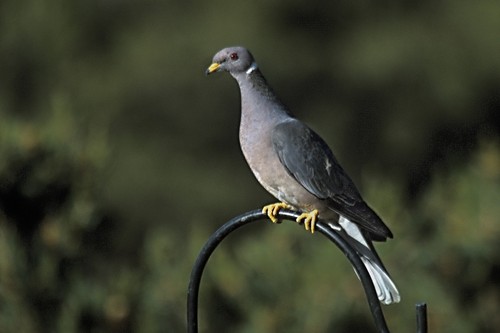
Band-tailed Pigeon
33-38 cm (13-15 in) long, wingspan about 66 cm (26 in)
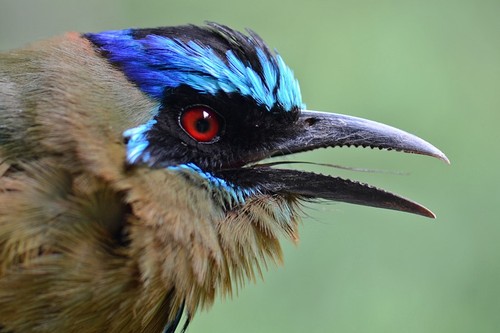
Blue-crowned Motmot
38-43 cm (15-17 in) long including tail
White-tipped Dove
27-30 cm (10.5-12 in) long, 38-43 cm wingspan
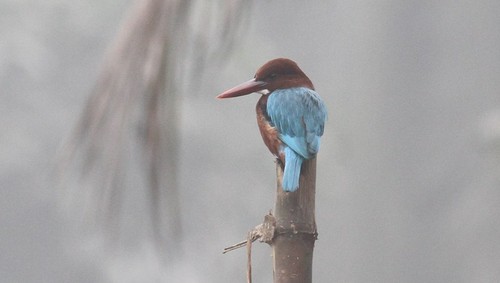
White-throated Kingfisher
27-28 cm (10.5-11 in) long
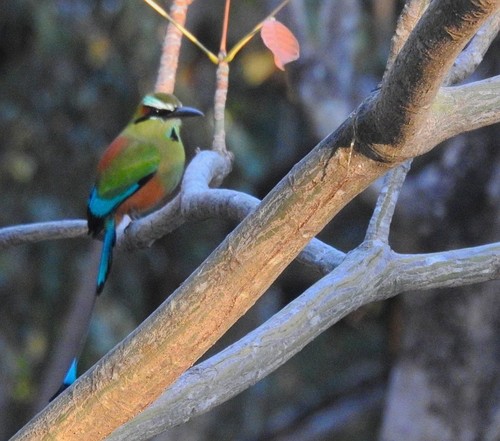
Turquoise-browed Motmot
34 cm (13 in) long including tail
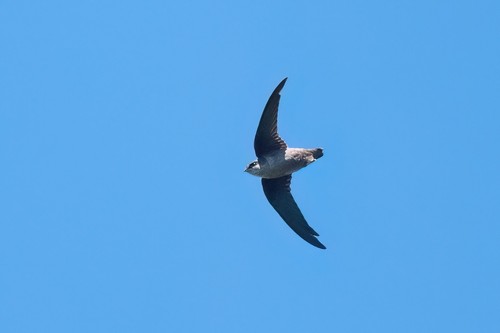
Vaux's Swift
10-12 cm (4-4.5 in) long, 27-30 cm wingspan
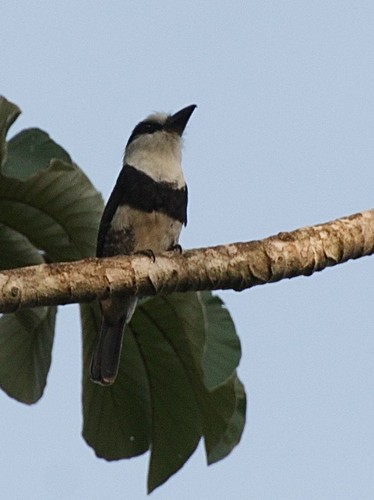
White-necked Puffbird
22-24 cm (8.5-9.5 in) long
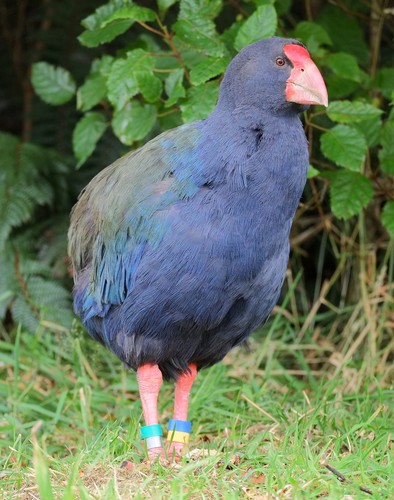
Takahe
50 cm (20 in) long, up to 3.5 kg; flightless
Weka
50-60 cm (20-24 in) long; flightless