
New Zealand Pigeon
Hemiphaga novaeseelandiae
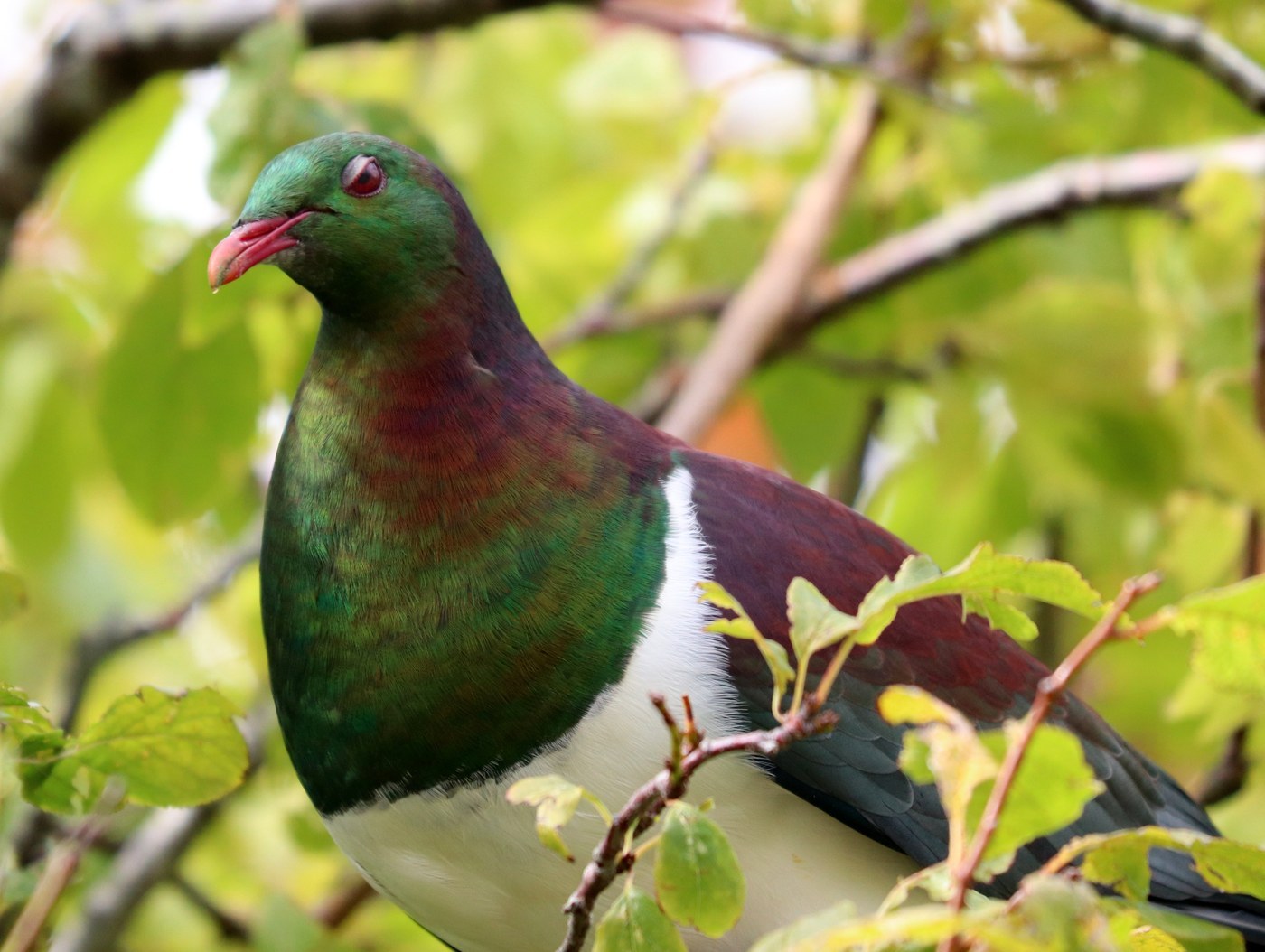
A large, iridescent New Zealand forest pigeon with a metallic green-bronze head and back and a pure white breast, an important disperser of seeds from large native fruiting trees.
- Size
- 51 cm (20 in) long
- Habitat
- native forest throughout New Zealand, including urban parks and gardens near forest
- Type
- other
Spotted a bird like this?
Identify any bird from a photo, free.
Overview
The New Zealand Pigeon, known widely by its Maori name kereru, is one of the largest pigeons in the world and among the most visually striking birds in New Zealand's forests. Its head, neck, and upperparts shimmer with iridescent green, bronze, and purple in the light, while the breast and belly are a clean, contrasting white.
Kereru have a heavy, direct flight with audible whooshing wingbeats, and their bulk allows them to swallow large native fruits whole that no other surviving New Zealand bird can manage, making them essential seed dispersers for trees such as karaka, taraire, and miro. Once heavily hunted, they are now fully protected, and their calm, unhurried presence in forest canopies and increasingly in urban gardens makes them a much-loved sight.
How to identify it
Key field marks
- Large, bulky pigeon shape, notably bigger than introduced pigeons and doves
- Iridescent green-bronze-purple head, neck, and upperparts
- Sharply contrasting pure white breast and belly
- Red bill with an orange tip, and red legs
- Loud, whooshing wingbeats in flight
Similar species
- No other New Zealand bird approaches its combination of large size, iridescent green upperparts, and white breast; introduced Rock Pigeons and doves are smaller, greyer, and lack the metallic sheen.
Habitat & range
Range
Found throughout the North, South, and Stewart Islands of New Zealand wherever suitable forest remains, plus a distinct, now very rare subspecies (the Chatham Island Pigeon or parea) on the Chatham Islands.
Habitat
Inhabits native forest of many types, from lowland broadleaf-podocarp forest to beech forest, and increasingly forages in urban parks and gardens with fruiting or flowering trees near forest remnants.
Migration
Generally sedentary but makes local nomadic movements tracking the fruiting and flowering of key food trees, sometimes concentrating temporarily where food is abundant.
Behavior & voice
Behavior
Usually seen alone or in pairs perched conspicuously in the canopy, or in loose aggregations at abundant fruiting trees; flight is powerful and direct with characteristic loud wingbeats, and birds sometimes perform swooping display flights.
Voice
A soft, low "kuu" or coo, along with the distinctive whooshing sound of its wings in flight, which often announces its presence before it is seen.
Feeding
Feeds on fruit, leaves, buds, and flowers, and is uniquely able among surviving New Zealand birds to swallow very large native fruits whole, making it a critical disperser of seeds for several large-fruited native trees.
Nesting
Builds a flimsy platform nest of twigs in a tree; the female lays a single white egg, and both parents share incubation and later feed the chick a nutrient-rich crop secretion known as "pigeon milk."
Frequently asked questions
Why is the kereru important to New Zealand forests?
It is the only surviving native bird large enough to swallow the biggest native fruits whole, making it essential for dispersing the seeds of trees such as karaka, taraire, and miro.
Is it legal to hunt kereru in New Zealand?
No, the New Zealand Pigeon has been fully protected by law since the early twentieth century, and hunting it is illegal.
Why do you sometimes hear a kereru before you see it?
Its heavy body and broad wings produce a loud, distinctive whooshing sound in flight, often audible well before the bird comes into view.
What is the Chatham Island form of the kereru called?
It is known as the parea, a distinct and much rarer subspecies found only on the Chatham Islands.
New Zealand Pigeon guides
In-depth guides for identifying, finding, and understanding New Zealand Pigeon.
Other birds you may enjoy
Kiwi
35-55 cm (14-22 in) long; roughly chicken-sized
Curl-crested Aracari
41-46 cm (16-18 in) long, including a long bill and tail
Keel-billed Toucan
42-55 cm (17-22 in) long including bill
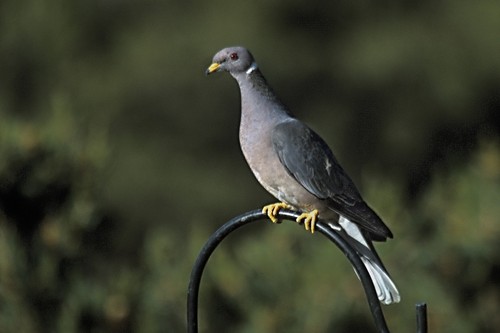
Band-tailed Pigeon
33-38 cm (13-15 in) long, wingspan about 66 cm (26 in)
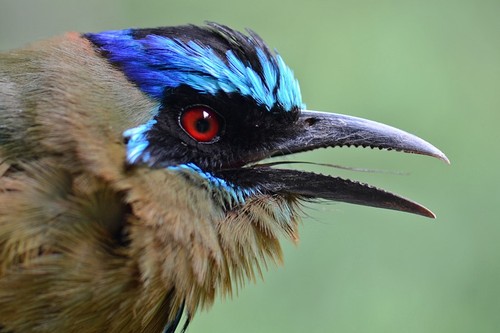
Blue-crowned Motmot
38-43 cm (15-17 in) long including tail
White-tipped Dove
27-30 cm (10.5-12 in) long, 38-43 cm wingspan
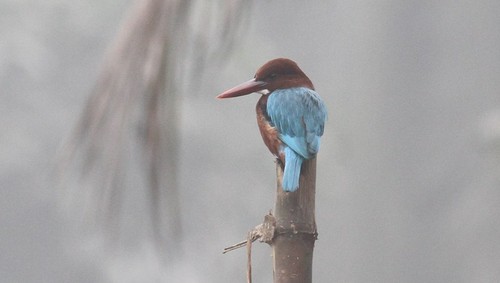
White-throated Kingfisher
27-28 cm (10.5-11 in) long
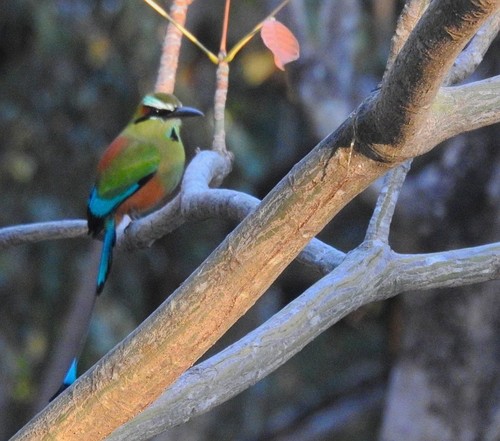
Turquoise-browed Motmot
34 cm (13 in) long including tail
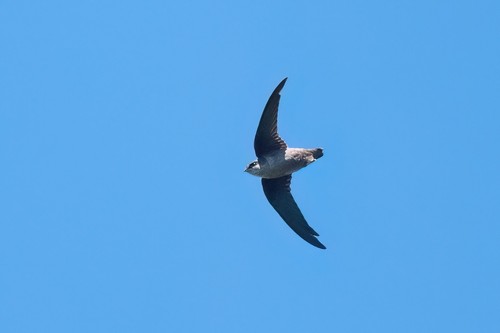
Vaux's Swift
10-12 cm (4-4.5 in) long, 27-30 cm wingspan
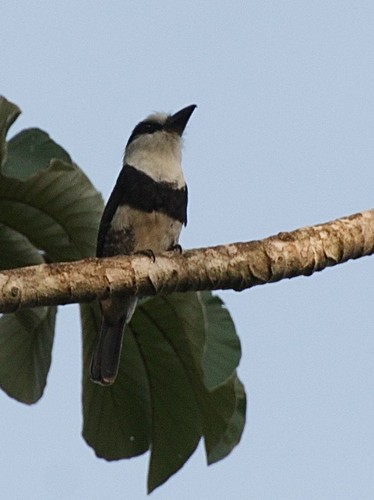
White-necked Puffbird
22-24 cm (8.5-9.5 in) long
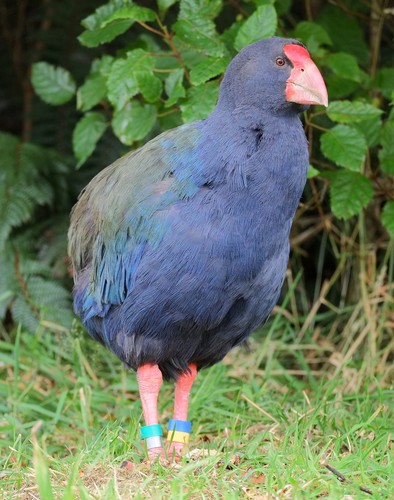
Takahe
50 cm (20 in) long, up to 3.5 kg; flightless
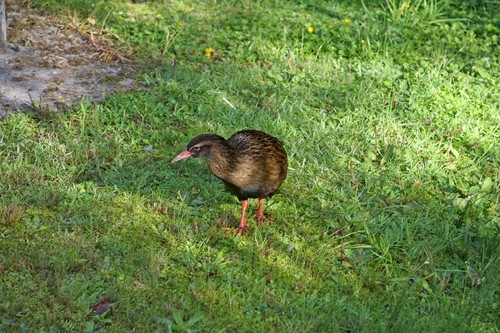
Weka
50-60 cm (20-24 in) long; flightless