
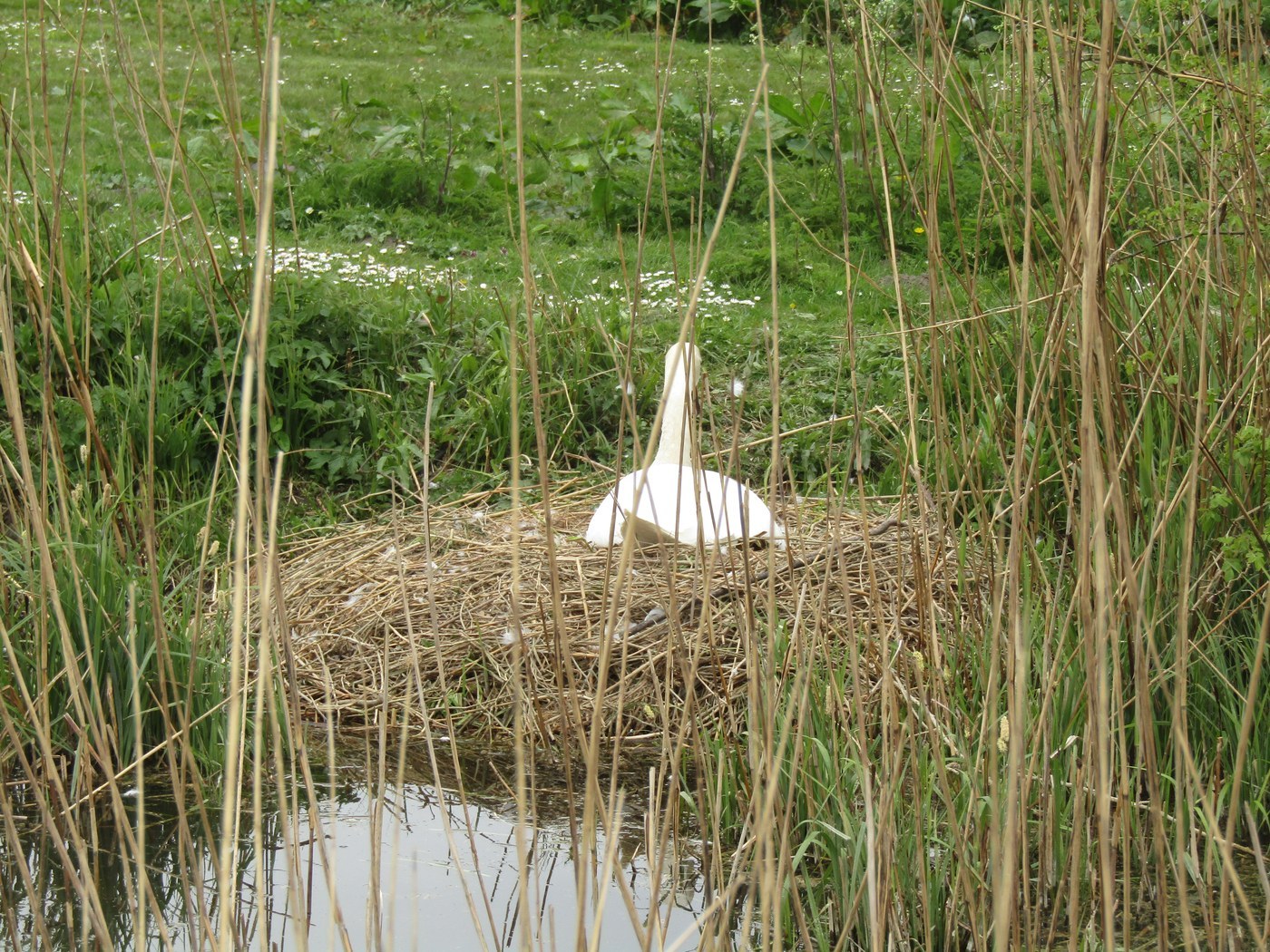
Mute Swan
Cygnus olor
A large, all-white swan with an orange bill and black knob, famous for its graceful, S-curved neck and elegant presence on lakes and parks.
- Size
- 125-170 cm (49-67 in) long, 200-240 cm wingspan
- Habitat
- lakes, ponds, slow rivers, and parks in temperate regions
- Type
- waterfowl
Spotted a bird like this?
Identify any bird from a photo, free.
Overview
The Mute Swan is one of the world's largest waterfowl, entirely white as an adult with a distinctively curved, S-shaped neck often held with the bill angled downward. The orange-red bill bears a prominent black basal knob, larger and more developed in males, and black facial skin extends from the base of the bill to the eye.
Despite its name, the Mute Swan is not silent; it simply lacks the loud trumpeting or whooping calls of other swan species, communicating instead with softer grunts, hisses, and a distinctive throbbing wingbeat audible in flight.
How to identify it
Key field marks
- All-white adult plumage
- Orange-red bill with a black knob at the base, larger in males
- Neck habitually held in a graceful S-curve, bill often pointed down
- Wings sometimes raised in an arched "busking" display when threatened
Similar species
- Trumpeter Swan and Tundra Swan: both have all-black bills without an orange base or knob, and hold their necks straighter
- Whooper Swan: has a yellow-and-black bill and a straighter neck posture
The orange knobbed bill and curved neck posture make the Mute Swan easy to separate from all other swan species.
Habitat & range
Range and habitat
Native to temperate Europe and Asia, the Mute Swan has also been widely introduced to North America, Australia, New Zealand, and southern Africa, where it now breeds on lakes, ponds, slow rivers, and coastal lagoons, frequently in urban parks and estates.
Migration
Most populations are largely resident or make only short-distance movements to avoid freezing water, though northern and eastern European populations undertake longer migrations to ice-free wintering areas.
Behavior & voice
Behavior
Mute Swans are strongly territorial during the breeding season, with pairs vigorously defending nesting areas against other swans, waterfowl, and even people, often performing an aggressive wing-arching "busking" display while swimming toward an intruder.
Voice
Vocalizations include grunts, hisses, and snorts rather than loud calls; in flight, the wings produce a distinctive rhythmic throbbing or humming sound audible from a distance.
Feeding
They feed mainly by upending or dabbling to reach submerged aquatic plants, and also graze on waterside grasses and occasionally take small invertebrates.
Nesting and breeding
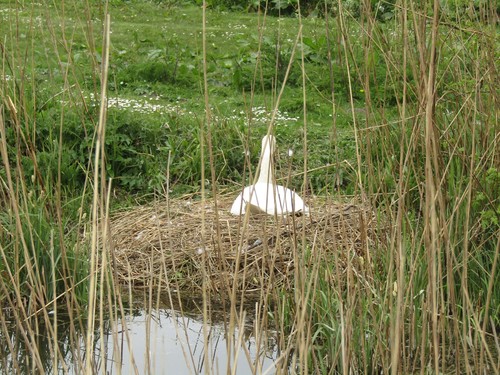
Pairs, which mate for life, build a large mounded nest of reeds and vegetation at the water's edge; the female incubates five to eight eggs while the male guards nearby, and both parents fiercely protect the cygnets after hatching.
Frequently asked questions
Is the Mute Swan really mute?
No, it can hiss, grunt, and snort, but it lacks the loud honking or trumpeting calls of other swan species, which is how it earned its name.
How do you tell a Mute Swan from other white swans?
Look for the orange-red bill with a black basal knob and the characteristic S-curved neck, features not shared by the black-billed Trumpeter and Tundra Swans or the yellow-billed Whooper Swan.
Is the Mute Swan native to North America?
No, it is native to Europe and Asia and was introduced to North America in the 19th and 20th centuries, where it is now considered invasive in some regions.
Are Mute Swans aggressive?
They can be very territorial and aggressive, especially when defending a nest or cygnets, often hissing and charging at perceived threats.
Do Mute Swans mate for life?
Yes, they typically form long-term monogamous pair bonds that can last for many years or life.
Mute Swan guides
In-depth guides for identifying, finding, and understanding Mute Swan.
Other birds you may enjoy
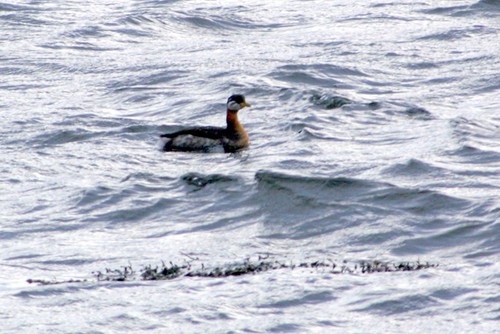
Red-necked Grebe
40-55 cm (16-22 in) long, 77-85 cm wingspan
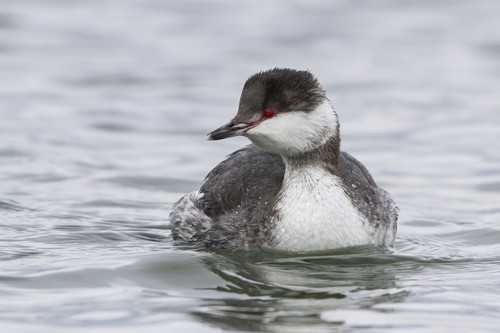
Horned Grebe
31-38 cm (12-15 in) long, 46-55 cm wingspan
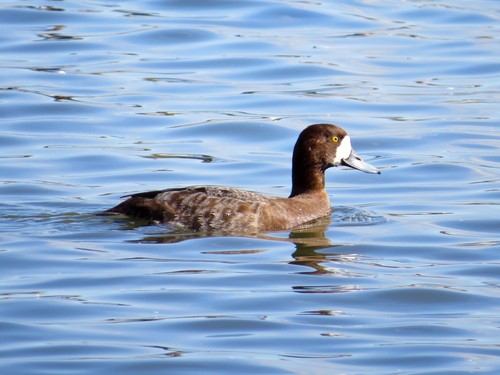
Greater Scaup
42-51 cm (16.5-20 in) long, 71-84 cm wingspan
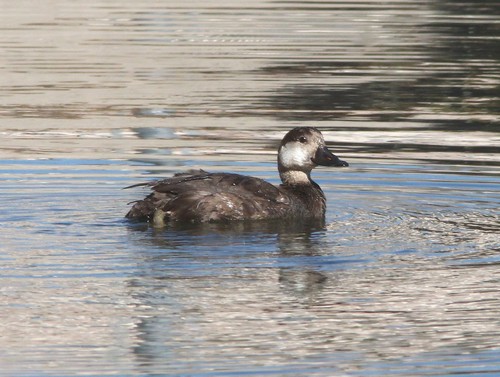
Black Scoter
43-54 cm (17-21 in) long, 79-90 cm wingspan
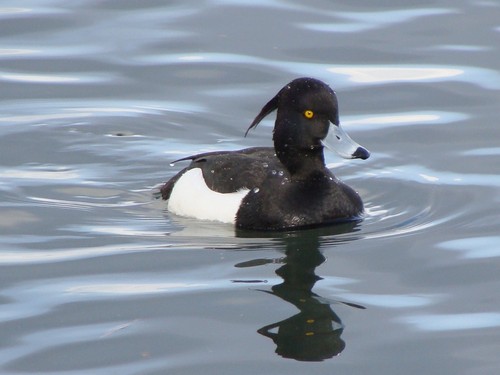
Tufted Duck
40-47 cm (16-18.5 in) long, 67-73 cm wingspan
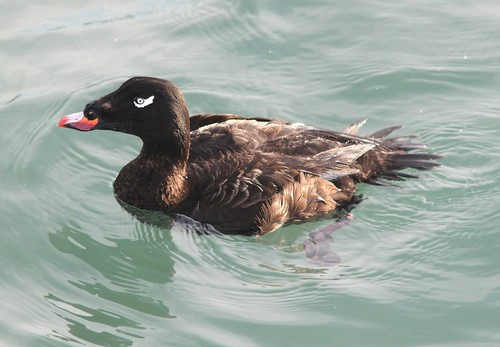
White-winged Scoter
48-58 cm (19-23 in) long, 86-99 cm wingspan
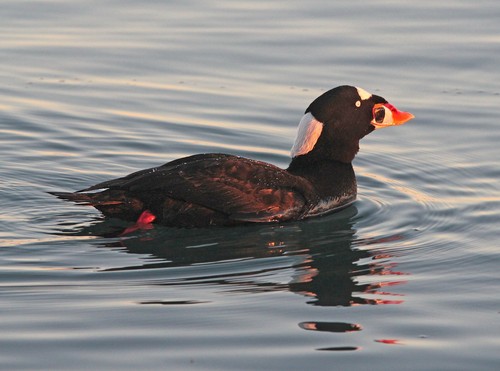
Surf Scoter
45-56 cm (18-22 in) long, 78-92 cm wingspan
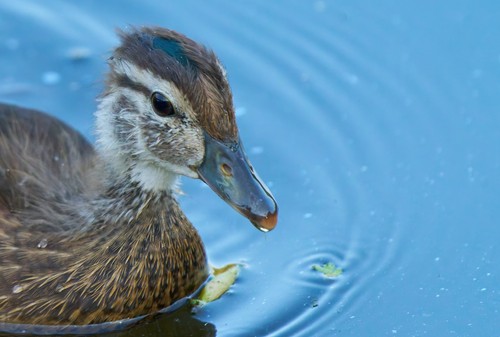
Wood Duck
47-54 cm (18.5-21 in) long, 66-73 cm wingspan
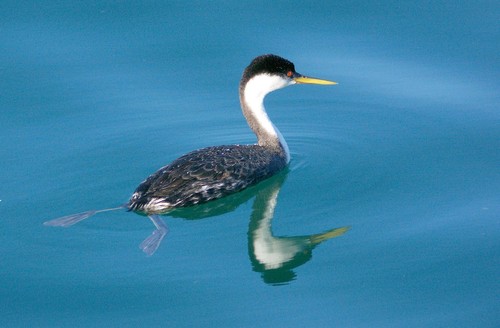
Western Grebe
56-74 cm (22-29 in) long, 79-102 cm wingspan
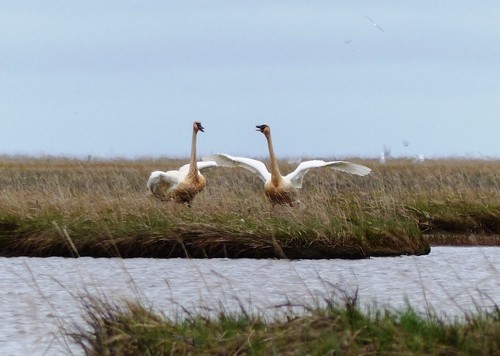
Tundra Swan
115-150 cm (45-59 in) long, about 180 cm wingspan
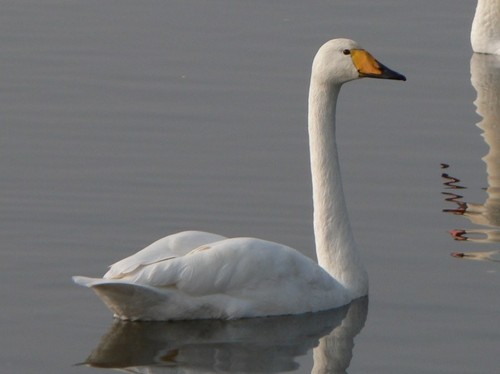
Whooper Swan
140-165 cm (55-65 in) long, 205-235 cm wingspan
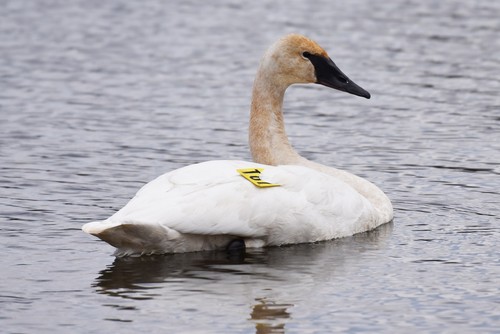
Trumpeter Swan
150-180 cm (59-71 in) long, up to 300 cm wingspan