
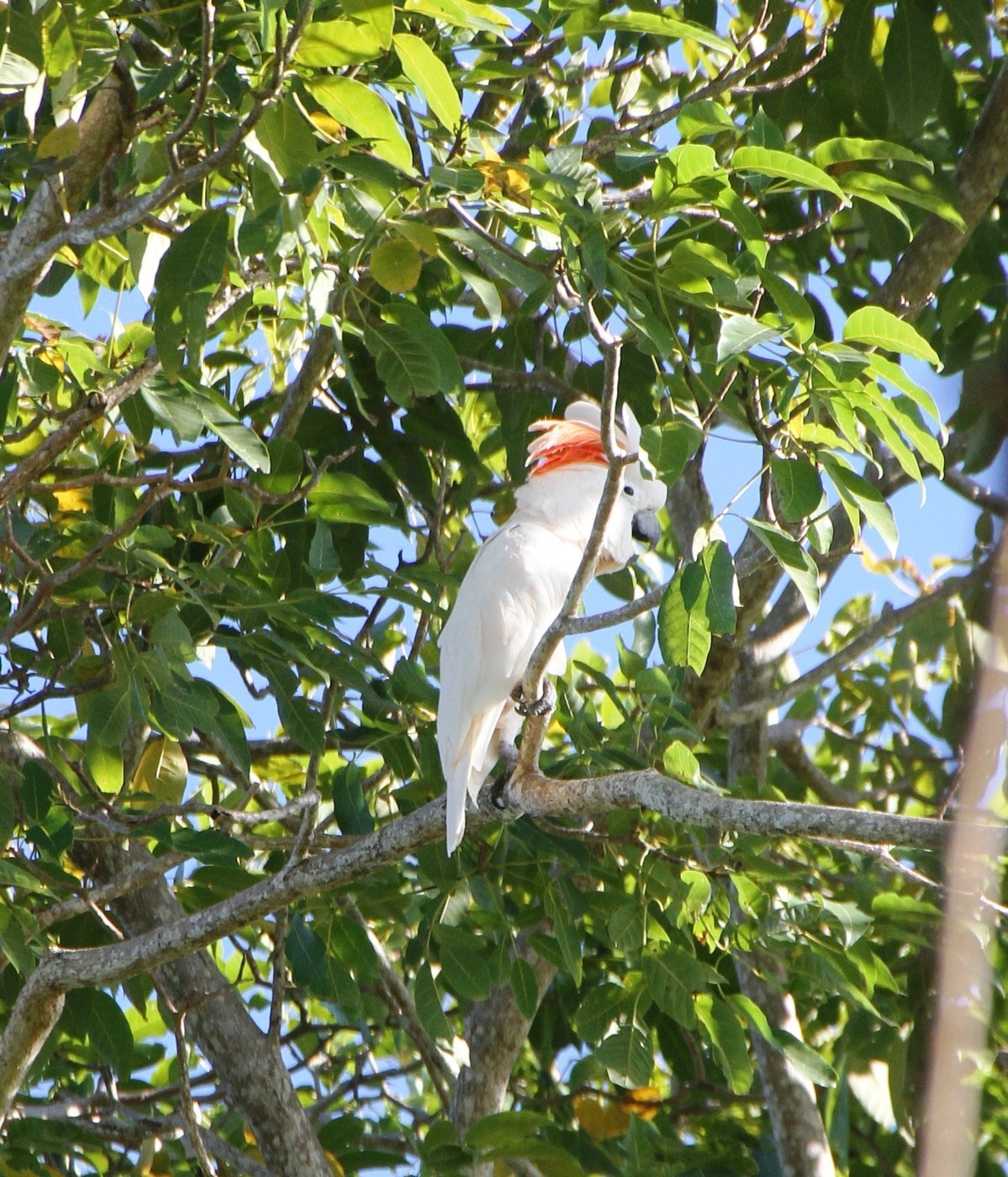
Moluccan Cockatoo
Cacatua moluccensis
A large Indonesian cockatoo with soft white-to-salmon-pink plumage and a spectacular salmon-colored crest.
- Size
- About 50 cm (20 in) long
- Habitat
- Lowland tropical rainforest and forest edge
- Type
- parrot
Spotted a bird like this?
Identify any bird from a photo, free.
Overview
The Moluccan Cockatoo, also known as the Salmon-crested Cockatoo, is a large parrot endemic to the island of Seram and nearby smaller islands in the Moluccas of Indonesia. It is well known for its soft pink-tinged plumage and dramatic crest.
Appearance
The body plumage is mostly white with a distinct salmon-pink wash, particularly visible on the crest, face, and underparts, becoming more pronounced under the wings and tail. The crest is composed of long, broad feathers ranging from pale pink to deep salmon-orange, which fan upward and forward when raised. The bill is large, black, and heavy, and bare skin around the eye is pale bluish-white.
General Impression
Among the largest of the white cockatoos, the Moluccan Cockatoo has a soft, warm-toned appearance in good light that distinguishes it from purely white relatives, and it is often seen in pairs moving through the forest canopy.
How to identify it
Key Field Marks
- Large cockatoo with white plumage strongly washed in salmon-pink
- Salmon to deep orange-pink crest, fanned when displaying
- Large black bill
- Pale bluish-white bare skin around the eye
Similar Species
- Umbrella Cockatoo is purely white with little to no pink tinge and a broader, rounder white crest.
- Sulphur-crested Cockatoo has a narrow yellow (not pink) crest and a yellow wash under the wings.
- Galah shows much deeper rose-pink underparts and a contrasting grey back, unlike the mostly white-and-salmon Moluccan Cockatoo.
The warm salmon-pink tone, especially visible in the crest and underwing, is the best identifying feature.
Habitat & range
Range
Endemic to Seram and a few adjacent smaller islands in the Moluccas (Maluku) region of Indonesia.
Habitat
Inhabits lowland and hill tropical rainforest, generally below about 1,000 meters elevation, favoring primary and tall secondary forest.
Movements
Non-migratory; restricted to forested habitat on its native islands, with local movements tracking fruiting trees.
Behavior & voice
Social Behavior
Typically seen in pairs or small groups, occasionally gathering in larger numbers at fruiting trees or communal roosts.
Voice
Gives loud, far-carrying screeches and screams typical of large cockatoos, especially in flight or when alarmed.
Feeding
Feeds on fruit, nuts, seeds, and berries gathered from the forest canopy, using its powerful bill to open hard-shelled foods.
Nesting and Breeding
Nests in large hollows of tall, mature forest trees, a resource made scarcer by logging. Clutches typically contain two eggs, incubated by both parents for around 28 to 30 days. Because of its dependence on undisturbed forest and past heavy trapping for the pet trade, wild populations have declined substantially.
Frequently asked questions
What makes the Moluccan Cockatoo distinctive?
Its soft white plumage washed with salmon-pink, especially in its large fan-shaped crest, sets it apart from other white cockatoos.
Where is the Moluccan Cockatoo found?
It is endemic to the island of Seram and a few nearby smaller islands in the Moluccas of Indonesia.
Is the Moluccan Cockatoo endangered?
It is listed as Vulnerable, having declined due to habitat loss and historical capture for the pet trade.
How is the Moluccan Cockatoo different from the Umbrella Cockatoo?
The Moluccan Cockatoo shows a salmon-pink wash to its plumage and crest, while the Umbrella Cockatoo is purely white with a broader white crest.
What does the Moluccan Cockatoo eat?
Mainly fruit, nuts, seeds, and berries from rainforest trees.
Moluccan Cockatoo guides
In-depth guides for identifying, finding, and understanding Moluccan Cockatoo.
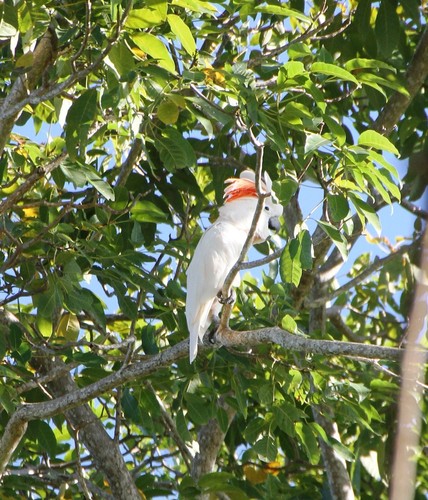
Other birds you may enjoy
Eclectus Parrot
35-42 cm (14-16.5 in) long
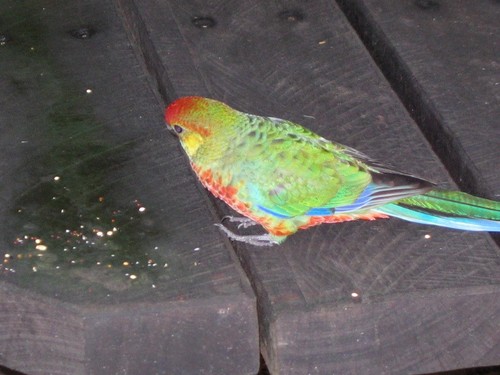
Western Rosella
25-30 cm (10-12 in) long
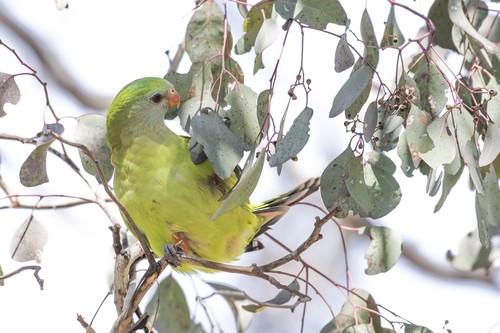
Superb Parrot
About 40 cm (16 in) long including a long tail
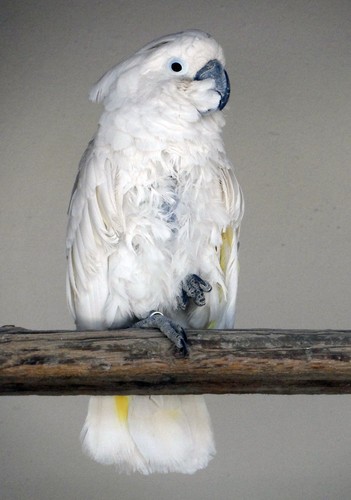
Umbrella Cockatoo
About 46 cm (18 in) long
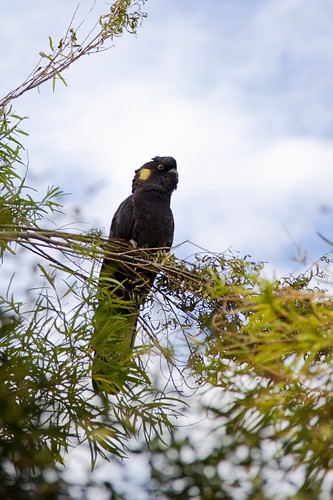
Yellow-tailed Black Cockatoo
55-65 cm long; wingspan up to about 130 cm
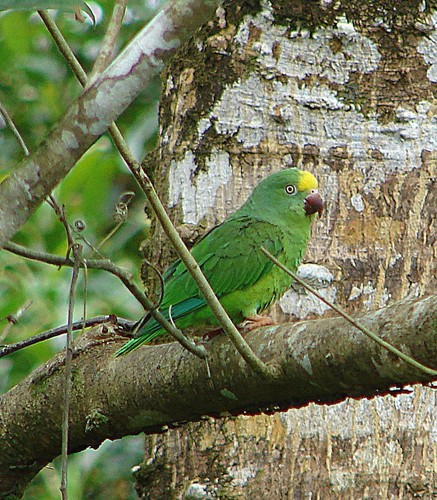
Yellow-crowned Amazon
About 35-38 cm (14-15 in) long
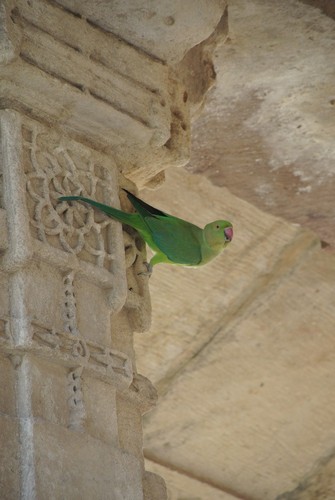
Rose-ringed Parakeet
40 cm (16 in) long including long tail
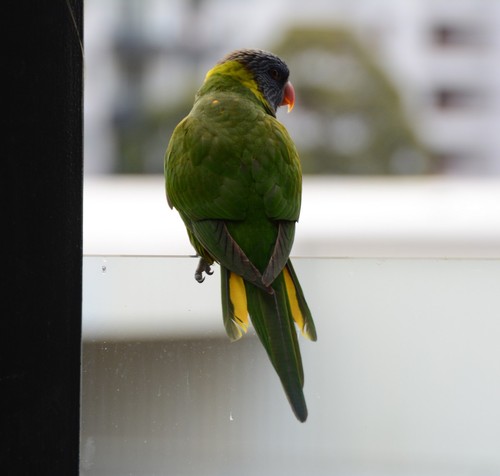
Rainbow Lorikeet
25-30 cm (10-12 in) long
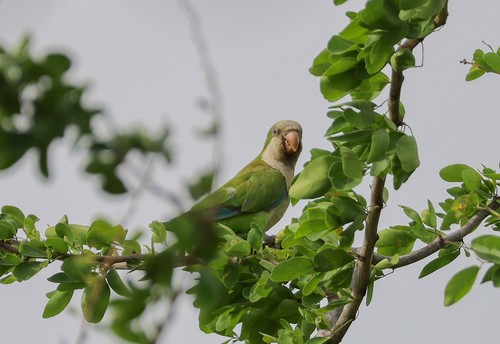
Quaker Parrot
28-31 cm (11-12 in) long
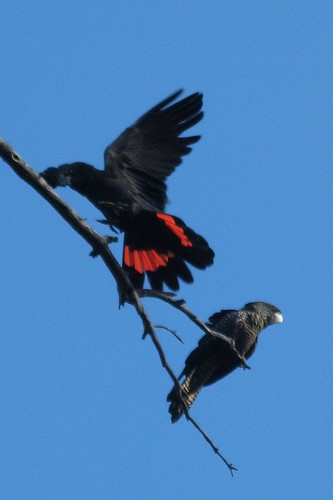
Red-tailed Black Cockatoo
55-65 cm long
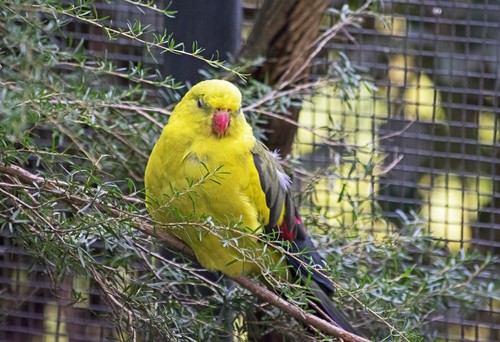
Regent Parrot
37-42 cm (15-17 in) long, including a long tail
Plum-headed Parakeet
33 cm (13 in) long including tail