
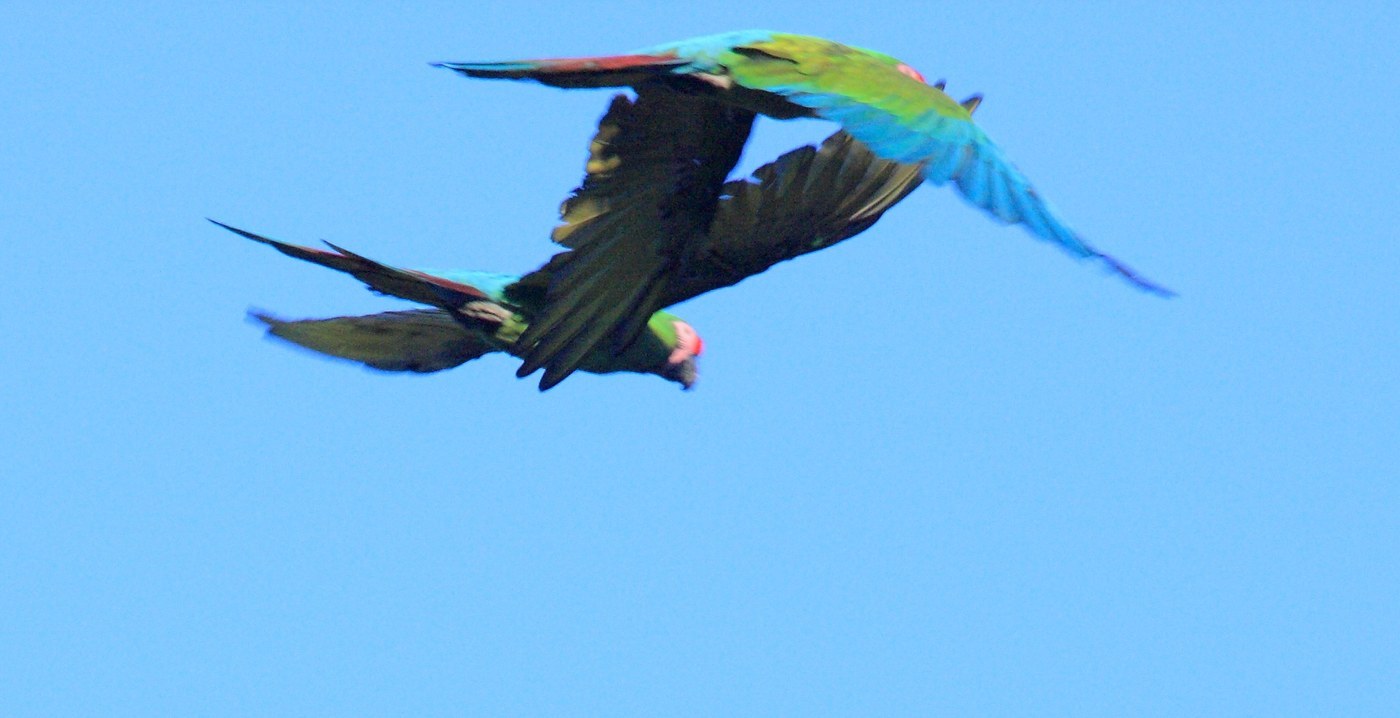
Military Macaw
Ara militaris
A mostly green macaw with a red forehead patch, found in mountainous forest and river canyons from Mexico south to Argentina.
- Size
- 70-80 cm (28-31 in) long including tail; wingspan approx. 90-100 cm
- Habitat
- Subtropical and tropical forest, foothill canyons, and pine-oak woodland
- Type
- parrot
Spotted a bird like this?
Identify any bird from a photo, free.
Overview
The Military Macaw is a medium-large, mostly green macaw named for its olive-green plumage reminiscent of a military uniform. It occupies a broad but patchy range through montane and foothill regions from Mexico to Argentina.
The body is olive to grass-green, with the crown and rump showing brighter blue, and a distinctive red patch on the forehead above the bill. The tail is reddish-brown above with a blue tip, contrasting with olive-yellow underneath. The bare facial skin is whitish with fine dark feather lines, similar in pattern to other Ara macaws.
How to identify it
Key field marks
- Predominantly olive-green body plumage
- Red patch on the forehead
- Blue rump and blue-tipped tail
- Bare whitish face with thin dark feather lines
Similar species
The Military Macaw can resemble the Great Green (Buffon's) Macaw, which is larger, paler yellowish-green, and has a reddish rather than blue-tipped tail overall. Range and habitat, particularly the Military Macaw's association with foothill canyons, also help separate the two where ranges approach.
Habitat & range
Range
The Military Macaw has a highly disjunct distribution from western Mexico south through Central America to Colombia, Venezuela, Ecuador, Peru, Bolivia, and northern Argentina.
Habitat
It favors subtropical and tropical forest along foothill canyons and river gorges, as well as pine-oak woodland at moderate elevations, often roosting and nesting on steep cliff faces.
Movements
Generally sedentary, though flocks may move seasonally to track fruiting trees, and can travel considerable daily distances between roosting cliffs and feeding areas.
Behavior & voice
Social behavior
Military Macaws are typically seen in pairs or small flocks, often gathering in larger numbers at cliff roosts, which can be spectacular at dawn and dusk as birds fly to and from ledges.
Voice
Calls are loud, harsh, raucous squawks and screeches, typical of large macaws, given especially in flight.
Feeding
They forage in trees for fruits, nuts, and seeds, including unripe seeds that most other animals avoid, using their strong bill to break tough husks.
Nesting and breeding
Pairs typically nest in cavities or crevices on steep cliff faces, and occasionally in large tree hollows, laying 2-3 eggs. They form long-term pair bonds and defend nest sites vigorously against intruders.
Frequently asked questions
Why is it called the Military Macaw?
Its olive-green body plumage resembles the color of certain military uniforms, giving rise to the common name.
Where do Military Macaws live?
They occupy scattered populations from western Mexico south through Central America into parts of South America, favoring foothill canyons and montane forest.
How do you distinguish a Military Macaw from a Great Green Macaw?
The Military Macaw is smaller and darker olive-green with a blue-tipped tail, while the Great Green Macaw is larger, paler yellowish-green, with a more extensively reddish tail.
Why is the Military Macaw Vulnerable?
Habitat loss and historical capture for the pet trade have fragmented and reduced populations across its disjunct range.
Where do Military Macaws nest?
They most often nest in cavities and crevices on steep cliff faces, though they will also use large tree hollows where available.
Military Macaw guides
In-depth guides for identifying, finding, and understanding Military Macaw.
Other birds you may enjoy
Eclectus Parrot
35-42 cm (14-16.5 in) long
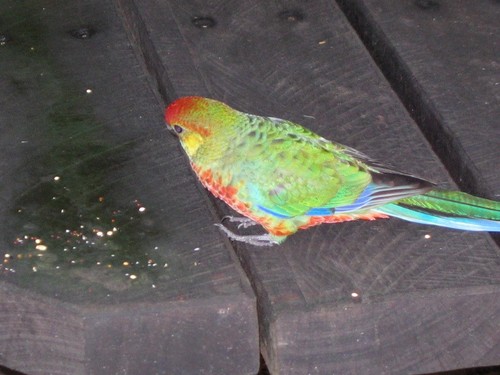
Western Rosella
25-30 cm (10-12 in) long
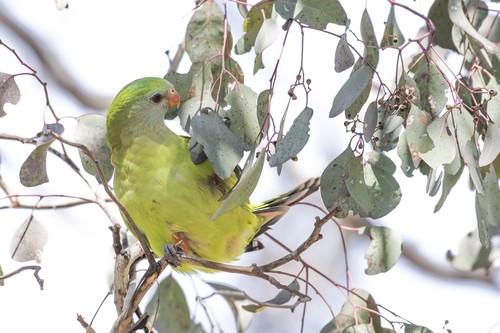
Superb Parrot
About 40 cm (16 in) long including a long tail
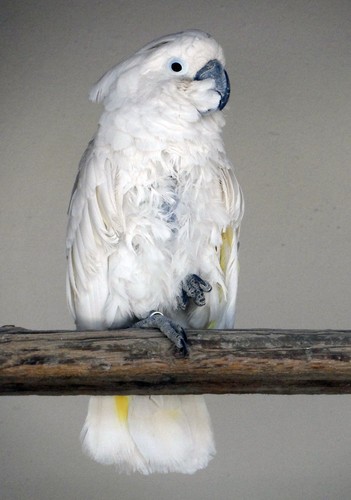
Umbrella Cockatoo
About 46 cm (18 in) long
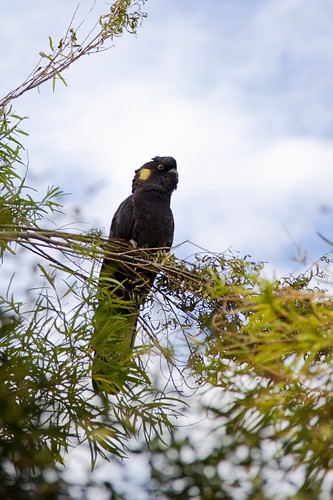
Yellow-tailed Black Cockatoo
55-65 cm long; wingspan up to about 130 cm
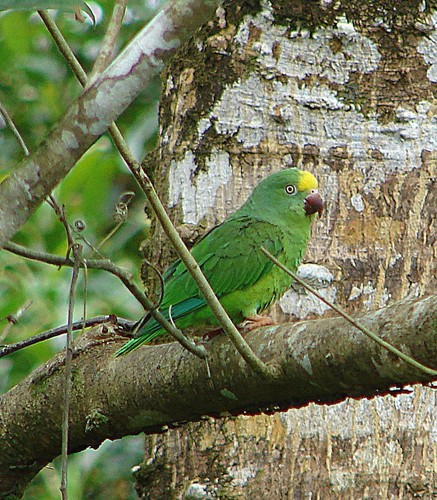
Yellow-crowned Amazon
About 35-38 cm (14-15 in) long
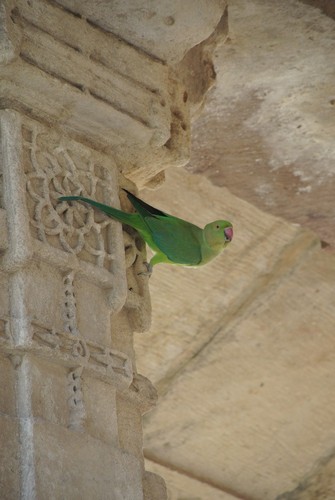
Rose-ringed Parakeet
40 cm (16 in) long including long tail
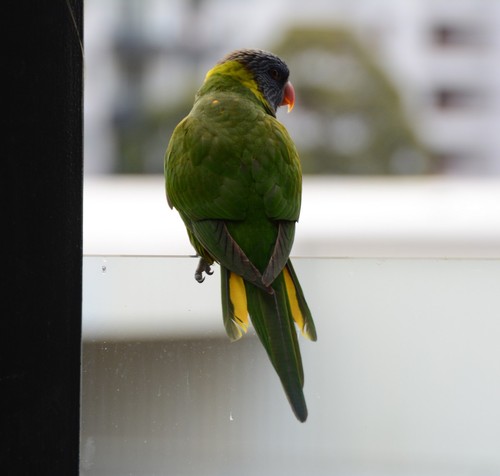
Rainbow Lorikeet
25-30 cm (10-12 in) long
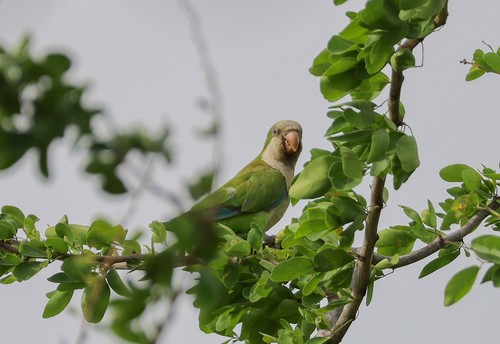
Quaker Parrot
28-31 cm (11-12 in) long
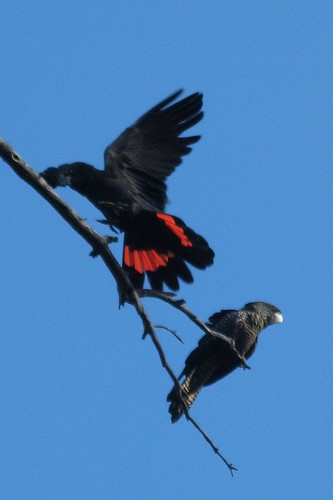
Red-tailed Black Cockatoo
55-65 cm long
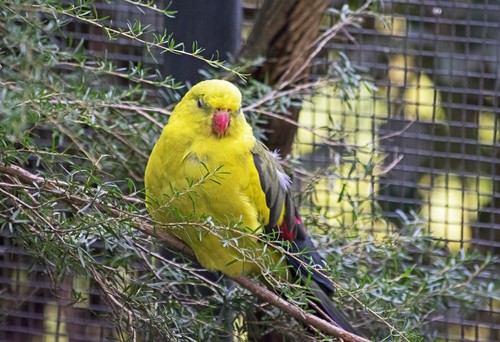
Regent Parrot
37-42 cm (15-17 in) long, including a long tail
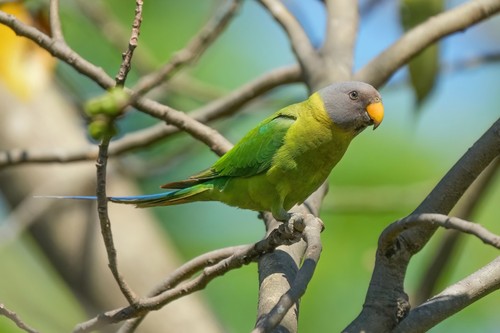
Plum-headed Parakeet
33 cm (13 in) long including tail