
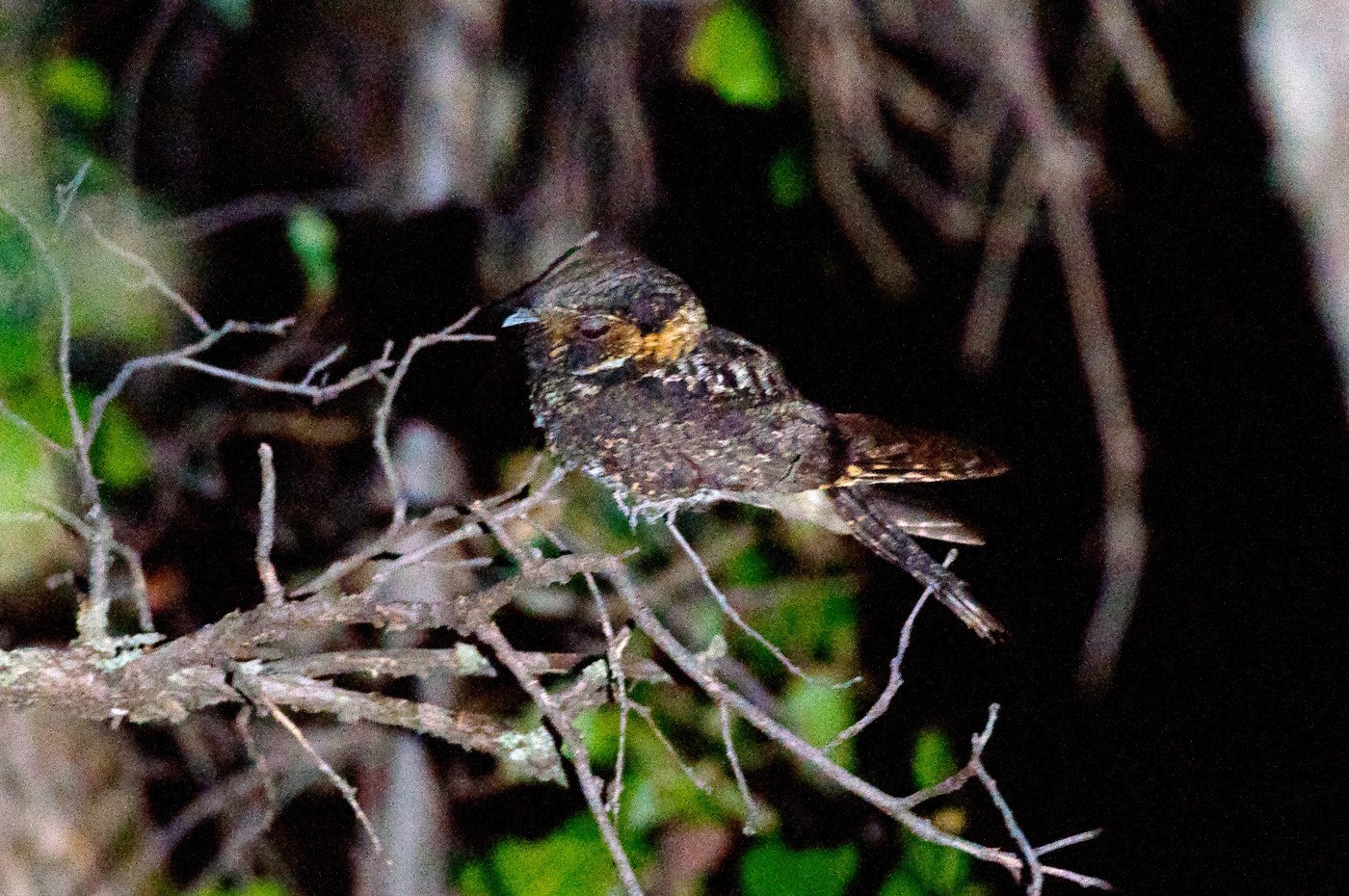
Mexican Whip-poor-will
Antrostomus arizonae
A southwestern mountain nightjar, virtually identical to the Eastern Whip-poor-will but distinguished by a slower, huskier song.
- Size
- 22-24 cm (9-9.5 in) long, 45-48 cm wingspan
- Habitat
- mountain pine-oak woodlands and canyons
- Type
- other
Spotted a bird like this?
Identify any bird from a photo, free.
Overview
The Mexican Whip-poor-will was formerly considered part of the same species as the Eastern Whip-poor-will before being recognized as distinct in 2010, based mainly on differences in voice and range. In appearance it is nearly identical to its eastern counterpart, cloaked in cryptic mottled gray-brown-black plumage that provides excellent camouflage on the forest floor by day. It replaces the Eastern Whip-poor-will in the mountain woodlands of the southwestern United States and Mexico, where its slower, huskier nighttime song is the most reliable way to tell the two species apart.
How to identify it
Key Field Marks
- Nearly identical in plumage to the Eastern Whip-poor-will: mottled gray-brown-black camouflage, rounded wings, long rounded tail with pale outer feathers
- Song is slower and huskier than the Eastern Whip-poor-will's, often rendered as a more drawn-out "whip-purr-WEEL"
- Found in higher-elevation pine-oak woodland rather than lowland deciduous forest
Similar Species
- Eastern Whip-poor-will is essentially identical in plumage; range (southwestern mountains vs. eastern lowlands) and the slower, huskier song are the best distinguishing features.
- Common Poorwill is smaller and shorter-tailed with a simpler two-note song.
Habitat & range
Habitat
Mexican Whip-poor-wills favor pine-oak and mixed conifer woodlands in mountain canyons, typically at higher elevations than the Eastern Whip-poor-will's lowland forest habitat.
Range
In the United States they breed in the mountains of southeastern Arizona, southwestern New Mexico, and the Chisos Mountains of west Texas, with the range extending south through the highlands of Mexico to Honduras.
Migration
U.S. populations largely withdraw south into Mexico for the winter, arriving back on breeding grounds in spring.
Behavior & voice
Behavior
Like other nightjars, it is strictly nocturnal, resting camouflaged on the forest floor by day and becoming active to hunt insects after dark.
Voice
The song is the best field mark separating this species from the Eastern Whip-poor-will: slower in pace and huskier or more slurred in tone.
Feeding
Mexican Whip-poor-wills catch moths and other large flying insects on the wing, sallying from low perches or the ground in open understory habitat.
Nesting
No nest is built; eggs are laid directly on leaf litter or bare ground in shaded mountain woodland.
Frequently asked questions
How is the Mexican Whip-poor-will different from the Eastern Whip-poor-will?
The two are nearly identical in appearance; the most reliable differences are range, with the Mexican Whip-poor-will restricted to southwestern mountains, and its slower, huskier song.
When was the Mexican Whip-poor-will recognized as a separate species?
It was split from the Eastern Whip-poor-will in 2010 based on differences in voice, genetics, and range.
Where can you hear a Mexican Whip-poor-will?
Listen in pine-oak mountain canyons of southeastern Arizona, southwestern New Mexico, and the Chisos Mountains of west Texas during the breeding season.
What does a Mexican Whip-poor-will eat?
It feeds on large night-flying insects such as moths, caught in flight from a low perch or the ground.
Mexican Whip-poor-will guides
In-depth guides for identifying, finding, and understanding Mexican Whip-poor-will.
Other birds you may enjoy
Kiwi
35-55 cm (14-22 in) long; roughly chicken-sized
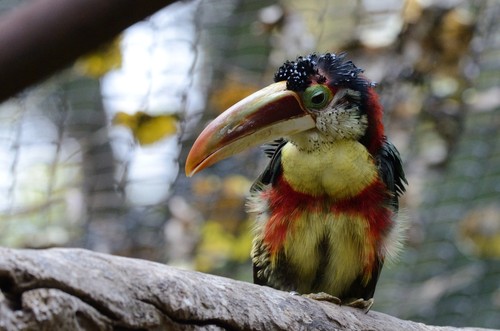
Curl-crested Aracari
41-46 cm (16-18 in) long, including a long bill and tail
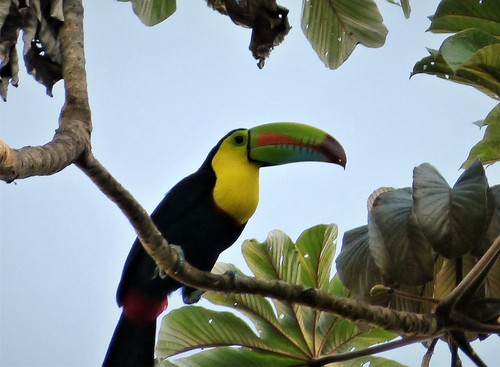
Keel-billed Toucan
42-55 cm (17-22 in) long including bill
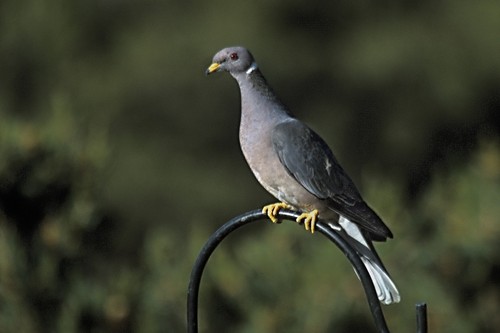
Band-tailed Pigeon
33-38 cm (13-15 in) long, wingspan about 66 cm (26 in)
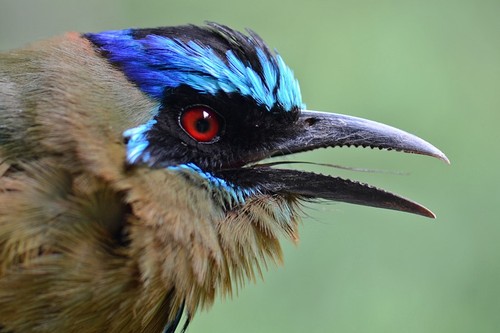
Blue-crowned Motmot
38-43 cm (15-17 in) long including tail
White-tipped Dove
27-30 cm (10.5-12 in) long, 38-43 cm wingspan
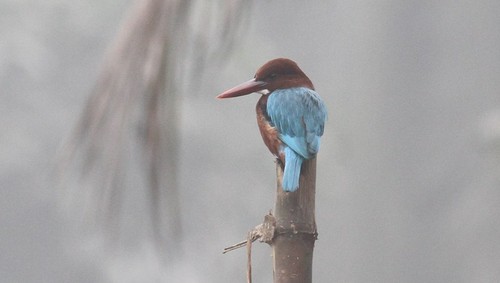
White-throated Kingfisher
27-28 cm (10.5-11 in) long
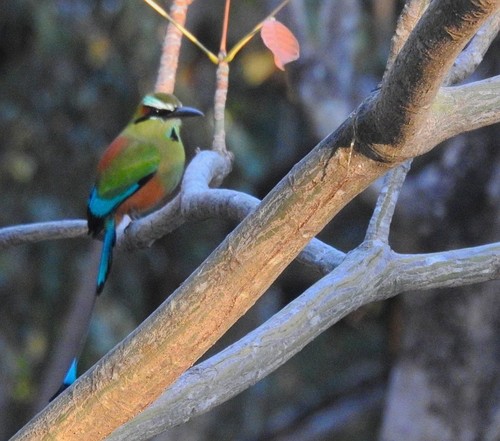
Turquoise-browed Motmot
34 cm (13 in) long including tail
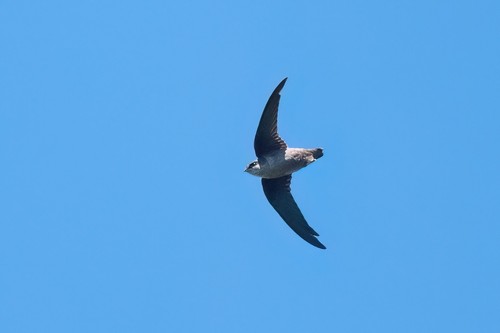
Vaux's Swift
10-12 cm (4-4.5 in) long, 27-30 cm wingspan
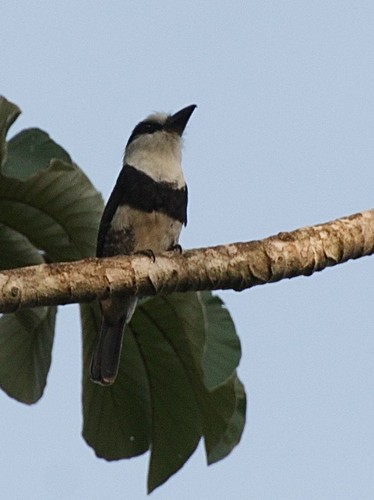
White-necked Puffbird
22-24 cm (8.5-9.5 in) long
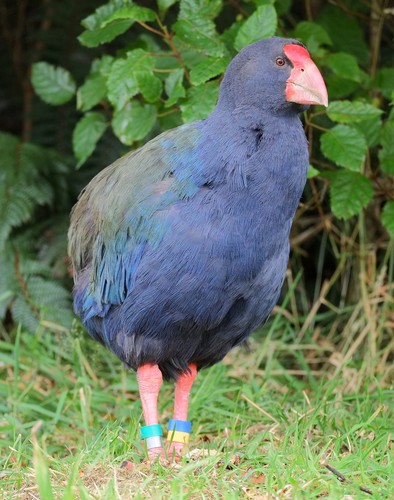
Takahe
50 cm (20 in) long, up to 3.5 kg; flightless
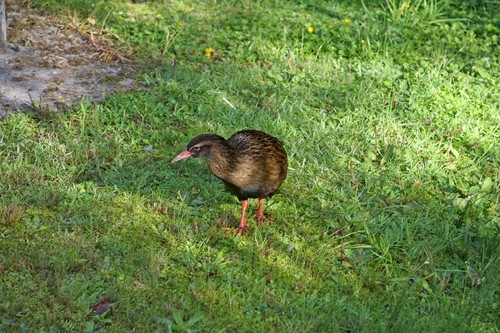
Weka
50-60 cm (20-24 in) long; flightless