
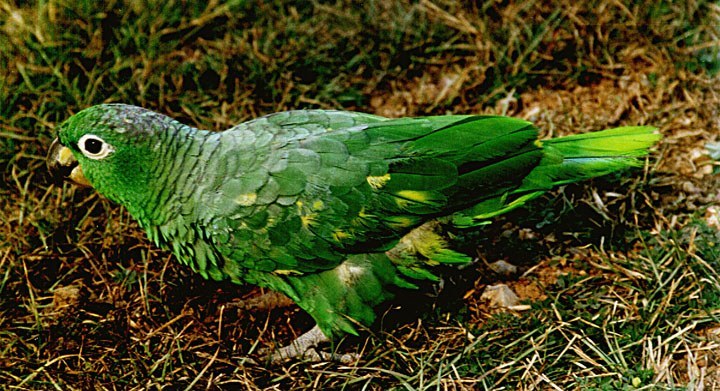
Mealy Parrot
Amazona farinosa
The largest of the Amazon parrots, with predominantly green plumage and a dusty, mealy-looking bloom over the nape and back that gives the species its name.
- Size
- 38-41 cm (15-16 in) long
- Habitat
- humid lowland forest canopy
- Type
- parrot
Spotted a bird like this?
Identify any bird from a photo, free.
Overview
The Mealy Parrot is the largest member of the Amazon parrot genus, a bulky, mostly uniform green bird with a pale, whitish, powdery bloom dusted over the nape and back that lends the species its evocative name. A pale eye-ring and a small patch of red sometimes visible in the wing add subtle accents to otherwise understated plumage, and the head can show a faint bluish or yellowish wash depending on subspecies.
Usually encountered in pairs or small flocks moving heavily through the upper canopy, it favors tall, undisturbed forest and is often heard well before it is seen, its deep, resonant calls carrying through the treetops at dawn and dusk as birds commute to and from communal roosts.
How to identify it
Key field marks
- Large, bulky Amazon parrot, the biggest in its genus
- Mostly uniform green plumage with a pale, powdery, "mealy" bloom over the nape and back
- Pale eye-ring
- Deep, resonant, far-carrying calls
Similar species
- Orange-winged Parrot is smaller with a more colorful face pattern of yellow and blue and an orange wing patch, lacking the dusty mealy bloom.
- Other large Amazon parrots can be difficult to separate at a distance, but the Mealy Parrot's larger size, plainer face, and mealy-looking back are useful clues.
Habitat & range
Habitat
Inhabits tall, humid lowland tropical forest, favoring the upper canopy of mature forest.
Range
Found from southern Mexico through Central America and across much of the Amazon basin in South America.
Migration
Non-migratory, though flocks make regular daily movements between roosting and feeding areas.
Behavior & voice
Behavior
Usually seen in pairs or small flocks flying high above the canopy with slow, deliberate wingbeats, often forming larger communal roosts at night.
Voice
Deep, resonant squawks and screeches, generally lower-pitched than the calls of smaller Amazon parrots.
Feeding
Feeds mainly on fruit, seeds, nuts, and flowers gathered in the forest canopy.
Nesting
Nests in large natural tree cavities high in mature forest trees; lays 2-3 white eggs.
Frequently asked questions
How do you identify a Mealy Parrot?
Look for a large, mostly plain green Amazon parrot with a pale, dusty-looking bloom over the nape and back.
Why is it called the Mealy Parrot?
The name refers to the pale, powdery bloom that dusts the feathers of the nape and back, giving them a mealy or floury appearance.
What does a Mealy Parrot eat?
Mainly fruit, seeds, nuts, and flowers foraged in the forest canopy.
Where does the Mealy Parrot live?
In tall, humid lowland forest from southern Mexico through Central America and across much of the Amazon basin.
Mealy Parrot guides
In-depth guides for identifying, finding, and understanding Mealy Parrot.
Other birds you may enjoy
Eclectus Parrot
35-42 cm (14-16.5 in) long
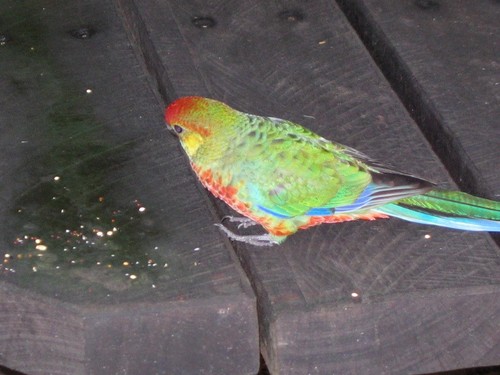
Western Rosella
25-30 cm (10-12 in) long
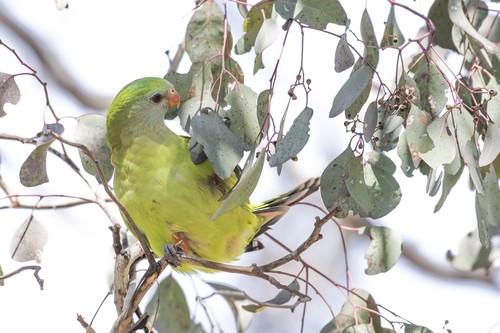
Superb Parrot
About 40 cm (16 in) long including a long tail
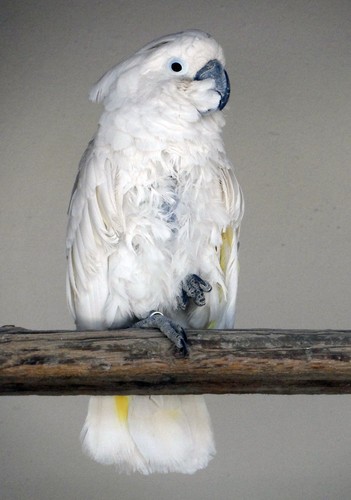
Umbrella Cockatoo
About 46 cm (18 in) long
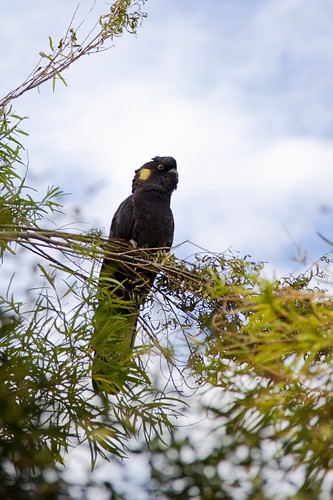
Yellow-tailed Black Cockatoo
55-65 cm long; wingspan up to about 130 cm
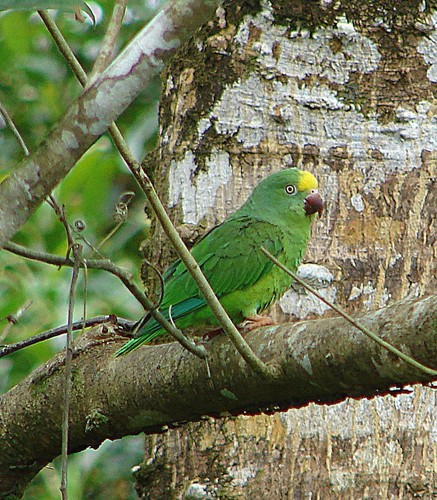
Yellow-crowned Amazon
About 35-38 cm (14-15 in) long
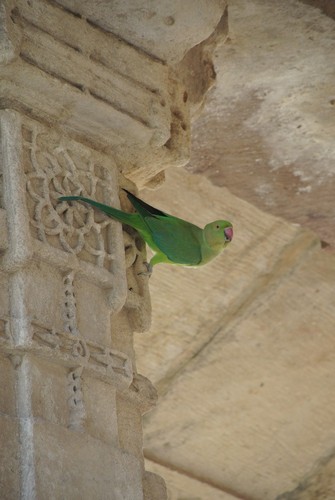
Rose-ringed Parakeet
40 cm (16 in) long including long tail
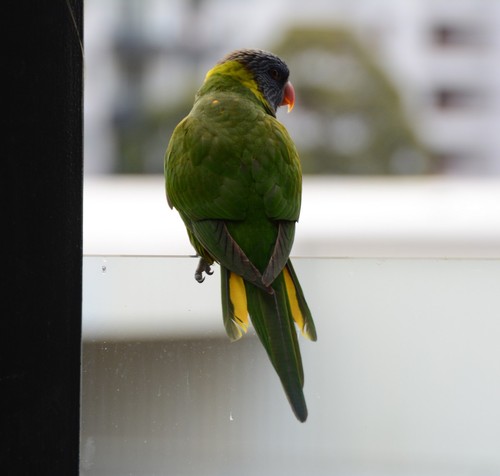
Rainbow Lorikeet
25-30 cm (10-12 in) long
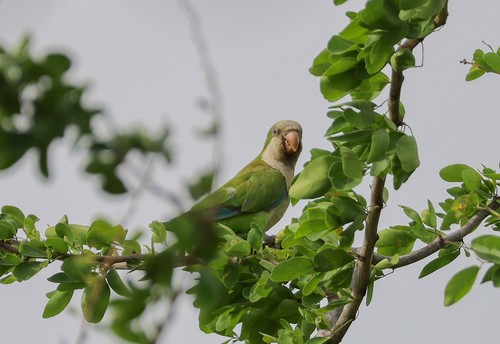
Quaker Parrot
28-31 cm (11-12 in) long
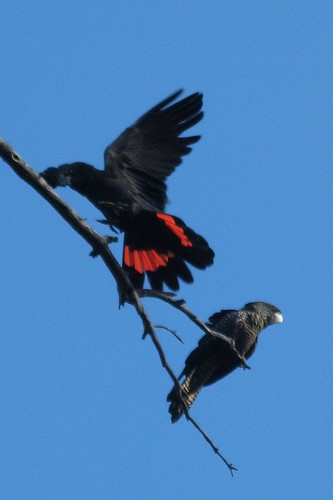
Red-tailed Black Cockatoo
55-65 cm long
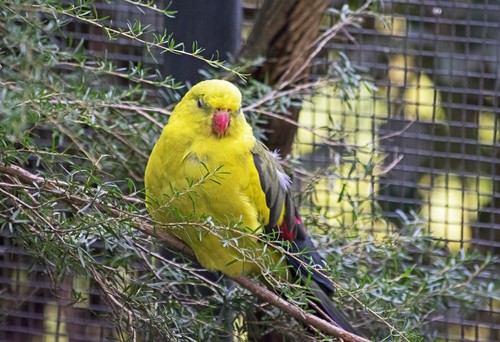
Regent Parrot
37-42 cm (15-17 in) long, including a long tail
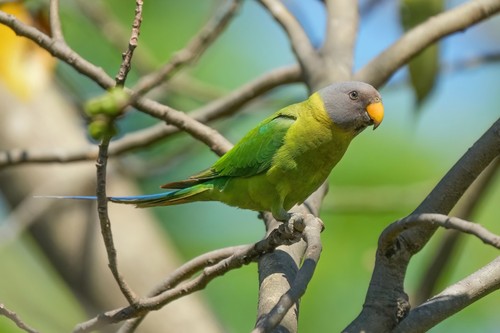
Plum-headed Parakeet
33 cm (13 in) long including tail