
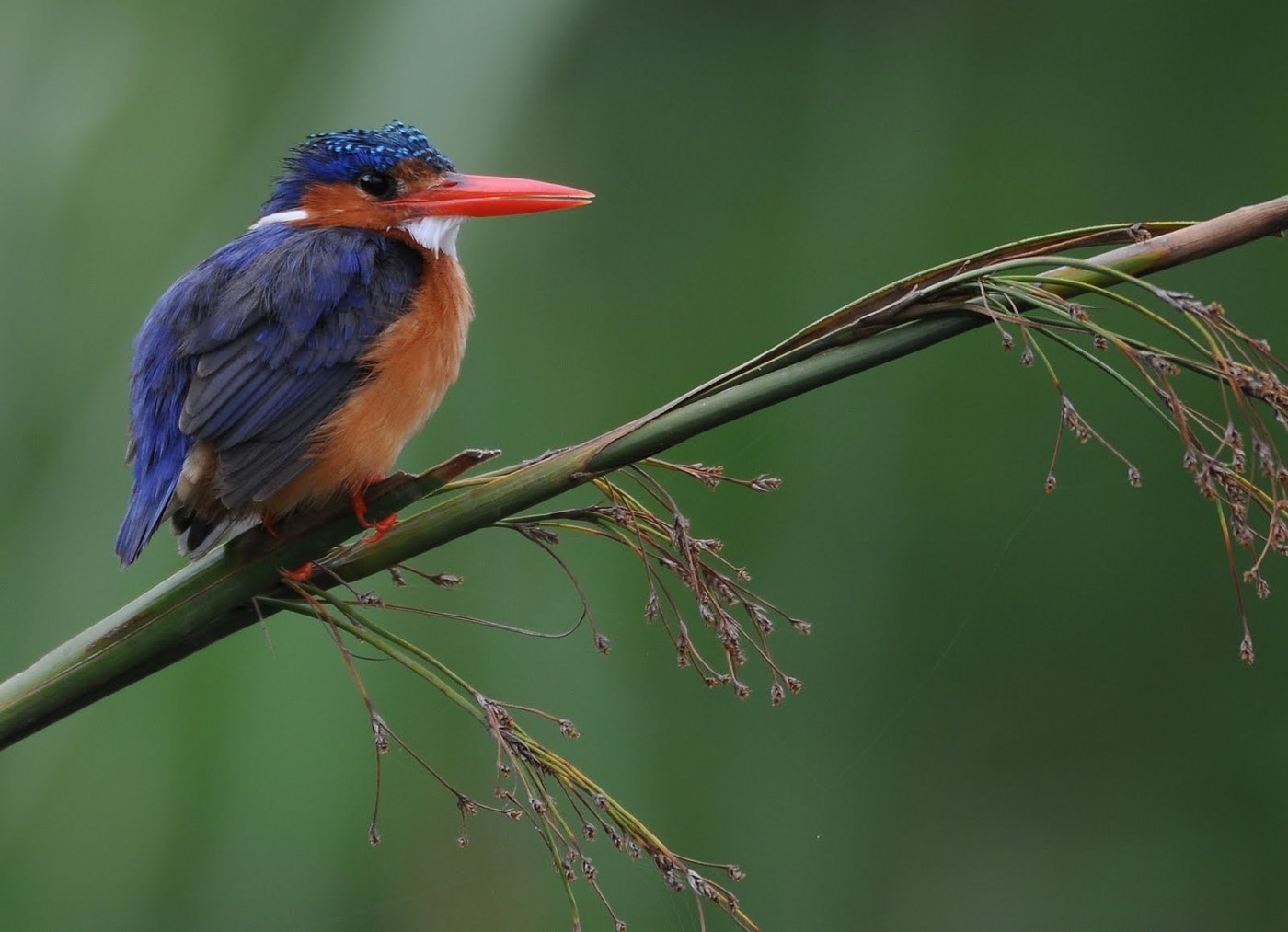
Malachite Kingfisher
Corythornis cristatus
A tiny, jewel-like African kingfisher with a vivid blue-and-black barred crest and rufous underparts.
- Size
- 12-14 cm (5 in) long
- Habitat
- reedy lakes, slow rivers, marshes, and vegetated ponds
- Type
- other
Spotted a bird like this?
Identify any bird from a photo, free.
Overview
The Malachite Kingfisher is one of Africa's most vividly colored small birds, glowing with electric-blue upperparts, a rufous-orange face and underparts, and a black-and-blue barred crest that it raises when excited or alarmed. Its bill is long, thin, and either black (juvenile) or bright red (adult), well suited to spearing small prey.
It is usually seen alone, perched motionless on a reed stem or low branch overhanging still or slow-moving water, watching intently for movement below.
How to identify it
Key field marks
- Very small size, among the smallest African kingfishers
- Bright cobalt-blue back and wing panel
- Rufous-orange cheeks, ear coverts, and underparts
- Black-and-blue barred crest, often raised
- Bright red bill and legs in adults
Similar species
- African Pygmy Kingfisher lacks the crest and has a violet wash on the crown and lilac-blue ear coverts.
- Half-collared Kingfisher is larger with a white throat patch.
- Juveniles show a black bill, differing from the red-billed adult.
Habitat & range
Habitat
Favors quiet freshwater habitats with reeds or overhanging vegetation, including lake edges, slow rivers, marshes, and fish ponds.
Range
Widespread across sub-Saharan Africa, generally absent from the driest deserts.
Migration
Mostly sedentary, though some populations disperse locally after breeding.
Behavior & voice
Behavior
Perches low over water, bobbing its head and flicking its tail before diving headfirst to seize prey; flies fast and low with a shrill whistle.
Voice
A sharp, high-pitched "peep" or "tsee" given in flight.
Feeding
Catches small fish, aquatic insects, and tadpoles by diving from a low perch, then returns to beat prey against the perch before swallowing.
Nesting
Excavates a short tunnel in a sandy riverbank or earthen embankment; lays 3-6 white eggs.
Frequently asked questions
How small is a Malachite Kingfisher?
It is only about 12-14 cm (5 in) long, one of the smallest kingfishers in Africa.
What is the difference between a Malachite Kingfisher and an African Pygmy Kingfisher?
The Malachite Kingfisher has a raised black-and-blue barred crest and rufous ear coverts, while the Pygmy Kingfisher lacks a crest and shows lilac-blue ear coverts.
What does a Malachite Kingfisher eat?
Small fish, aquatic insects, and tadpoles caught by diving from a perch over water.
Where is the Malachite Kingfisher found?
Across sub-Saharan Africa near reedy lakes, slow rivers, and marshes.
Malachite Kingfisher guides
In-depth guides for identifying, finding, and understanding Malachite Kingfisher.
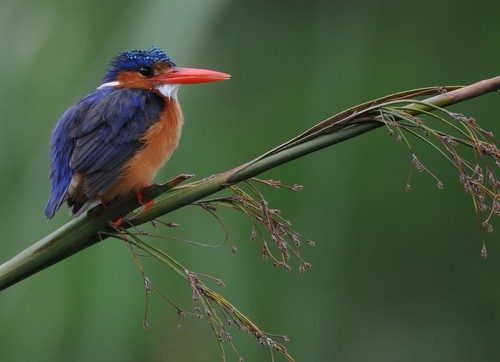
Malachite Kingfisher identified by the community
Real birds identified with Bird Identifier.
Other birds you may enjoy
Kiwi
35-55 cm (14-22 in) long; roughly chicken-sized
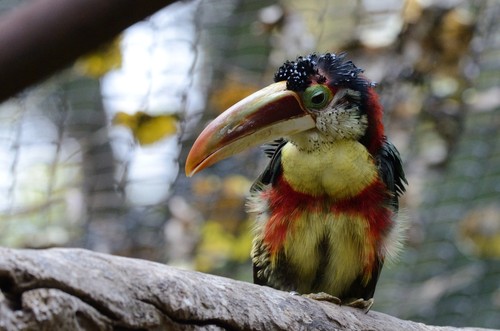
Curl-crested Aracari
41-46 cm (16-18 in) long, including a long bill and tail
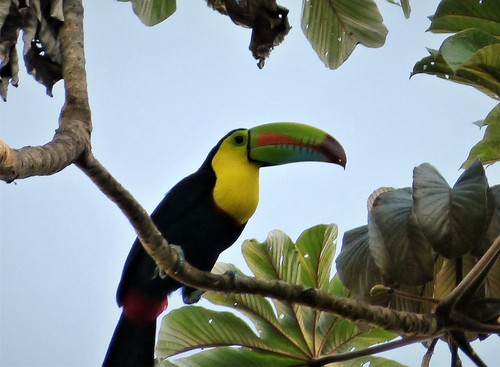
Keel-billed Toucan
42-55 cm (17-22 in) long including bill
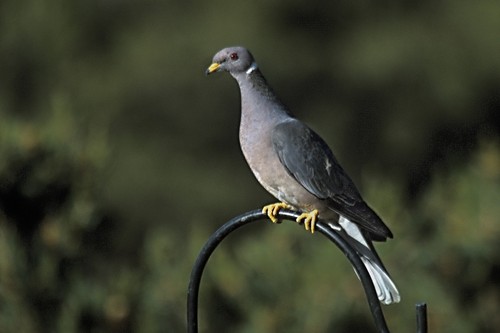
Band-tailed Pigeon
33-38 cm (13-15 in) long, wingspan about 66 cm (26 in)
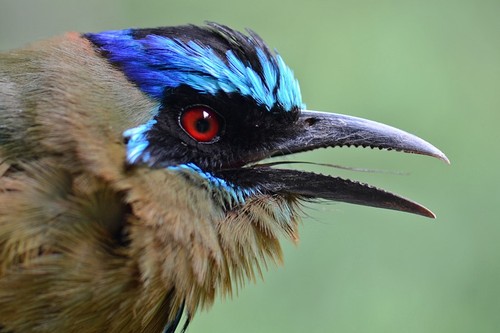
Blue-crowned Motmot
38-43 cm (15-17 in) long including tail
White-tipped Dove
27-30 cm (10.5-12 in) long, 38-43 cm wingspan
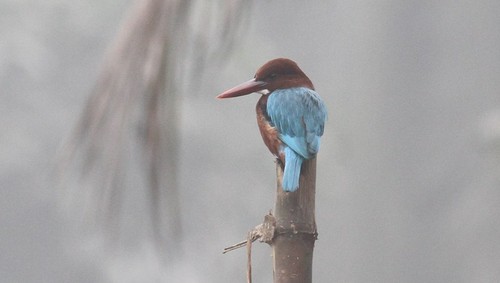
White-throated Kingfisher
27-28 cm (10.5-11 in) long
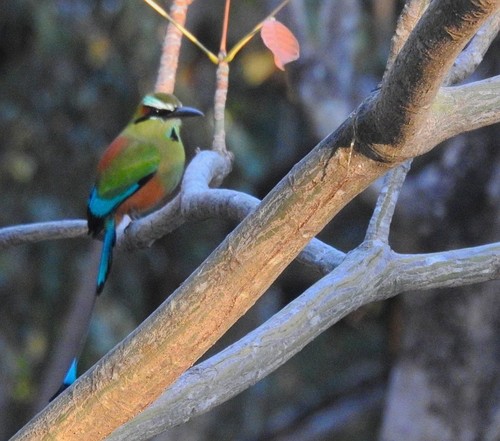
Turquoise-browed Motmot
34 cm (13 in) long including tail
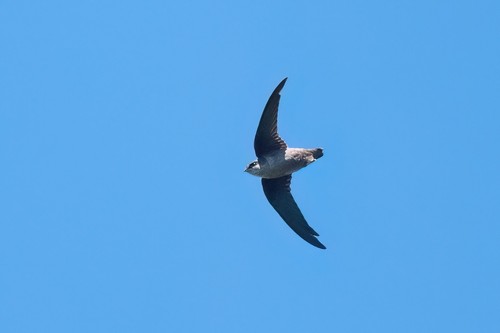
Vaux's Swift
10-12 cm (4-4.5 in) long, 27-30 cm wingspan
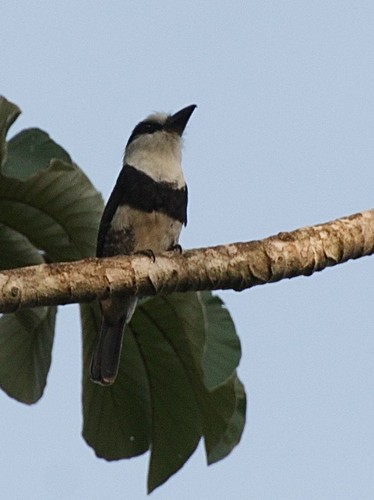
White-necked Puffbird
22-24 cm (8.5-9.5 in) long
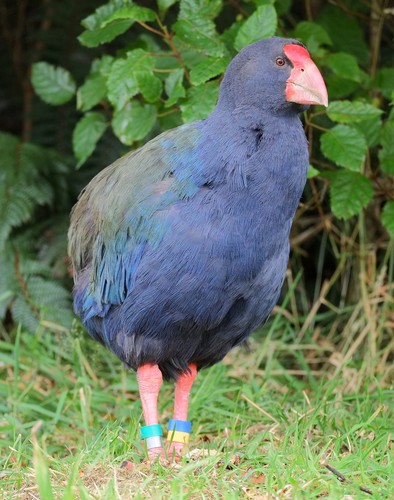
Takahe
50 cm (20 in) long, up to 3.5 kg; flightless
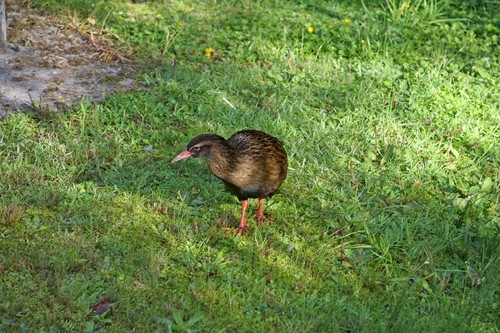
Weka
50-60 cm (20-24 in) long; flightless