
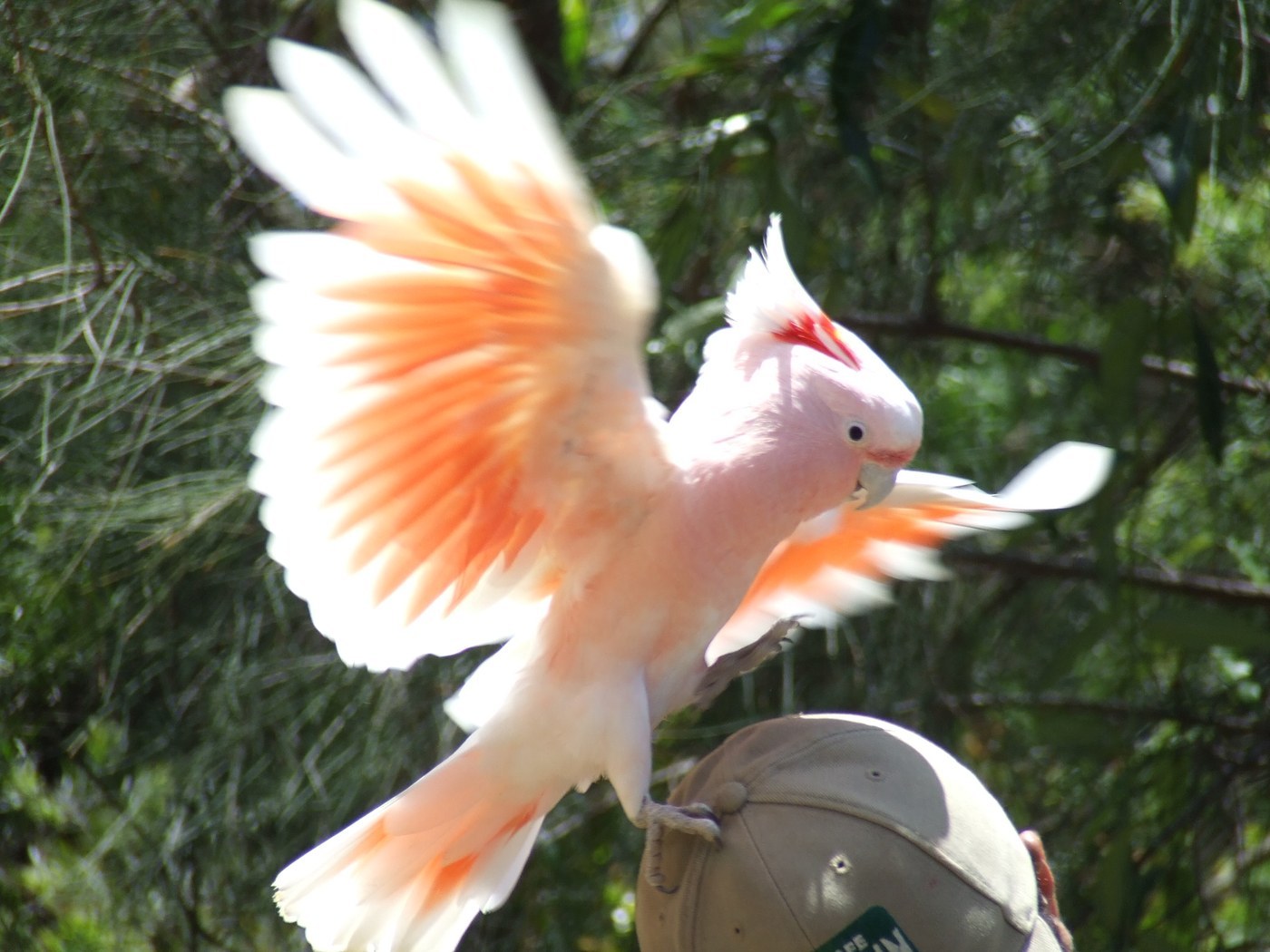
Major Mitchell's Cockatoo
Lophochroa leadbeateri
A softly pink and white cockatoo of Australia's dry interior, best known for its brilliant red, yellow, and white banded crest.
- Size
- 35–40 cm long; wingspan approximately 65–75 cm
- Habitat
- Arid and semi-arid woodland, mallee scrub, and inland plains
- Type
- parrot
Spotted a bird like this?
Identify any bird from a photo, free.
Overview
Major Mitchell's Cockatoo, also widely known as Leadbeater's Cockatoo or the Pink Cockatoo, is regarded as one of the most beautiful of all cockatoos. Its body plumage is a delicate white washed with salmon-pink on the head, neck, and underparts, giving it a soft, blushing appearance quite unlike the stark white of many related species.
Appearance
- Medium-sized cockatoo with white and dusky-pink plumage, deepest pink on the face and breast
- Spectacular forward-curling crest banded with red and yellow at the base, tipped in white
- Pale bill and dark eye-ring; sexes are similar, though females often have a slightly duller eye or crest
How to identify it
Key field marks
- Pale pinkish-white body plumage, unlike the pure white of the Sulphur-crested and Little Corella
- Large recurved crest that flares open to reveal bands of red, yellow, and white — one of the most colorful crests of any parrot
- Salmon-pink flush strongest on the face and underwing coverts, visible in flight
Similar species
Galahs also show pink plumage but have grey backs and wings and lack the elaborate banded crest. Sulphur-crested Cockatoos are much larger, purely white, with a simple yellow crest rather than the layered red-yellow-white fan of Major Mitchell's Cockatoo.
Habitat & range
Range
Endemic to inland Australia, occurring across the arid and semi-arid interior from central Queensland and New South Wales through South Australia to the interior of Western Australia.
Habitat
Favors dry woodland, mallee, mulga scrub, and timbered watercourses on the inland plains, generally avoiding wetter coastal regions. It is nomadic in response to seed and water availability rather than a strict migrant.
Behavior & voice
Behavior
Usually encountered in pairs or small family groups rather than the large flocks typical of other cockatoos, reflecting the sparse resources of its arid habitat.
Voice
Gives a quavering, drawn-out 'cree-ab' or 'wee-la' contact call, softer and less harsh than the screech of Sulphur-crested Cockatoos.
Feeding
Forages on the ground and in low vegetation for seeds of native shrubs, grasses, and fallen fruit, and will also dig for roots and tubers.
Nesting and breeding
Nests in large tree hollows, typically in old eucalypts along watercourses; both parents share incubation and chick-rearing duties, and pairs tend to mate for life.
Frequently asked questions
Why is it called Major Mitchell's Cockatoo?
It was named after Major Sir Thomas Mitchell, a 19th-century explorer of inland Australia who praised the bird's beauty in his journals.
What is the difference between Major Mitchell's Cockatoo and Leadbeater's Cockatoo?
They are the same species; Leadbeater's Cockatoo and Pink Cockatoo are simply alternative common names for Lophochroa leadbeateri.
Where do Major Mitchell's Cockatoos live?
They are found only in the arid and semi-arid interior of Australia, favoring dry woodland and mallee scrub away from wetter coastal areas.
How can you tell a Major Mitchell's Cockatoo from a Galah?
Major Mitchell's Cockatoo has an all pink-and-white body with a dramatic banded crest, whereas the Galah has a grey back and wings with a much smaller crest.
Major Mitchell's Cockatoo guides
In-depth guides for identifying, finding, and understanding Major Mitchell's Cockatoo.
Other birds you may enjoy
Eclectus Parrot
35-42 cm (14-16.5 in) long
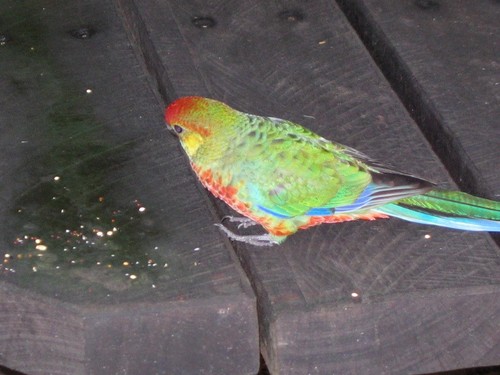
Western Rosella
25-30 cm (10-12 in) long
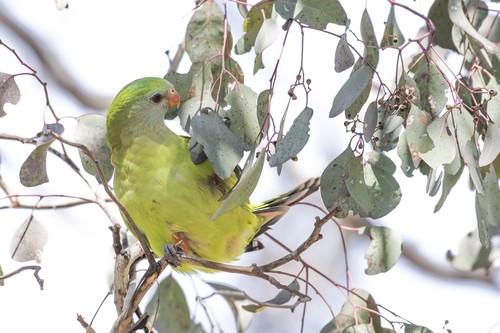
Superb Parrot
About 40 cm (16 in) long including a long tail
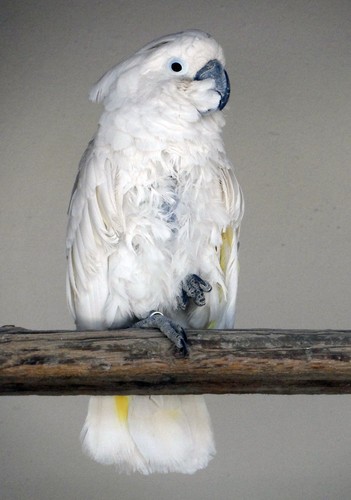
Umbrella Cockatoo
About 46 cm (18 in) long
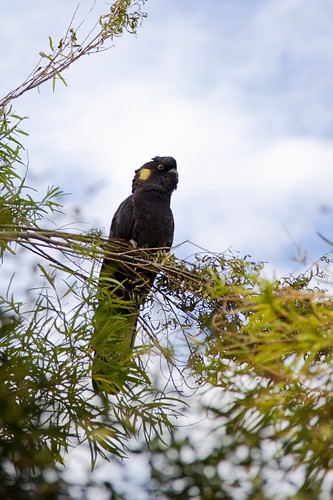
Yellow-tailed Black Cockatoo
55-65 cm long; wingspan up to about 130 cm
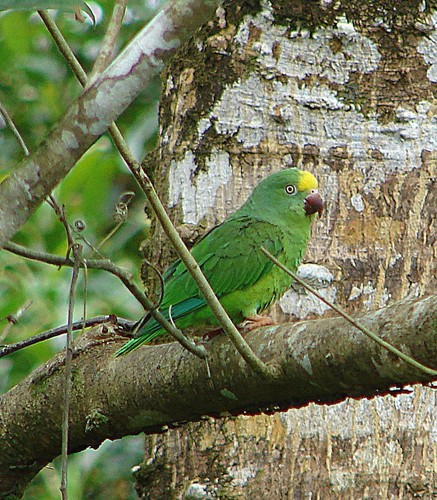
Yellow-crowned Amazon
About 35-38 cm (14-15 in) long
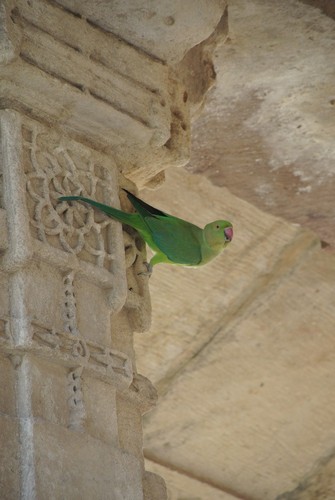
Rose-ringed Parakeet
40 cm (16 in) long including long tail
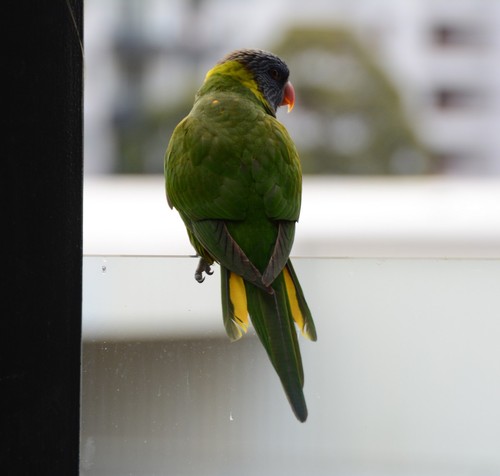
Rainbow Lorikeet
25-30 cm (10-12 in) long
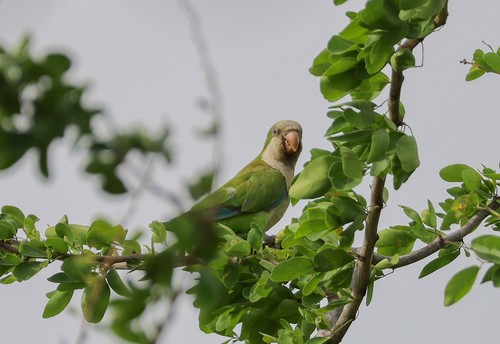
Quaker Parrot
28-31 cm (11-12 in) long
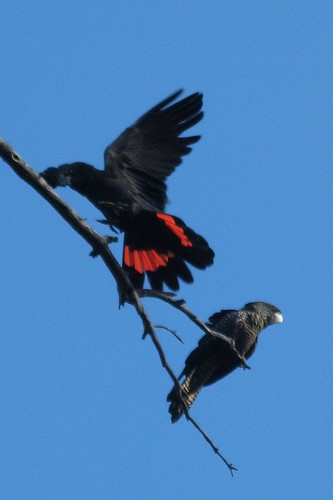
Red-tailed Black Cockatoo
55-65 cm long
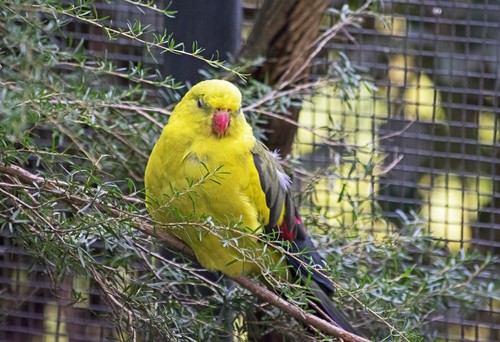
Regent Parrot
37-42 cm (15-17 in) long, including a long tail
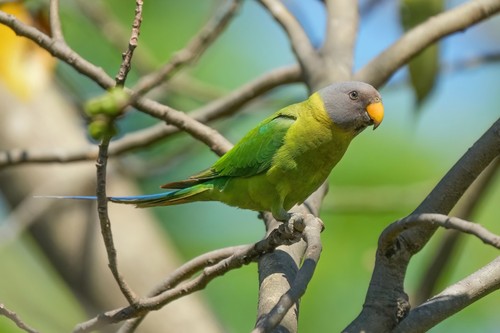
Plum-headed Parakeet
33 cm (13 in) long including tail