
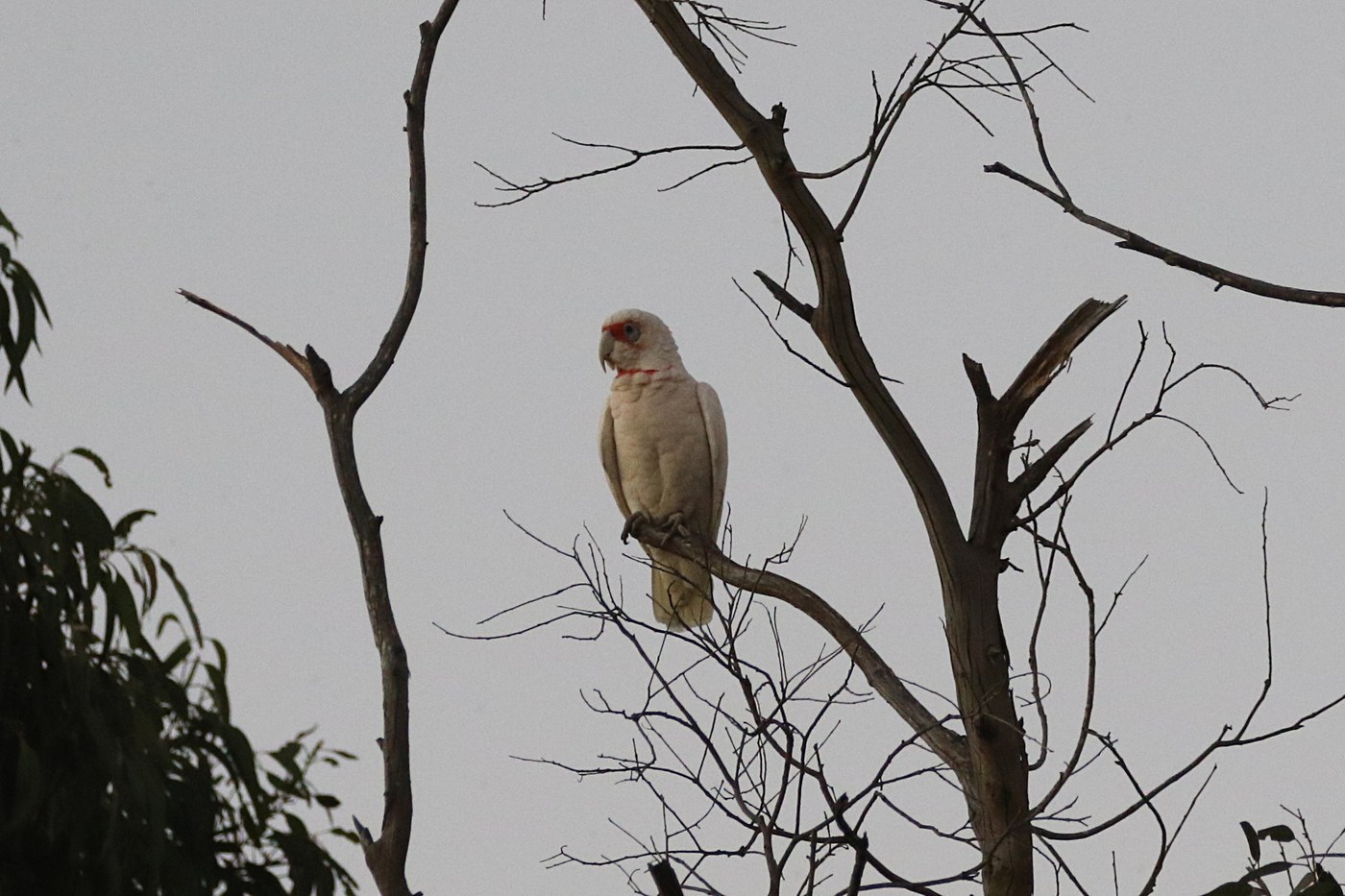
Long-billed Corella
Cacatua tenuirostris
A white cockatoo of southeastern Australia with a distinctively long, slender bill and pink-red markings across the face and throat.
- Size
- 38-41 cm long
- Habitat
- Grassland, woodland, farmland and parks in southeastern Australia
- Type
- parrot
Spotted a bird like this?
Identify any bird from a photo, free.
Overview
The Long-billed Corella is a mostly white cockatoo readily distinguished by its long, slender bill, adapted for digging. It shows a red-to-salmon patch across the forehead and lores that extends down onto the throat, along with a dark red band crossing the upper breast.
Bare skin around the eye is pale blue-grey, and the crest is short and often held flat against the head.
How to identify it
Key field marks
- Long, slender, pale bill, distinctly longer than that of the Little Corella
- Extensive salmon-pink to dark red markings on the forehead, lores and throat, with a red band across the upper breast
- Pale blue-grey eye-ring
Similar species
The Little Corella has a much shorter, stubbier bill and lacks the extensive pink-red facial and breast markings. The Sulphur-crested Cockatoo is larger with a prominent yellow crest, absent in the Long-billed Corella.
Habitat & range
Range
Native to southeastern Australia, including western Victoria, southeastern South Australia and the southern New South Wales plains. Escaped or released aviary birds have established feral populations in and around Sydney, Perth, Adelaide and parts of New Zealand.
Habitat
Open grassland, woodland, farmland, and urban parks and gardens, particularly areas with grassy ground cover suitable for digging.
Movement
Largely sedentary in its native range, though it forms large, mobile foraging flocks.
Behavior & voice
Voice
Gregarious and vocal, giving loud, sharp screeching calls, especially in flight and at communal roosts.
Feeding
A ground forager that digs extensively for underground corms, bulbs and tubers, especially onion grass, often leaving patches of disturbed, pitted soil as evidence of feeding activity. Also eats grain and other seed.
Breeding
Nests in tree hollows, sometimes in loose colonies where suitable trees are clustered. Pairs typically remain together across breeding seasons.
Frequently asked questions
What makes the Long-billed Corella's bill unusual?
It is notably long and slender compared to other corellas, an adaptation for digging up underground corms and tubers such as onion grass.
Where do Long-billed Corellas naturally occur?
Native range is southeastern Australia — western Victoria, southeastern South Australia and the southern New South Wales plains — though feral populations now exist in cities such as Sydney, Perth and Adelaide.
How can you distinguish a Long-billed Corella from a Little Corella?
The Long-billed Corella has a longer, more slender bill and much more extensive pink-red markings on its face, throat and breast.
Why do Long-billed Corellas dig up lawns and fields?
They forage for underground corms and tubers, especially onion grass, using their long bill to excavate the soil, which can leave visibly pitted ground.
Long-billed Corella guides
In-depth guides for identifying, finding, and understanding Long-billed Corella.
Other birds you may enjoy
Eclectus Parrot
35-42 cm (14-16.5 in) long
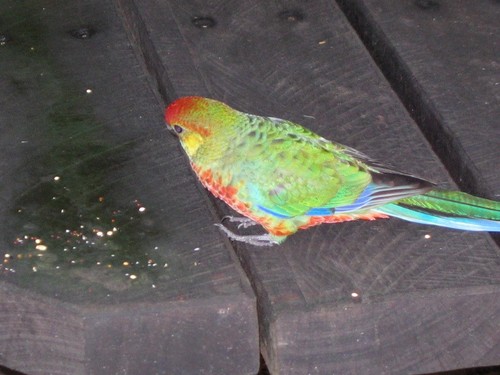
Western Rosella
25-30 cm (10-12 in) long
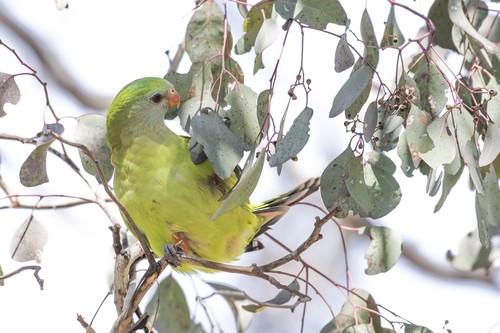
Superb Parrot
About 40 cm (16 in) long including a long tail
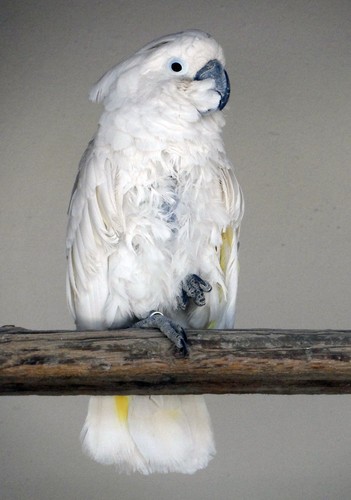
Umbrella Cockatoo
About 46 cm (18 in) long
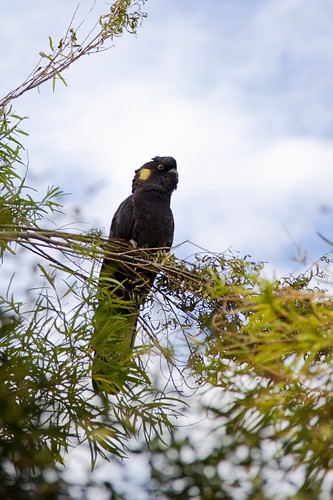
Yellow-tailed Black Cockatoo
55-65 cm long; wingspan up to about 130 cm
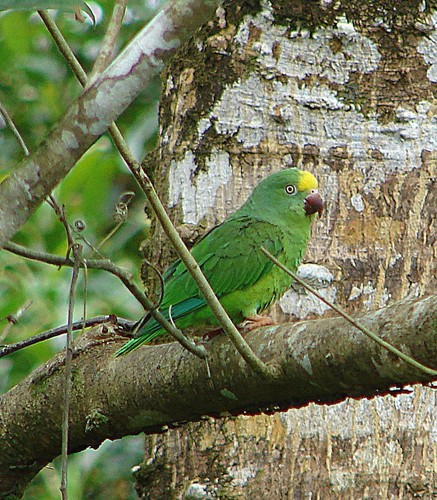
Yellow-crowned Amazon
About 35-38 cm (14-15 in) long
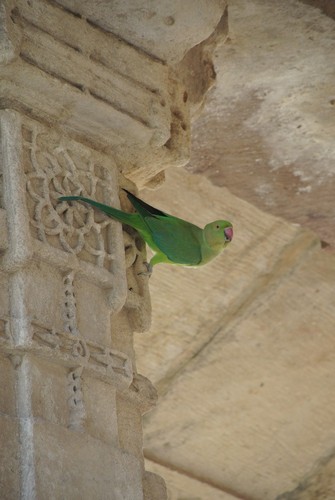
Rose-ringed Parakeet
40 cm (16 in) long including long tail
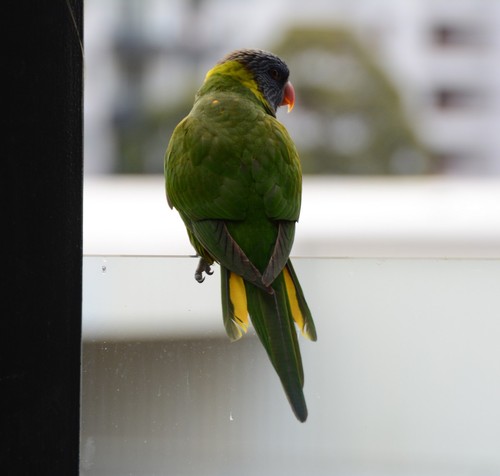
Rainbow Lorikeet
25-30 cm (10-12 in) long
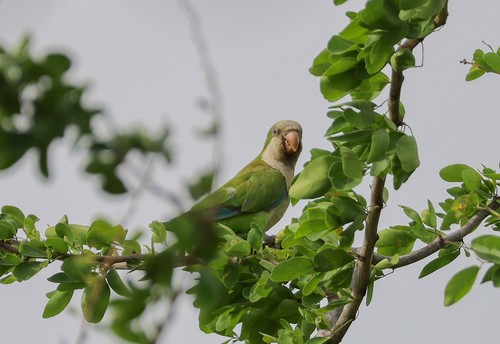
Quaker Parrot
28-31 cm (11-12 in) long
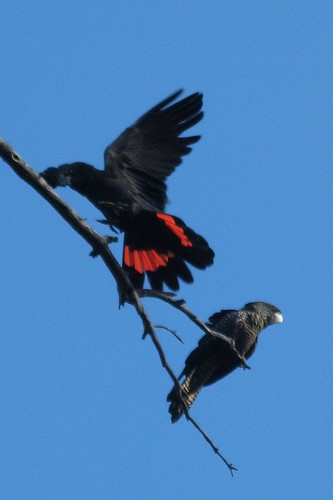
Red-tailed Black Cockatoo
55-65 cm long
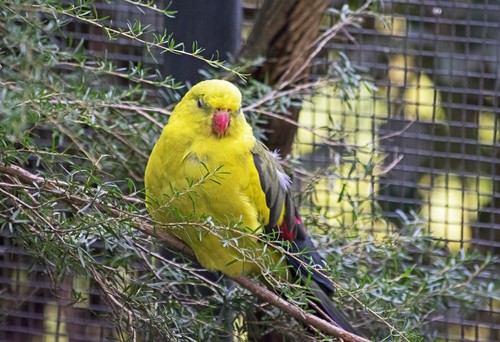
Regent Parrot
37-42 cm (15-17 in) long, including a long tail
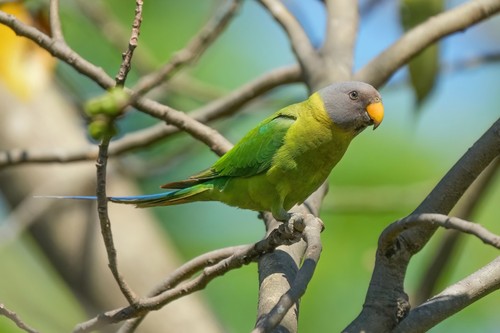
Plum-headed Parakeet
33 cm (13 in) long including tail