
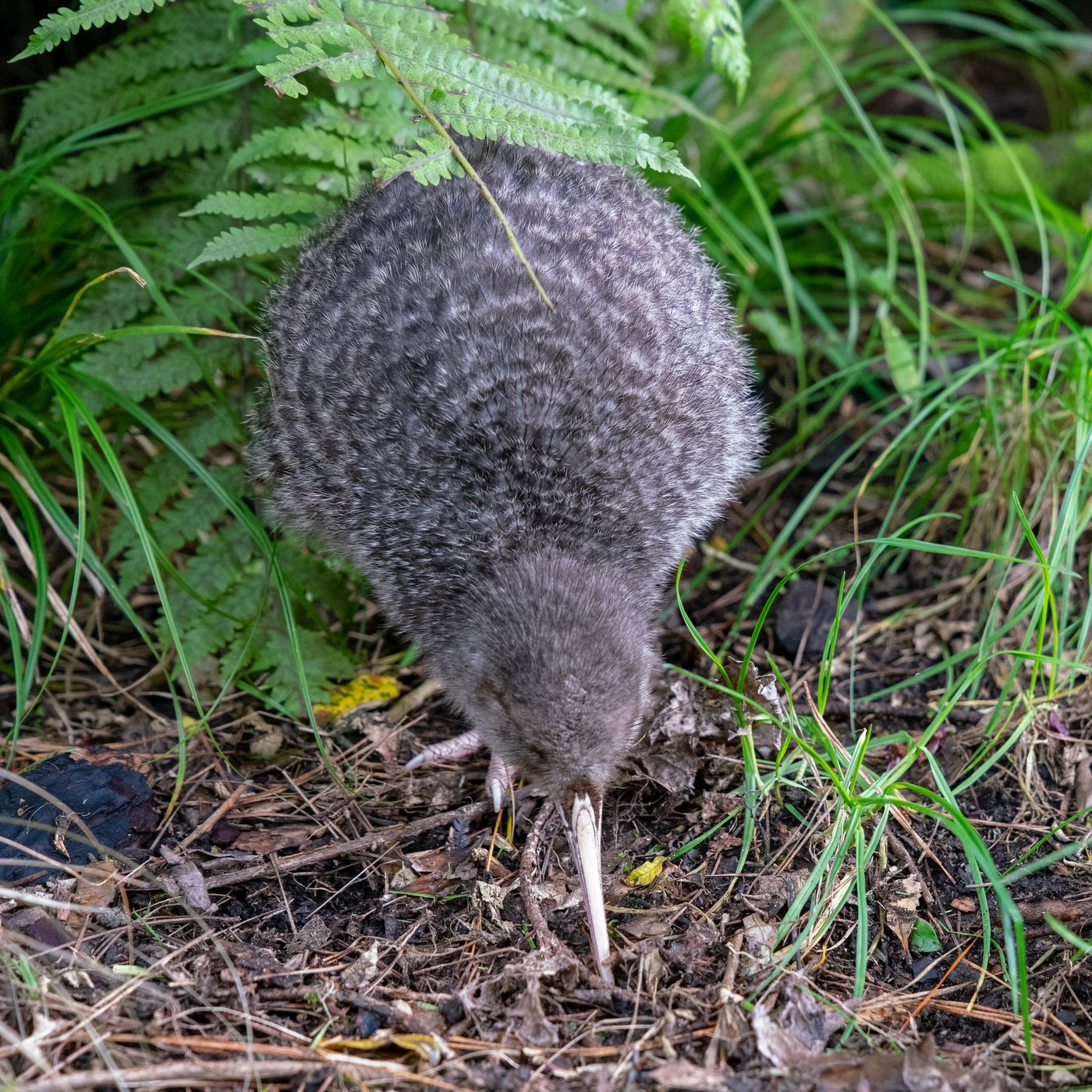
Little Spotted Kiwi
Apteryx owenii
The smallest and rarest widely known kiwi species, now surviving only on predator-free islands and sanctuaries after being wiped out from the mainland.
- Size
- 20-25 cm (8-10 in) body length, flightless; smallest kiwi species
- Habitat
- predator-free forested islands and fenced mainland sanctuaries in New Zealand
- Type
- other
Spotted a bird like this?
Identify any bird from a photo, free.
Overview
The Little Spotted Kiwi is the smallest of the kiwi species, roughly the size of a domestic hen, with soft, finely mottled grey plumage that gives it a more delicately patterned look than its larger brown relatives. Like all kiwi it is flightless, tailless, and has a long, slender bill with nostrils at the tip used to sniff out prey.
Once found across mainland New Zealand, the species was eliminated from the mainland by introduced predators, chiefly stoats, and today survives only thanks to translocations to predator-free island sanctuaries such as Kapiti Island and to fenced mainland reserves such as Zealandia in Wellington, making it a major conservation success story of careful management.
How to identify it
Key field marks
- Small size, noticeably smaller than other kiwi species
- Soft grey plumage finely mottled or barred with lighter grey and buff
- Long, slender, pale bill
- No visible tail; tiny hidden wings
- Stocky legs relative to its small body
Similar species
- North Island Brown Kiwi and Southern Brown Kiwi are both notably larger and warmer reddish-brown rather than grey and finely mottled.
- Great Spotted Kiwi is also mottled grey but is considerably larger, roughly double the weight.
Habitat & range
Range
Historically found throughout New Zealand, but now restricted to predator-free islands (notably Kapiti Island) and fenced sanctuaries such as Zealandia, with reintroductions to several other protected sites.
Habitat
Inhabits native forest and scrub with a deep leaf-litter layer for foraging, requiring predator-free conditions to survive.
Migration
Non-migratory and flightless; birds hold small stable territories within their protected habitat.
Behavior & voice
Behavior
Entirely nocturnal, sheltering by day in a burrow and emerging at night to forage alone across a defended territory, using calls to advertise ownership to neighbors.
Voice
Males give a high, shrill whistle and females a lower, harsher call, usually heard well after dark.
Feeding
Probes soft soil and leaf litter with its bill, detecting invertebrates such as earthworms and beetle larvae by smell.
Nesting
Nests in a burrow or hollow; the female lays one, sometimes two, large eggs, and the male generally undertakes all or most of the roughly 70-80 day incubation period.
Frequently asked questions
Why is the Little Spotted Kiwi only found on islands?
It was wiped out on the mainland by introduced predators, especially stoats, and now survives mainly on predator-free islands and fenced sanctuaries where it has been reintroduced.
How big is a Little Spotted Kiwi?
It is the smallest kiwi species, roughly the size of a domestic hen, noticeably smaller than the North Island or Southern Brown Kiwi.
Can you see Little Spotted Kiwi in the wild in New Zealand?
Yes, at protected sites such as Kapiti Island and Zealandia sanctuary near Wellington, where predator-free conditions allow the species to persist.
What does a Little Spotted Kiwi eat?
Mainly earthworms and insect larvae, located by smell as it probes leaf litter and soft soil with its long bill.
Little Spotted Kiwi guides
In-depth guides for identifying, finding, and understanding Little Spotted Kiwi.
Other birds you may enjoy
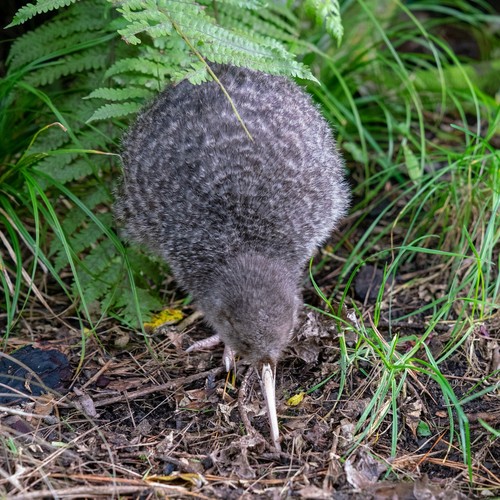
Kiwi
35-55 cm (14-22 in) long; roughly chicken-sized
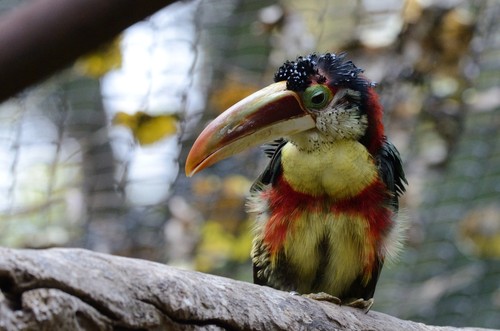
Curl-crested Aracari
41-46 cm (16-18 in) long, including a long bill and tail
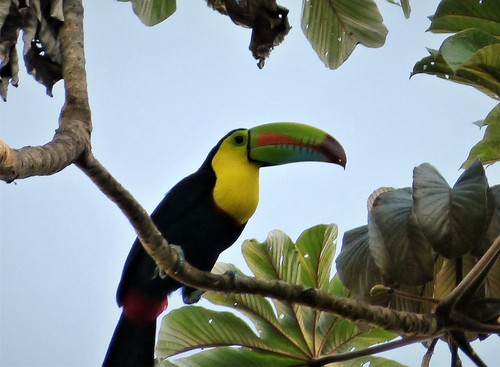
Keel-billed Toucan
42-55 cm (17-22 in) long including bill
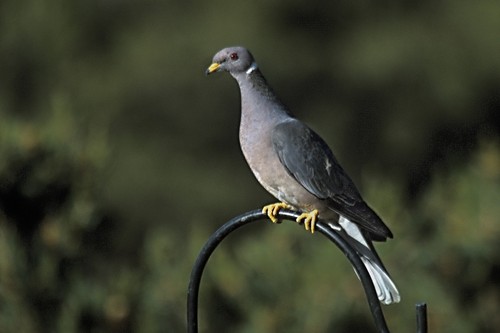
Band-tailed Pigeon
33-38 cm (13-15 in) long, wingspan about 66 cm (26 in)
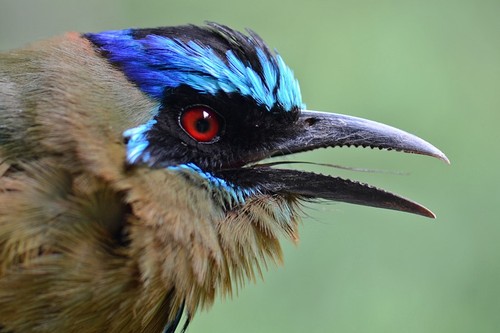
Blue-crowned Motmot
38-43 cm (15-17 in) long including tail
White-tipped Dove
27-30 cm (10.5-12 in) long, 38-43 cm wingspan
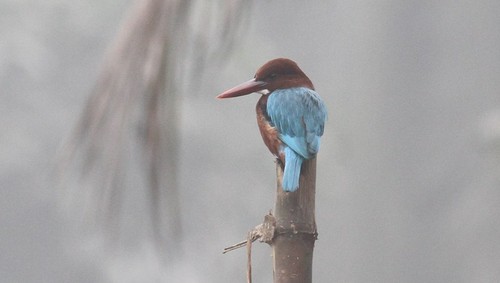
White-throated Kingfisher
27-28 cm (10.5-11 in) long
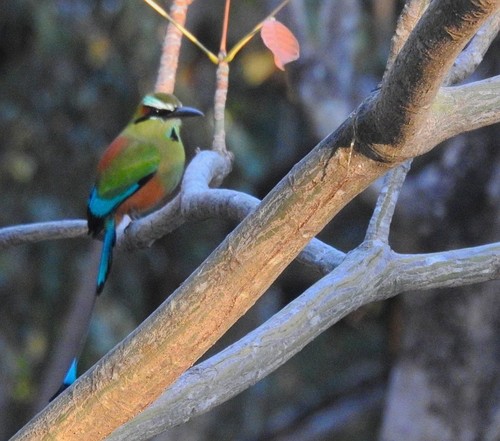
Turquoise-browed Motmot
34 cm (13 in) long including tail
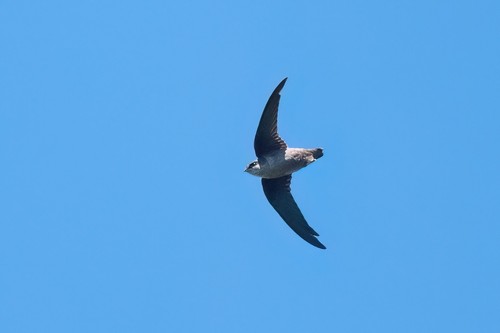
Vaux's Swift
10-12 cm (4-4.5 in) long, 27-30 cm wingspan
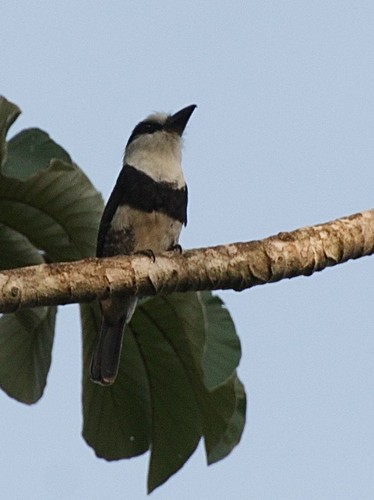
White-necked Puffbird
22-24 cm (8.5-9.5 in) long
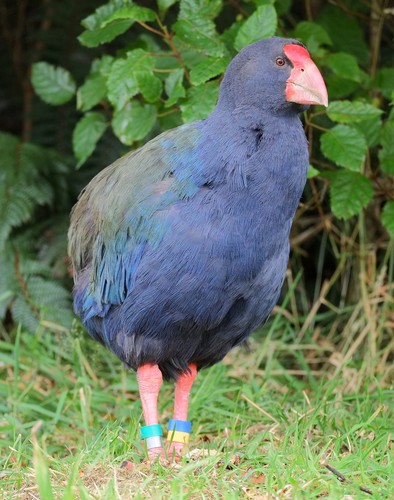
Takahe
50 cm (20 in) long, up to 3.5 kg; flightless
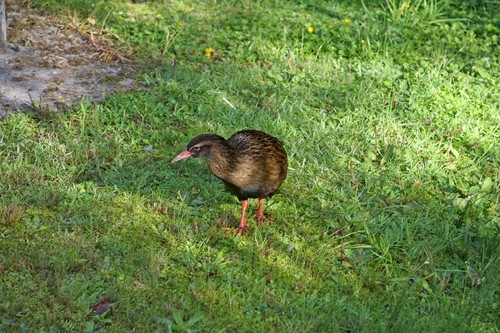
Weka
50-60 cm (20-24 in) long; flightless