
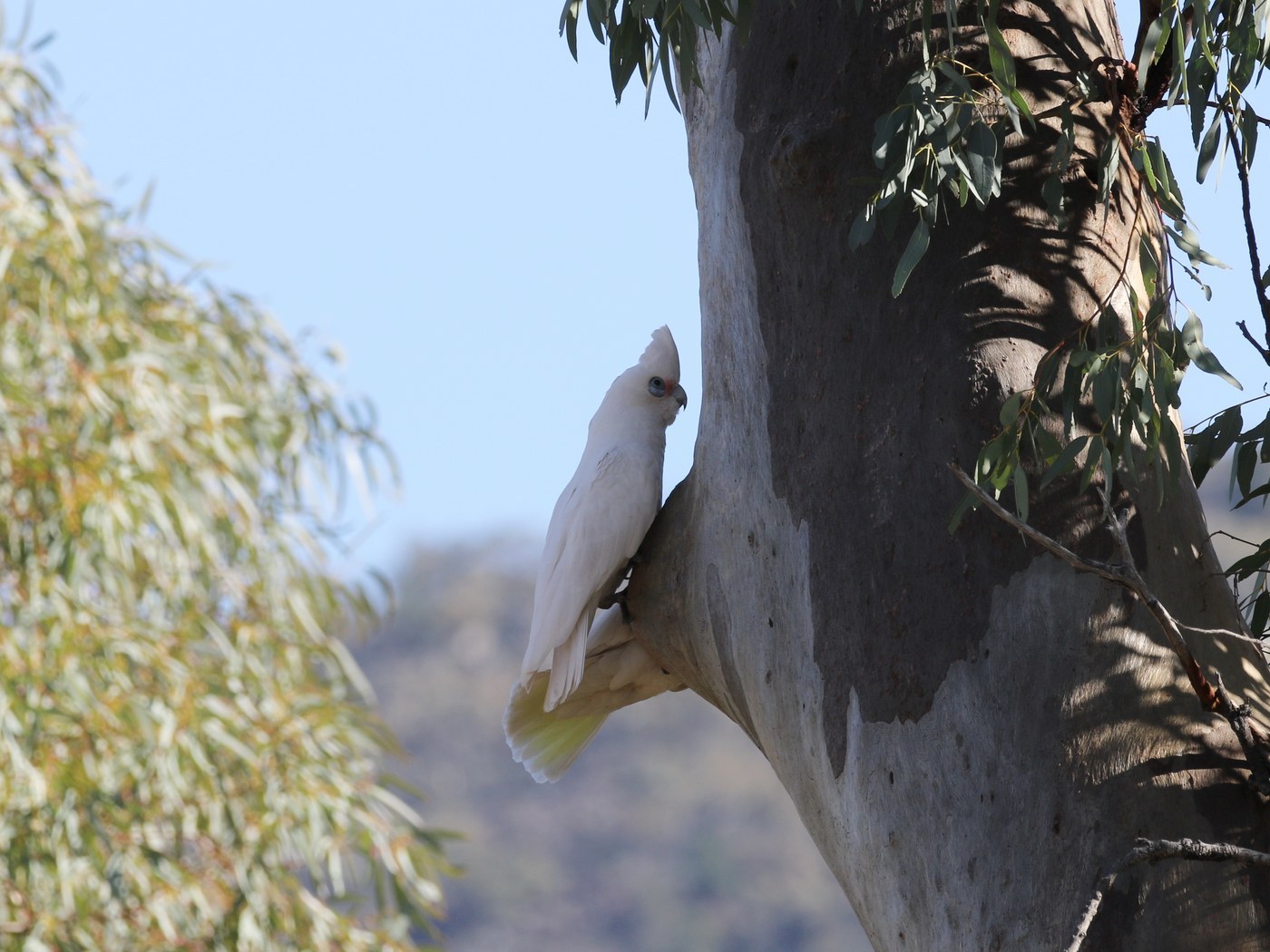
Little Corella
Cacatua sanguinea
A gregarious white cockatoo of inland Australia with pale blue-grey eye-rings, often seen in huge, noisy flocks.
- Size
- 35-40 cm long
- Habitat
- Open woodland, grassland, farmland and areas near water
- Type
- parrot
Spotted a bird like this?
Identify any bird from a photo, free.
Overview
The Little Corella is a mostly white cockatoo with a short, low, rounded crest that is often barely visible when relaxed. Bare skin around the eye is pale blue-grey, and there is a subtle salmon-pink tinge on the lores between the eye and the bill.
Compared to the similar Long-billed Corella, it has a noticeably shorter, stubbier bill and little to no pink coloring on the breast.
How to identify it
Key field marks
- Mostly white plumage with a short, low crest
- Pale blue-grey bare skin around the eye
- Short, stubby bill
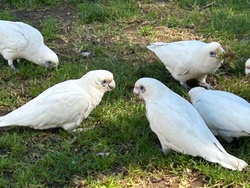
- Very large, noisy flocks, often numbering in the thousands
Similar species
The Long-billed Corella has a much longer, more slender bill and extensive salmon-pink to red markings across the face, throat and upper breast that the Little Corella lacks. The Sulphur-crested Cockatoo is larger, with a tall yellow crest, unlike the Little Corella's short white crest.
Habitat & range
Range
Widespread across mainland Australia, largely absent only from the far southwest, the wetter southeastern coastal strip, and Tasmania. Range and numbers have expanded in recent decades, including into many urban areas.
Habitat
Open woodland, grassland, farmland, and areas near watercourses and wetlands where it can drink and roost communally in large numbers.
Movement
Largely sedentary to locally nomadic, with movements often tied to water and food availability, especially in arid regions.
Behavior & voice
Voice
Extremely noisy, giving loud, raucous screeching and chattering calls, particularly at large communal roosts.
Feeding
Forages mainly on the ground, using its bill to dig for seeds, roots, bulbs and tubers, as well as taking grain and other seed from farmland.
Breeding
Nests in tree hollows, usually near water, and occasionally in cliff cavities. Pairs are monogamous and often nest within large, loosely associated flocks.
Frequently asked questions
How do you tell a Little Corella from a Long-billed Corella?
The Little Corella has a short, stubby bill and little pink on the face or breast, while the Long-billed Corella has a longer, slender bill and extensive pink-red markings on the face and throat.
Why do Little Corellas form such large flocks?
They are highly gregarious and gather in large numbers, especially at communal roosts near water, for safety and social feeding opportunities.
What do Little Corellas eat?
Mostly seeds, roots, bulbs and tubers dug from the ground, along with grain from farmland.
Where are Little Corellas found?
Across most of mainland Australia except the far southwest, the southeastern coastal strip, and Tasmania, with expanding urban populations.
Little Corella guides
In-depth guides for identifying, finding, and understanding Little Corella.
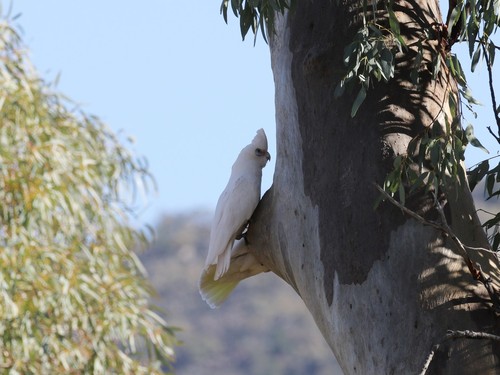
Little Corella identified by the community
Real birds identified with Bird Identifier.
Other birds you may enjoy
Eclectus Parrot
35-42 cm (14-16.5 in) long
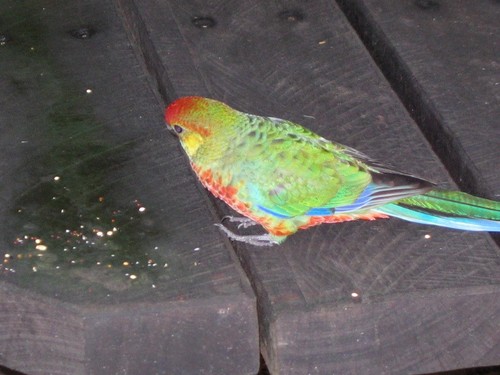
Western Rosella
25-30 cm (10-12 in) long
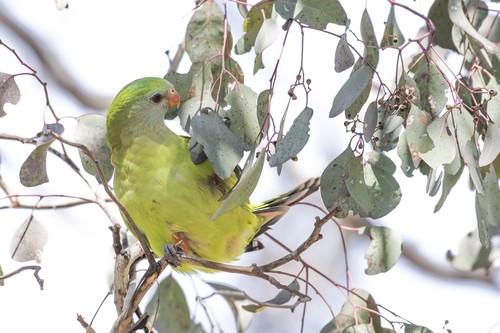
Superb Parrot
About 40 cm (16 in) long including a long tail
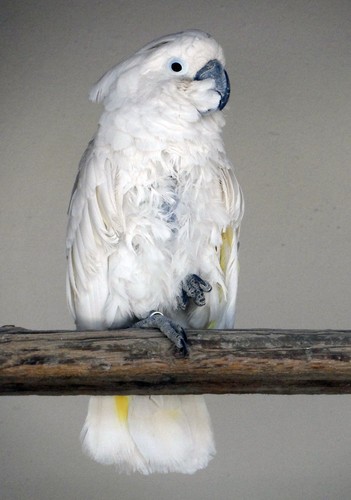
Umbrella Cockatoo
About 46 cm (18 in) long
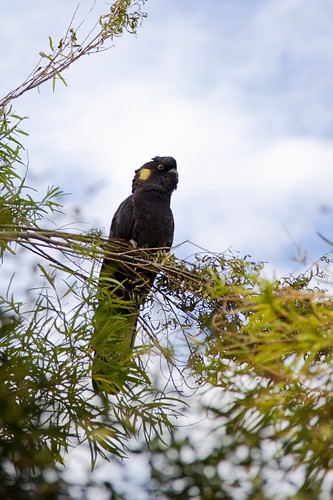
Yellow-tailed Black Cockatoo
55-65 cm long; wingspan up to about 130 cm
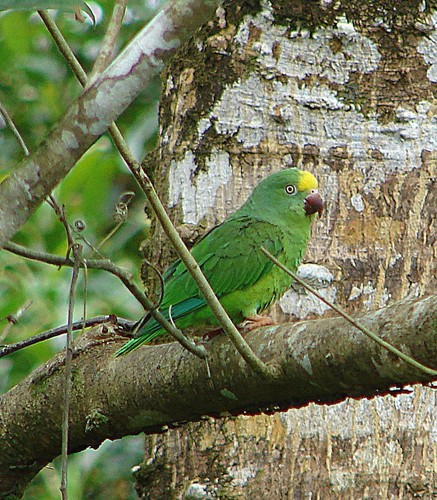
Yellow-crowned Amazon
About 35-38 cm (14-15 in) long
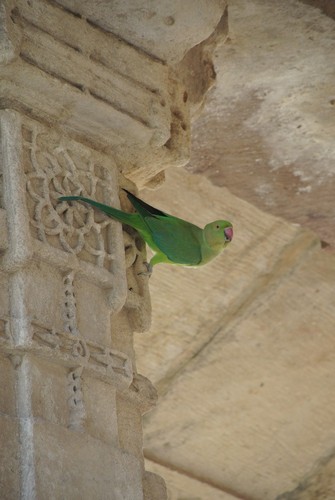
Rose-ringed Parakeet
40 cm (16 in) long including long tail
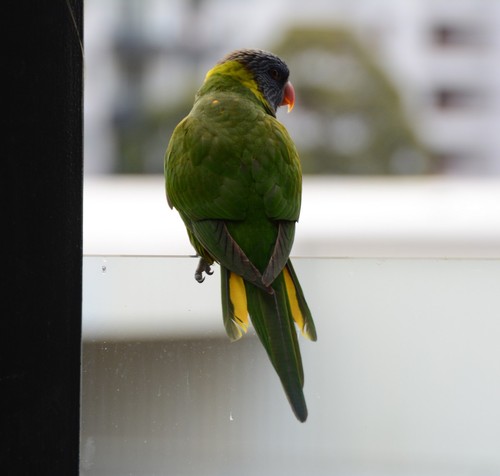
Rainbow Lorikeet
25-30 cm (10-12 in) long
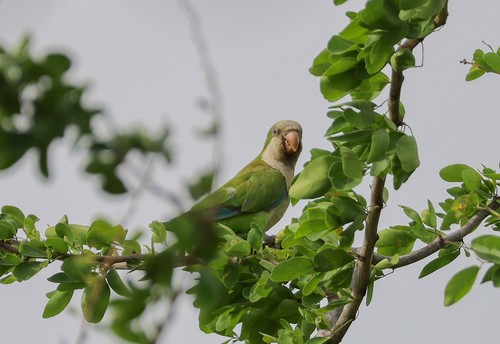
Quaker Parrot
28-31 cm (11-12 in) long
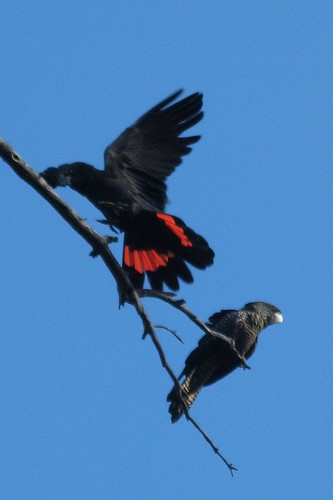
Red-tailed Black Cockatoo
55-65 cm long
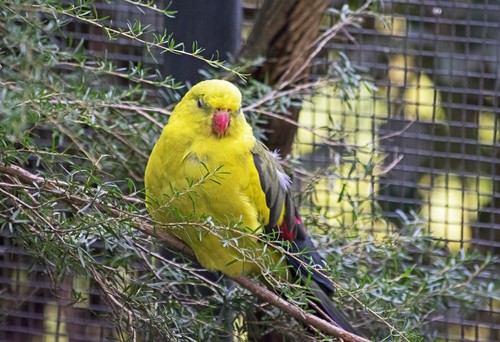
Regent Parrot
37-42 cm (15-17 in) long, including a long tail
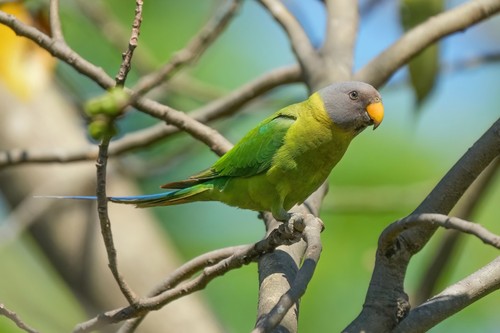
Plum-headed Parakeet
33 cm (13 in) long including tail