
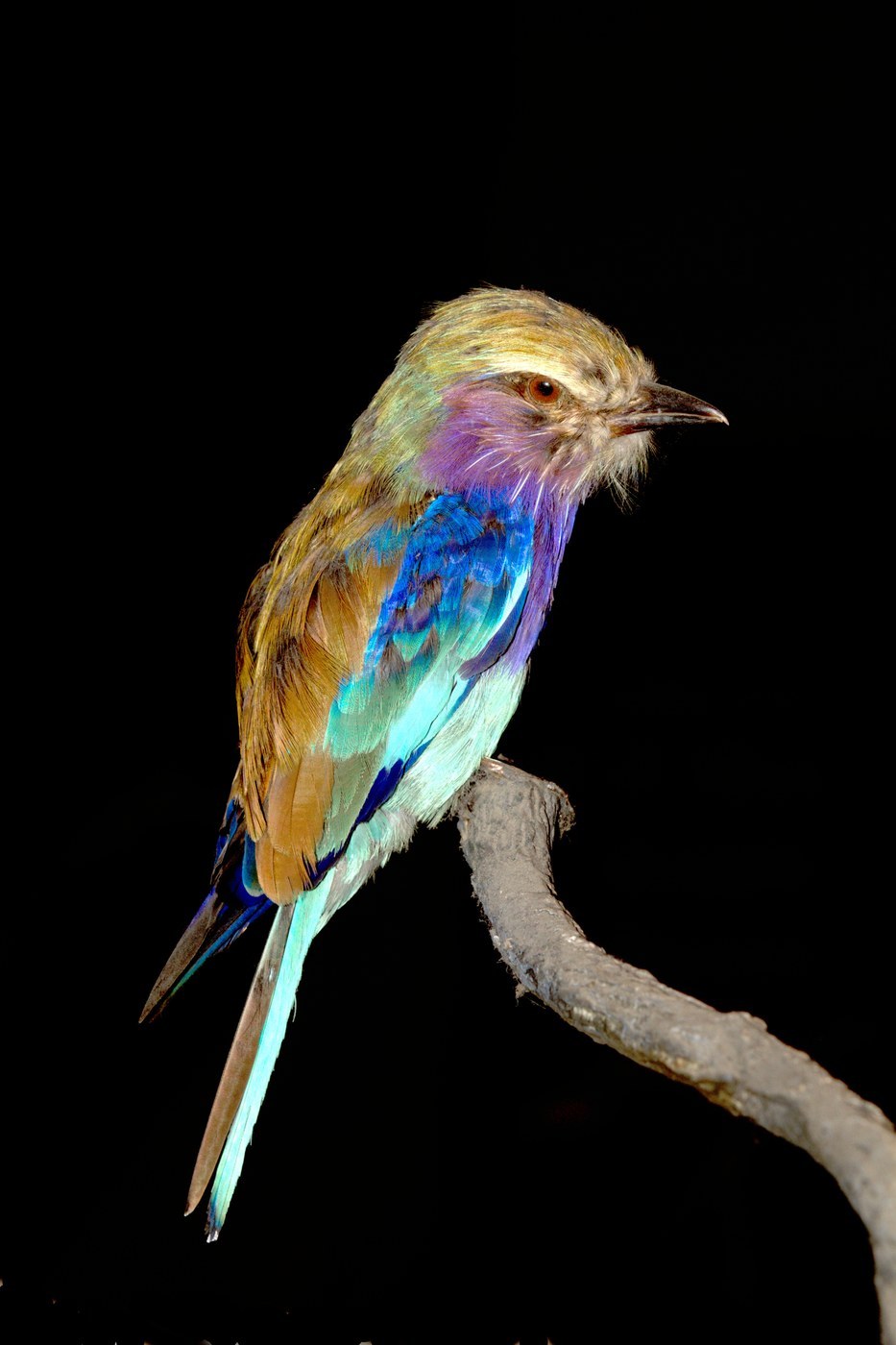
Lilac-breasted Roller
Coracias caudatus
A dazzlingly multicolored African savanna bird famed for its acrobatic tumbling courtship flight display.
- Size
- Length 36-40 cm including elongated tail streamers; wingspan approximately 50-60 cm
- Habitat
- Open savanna and woodland with scattered trees across eastern and southern Africa
- Type
- other
Spotted a bird like this?
Identify any bird from a photo, free.
Overview
The Lilac-breasted Roller is one of Africa's most colorful birds, celebrated for its rainbow plumage combining lilac, turquoise, blue, and green tones. It belongs to the roller family (Coraciidae), named for the tumbling, rolling aerial displays performed during courtship.
Appearance
- Lilac-colored throat and breast, contrasting with an olive-brown back and crown
- Bright turquoise-blue belly, wing patches, and outer tail feathers
- Long, elongated central and outer tail streamers
- Stout, slightly hooked black bill and dark eyes
- Sexes look alike
How to identify it
Key field marks
- Lilac throat and breast band
- Bold turquoise and blue wing and tail patches, especially striking in flight
- Long tail streamers extending beyond the rest of the tail
- Often perches conspicuously on exposed branches, wires, or dead trees scanning for prey
Similar species
Other African rollers such as the Racket-tailed Roller and Broad-billed Roller lack the combination of a lilac breast and long tail streamers. The Lilac-breasted Roller's vivid multicolored plumage and prominent perching behavior make it fairly distinctive within its range.
Habitat & range
Habitat
This species favors open savanna, dry woodland, and bushveld with scattered trees and bare perches used for hunting.
Range
It is found across eastern and southern Africa, from the Horn of Africa south through East Africa to South Africa, generally avoiding dense forest and true desert.
Migration
Some populations are resident year-round, while others, particularly in the more seasonal southern parts of the range, undertake local or regional movements linked to rainfall and prey availability.
Behavior & voice
Behavior
Lilac-breasted Rollers are solitary or found in pairs, perching prominently and dropping to the ground or sallying into the air to catch prey, then returning to the same or a nearby perch. Their name comes from the spectacular rolling, diving courtship flight in which the bird twists and tumbles while calling loudly.
Voice
Calls are harsh, guttural, crow-like squawks and chattering notes, often given during flight displays or when agitated.
Feeding
They are sit-and-wait predators, feeding mainly on large insects such as grasshoppers and beetles, as well as small lizards, snakes, and occasionally small birds or rodents.
Nesting & breeding
Lilac-breasted Rollers nest in natural tree cavities or old woodpecker/barbet holes, laying a small clutch of white eggs. Both parents help feed the young, and the species is often territorial around the nest site, aggressively driving off intruders.
Frequently asked questions
Why is it called a roller?
The name comes from the male's dramatic courtship flight display, in which he dives and rolls acrobatically while calling loudly.
What does a Lilac-breasted Roller eat?
It mainly eats large insects like grasshoppers and beetles, along with small lizards, snakes, and occasionally small vertebrates, caught by dropping from an exposed perch.
Where can you see a Lilac-breasted Roller?
It is common in open savanna and woodland across eastern and southern Africa and is a frequently photographed species on safari due to its habit of perching in the open.
Do male and female Lilac-breasted Rollers look different?
No, the sexes are visually similar, both showing the same vivid lilac, turquoise, and blue plumage.
Lilac-breasted Roller guides
In-depth guides for identifying, finding, and understanding Lilac-breasted Roller.
Other birds you may enjoy
Kiwi
35-55 cm (14-22 in) long; roughly chicken-sized
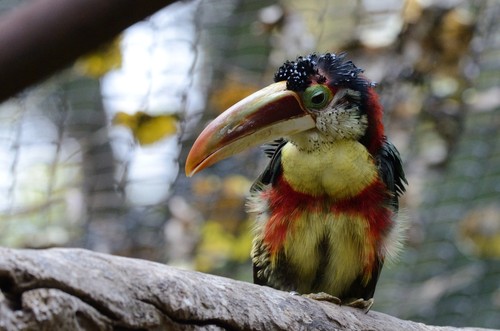
Curl-crested Aracari
41-46 cm (16-18 in) long, including a long bill and tail
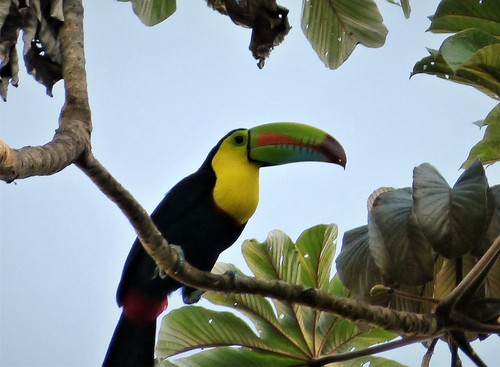
Keel-billed Toucan
42-55 cm (17-22 in) long including bill
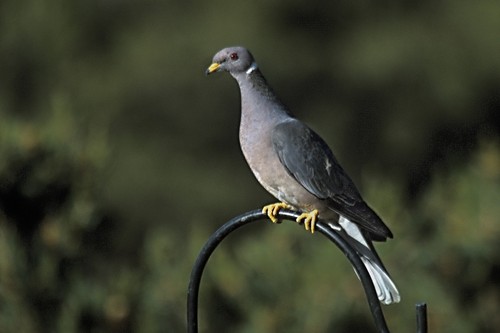
Band-tailed Pigeon
33-38 cm (13-15 in) long, wingspan about 66 cm (26 in)
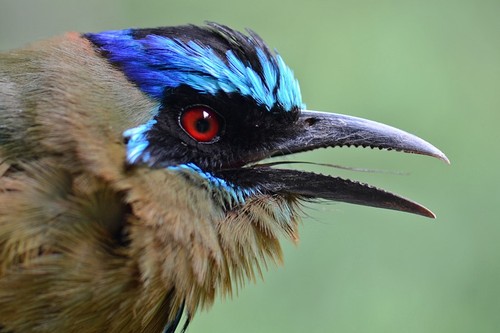
Blue-crowned Motmot
38-43 cm (15-17 in) long including tail
White-tipped Dove
27-30 cm (10.5-12 in) long, 38-43 cm wingspan

White-throated Kingfisher
27-28 cm (10.5-11 in) long
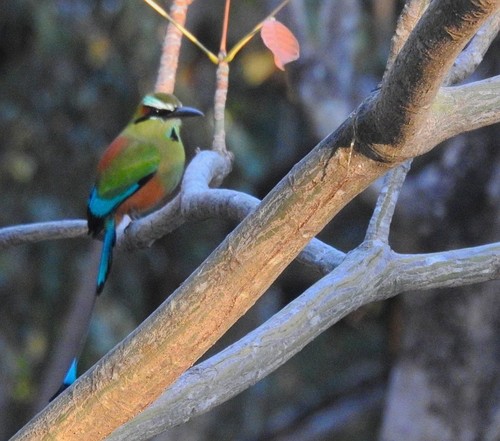
Turquoise-browed Motmot
34 cm (13 in) long including tail
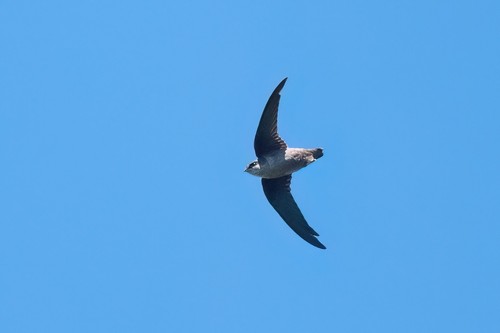
Vaux's Swift
10-12 cm (4-4.5 in) long, 27-30 cm wingspan
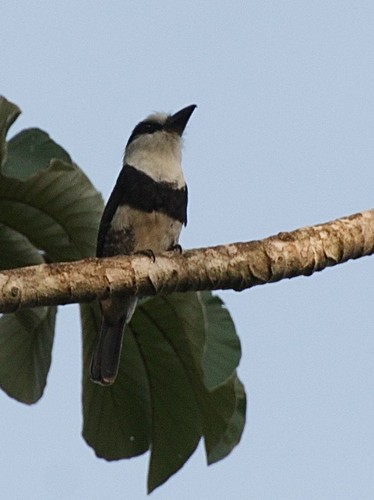
White-necked Puffbird
22-24 cm (8.5-9.5 in) long
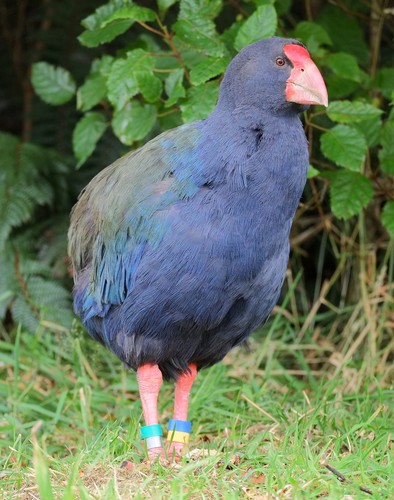
Takahe
50 cm (20 in) long, up to 3.5 kg; flightless
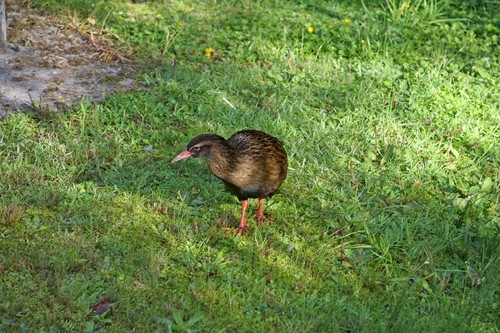
Weka
50-60 cm (20-24 in) long; flightless