
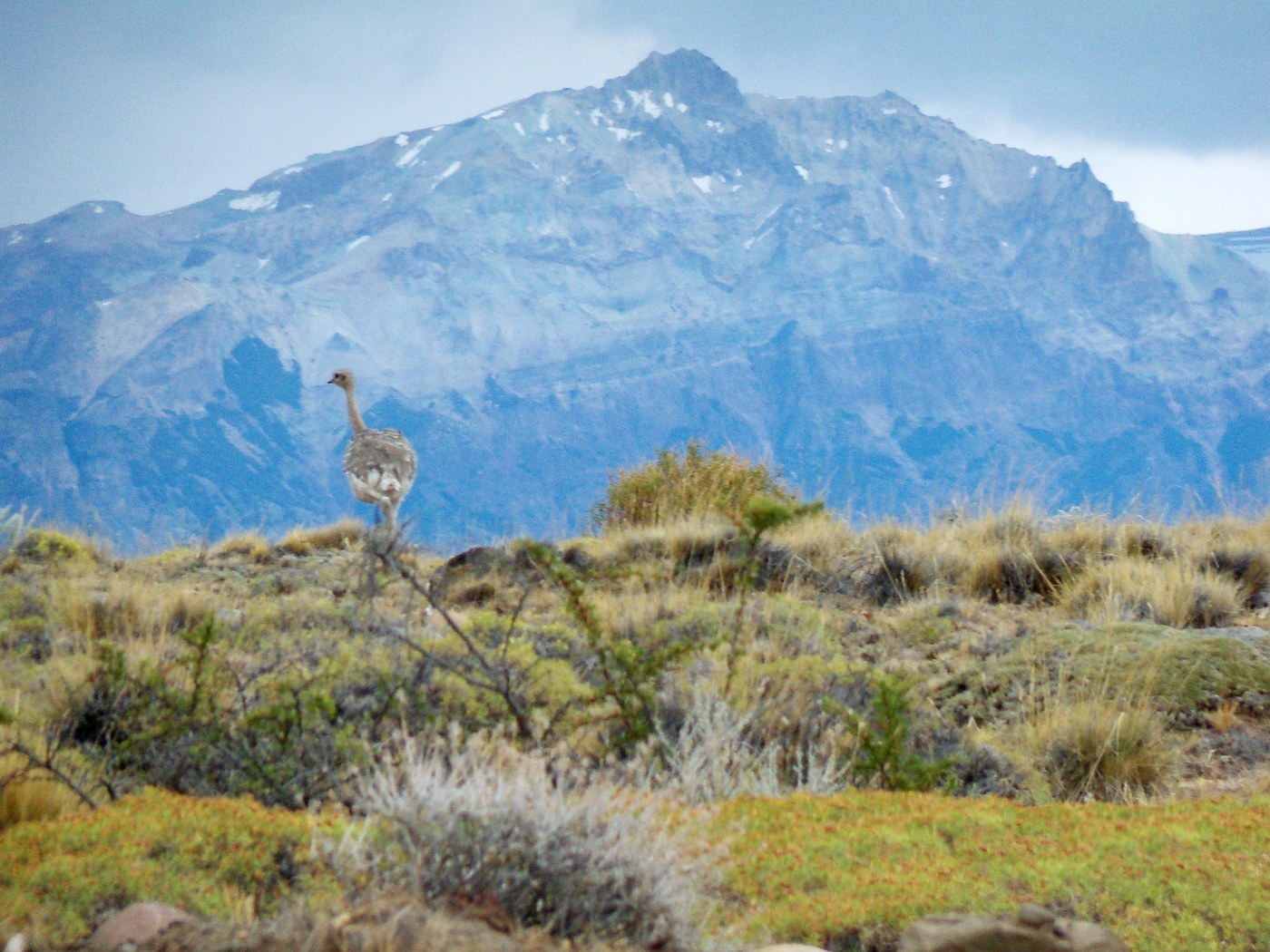
Lesser Rhea
Rhea pennata
A large flightless bird of the southern South American steppe, smaller and paler than the Greater Rhea, with grayish-brown plumage flecked with white.
- Size
- 90-100 cm (35-39 in) tall
- Habitat
- Patagonian steppe and high Andean altiplano
- Type
- other
Spotted a bird like this?
Identify any bird from a photo, free.
Overview
The Lesser Rhea, also known as Darwin's Rhea, is a large, flightless, ostrich-like bird of open southern South American landscapes, smaller and generally paler than its relative the Greater Rhea. Its plumage is a grayish-brown, mottled with white spotting, particularly on the back and wings, which helps it blend into the dry grasslands and scrub it inhabits. It has a long neck, long powerful legs built for running, and small, largely vestigial wings that it spreads for balance and display rather than flight.
Well adapted to some of the harshest and most open habitats in South America, from the windswept steppe of Patagonia to the high, cold altiplano of the central Andes, it relies on speed and keen eyesight to evade predators, capable of running at high speed across open terrain when threatened.
How to identify it
Key field marks
- Large, flightless, ostrich-like body shape with a long neck and long legs
- Grayish-brown plumage mottled with white spotting, paler overall than the Greater Rhea
- Small, vestigial wings held for balance rather than flight
- Found in open steppe and altiplano habitat, generally at higher elevations or further south than the Greater Rhea
Similar species
- Greater Rhea is larger and darker, generally found in lower-elevation grasslands and savanna further north and east, with limited range overlap.
- No other bird in its range shares its large flightless body and open-country habitat.
Habitat & range
Habitat
Inhabits open grassland steppe, scrubland, and high-altitude altiplano.
Range
Found across Patagonia in southern Argentina and Chile, as well as the high Andean altiplano of Peru, Bolivia, and northern Chile and Argentina.
Migration
Generally sedentary, though some populations may shift locally with seasonal food and water availability.
Behavior & voice
Behavior
Gregarious outside the breeding season, often forming loose flocks that forage together; males are polygynous, mating with several females who lay eggs together in a single shared ground nest that the male alone incubates and defends.
Voice
Generally silent, though males give a low, booming call during the breeding season, along with hissing sounds when alarmed or threatened.
Feeding
Feeds on a broad diet of grasses, seeds, roots, insects, and small vertebrates, foraging by walking slowly across open ground.
Nesting
Males build a simple ground scrape nest and incubate the combined clutch from several females, sometimes twenty or more eggs, alone, later caring for the chicks after hatching.
Frequently asked questions
How do you identify a Lesser Rhea?
Look for a large, flightless, ostrich-like bird with grayish-brown, white-spotted plumage, smaller and paler overall than the Greater Rhea, in open steppe or altiplano habitat.
Why is it called Darwin's Rhea?
The species is named in honor of Charles Darwin, who described and collected specimens of the bird during his voyage on HMS Beagle.
Do male or female rheas incubate the eggs?
The male alone incubates the combined clutch of eggs laid by several females in a shared ground nest and cares for the chicks after they hatch.
What does a Lesser Rhea eat?
A broad diet of grasses, seeds, roots, insects, and small vertebrates, foraged while walking across open ground.
Where does the Lesser Rhea live?
In open Patagonian steppe of southern Argentina and Chile, and on the high Andean altiplano further north.
Lesser Rhea guides
In-depth guides for identifying, finding, and understanding Lesser Rhea.
Other birds you may enjoy
Kiwi
35-55 cm (14-22 in) long; roughly chicken-sized
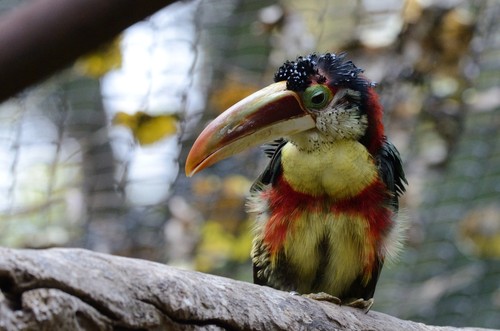
Curl-crested Aracari
41-46 cm (16-18 in) long, including a long bill and tail
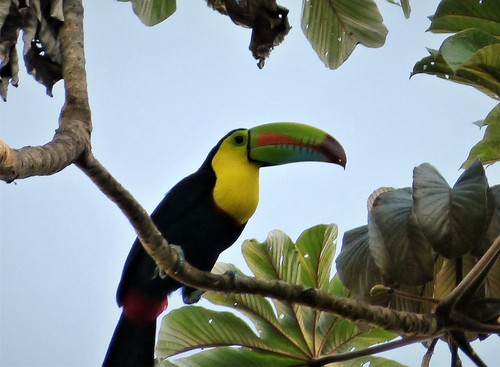
Keel-billed Toucan
42-55 cm (17-22 in) long including bill
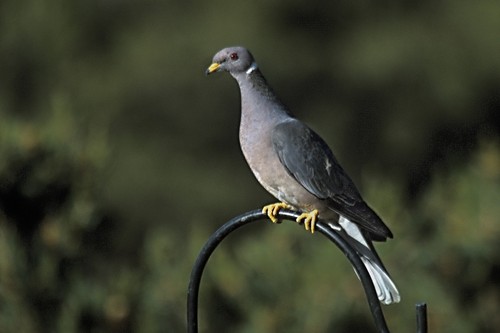
Band-tailed Pigeon
33-38 cm (13-15 in) long, wingspan about 66 cm (26 in)
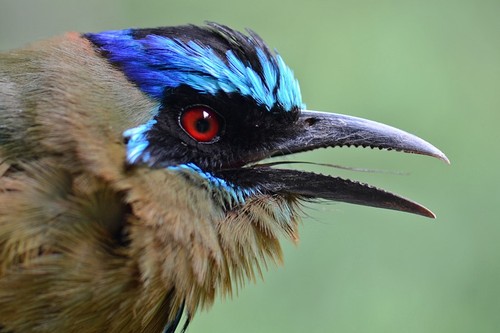
Blue-crowned Motmot
38-43 cm (15-17 in) long including tail
White-tipped Dove
27-30 cm (10.5-12 in) long, 38-43 cm wingspan
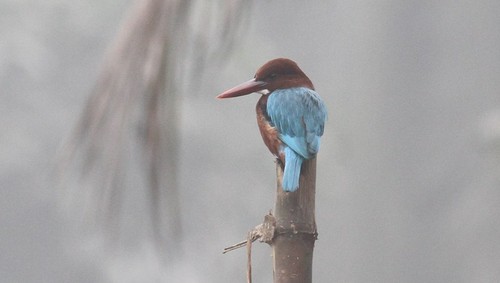
White-throated Kingfisher
27-28 cm (10.5-11 in) long
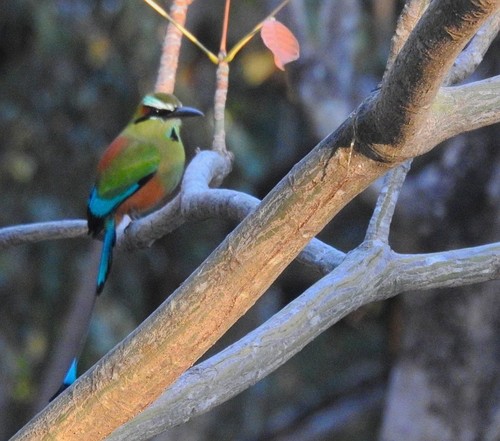
Turquoise-browed Motmot
34 cm (13 in) long including tail
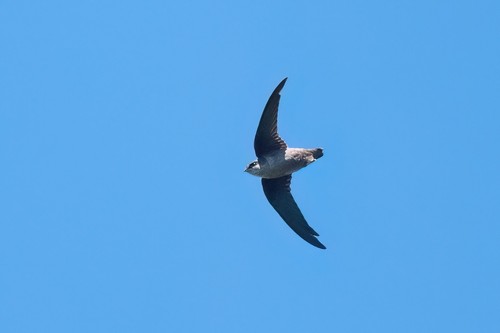
Vaux's Swift
10-12 cm (4-4.5 in) long, 27-30 cm wingspan
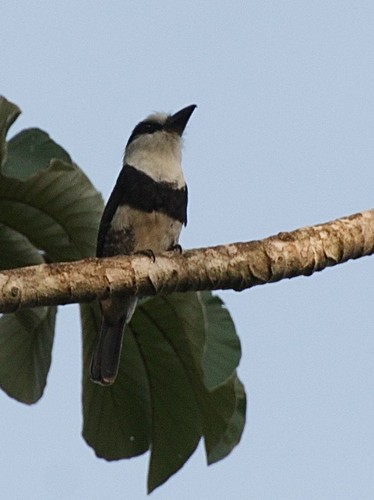
White-necked Puffbird
22-24 cm (8.5-9.5 in) long
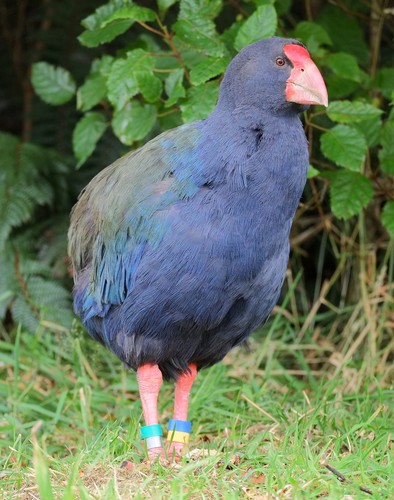
Takahe
50 cm (20 in) long, up to 3.5 kg; flightless
Weka
50-60 cm (20-24 in) long; flightless