
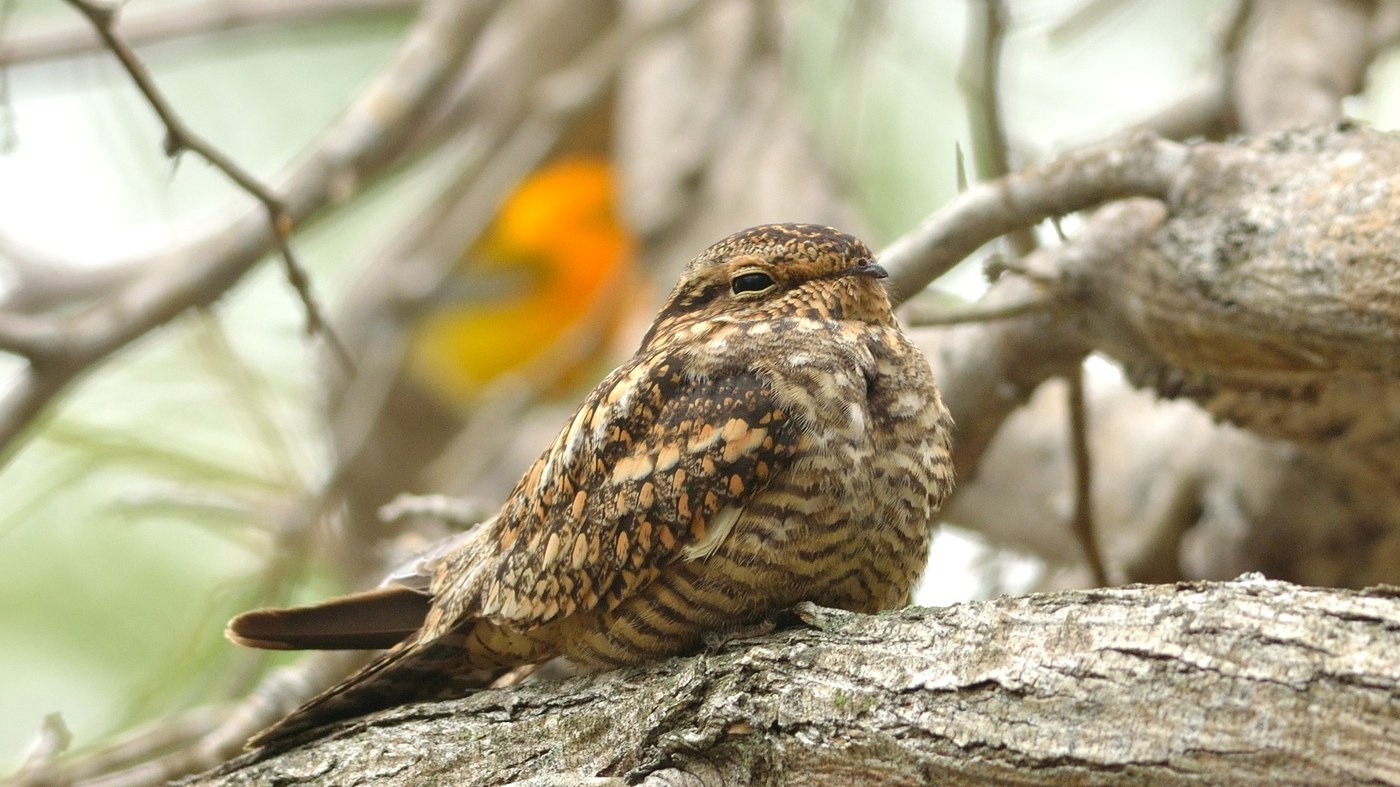
Lesser Nighthawk
Chordeiles acutipennis
A desert-dwelling nighthawk, smaller and buffier than the Common Nighthawk, with a low, soft trilling call and lower flight.
- Size
- 20-22 cm (8-8.5 in) long, 50-56 cm wingspan
- Habitat
- desert lowlands, arid scrub, and open flats
- Type
- other
Spotted a bird like this?
Identify any bird from a photo, free.
Overview
The Lesser Nighthawk is the characteristic desert nighthawk of the southwestern United States, closely resembling its more widespread relative, the Common Nighthawk, but generally warmer buffy-brown in tone and smaller in size. Like other nightjars, it has cryptic mottled plumage for camouflage and long, pointed wings marked with a bold white or buffy bar. It typically forages lower to the ground and with more fluttering, less erratic flight than the Common Nighthawk, often hunting low over desert flats and washes at dusk.
How to identify it
Key Field Marks
- Smaller and buffier overall than Common Nighthawk
- White or buffy wing bar positioned closer to the wingtip than in Common Nighthawk
- Flight is lower to the ground and more fluttering, less erratic and high-flying
- Voice is a soft, low, trilling or churring sound, quite different from the Common Nighthawk's nasal "peent"
Similar Species
- Common Nighthawk is larger, grayer, has a wing bar set farther from the wingtip, flies higher with more erratic wingbeats, and gives a nasal "peent" call rather than a trill.
- Common Pauraque lacks the long pointed wings and white wing bar and has a distinctive whistled call.
Habitat & range
Habitat
Lesser Nighthawks favor open desert lowlands, arid scrub, agricultural edges, and river washes, generally at lower elevations than the Common Nighthawk.
Range
They breed across the desert Southwest, including southern California, Arizona, New Mexico, and Texas, ranging south through Mexico and Central America into South America.
Migration
U.S. and northern Mexican populations migrate south for the winter, with some remaining resident in warmer parts of the range farther south.
Behavior & voice
Behavior
Lesser Nighthawks are crepuscular and nocturnal, foraging low over open ground at dusk and after dark, often in loose groups where insects are abundant.
Voice
The distinctive call is a soft, low, trilling or churring sound, quite different from the sharp nasal peent of the Common Nighthawk.
Feeding
They feed exclusively on flying insects caught in flight, including moths, beetles, and flying ants, often foraging low over desert vegetation or open water.
Nesting
No nest is built; the female lays eggs directly on bare, gravelly, or sandy ground in open desert habitat, relying on cryptic plumage for camouflage.
Frequently asked questions
How do you tell a Lesser Nighthawk from a Common Nighthawk?
Lesser Nighthawks are smaller and buffier, have their wing bar positioned closer to the wingtip, fly lower with more fluttering wingbeats, and give a soft trill rather than a nasal peent.
What does a Lesser Nighthawk sound like?
It gives a soft, low, trilling or churring call, quite different from the sharper calls of other nightjars.
Where do Lesser Nighthawks live?
They are found in desert lowlands and arid scrub of the southwestern United States, ranging south through Mexico, Central America, and into South America.
What time of day is a Lesser Nighthawk active?
It is most active at dusk and after dark, hunting flying insects low over open desert terrain.
Lesser Nighthawk guides
In-depth guides for identifying, finding, and understanding Lesser Nighthawk.
Other birds you may enjoy
Kiwi
35-55 cm (14-22 in) long; roughly chicken-sized
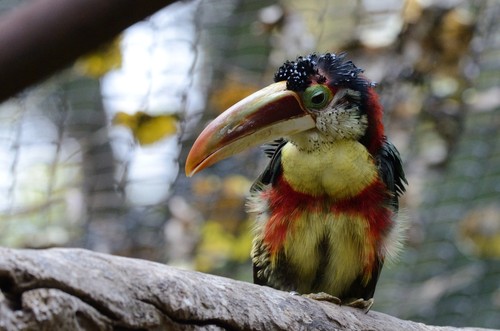
Curl-crested Aracari
41-46 cm (16-18 in) long, including a long bill and tail
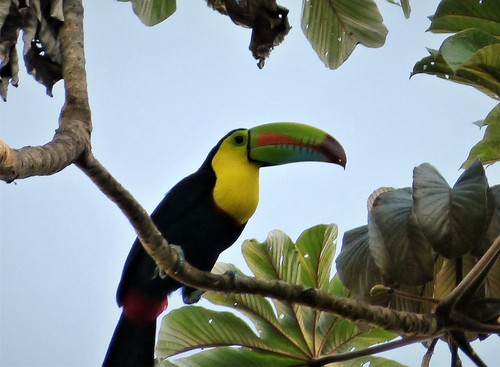
Keel-billed Toucan
42-55 cm (17-22 in) long including bill
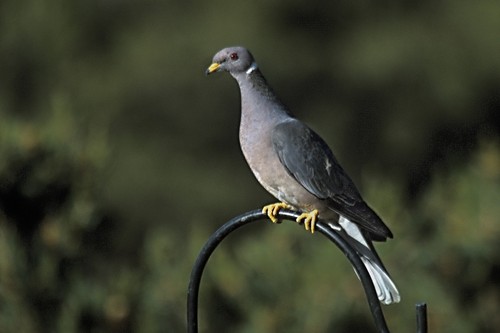
Band-tailed Pigeon
33-38 cm (13-15 in) long, wingspan about 66 cm (26 in)
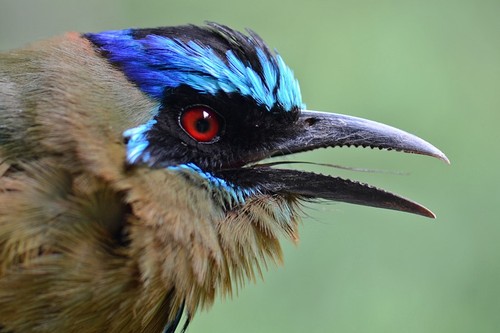
Blue-crowned Motmot
38-43 cm (15-17 in) long including tail
White-tipped Dove
27-30 cm (10.5-12 in) long, 38-43 cm wingspan
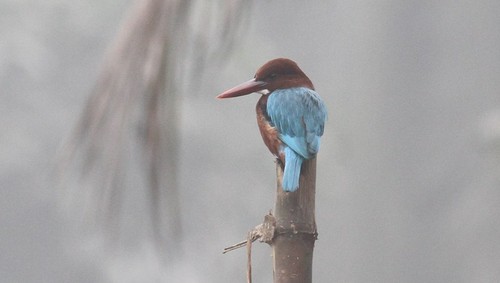
White-throated Kingfisher
27-28 cm (10.5-11 in) long
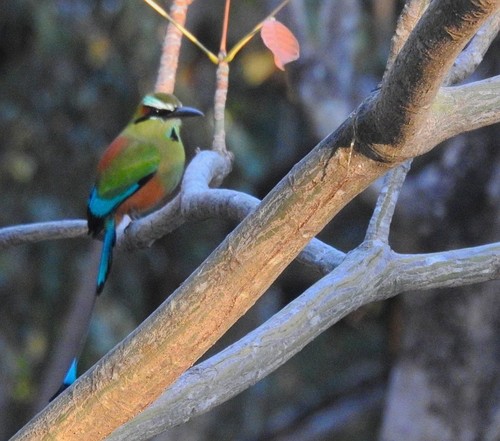
Turquoise-browed Motmot
34 cm (13 in) long including tail
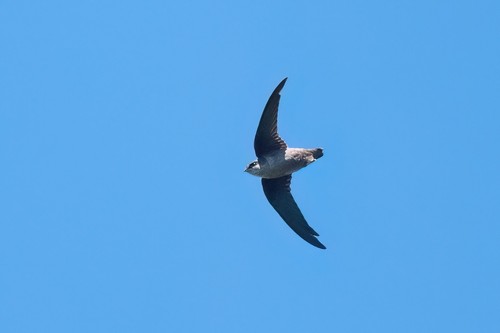
Vaux's Swift
10-12 cm (4-4.5 in) long, 27-30 cm wingspan
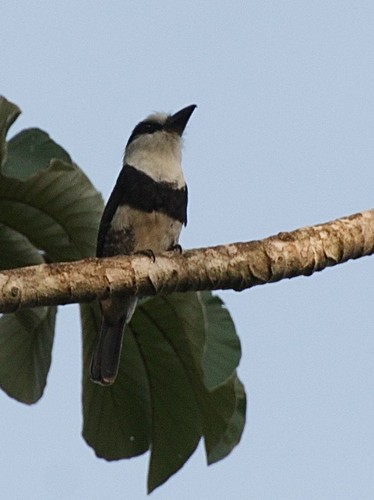
White-necked Puffbird
22-24 cm (8.5-9.5 in) long
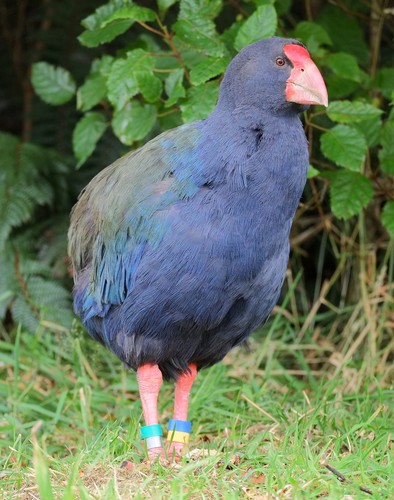
Takahe
50 cm (20 in) long, up to 3.5 kg; flightless
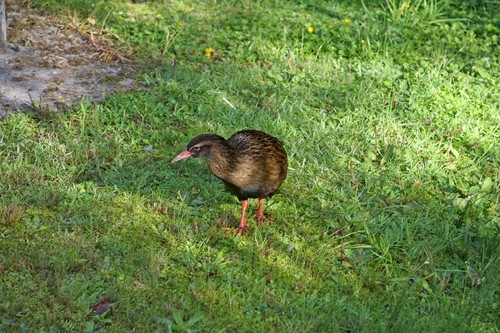
Weka
50-60 cm (20-24 in) long; flightless