
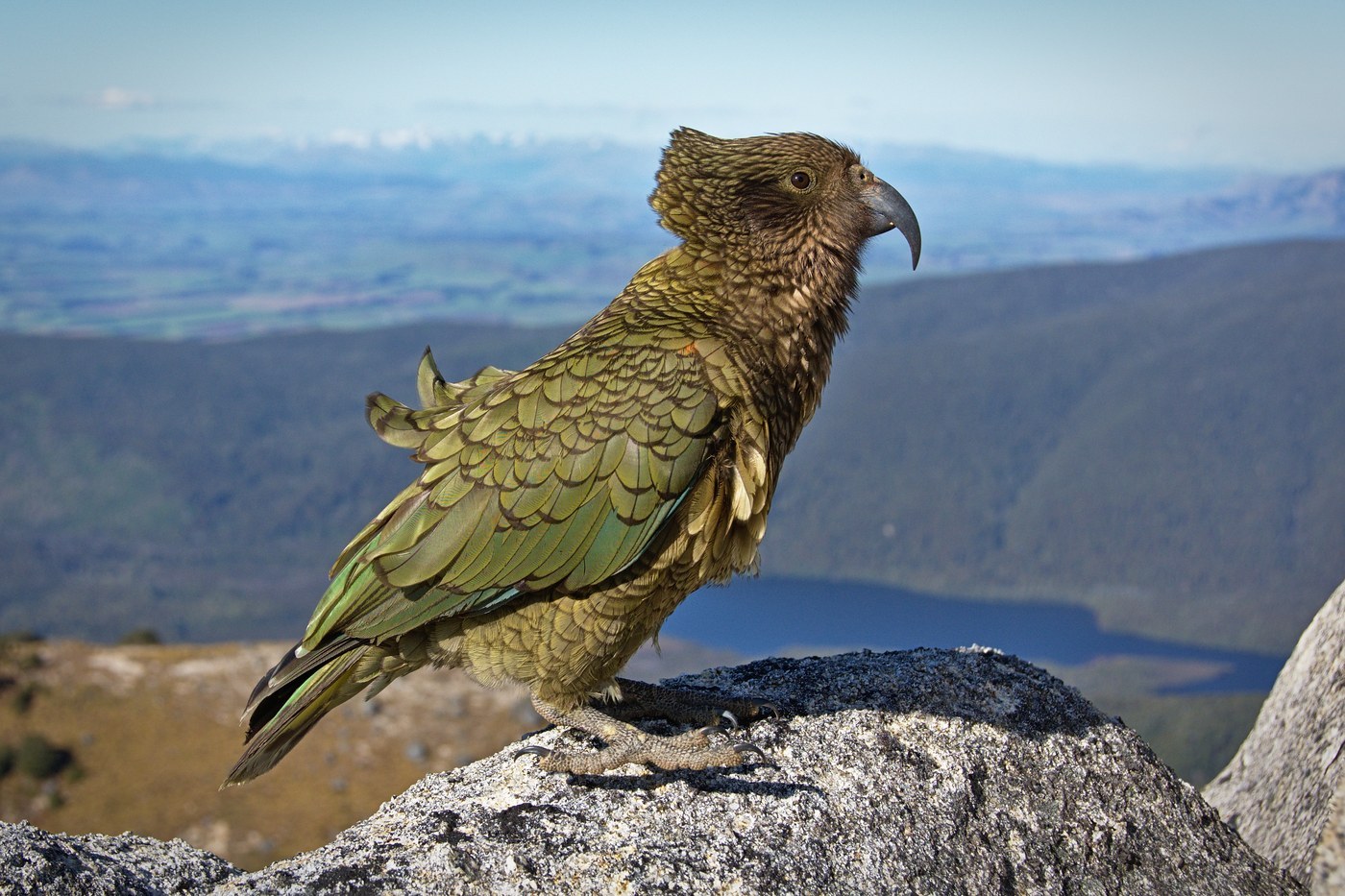
Kea
Nestor notabilis
A large, highly intelligent olive-green mountain parrot from New Zealand's South Island, the world's only alpine-dwelling parrot.
- Size
- 46-50 cm (18-20 in) long
- Habitat
- Alpine and subalpine forest and open mountain terrain, South Island, New Zealand
- Type
- parrot
Spotted a bird like this?
Identify any bird from a photo, free.
Overview
The Kea is a large parrot endemic to the South Island of New Zealand and the only parrot species in the world adapted to an alpine environment. It is renowned among ornithologists for its exceptional intelligence and curiosity.
Appearance
Overall plumage is olive-green with dusky scalloped edging on the feathers, giving a slightly mottled look. In flight, the underwings flash a bright orange-red, a striking contrast to the otherwise subdued body color. The bill is large, grey-brown, and strongly curved, well suited to its varied diet.
How to identify it
Key field marks
- Olive-green body with scalloped feather edges
- Bright orange-red underwing patches, conspicuous in flight
- Large, strongly curved grey-brown bill
- Found in open alpine and subalpine terrain, often near tree line
Similar species
The Kea's closest relative, the Kaka, is more reddish-brown overall with a orange-red belly and crimson underwing, and inhabits lowland and montane forest rather than open alpine country. Habitat and range are usually the quickest way to separate the two, since the Kea is rarely far from mountainous terrain.
Habitat & range
Range
The Kea is endemic to the South Island of New Zealand, found nowhere else in the world.
Habitat
It occupies alpine and subalpine zones, including beech forest edges, scrubland, and tussock grassland, often ranging up to and above the tree line near permanent snow.
Migration
Kea are non-migratory, though birds may shift to lower elevations during harsh winter conditions in search of food.
Behavior & voice
Behavior
Kea are exceptionally intelligent and inquisitive, frequently investigating unfamiliar objects and demonstrating advanced problem-solving abilities; they are considered among the most cognitively capable of all parrots. They are highly social, often seen in small flocks.
Voice
The species' name derives from its loud, far-carrying "kee-aa" call, given both in flight and while perched.
Feeding
Kea have a broad omnivorous diet including roots, leaves, berries, nectar, insects, and carrion, reflecting their adaptability to the sparse resources of alpine environments.
Nesting and breeding
Nests are built in ground burrows, rock crevices, or under tree roots. Breeding typically occurs during the southern winter and spring months.
Frequently asked questions
Where do Kea live?
Kea are found only in the alpine and subalpine mountains of New Zealand's South Island.
What makes the Kea unusual among parrots?
It is the only parrot species in the world adapted to live in an alpine mountain environment, and it is noted for exceptional intelligence and curiosity.
How do you tell a Kea from a Kaka?
The Kea is olive-green with orange-red underwings and lives in open alpine terrain, while the closely related Kaka is more reddish-brown with an orange-red belly and lives in forest.
What does the Kea eat?
Kea are omnivorous, eating plant material such as roots, leaves, berries, and nectar as well as insects and carrion.
Is the Kea endangered?
Yes, the Kea is listed as Endangered due to predation by introduced mammals and past persecution.
Kea guides
In-depth guides for identifying, finding, and understanding Kea.
Other birds you may enjoy
Eclectus Parrot
35-42 cm (14-16.5 in) long
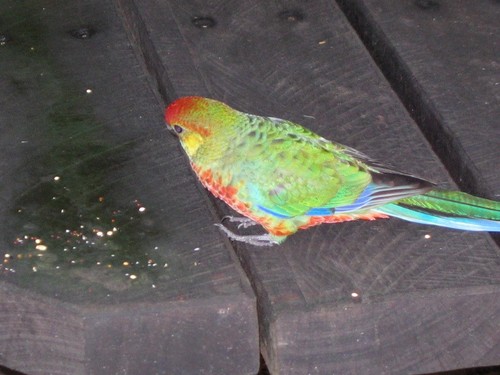
Western Rosella
25-30 cm (10-12 in) long
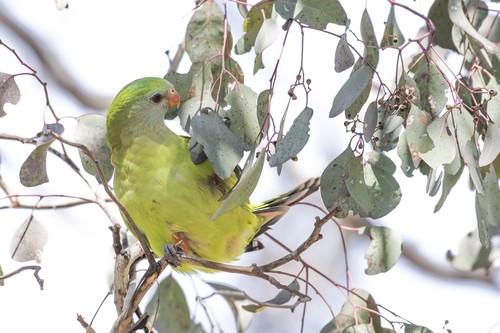
Superb Parrot
About 40 cm (16 in) long including a long tail
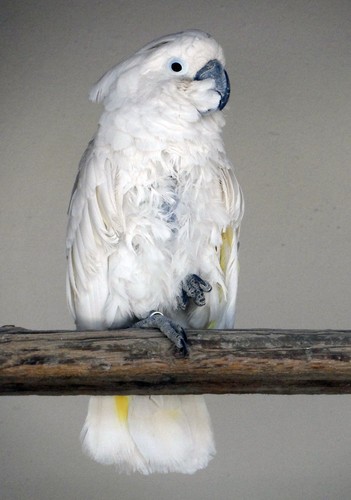
Umbrella Cockatoo
About 46 cm (18 in) long
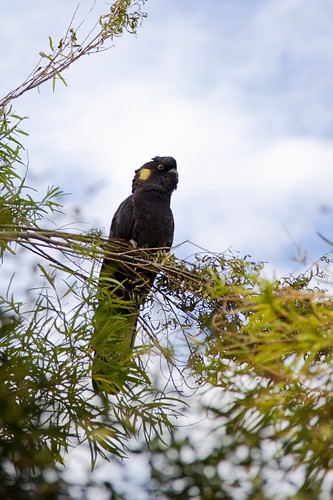
Yellow-tailed Black Cockatoo
55-65 cm long; wingspan up to about 130 cm
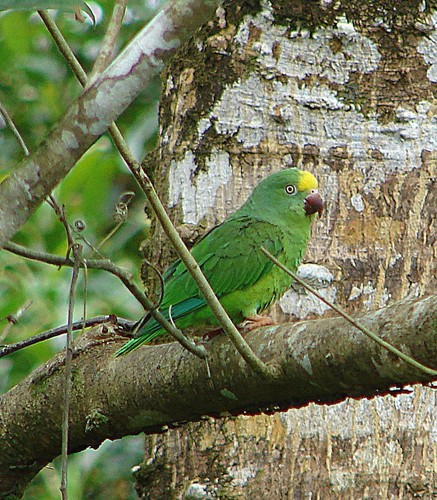
Yellow-crowned Amazon
About 35-38 cm (14-15 in) long
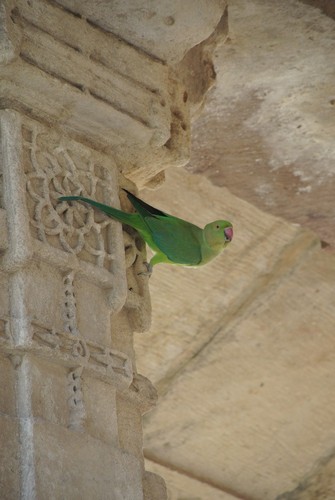
Rose-ringed Parakeet
40 cm (16 in) long including long tail
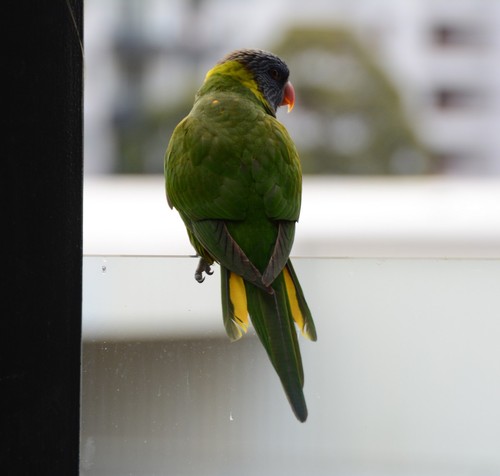
Rainbow Lorikeet
25-30 cm (10-12 in) long
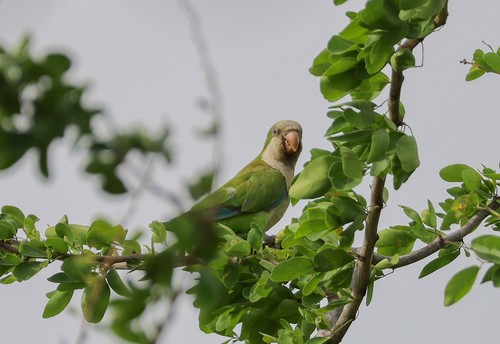
Quaker Parrot
28-31 cm (11-12 in) long
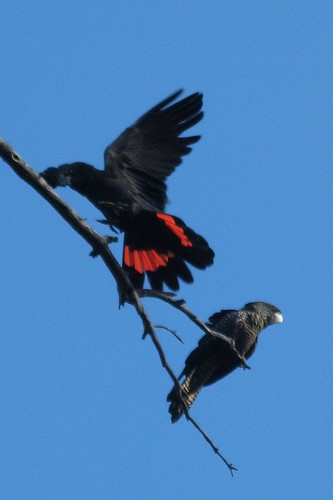
Red-tailed Black Cockatoo
55-65 cm long
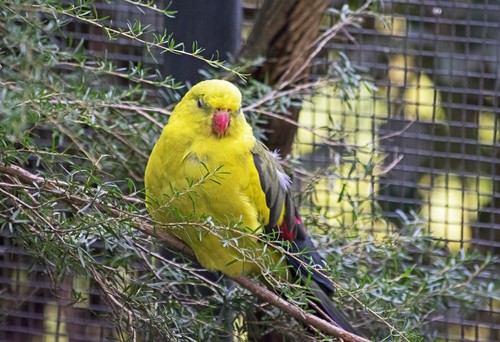
Regent Parrot
37-42 cm (15-17 in) long, including a long tail
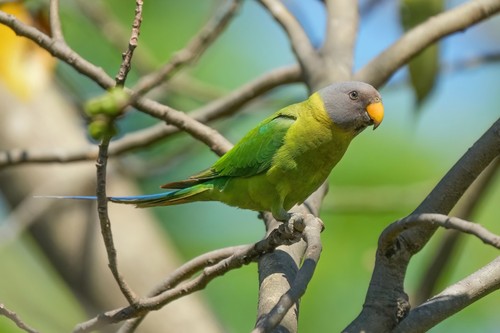
Plum-headed Parakeet
33 cm (13 in) long including tail