
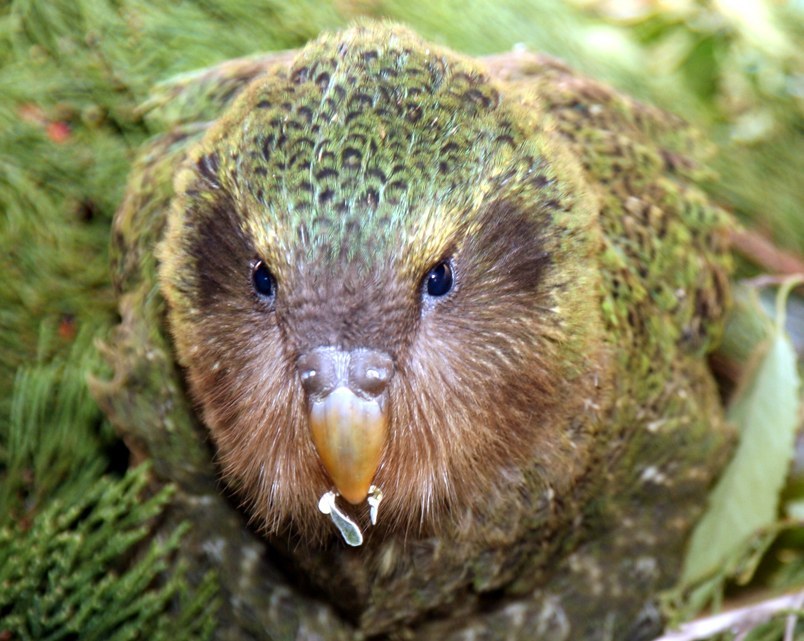
Kakapo
Strigops habroptilus
A flightless, nocturnal, moss-green New Zealand parrot and the heaviest parrot in the world, now surviving only on intensively managed predator-free islands.
- Size
- 58-64 cm (23-25 in) long; males up to 4 kg, the heaviest parrot species
- Habitat
- Predator-free island reserves in New Zealand; historically native forest and scrubland
- Type
- parrot
Spotted a bird like this?
Identify any bird from a photo, free.
Overview
The Kakapo is a large, flightless, nocturnal parrot found only in New Zealand. It is the heaviest parrot species alive and among the longest-lived of all birds.
Appearance
Plumage is moss-green mottled with black and yellow, providing effective camouflage against forest vegetation. The face bears a distinctive owl-like disc of fine, whisker-like feathers around the beak, which helps it navigate and forage by touch and smell in darkness. The wings are short and rounded, useful for balance and controlled gliding descents from trees rather than powered flight, and the legs and feet are large and strong for a ground-dwelling lifestyle.
How to identify it
Key field marks
- Large, heavy-bodied, flightless parrot
- Moss-green plumage mottled with black and yellow
- Owl-like facial disc of fine feathers
- Short rounded wings held loosely, not used for sustained flight
- Strong legs and large feet adapted for walking and climbing
Similar species
The Kakapo is unmistakable: it is the world's only flightless parrot, so no confusion is possible with any other parrot species. Its nocturnal habits and ground-based movement further separate it from all diurnal, flighted New Zealand parrots such as the Kea and Kaka.
Habitat & range
Range
Kakapo were once widespread across New Zealand's forests and scrublands but were driven to near-extinction by introduced predators such as rats, stoats, and cats. The species now survives only on a small number of intensively managed, predator-free offshore islands, including Whenua Hou (Codfish Island) and Anchor Island, as part of an ongoing national recovery program.
Habitat
Historically found in native podocarp and beech forest as well as subalpine scrub, surviving populations today are managed within predator-free reserves that mimic these original forest habitats.
Migration
Kakapo are non-migratory and largely sedentary within their home ranges, though individuals may travel considerable distances between feeding areas and breeding lek sites.
Behavior & voice
Behavior
Kakapo are solitary, ground-dwelling, and strictly nocturnal, spending daylight hours roosting in concealed spots and becoming active after dark to forage and, during breeding season, to display.
Voice
Males produce a deep, resonant booming call, repeated for hours at traditional display sites known as leks, audible over long distances; they also produce a sharper metallic "ching" call believed to help females locate the booming male.
Feeding
Kakapo are herbivorous, climbing trees using their beak and claws to browse leaves, bark, and fruit, and foraging on the ground for roots, rhizomes, and fallen fruit; the fruiting of the rimu tree is closely tied to breeding.
Nesting and breeding
Breeding follows a lek mating system in which males gather at arenas to boom and compete for female attention, with no pair bond formed. Females nest alone on the ground, and breeding is infrequent, typically synchronized with the mast fruiting of rimu trees every two to four years.
Frequently asked questions
Can Kakapo fly?
No. The Kakapo is flightless; it uses its short wings for balance and to control descents when gliding or parachuting down from trees, not for powered flight.
Why is the Kakapo critically endangered?
Introduced predators such as rats, stoats, and cats devastated the population after human settlement of New Zealand, leaving only a few hundred birds surviving today on managed, predator-free islands.
How do Kakapo breed?
Kakapo use a lek breeding system in which males gather at traditional sites and produce deep booming calls to attract females; breeding is infrequent and tied to the mast fruiting of rimu trees.
How long do Kakapo live?
Kakapo are among the longest-lived birds, with lifespans estimated at 60 years or more.
What does the name Kakapo mean?
Kakapo is a Maori word meaning night parrot, referring to its nocturnal habits.
Kakapo guides
In-depth guides for identifying, finding, and understanding Kakapo.
Other birds you may enjoy
Eclectus Parrot
35-42 cm (14-16.5 in) long
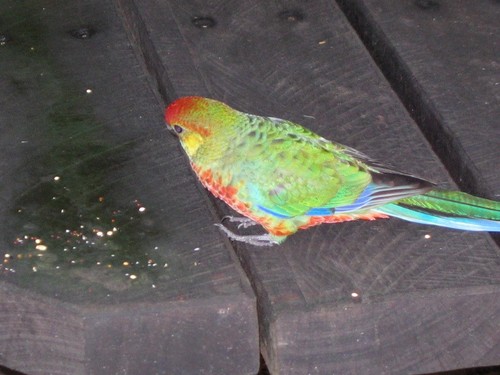
Western Rosella
25-30 cm (10-12 in) long
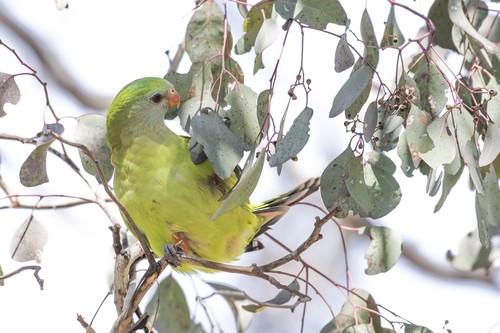
Superb Parrot
About 40 cm (16 in) long including a long tail
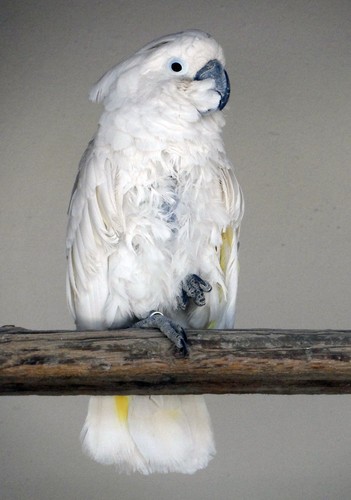
Umbrella Cockatoo
About 46 cm (18 in) long
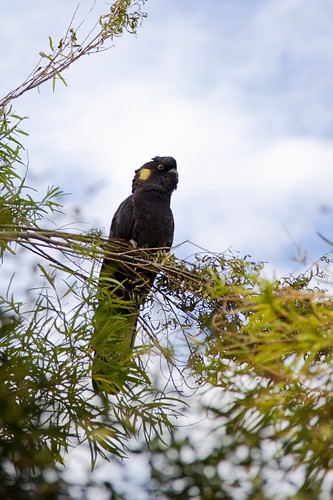
Yellow-tailed Black Cockatoo
55-65 cm long; wingspan up to about 130 cm
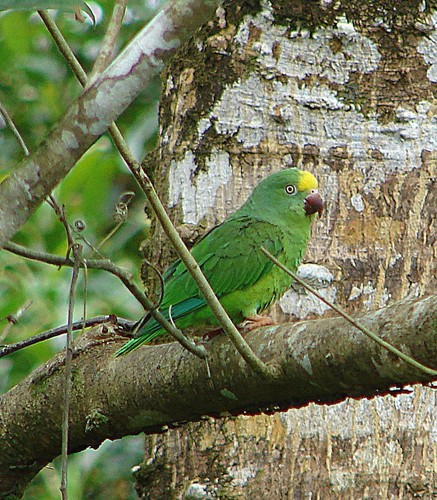
Yellow-crowned Amazon
About 35-38 cm (14-15 in) long
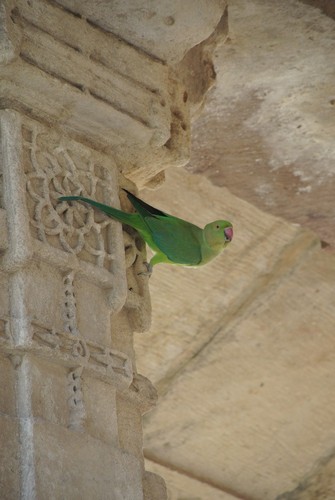
Rose-ringed Parakeet
40 cm (16 in) long including long tail
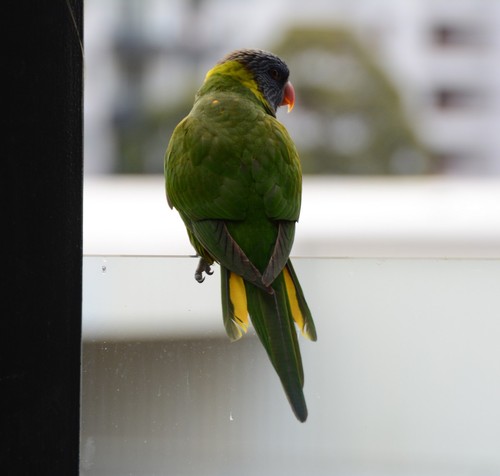
Rainbow Lorikeet
25-30 cm (10-12 in) long
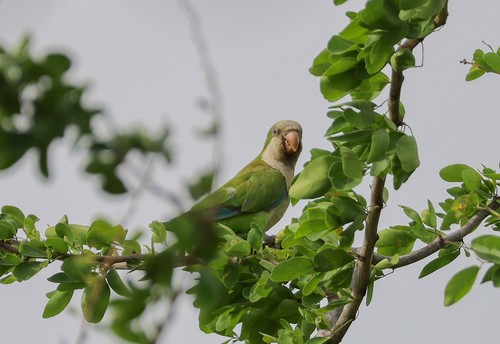
Quaker Parrot
28-31 cm (11-12 in) long
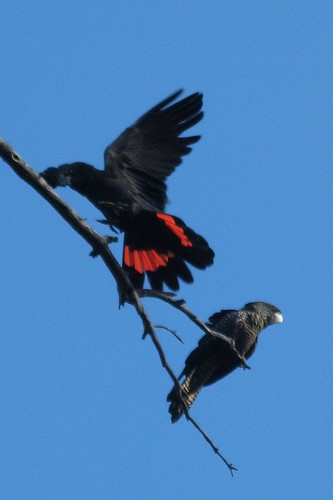
Red-tailed Black Cockatoo
55-65 cm long
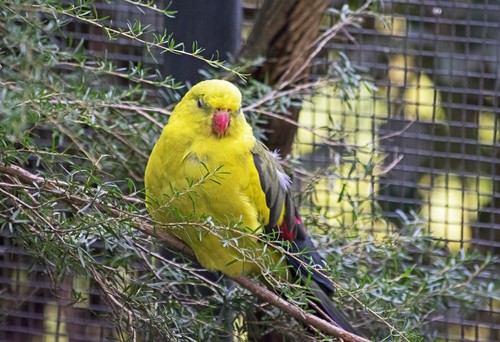
Regent Parrot
37-42 cm (15-17 in) long, including a long tail
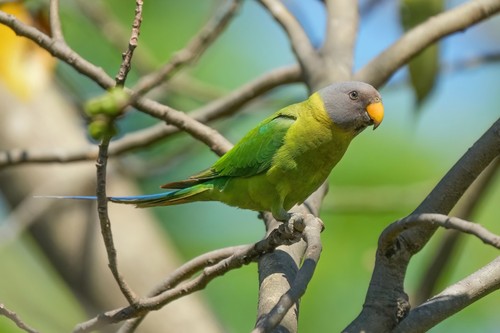
Plum-headed Parakeet
33 cm (13 in) long including tail