
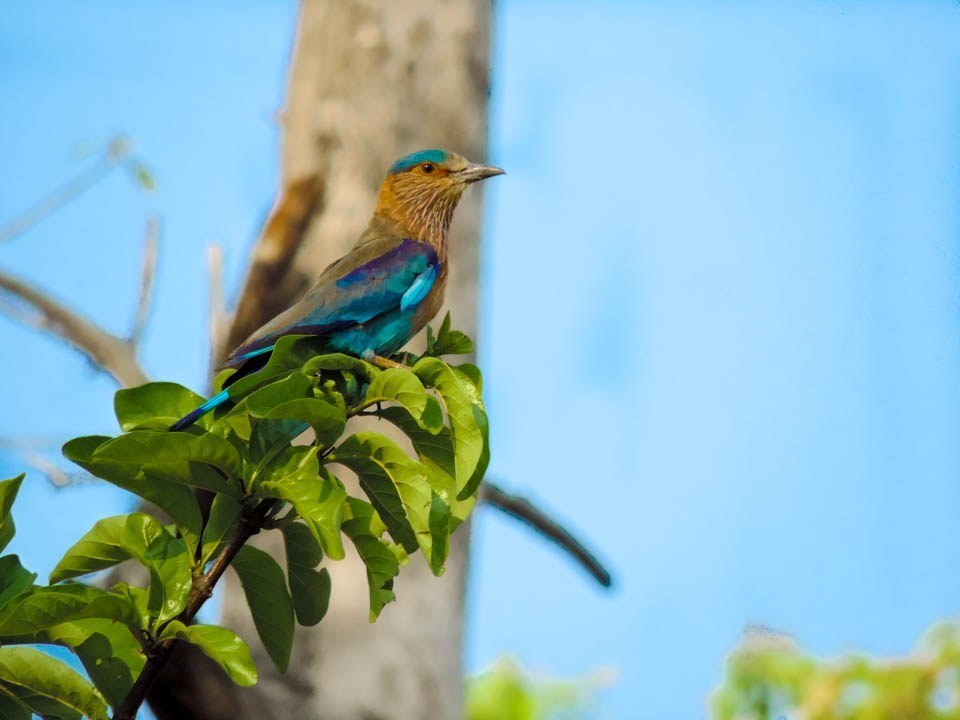
Indian Roller
Coracias benghalensis
A stocky, brownish bird that erupts into brilliant flashes of blue when it takes flight, prized as a state bird symbol across India.
- Size
- 30-34 cm (12-13.5 in) long
- Habitat
- open farmland, scrub, and light woodland across South and Southeast Asia
- Type
- other
Spotted a bird like this?
Identify any bird from a photo, free.
Overview
The Indian Roller is a chunky, crow-sized bird whose perched appearance — mostly dull brownish and pale blue — gives little hint of the spectacular color revealed in flight. When it opens its wings, brilliant patches of deep azure, turquoise, and violet-blue flash across the wings and tail, making it one of the most visually striking birds of the Indian countryside. The head and underparts are a soft lilac-blue, the back is brownish, and the bill is stout, black, and slightly hooked.
The species is deeply woven into South Asian culture and is the state bird of several Indian states, traditionally associated with the Hindu god Vishnu and often seen during regional festivals.
How to identify it
Key field marks
- Stocky build with a large head and stout black bill
- Perched: dull brown back, pale lilac-blue head and underparts
- In flight: brilliant bands of deep blue, turquoise, and violet flash across the wings and tail
- Often perched upright on wires, poles, or bare branches watching for prey
Similar species
No other common bird in the region shows this same dramatic contrast between a relatively drab perched appearance and vivid blue flight colors, making the Indian Roller essentially unmistakable once seen in flight. The European Roller (a rarer visitor in parts of the range) is more uniformly blue overall, including on the back.
Habitat & range
Indian Rollers are widespread residents across the Indian subcontinent, extending into parts of Southeast Asia and the Arabian Peninsula. They favor open farmland, scrub, grassland, and lightly wooded country, typically avoiding dense forest and very high elevations.
The species is largely non-migratory, holding fixed territories and prominent perches throughout the year.
Behavior & voice
Voice
Calls include harsh, crow-like chacks and squawks, especially during aerial display flights when the birds tumble and roll dramatically in courtship, giving the family its common name.
Feeding
Indian Rollers hunt by watching from an exposed perch and dropping down onto prey on the ground, taking large insects such as grasshoppers and beetles, along with small reptiles and amphibians.
Nesting and breeding
They nest in natural tree cavities or old woodpecker holes, sometimes in building crevices, laying 3-5 eggs. Courtship involves spectacular rolling and diving flight displays that showcase the vivid flight-feather colors, giving rollers their English name.
Frequently asked questions
Why is it called a 'roller'?
The name comes from the spectacular tumbling, rolling courtship flight displays performed by the birds, which also show off their brilliant blue flight feathers.
Why does the Indian Roller look so different perched versus in flight?
At rest it appears mostly brownish with pale blue underparts, but its wings conceal brilliant deep blue and turquoise flight feathers that are only revealed when it opens its wings.
What does the Indian Roller eat?
Mainly large insects such as grasshoppers and beetles, along with small reptiles and amphibians, caught by dropping from a perch.
Is the Indian Roller culturally significant?
Yes, it is the state bird of several Indian states and holds traditional religious associations, particularly linked to the god Vishnu and regional festivals.
Indian Roller guides
In-depth guides for identifying, finding, and understanding Indian Roller.
Other birds you may enjoy
Kiwi
35-55 cm (14-22 in) long; roughly chicken-sized
Curl-crested Aracari
41-46 cm (16-18 in) long, including a long bill and tail
Keel-billed Toucan
42-55 cm (17-22 in) long including bill
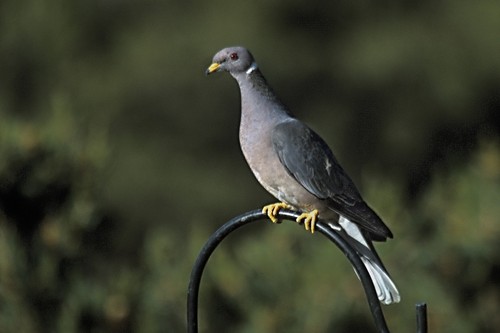
Band-tailed Pigeon
33-38 cm (13-15 in) long, wingspan about 66 cm (26 in)
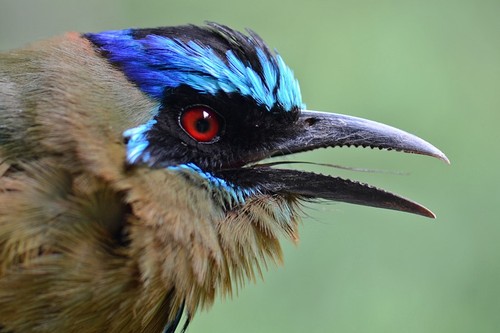
Blue-crowned Motmot
38-43 cm (15-17 in) long including tail
White-tipped Dove
27-30 cm (10.5-12 in) long, 38-43 cm wingspan
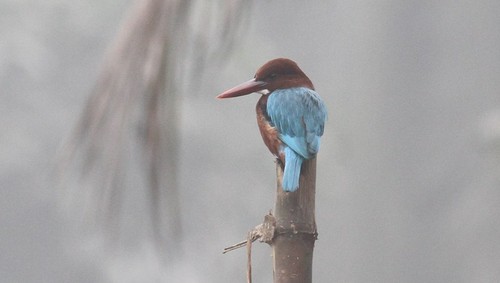
White-throated Kingfisher
27-28 cm (10.5-11 in) long
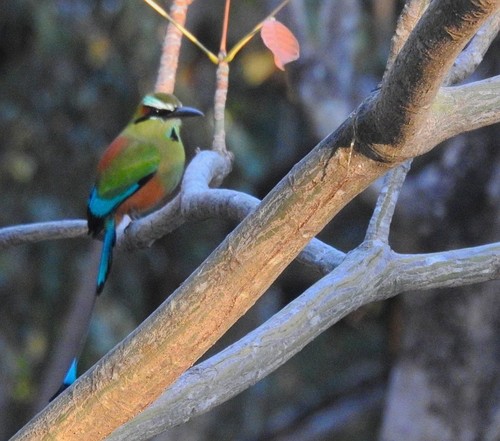
Turquoise-browed Motmot
34 cm (13 in) long including tail
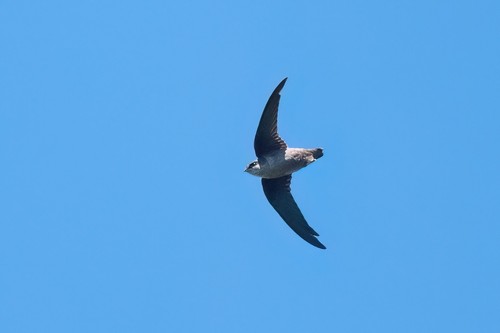
Vaux's Swift
10-12 cm (4-4.5 in) long, 27-30 cm wingspan
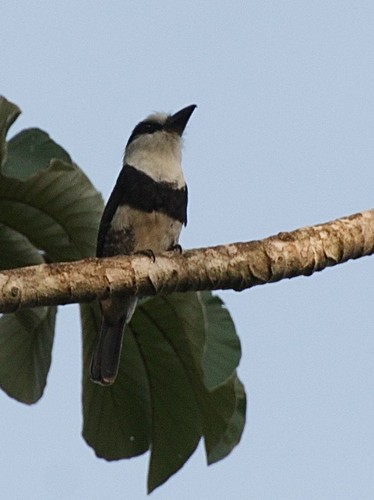
White-necked Puffbird
22-24 cm (8.5-9.5 in) long
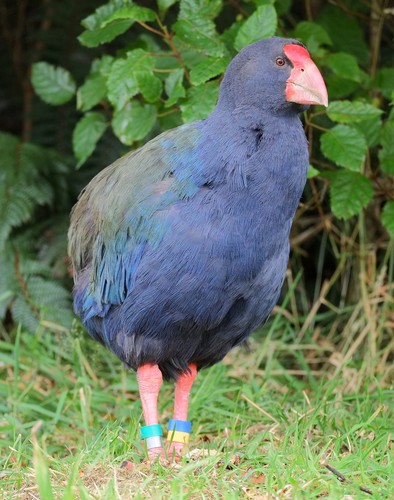
Takahe
50 cm (20 in) long, up to 3.5 kg; flightless
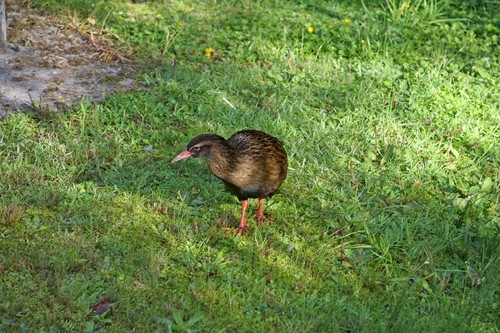
Weka
50-60 cm (20-24 in) long; flightless