
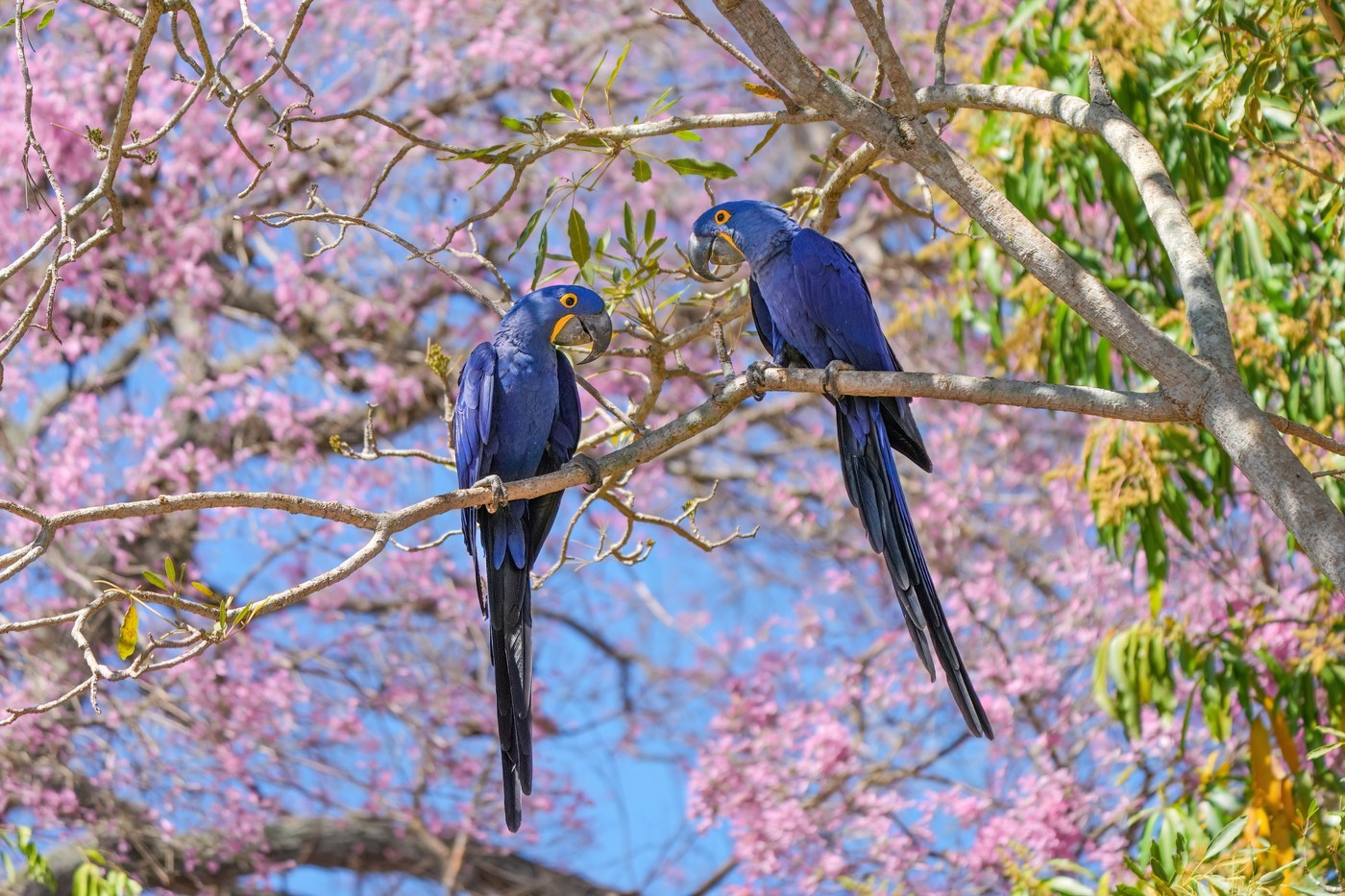
Hyacinth Macaw
Anodorhynchus hyacinthinus
The world's largest flying parrot species, a deep cobalt-blue macaw of central South America specialized for cracking tough palm nuts.
- Size
- About 100 cm (39 in) long including tail; wingspan approx. 120-140 cm
- Habitat
- Palm savanna, gallery forest, and seasonally flooded woodland
- Type
- parrot
Spotted a bird like this?
Identify any bird from a photo, free.
Overview
The Hyacinth Macaw is the largest of all parrots by length, a striking all-blue macaw found in central South America. Its enormous size and uniform deep-blue plumage set it apart from every other macaw species.
The entire body is a rich cobalt to hyacinth blue, with slightly darker flight feathers and a long, graduated tail. The bare skin around the eye and at the base of the massive black bill is bright yellow, providing the only strong color contrast on an otherwise monochromatic bird. The bill is exceptionally large and powerful relative to body size.
How to identify it
Key field marks
- Entirely deep blue plumage, larger than any other macaw
- Bright yellow bare skin around the eye and at the base of the lower mandible
- Massive black, deeply hooked bill
- Long, heavy blue tail
Similar species
The much smaller and rarer Lear's Macaw and Glaucous Macaw (the latter possibly extinct) are the only other all-blue macaws, both notably smaller-bodied with less extensive yellow facial skin and far more restricted or reduced ranges. Size alone usually separates the Hyacinth Macaw from any other parrot in its range.
Habitat & range
Range
The Hyacinth Macaw is found in three main disjunct populations in central South America: the Pantanal region spanning Brazil, Bolivia, and Paraguay; the Cerrado of east-central Brazil; and the eastern Amazon Basin.
Habitat
It inhabits palm savanna, gallery forest along watercourses, and seasonally flooded woodland, closely tied to the availability of specific palm species whose nuts form its primary diet.
Movements
Generally sedentary within a home range, though birds may travel considerable distances daily between roosting and key feeding palms.
Behavior & voice
Social behavior
Hyacinth Macaws are usually seen in pairs or small family groups, occasionally gathering in loose flocks at abundant food sources or communal roost trees.
Voice
Calls include loud, deep, guttural screeches and growls, lower-pitched than those of most other macaws, audible over long distances.
Feeding
Their diet is highly specialized around palm nuts, especially those of acuri and bocaiuva palms, which they crack using immense bite force from their oversized bill; they also take other seeds and fruit and sometimes feed on nuts already processed by cattle.
Nesting and breeding
Pairs nest primarily in large tree cavities, especially in manduvi trees in the Pantanal, laying 1-2 eggs, though typically only one chick survives to fledging. Nest cavities suitable for this large bird are limited, making nest-site availability a key conservation factor.
Frequently asked questions
Why is the Hyacinth Macaw called the largest parrot?
It has the greatest overall length of any living parrot species, though other parrots can be heavier or bulkier.
What makes a Hyacinth Macaw's bill so powerful?
Its unusually large, deeply hooked bill and strong jaw muscles let it crack extremely hard palm nuts that few other animals can open.
Why is the Hyacinth Macaw considered Vulnerable?
Historical trapping pressure, habitat loss, and a shortage of large nesting cavities have reduced and fragmented its population across central South America.
Where do Hyacinth Macaws live?
They occur in three separate regions of central South America: the Pantanal, the Cerrado, and parts of the eastern Amazon.
What do Hyacinth Macaws eat?
They feed mainly on the nuts of specific palm species, along with other hard seeds and some fruit.
Hyacinth Macaw guides
In-depth guides for identifying, finding, and understanding Hyacinth Macaw.
Hyacinth Macaw identified by the community
Real birds identified with Bird Identifier.
Other birds you may enjoy
Eclectus Parrot
35-42 cm (14-16.5 in) long
Western Rosella
25-30 cm (10-12 in) long
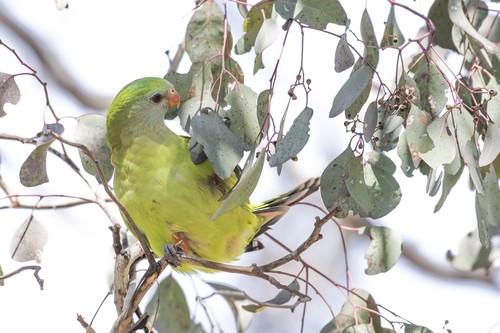
Superb Parrot
About 40 cm (16 in) long including a long tail
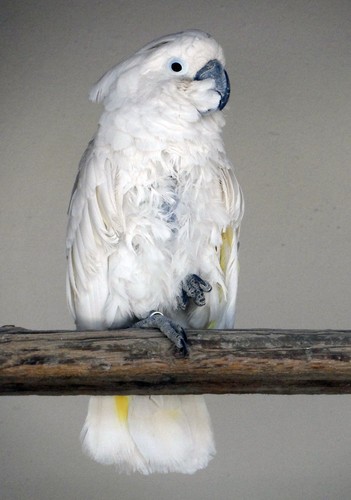
Umbrella Cockatoo
About 46 cm (18 in) long
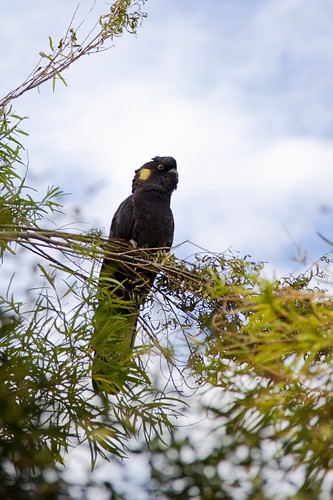
Yellow-tailed Black Cockatoo
55-65 cm long; wingspan up to about 130 cm
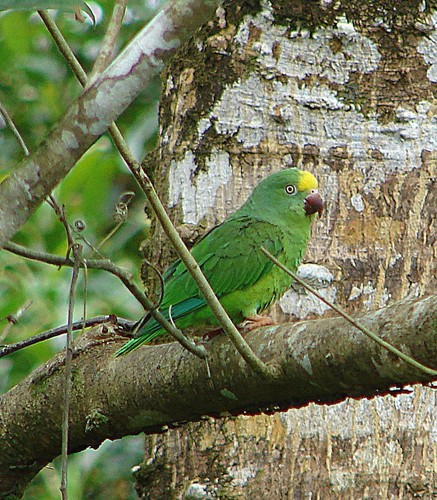
Yellow-crowned Amazon
About 35-38 cm (14-15 in) long
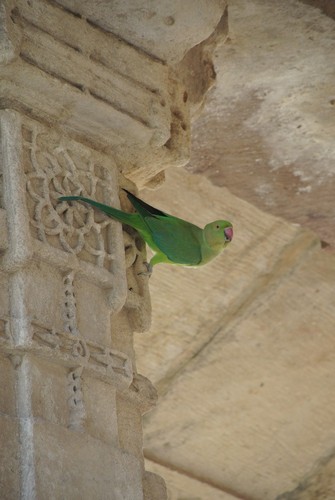
Rose-ringed Parakeet
40 cm (16 in) long including long tail
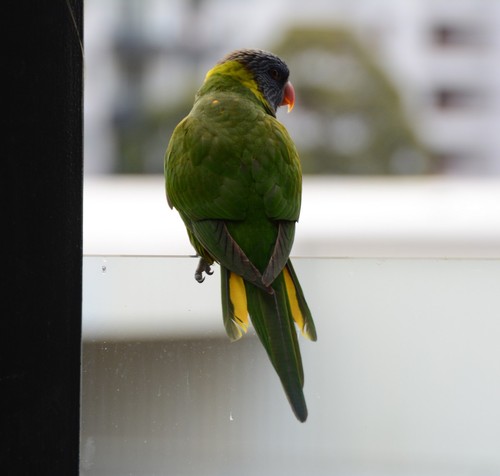
Rainbow Lorikeet
25-30 cm (10-12 in) long
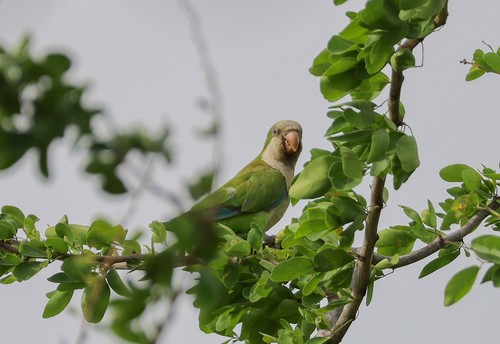
Quaker Parrot
28-31 cm (11-12 in) long
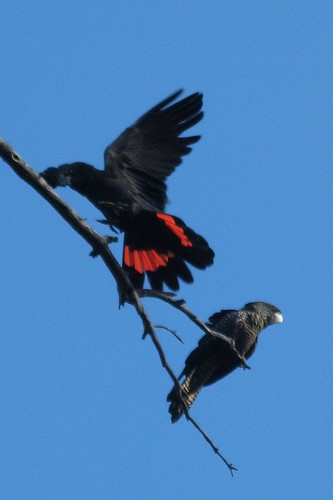
Red-tailed Black Cockatoo
55-65 cm long
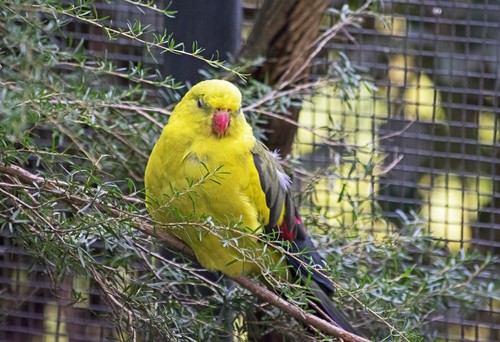
Regent Parrot
37-42 cm (15-17 in) long, including a long tail
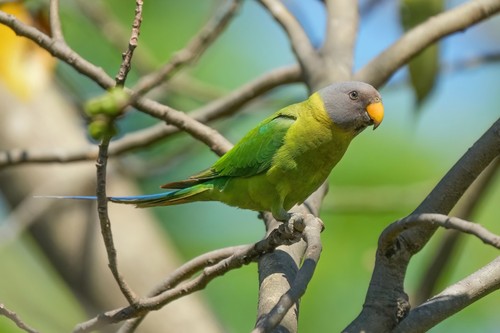
Plum-headed Parakeet
33 cm (13 in) long including tail