
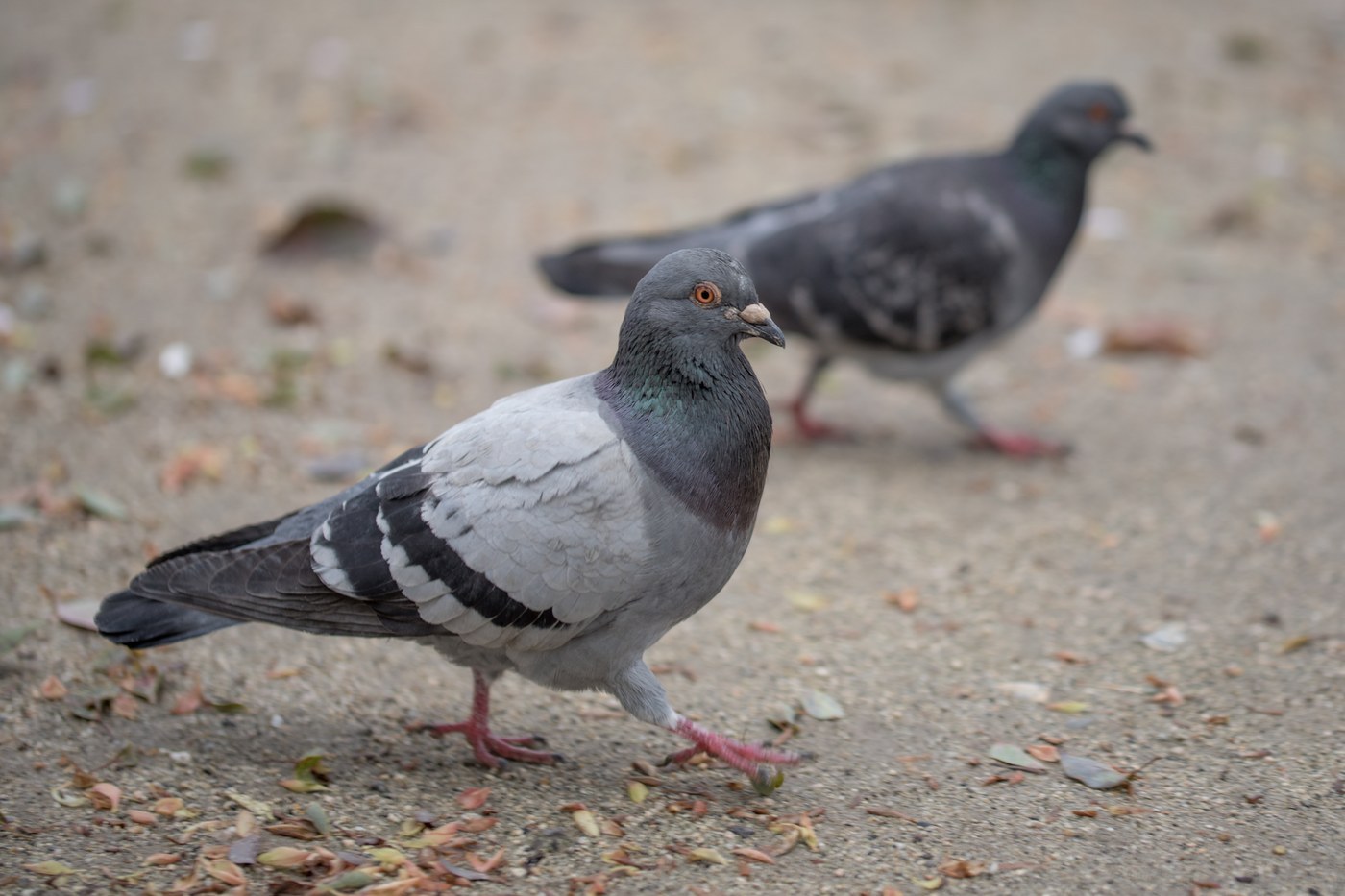
Homing Pigeon
Columba livia domestica
A domestic pigeon breed selectively developed for a strong, fast flight and an exceptional ability to navigate back to its home loft over long distances.
- Size
- About 32–37 cm (13–14.5 in) long with a wingspan around 64–72 cm (25–28 in)
- Habitat
- Domesticated breed housed in lofts; ancestral Rock Pigeon inhabits cliffs and urban structures worldwide
- Type
- other
Spotted a bird like this?
Identify any bird from a photo, free.
Overview
Overview
The Homing Pigeon is a domestic breed of the Rock Pigeon developed over centuries for strength of flight and, above all, an exceptional ability to find its way back to a home loft from unfamiliar and often distant release points. This natural homing instinct, present to some degree in wild rock pigeons, was intensified through generations of selective breeding.
Plumage
Homing Pigeons are typically sturdier and more streamlined than fancy ornamental breeds, built for sustained flight rather than display. Plumage color varies widely, including blue-bar, checker, red, and white patterns, similar to the range seen in the wild-type Rock Pigeon, since color was not the primary trait selected in developing the breed.
How to identify it
Field Marks
- Muscular, streamlined build with a broad chest and strong flight muscles adapted for sustained flight
- Plumage pattern variable, commonly blue-bar or checkered like wild-type Rock Pigeons, but also solid or pied forms
- Alert posture with a relatively small, neat head compared to some fancy pigeon breeds
Similar Species
Homing Pigeons closely resemble the wild-type Rock Pigeon in overall shape and common color patterns, differing mainly in build (more muscular flight physique) and banding on the leg used to identify individual birds in organized settings; fancy breeds such as the Fantail or Pouter are readily distinguished by their exaggerated tail or crop features, which Homing Pigeons lack.
Habitat & range
Habitat & Range
As a domestic breed, the Homing Pigeon does not occupy an independent wild range; birds are kept and bred in lofts, historically across Europe, the Middle East, and beyond, with formal development of specialized homing and racing lines particularly in 19th-century Europe.
Its ancestor, the Rock Pigeon, is native to cliffs and rocky terrain across Europe, North Africa, and Asia and has become established worldwide, especially in cities, where ledges and structures mimic its natural cliff-nesting habitat.
Behavior & voice
Behavior
Homing Pigeons are noted for strong, direct, sustained flight and a well-developed navigational ability that allows them to return to a home loft from release sites far outside familiar territory, using a combination of cues including the sun's position, the Earth's magnetic field, and learned visual landmarks.
Voice
Like other domestic pigeons, it gives soft, rhythmic cooing calls used in courtship and social interaction around the loft.
Feeding
Birds feed on grain and small seeds, typically foraging on the ground when not in flight.
Nesting & Breeding
Pairs build simple stick nests and generally lay two eggs per clutch, sharing incubation duties, with both parents producing crop milk to feed the young pigeons in their first days, a trait characteristic of pigeons and doves generally.
Frequently asked questions
How do Homing Pigeons find their way home?
They combine several navigational cues, including the position of the sun, the Earth's magnetic field, and learned visual landmarks, to return to a home loft from unfamiliar locations.
Is the Homing Pigeon a separate species from other pigeons?
No, it is a domestic breed of the Rock Pigeon, the same species from which all domestic pigeon breeds descend.
What is the difference between a Homing Pigeon and a Carrier Pigeon?
The terms are often used interchangeably in casual speech; historically "carrier pigeon" referred broadly to any pigeon used to carry messages, a role filled by selectively bred homing lines.
How far can a Homing Pigeon travel back to its loft?
Well-conditioned homing lines have historically been recorded returning over distances of several hundred miles, aided by their strong sustained flight and navigational instincts.
What does a Homing Pigeon look like?
It has a muscular, streamlined build suited to sustained flight, typically in blue-bar, checkered, or similar plumage patterns resembling the wild-type Rock Pigeon.
Homing Pigeon guides
In-depth guides for identifying, finding, and understanding Homing Pigeon.
Other birds you may enjoy
Kiwi
35-55 cm (14-22 in) long; roughly chicken-sized
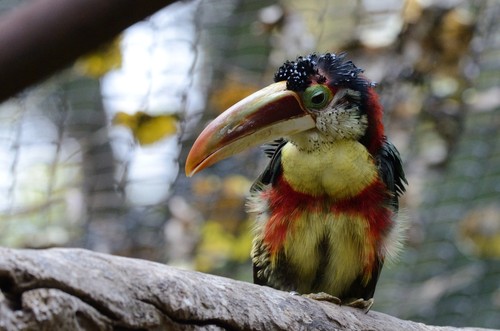
Curl-crested Aracari
41-46 cm (16-18 in) long, including a long bill and tail
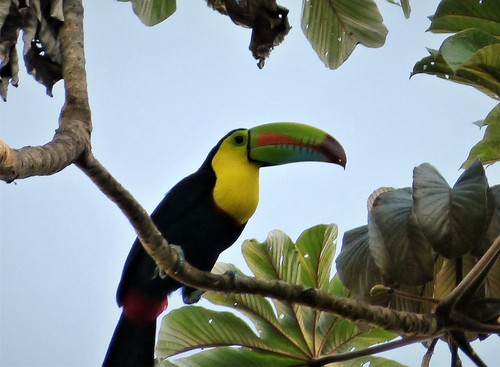
Keel-billed Toucan
42-55 cm (17-22 in) long including bill
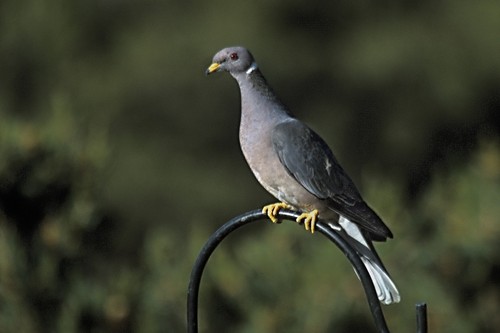
Band-tailed Pigeon
33-38 cm (13-15 in) long, wingspan about 66 cm (26 in)
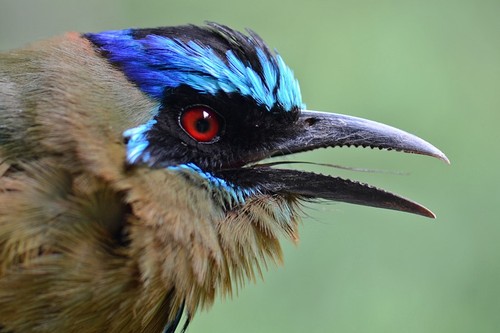
Blue-crowned Motmot
38-43 cm (15-17 in) long including tail
White-tipped Dove
27-30 cm (10.5-12 in) long, 38-43 cm wingspan

White-throated Kingfisher
27-28 cm (10.5-11 in) long
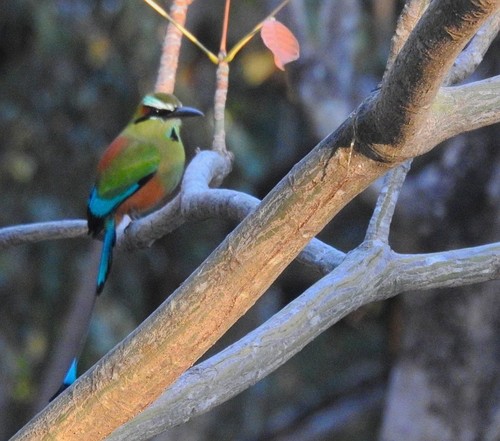
Turquoise-browed Motmot
34 cm (13 in) long including tail
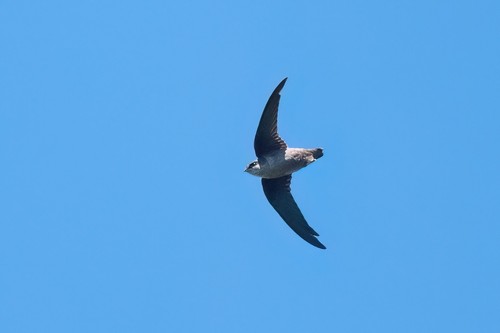
Vaux's Swift
10-12 cm (4-4.5 in) long, 27-30 cm wingspan
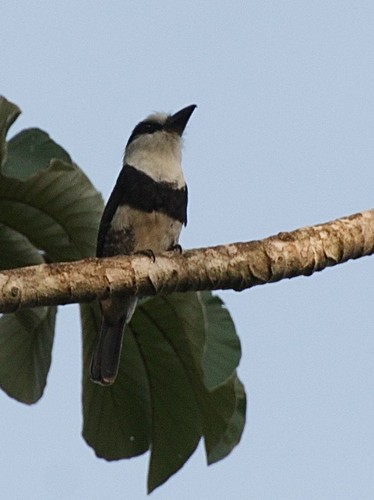
White-necked Puffbird
22-24 cm (8.5-9.5 in) long
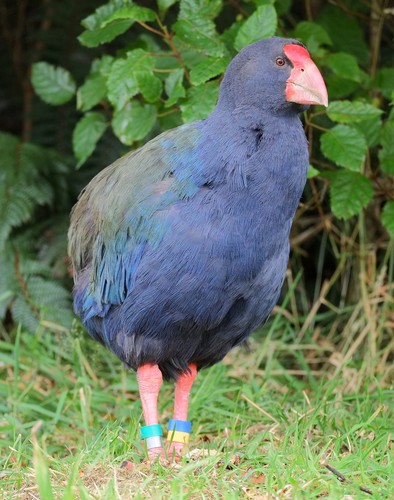
Takahe
50 cm (20 in) long, up to 3.5 kg; flightless
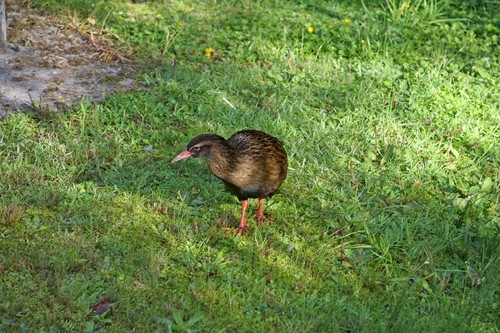
Weka
50-60 cm (20-24 in) long; flightless