
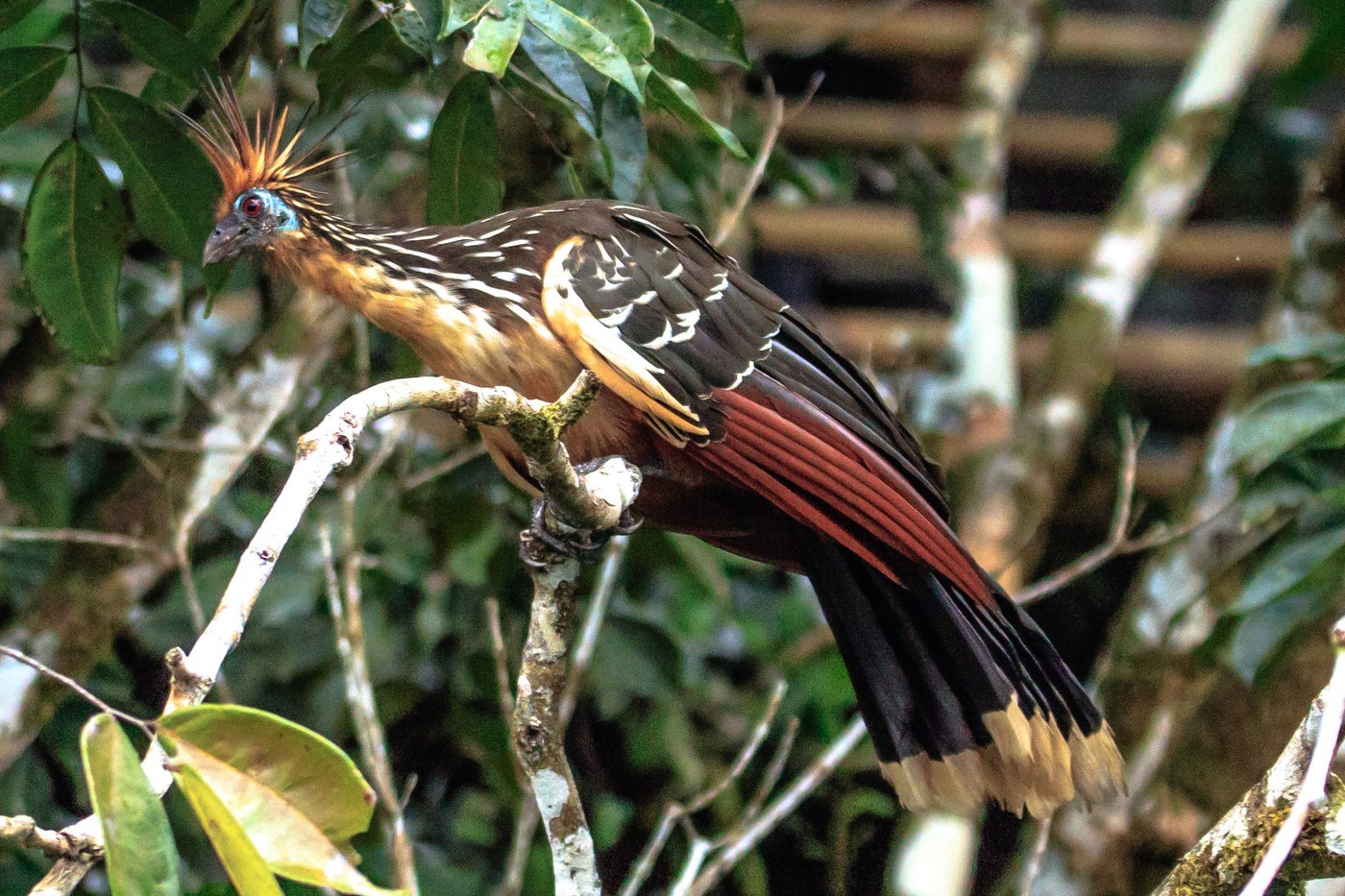
Hoatzin
Opisthocomus hoazin
A bizarre, prehistoric-looking bird with a spiky crest, bare blue face, and a highly unusual digestive system that ferments leaves like a cow, giving it a distinctive odor.
- Size
- 65 cm (25 in) long
- Habitat
- riverine and swamp forest of the Amazon and Orinoco basins
- Type
- other
Spotted a bird like this?
Identify any bird from a photo, free.
Overview
The Hoatzin is one of the most unusual birds alive, a large, ungainly-looking species with a small head topped by a ragged, spiky crest, a bare patch of striking blue skin around the eye, and deep red eyes. The body is mostly dark brown above with buff streaking, a chestnut-brown belly, and long, loosely arranged tail feathers, giving the bird an almost dinosaur-like silhouette that has long fascinated ornithologists.
What truly sets the Hoatzin apart is its digestive system: unlike almost all other birds, it is primarily a leaf-eater, and it digests its tough, fibrous diet through foregut fermentation in an enlarged crop and esophagus, a process more typical of cows than birds, that produces a distinctive, sometimes described as manure-like, odor responsible for its colloquial nickname of "stinkbird." Young Hoatzin chicks possess functional claws on their wings, used to clamber through branches near the nest, a striking echo of ancient feathered dinosaurs that is lost as the birds mature.
How to identify it
Key field marks
- Ragged, spiky crest atop a small head
- Bare, bright blue facial skin and red eyes
- Dark brown upperparts with buff streaking, chestnut belly
- Long, loose tail and a heavy, ungainly flight
Similar species
- No other bird in its range resembles the Hoatzin; its unique combination of spiky crest, blue face, and prehistoric silhouette make it unmistakable.
- Chicks with functional wing claws are unique among living birds, further distinguishing the species even at the nestling stage.
Habitat & range
Habitat
Inhabits riverine forest, swamp forest, and flooded vegetation along slow-moving rivers, lakes, and oxbows.
Range
Found throughout the Amazon and Orinoco river basins of South America, including Venezuela, the Guianas, Brazil, Colombia, Ecuador, Peru, and Bolivia.
Migration
Non-migratory and highly sedentary, remaining closely tied to riverside vegetation.
Behavior & voice
Behavior
Gregarious, living in small social groups that cooperatively defend a territory and help raise young; a weak, clumsy flier that relies on gliding short distances between branches over water.
Voice
Harsh, grunting, hissing, and croaking calls, along with wheezing sounds, quite unlike the calls of typical songbirds.
Feeding
Feeds almost entirely on leaves, along with some buds, flowers, and fruit, digested through bacterial fermentation in an enlarged crop, similar in principle to a cow's rumen.
Nesting
Builds a stick platform nest over water; chicks possess functional claws on the bend of the wing, allowing them to climb through branches and even swim if they fall into the water, a trait unique among living birds.
Frequently asked questions
Why is the Hoatzin called the stinkbird?
Its diet of leaves is digested through bacterial fermentation in an enlarged crop, a process similar to that of a cow, which produces a distinctive, sometimes unpleasant odor.
Do Hoatzin chicks really have claws on their wings?
Yes, young Hoatzin chicks have small functional claws on the bend of the wing that they use to clamber through branches near the nest; the claws are lost as the birds mature.
What does a Hoatzin eat?
Almost entirely leaves, along with some buds, flowers, and fruit, making it one of the few strongly folivorous birds.
Where does the Hoatzin live?
In riverine and swamp forest along slow-moving rivers and lakes throughout the Amazon and Orinoco basins of South America.
Is the Hoatzin a good flier?
No, its heavy body and large fermentation crop make it a weak, clumsy flier that generally only glides short distances between branches near water.
Hoatzin guides
In-depth guides for identifying, finding, and understanding Hoatzin.
Other birds you may enjoy
Kiwi
35-55 cm (14-22 in) long; roughly chicken-sized
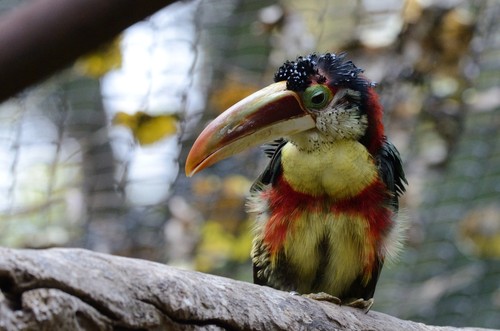
Curl-crested Aracari
41-46 cm (16-18 in) long, including a long bill and tail
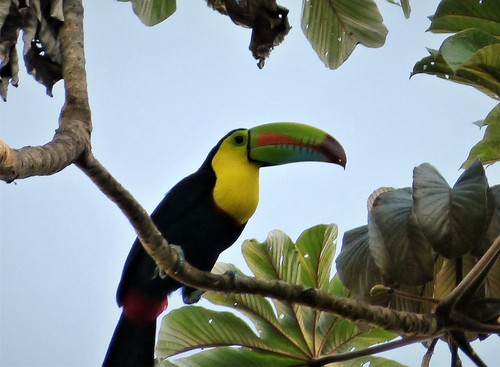
Keel-billed Toucan
42-55 cm (17-22 in) long including bill
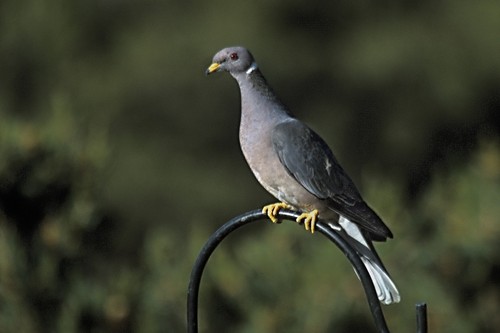
Band-tailed Pigeon
33-38 cm (13-15 in) long, wingspan about 66 cm (26 in)
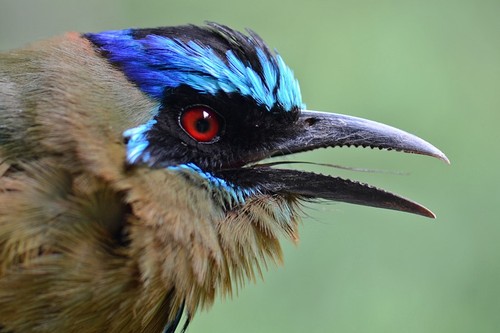
Blue-crowned Motmot
38-43 cm (15-17 in) long including tail
White-tipped Dove
27-30 cm (10.5-12 in) long, 38-43 cm wingspan
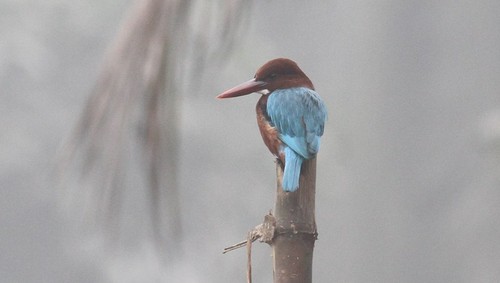
White-throated Kingfisher
27-28 cm (10.5-11 in) long
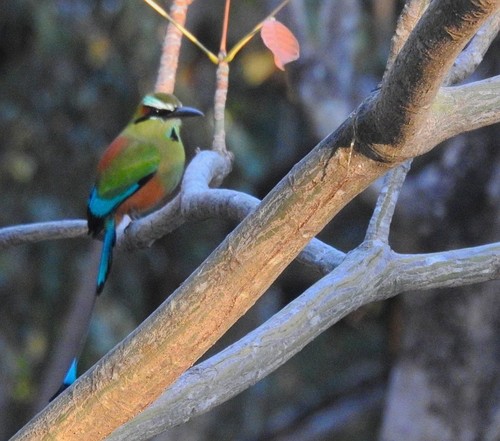
Turquoise-browed Motmot
34 cm (13 in) long including tail
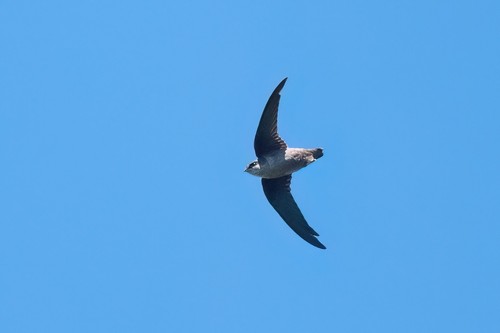
Vaux's Swift
10-12 cm (4-4.5 in) long, 27-30 cm wingspan
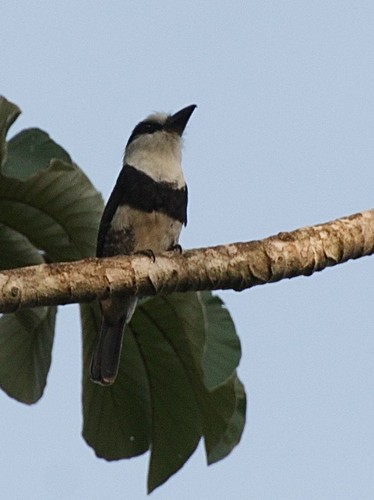
White-necked Puffbird
22-24 cm (8.5-9.5 in) long
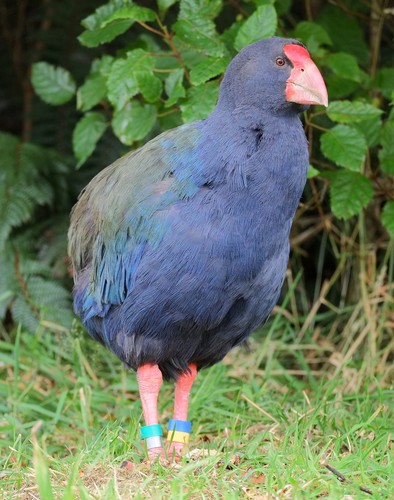
Takahe
50 cm (20 in) long, up to 3.5 kg; flightless
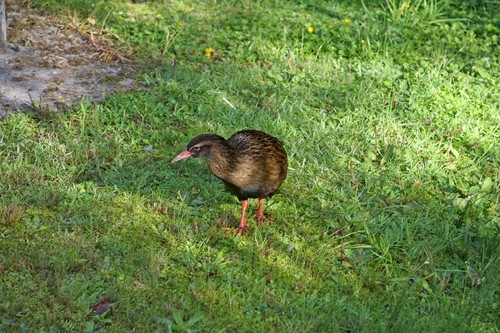
Weka
50-60 cm (20-24 in) long; flightless