
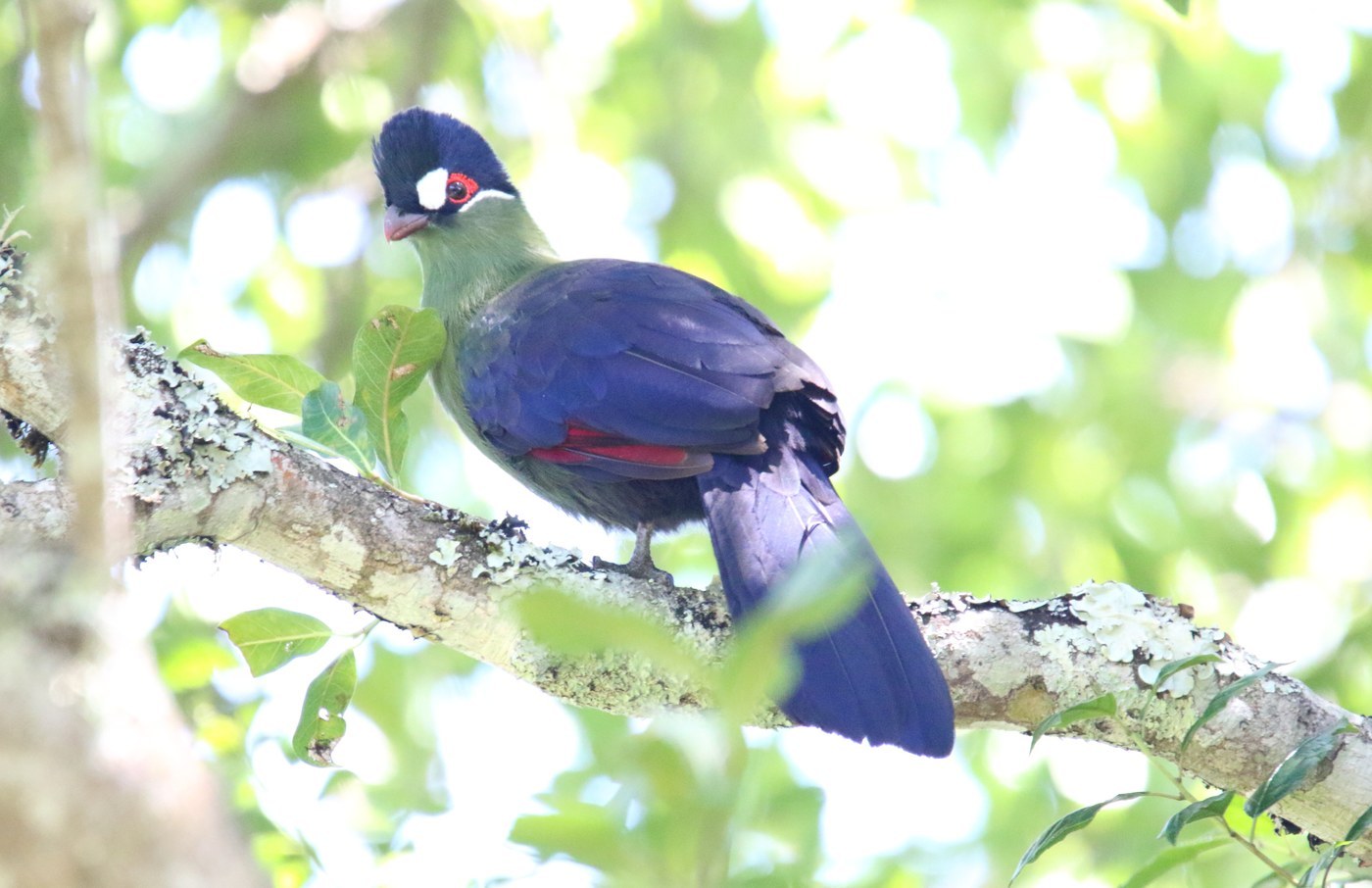
Hartlaub's Turaco
Tauraco hartlaubi
A green, forest-dwelling turaco of the East African highlands, marked by bold white facial markings and a glossy blue-black crest.
- Size
- About 40–43 cm long
- Habitat
- Montane forest and forest edge in the highlands of East Africa
- Type
- other
Spotted a bird like this?
Identify any bird from a photo, free.
Overview
Hartlaub's Turaco is a medium-sized turaco endemic to the highland forests of East Africa. Its body plumage is a rich, deep green with a glossy sheen, and its most distinctive features are the bold white markings around the eye, forming a striking facial pattern, along with a tall, glossy blue-black crest.
Like other turacos, it shows brilliant crimson-red flight feathers that are usually hidden at rest but flash vividly in flight.
How to identify it
Key field marks
- Deep green body plumage with a glossy sheen
- Bold white patch in front of the eye and a white line behind it
- Tall, glossy blue-black crest
- Bright crimson-red primary flight feathers visible in flight
- Red bill and red eye-ring
Similar species
Other green forest turacos in East Africa, such as the White-crested Turaco or Ross's Turaco, can appear similar but differ in crest shape and facial pattern; Hartlaub's Turaco's specific combination of white eye markings and blue-black crest, along with its highland forest range, helps confirm identification.
Habitat & range
Habitat and range
Hartlaub's Turaco is restricted to montane and highland forest habitats in East Africa, primarily in Kenya and parts of Tanzania and Uganda, typically at elevations from about 1,700 to 3,000 meters. It also inhabits forest edges, wooded gardens, and plantations near natural forest.
Migration
The species is non-migratory and resident, generally remaining within its highland forest range throughout the year.
Behavior & voice
Behavior
Hartlaub's Turacos are usually seen singly, in pairs, or small family groups moving through the forest canopy, running along branches and making short gliding flights between trees.
Voice
The call is a loud, harsh, repeated barking or croaking series of notes, often given from a concealed perch within the canopy.
Feeding
It feeds mainly on fruit, along with flowers, leaves, and buds, foraging actively while moving through the forest canopy.
Nesting and breeding
A simple stick platform nest is built in dense forest foliage, typically holding 2 eggs, with both parents sharing incubation and chick care.
Frequently asked questions
Where is Hartlaub's Turaco found?
It is found in montane forests of the East African highlands, mainly in Kenya, with populations also in Uganda and Tanzania.
What color are Hartlaub's Turaco's flight feathers?
The primary flight feathers are bright crimson-red, visible mainly when the bird is in flight.
How do you identify Hartlaub's Turaco?
Look for deep green plumage, bold white markings around the eye, and a glossy blue-black crest.
What does Hartlaub's Turaco eat?
It primarily eats fruit, supplemented with flowers and leaves.
Hartlaub's Turaco guides
In-depth guides for identifying, finding, and understanding Hartlaub's Turaco.
Other birds you may enjoy
Kiwi
35-55 cm (14-22 in) long; roughly chicken-sized
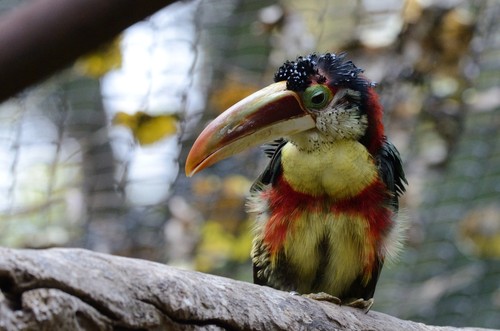
Curl-crested Aracari
41-46 cm (16-18 in) long, including a long bill and tail
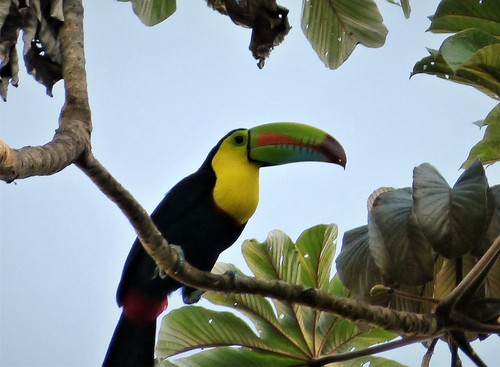
Keel-billed Toucan
42-55 cm (17-22 in) long including bill
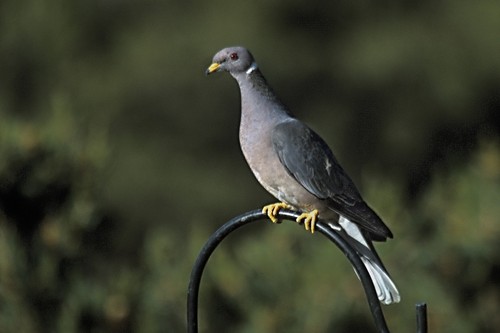
Band-tailed Pigeon
33-38 cm (13-15 in) long, wingspan about 66 cm (26 in)
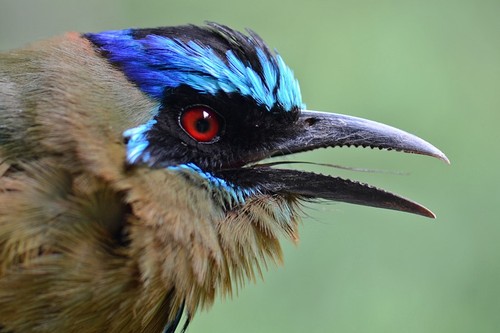
Blue-crowned Motmot
38-43 cm (15-17 in) long including tail
White-tipped Dove
27-30 cm (10.5-12 in) long, 38-43 cm wingspan
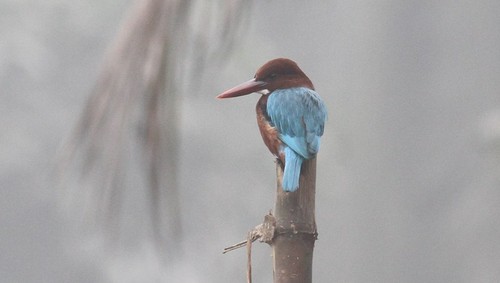
White-throated Kingfisher
27-28 cm (10.5-11 in) long
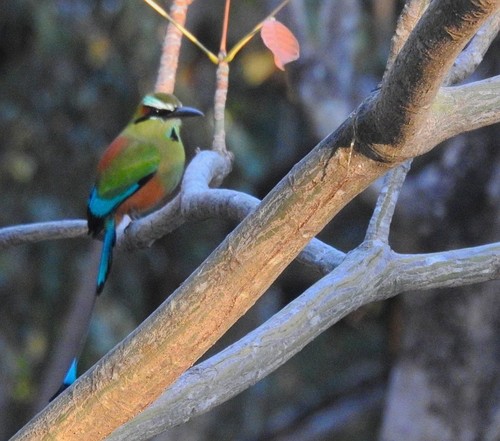
Turquoise-browed Motmot
34 cm (13 in) long including tail
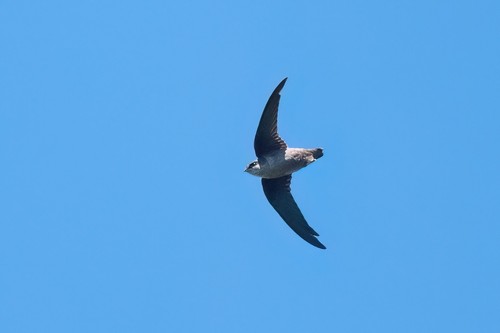
Vaux's Swift
10-12 cm (4-4.5 in) long, 27-30 cm wingspan
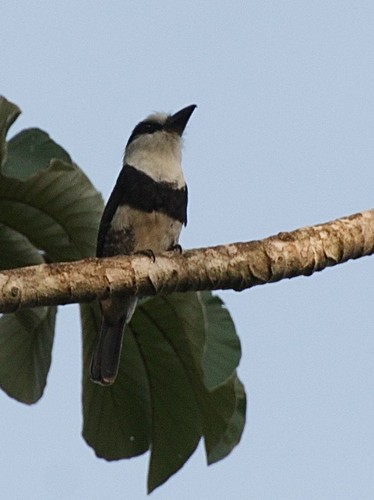
White-necked Puffbird
22-24 cm (8.5-9.5 in) long
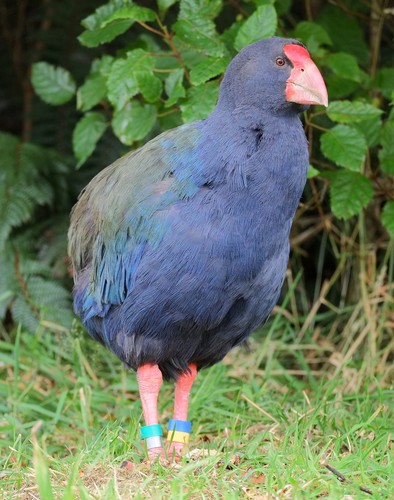
Takahe
50 cm (20 in) long, up to 3.5 kg; flightless
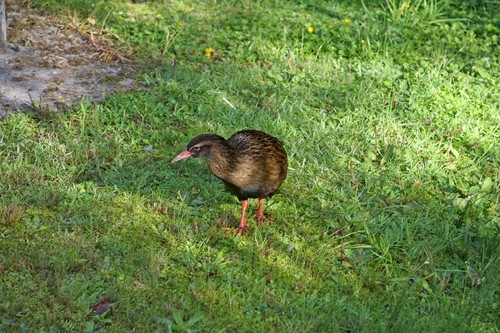
Weka
50-60 cm (20-24 in) long; flightless