
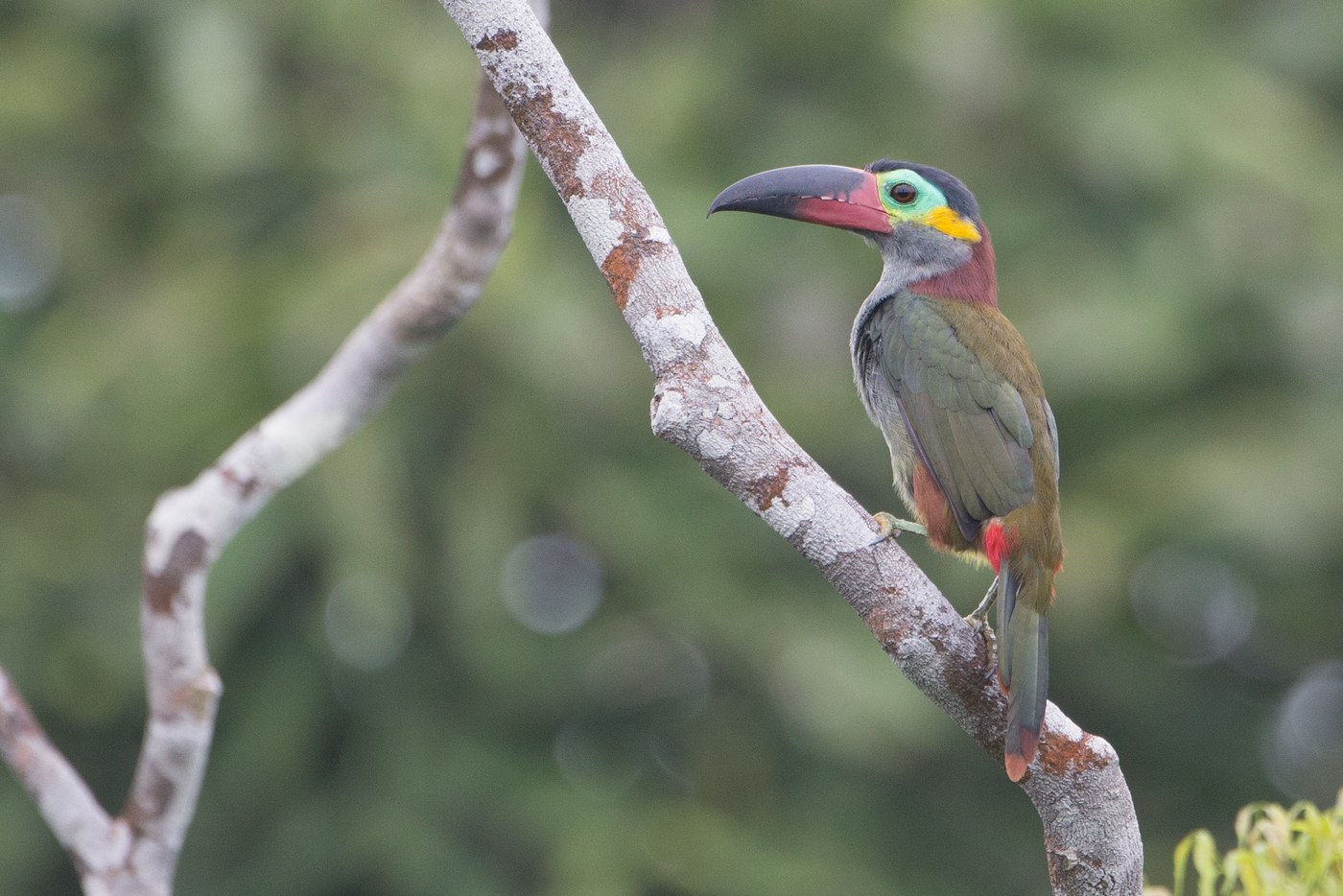
Guianan Toucanet
Selenidera piperivora
A small toucan of the Guiana Shield forests, with males showing a black head and a mostly greenish bill, and females bearing a rich chestnut cap.
- Size
- 30-35 cm (12-14 in) long
- Habitat
- canopy and mid-story of humid lowland forest in the Guiana Shield
- Type
- other
Spotted a bird like this?
Identify any bird from a photo, free.
Overview
The Guianan Toucanet is a compact member of the toucan family found in the forests of the Guiana Shield, smaller and more modestly proportioned than the large well-known toucans but still showing the family's characteristic oversized, colorful bill. Males have a black head and throat, olive-green to dark upperparts, and a bill that is mostly dark with pale coloring toward the base and tip depending on subspecies.
Females differ noticeably from males, showing a rich chestnut-brown cap in place of the male's black head, a form of plumage dimorphism found in several toucanet species within the genus Selenidera. Both sexes share yellow to orange patches on the flanks or lower underparts and a relatively short tail compared to large toucans.
Like other toucans, the Guianan Toucanet is primarily a canopy-dwelling fruit-eater, moving through the forest in small groups or pairs and using its large bill to reach and manipulate fruit as well as to serve social and thermoregulatory functions.
How to identify it
Key field marks
- Male: black head and throat, olive-dark upperparts, mostly dark bill
- Female: chestnut-brown cap replacing the male's black head
- Yellow to orange patch on the flanks or lower underparts
- Smaller and shorter-tailed than large toucan species
Similar species
Golden-collared Toucanet and other Selenidera toucanets are similar in size and structure but occur in different, generally non-overlapping ranges; within the Guiana Shield, the Guianan Toucanet's bill pattern and range help confirm identification against other small toucans in the area.
Habitat & range
Habitat
The Guianan Toucanet inhabits the canopy and mid-story of humid lowland forest, generally favoring undisturbed or lightly disturbed forest.
Range
It is restricted to the Guiana Shield region, including Venezuela, Guyana, Suriname, French Guiana, and adjacent northern Brazil.
Migration
It is a non-migratory, sedentary resident of its forest range.
Behavior & voice
Behavior
Guianan Toucanets are usually seen in pairs or small family groups moving through the canopy, hopping along branches rather than engaging in prolonged flight, typical of toucans generally.
Voice
Its calls include a repeated, croaking or frog-like series of notes, distinct from the more complex calls of larger toucan species.
Feeding
It feeds mainly on fruit, supplemented by insects and occasionally small vertebrates or the eggs and nestlings of other birds, using its large bill to reach and manipulate food items.
Nesting and breeding
Like other toucans, it nests in a natural tree cavity or an abandoned woodpecker hole, where the female lays her eggs and both parents help incubate and feed the chicks.
Frequently asked questions
How do you tell a male from a female Guianan Toucanet?
Males have a black head, while females have a rich chestnut-brown cap in its place.
Where does the Guianan Toucanet live?
In humid lowland forest of the Guiana Shield, including Venezuela, Guyana, Suriname, French Guiana, and northern Brazil.
What does the Guianan Toucanet eat?
Mainly fruit, along with insects and occasionally small vertebrates or the eggs of other birds.
Where does the Guianan Toucanet nest?
In natural tree cavities or old woodpecker holes.
Guianan Toucanet guides
In-depth guides for identifying, finding, and understanding Guianan Toucanet.
Other birds you may enjoy
Kiwi
35-55 cm (14-22 in) long; roughly chicken-sized
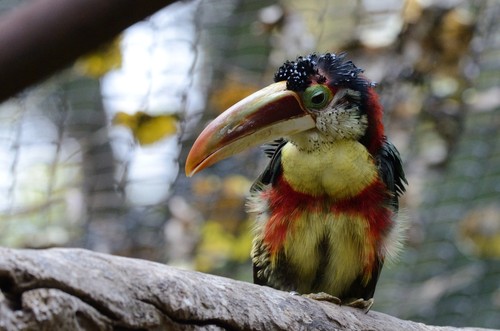
Curl-crested Aracari
41-46 cm (16-18 in) long, including a long bill and tail
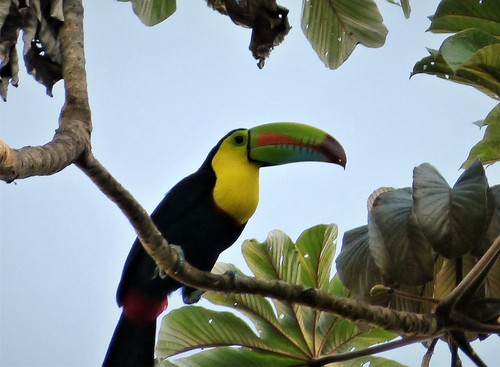
Keel-billed Toucan
42-55 cm (17-22 in) long including bill
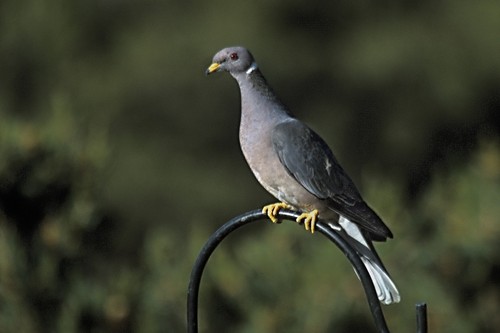
Band-tailed Pigeon
33-38 cm (13-15 in) long, wingspan about 66 cm (26 in)
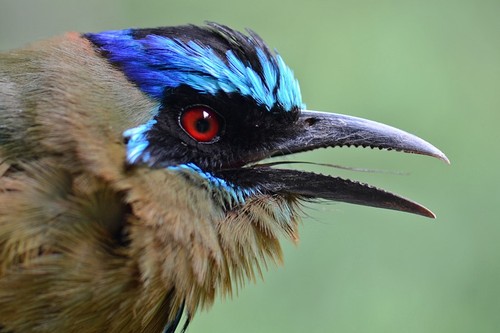
Blue-crowned Motmot
38-43 cm (15-17 in) long including tail
White-tipped Dove
27-30 cm (10.5-12 in) long, 38-43 cm wingspan
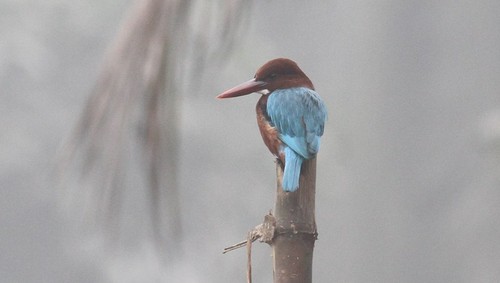
White-throated Kingfisher
27-28 cm (10.5-11 in) long
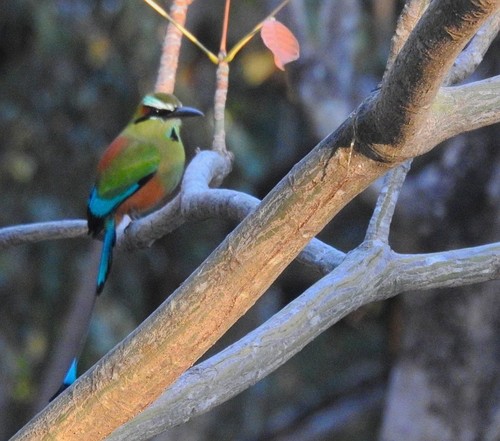
Turquoise-browed Motmot
34 cm (13 in) long including tail
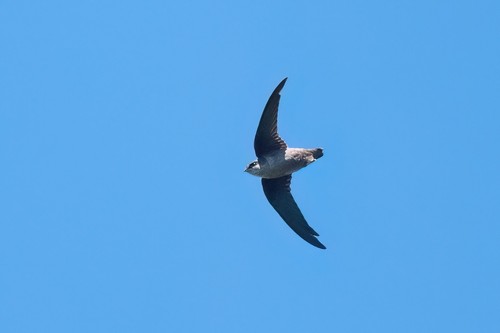
Vaux's Swift
10-12 cm (4-4.5 in) long, 27-30 cm wingspan
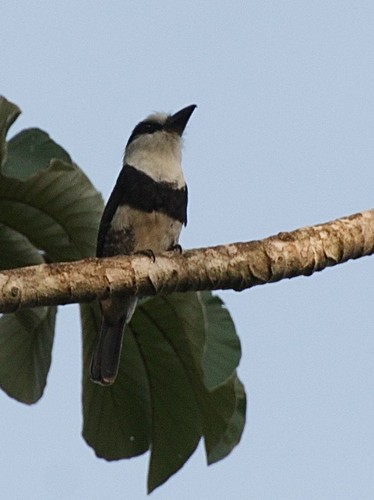
White-necked Puffbird
22-24 cm (8.5-9.5 in) long
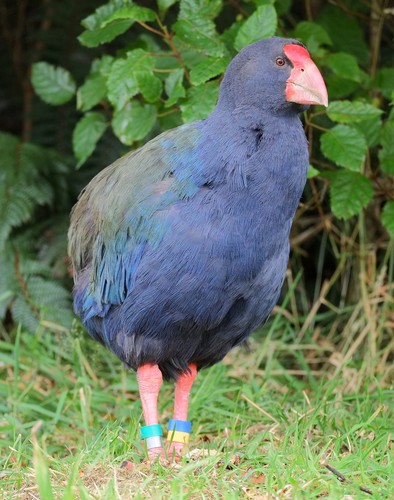
Takahe
50 cm (20 in) long, up to 3.5 kg; flightless
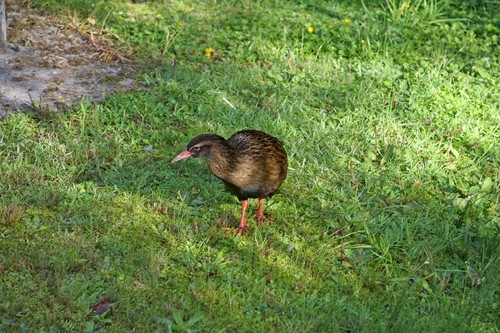
Weka
50-60 cm (20-24 in) long; flightless