
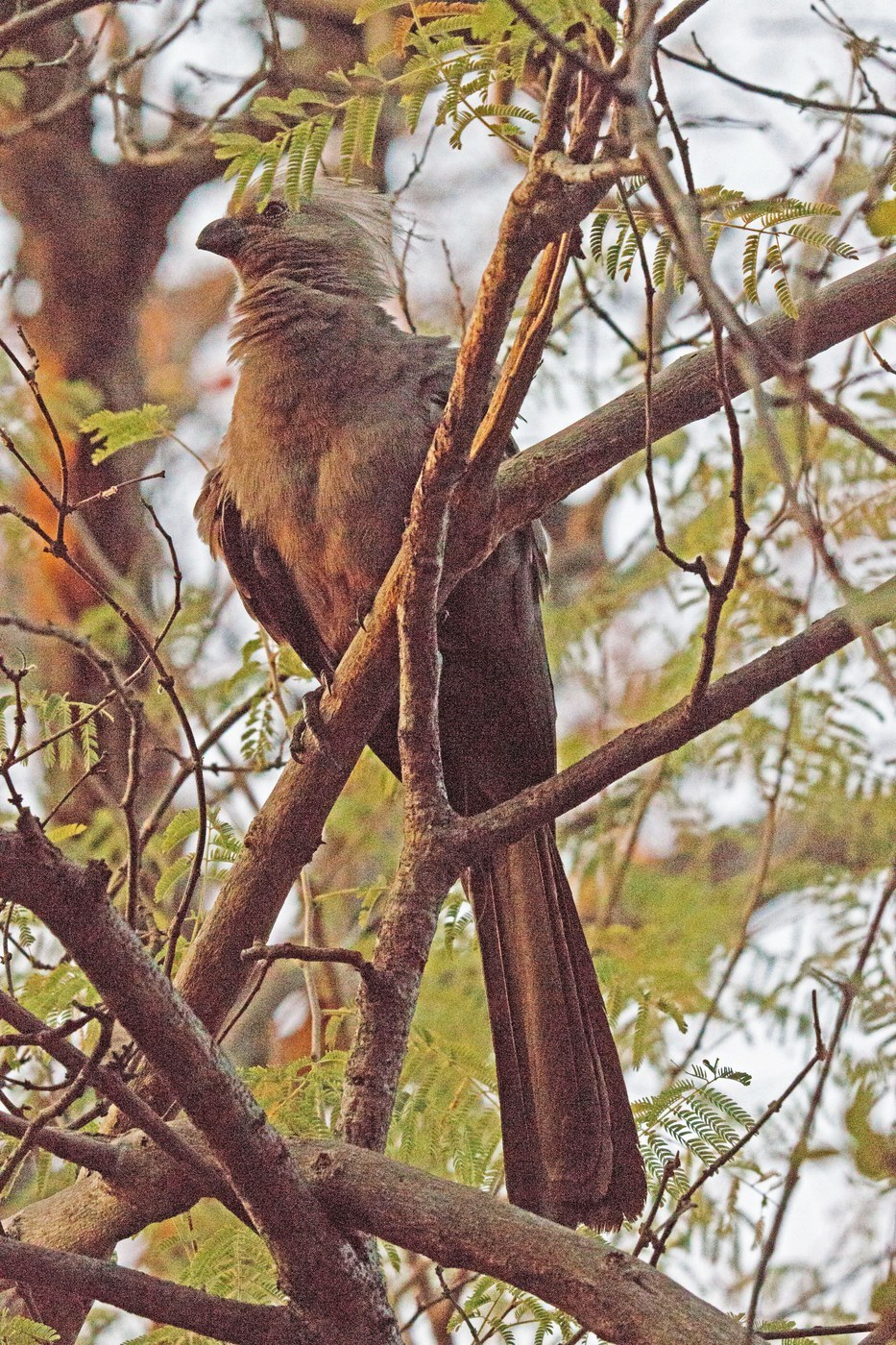
Grey Go-away-bird
Corythaixoides concolor
A pale grey, crested relative of the turacos, named for its nasal, far-carrying call that sounds like it is saying "go-away."
- Size
- 47–51 cm long including a long tail
- Habitat
- Savanna woodland, thornveld, and riverine bush in southern Africa
- Type
- other
Spotted a bird like this?
Identify any bird from a photo, free.
Overview
The Grey Go-away-bird is a distinctive, entirely pale grey bird with a tall, upright crest, closely related to the turacos within the family Musophagidae. It has a slender build, long tail, and a bill that is grey with a dark tip.
Unlike its colorful turaco relatives, the Grey Go-away-bird is almost uniformly ashy grey overall, though the flight feathers can show a slightly darker tone in flight.
How to identify it
Key field marks
- Uniform pale grey plumage overall
- Prominent tall, pointed crest, often held erect
- Long tail and slender silhouette
- Distinctive nasal, drawn-out call resembling "go-away" or "g'way"
Similar species
Its plain grey coloring and prominent crest make it fairly unmistakable within its range; no other bird in southern African savanna combines this coloring, crest shape, and call. The related Bare-faced Go-away-bird of more northerly regions has a similar shape but different coloring and a black facial patch, and ranges do not typically overlap.
Habitat & range
Habitat and range
This species is widespread in savanna woodland, thornveld, and riverine bush across southern Africa, including South Africa, Botswana, Zimbabwe, Namibia, Mozambique, and Zambia.
Migration
It is non-migratory and resident year-round, though it may move locally in response to fruiting trees and water availability.
Behavior & voice
Behavior
Grey Go-away-birds are usually seen in pairs or small family groups, moving through trees with a combination of hopping and gliding flight. They are wary and vocal, often the first to give alarm calls when predators are spotted, earning attention from other animals in the bush.
Voice
The call is a loud, nasal, far-carrying "kweh" or "go-away," repeated frequently and easily recognized even by visitors unfamiliar with the species.
Feeding
They feed mainly on fruit, buds, flowers, and leaves gathered while moving through tree canopies, occasionally taking insects.
Nesting and breeding
A flimsy stick platform nest is built in a tree, typically holding 2–3 eggs, with both parents assisting in incubation and chick-rearing.
Frequently asked questions
Why is it called the Grey Go-away-bird?
Its loud, nasal call sounds like it is saying "go away," which gave rise to the common name.
Is the Grey Go-away-bird a type of turaco?
Yes, it belongs to the turaco family Musophagidae, though it lacks the bright colors of most other turacos.
Where is the Grey Go-away-bird found?
It lives in savanna woodland and thornveld across southern Africa.
What does the Grey Go-away-bird eat?
It eats mostly fruit, leaves, flowers, and seeds, with occasional insects.
Grey Go-away-bird guides
In-depth guides for identifying, finding, and understanding Grey Go-away-bird.
Other birds you may enjoy
Kiwi
35-55 cm (14-22 in) long; roughly chicken-sized
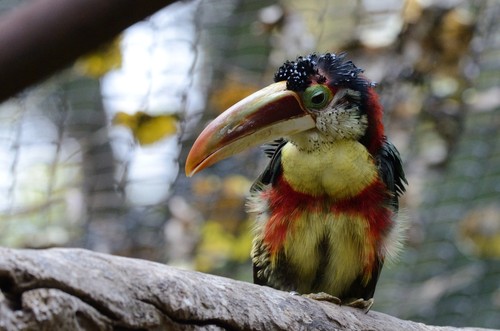
Curl-crested Aracari
41-46 cm (16-18 in) long, including a long bill and tail
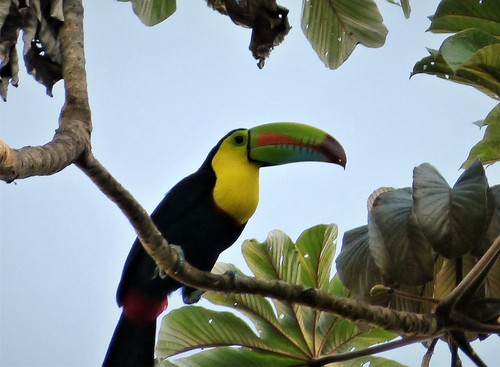
Keel-billed Toucan
42-55 cm (17-22 in) long including bill
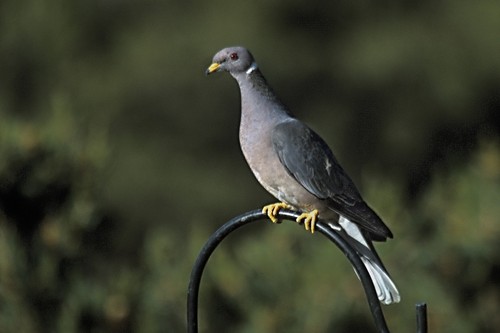
Band-tailed Pigeon
33-38 cm (13-15 in) long, wingspan about 66 cm (26 in)
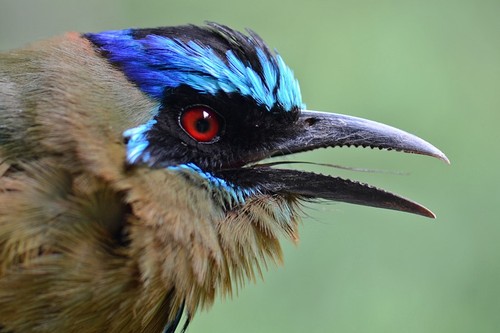
Blue-crowned Motmot
38-43 cm (15-17 in) long including tail
White-tipped Dove
27-30 cm (10.5-12 in) long, 38-43 cm wingspan
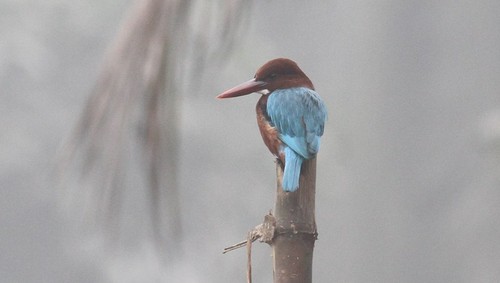
White-throated Kingfisher
27-28 cm (10.5-11 in) long
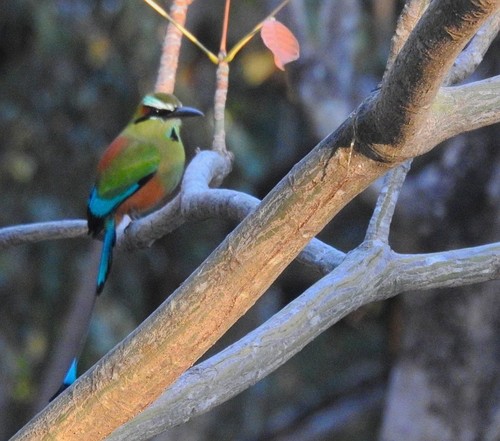
Turquoise-browed Motmot
34 cm (13 in) long including tail
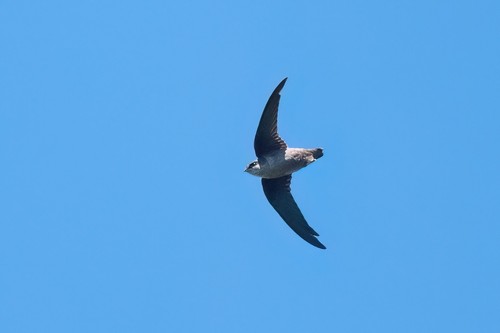
Vaux's Swift
10-12 cm (4-4.5 in) long, 27-30 cm wingspan
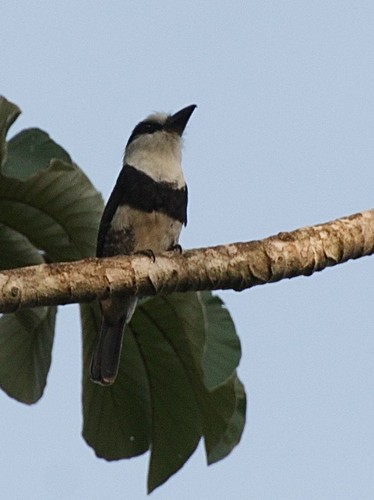
White-necked Puffbird
22-24 cm (8.5-9.5 in) long
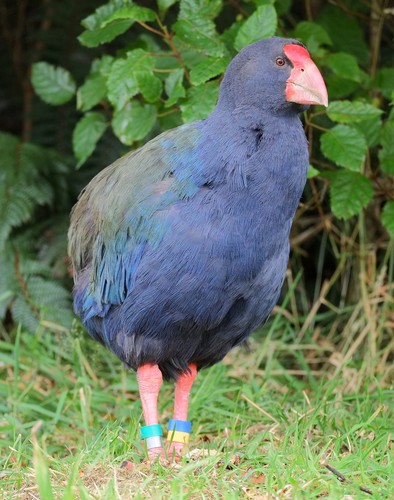
Takahe
50 cm (20 in) long, up to 3.5 kg; flightless
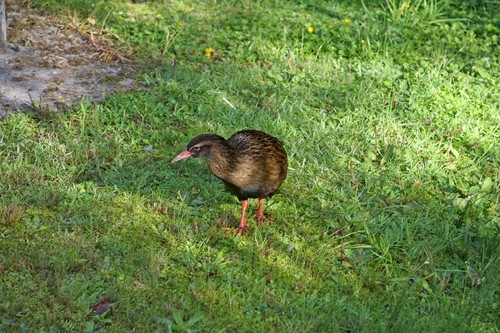
Weka
50-60 cm (20-24 in) long; flightless