
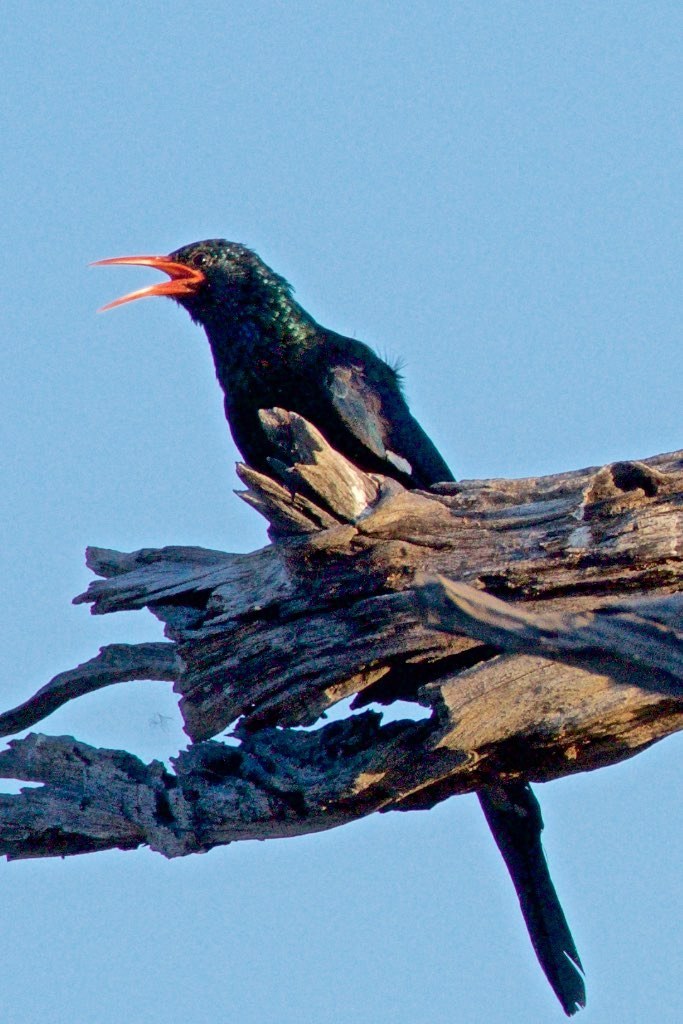
Green Wood Hoopoe
Phoeniculus purpureus
A glossy, iridescent African bird with a long curved red bill and tail, known for its raucous cackling calls and tight-knit family groups.
- Size
- 34-44 cm long including a long graduated tail; slender build
- Habitat
- Savanna, open woodland, and riverine forest edges across sub-Saharan Africa
- Type
- other
Spotted a bird like this?
Identify any bird from a photo, free.
Overview
The Green Wood Hoopoe is a slender, long-tailed bird of sub-Saharan Africa's woodlands, instantly recognizable by its glossy plumage and loud, cackling calls. Despite the name, its feathers show a shifting iridescence of dark green, blue, purple, and bronze depending on the angle of light, rather than a flat green.
It belongs to the wood hoopoe family (Phoeniculidae), a small group restricted to Africa and only distantly related to the true Hoopoe. Adults have a long, thin, downcurved bright red bill, red legs, and a long graduated tail tipped with white spots visible in flight.
Green Wood Hoopoes live in noisy, cooperative family parties that forage together along tree trunks and branches, making them one of the more conspicuous and vocal woodland birds across their range.
How to identify it
Key field marks
- Long, thin, strongly downcurved bright red bill
- Glossy dark plumage with green, purple, and bronze iridescence
- Long tail with white-spotted tips, often fanned in flight
- Bright red legs and feet
- Travels in noisy groups of 3-12 birds
Similar species
- Common Scimitarbill: smaller, with a thinner black (not red) bill and a shorter tail; usually solitary or in pairs rather than groups.
- Violet Woodhoopoe and other regional wood hoopoes: very similar but with more violet or blue tones; ranges mostly do not overlap and voice differs.
- African Hoopoe: unrelated in appearance once seen well - has a fan-shaped crest and boldly barred black-and-white wings, unlike the plain glossy wings of the wood hoopoe.
Habitat & range
Habitat
Green Wood Hoopoes favor open and broadleaf woodland, savanna with scattered large trees, riverine forest edges, and well-treed gardens or parks. They need mature trees with loose bark and cavities for both foraging and roosting.
Range
Widespread across sub-Saharan Africa, from parts of West and Central Africa through East Africa to southern Africa, generally absent from dense rainforest interiors and true desert.
Migration
Non-migratory. Family groups are territorial and sedentary, occupying the same patch of woodland year-round.
Behavior & voice
Behavior
Green Wood Hoopoes are highly social, living in cooperative groups built around a single breeding pair assisted by related helpers. Groups forage together, climbing and probing along trunks and branches, and roost huddled together in tree cavities at night.
Voice
Their most distinctive trait is a loud, cackling, rhythmic "kuk-kuk-kuk-kuk" chorus given by the whole group, often while rocking and swaying side to side - a call so characteristic it has earned local nicknames imitating the sound.
Feeding
They glean insects, spiders, and other invertebrates from bark crevices and under loose bark using their long curved bill, working systematically up and along branches.
Nesting and breeding
They nest in natural tree cavities or old woodpecker/barbet holes, lined with little material. Only the dominant pair breeds, while non-breeding helpers (often offspring from previous broods) assist in feeding chicks and defending the territory, a classic example of cooperative breeding.
Frequently asked questions
What is a Green Wood Hoopoe?
It is a glossy, iridescent African bird with a long red curved bill and tail, living in cooperative family groups in savanna and woodland.
How do you identify a Green Wood Hoopoe?
Look for the long downcurved red bill, dark iridescent plumage, white-spotted tail tips, and loud cackling group calls.
Where do Green Wood Hoopoes live?
They are found across sub-Saharan Africa in savanna, open woodland, and riverine trees, avoiding dense rainforest and true desert.
Why do Green Wood Hoopoes live in groups?
They are cooperative breeders: a dominant pair breeds while related helpers assist with feeding chicks and defending the territory.
What does a Green Wood Hoopoe eat?
Mainly insects and other invertebrates, which it extracts from bark crevices with its long curved bill.
Green Wood Hoopoe guides
In-depth guides for identifying, finding, and understanding Green Wood Hoopoe.
Other birds you may enjoy
Kiwi
35-55 cm (14-22 in) long; roughly chicken-sized
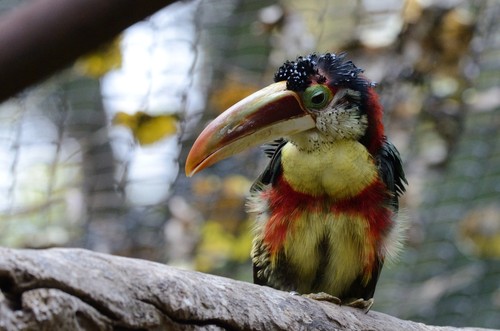
Curl-crested Aracari
41-46 cm (16-18 in) long, including a long bill and tail
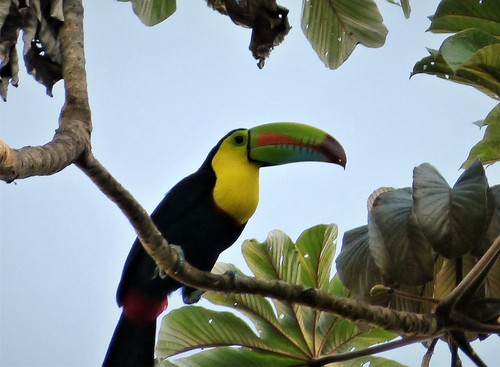
Keel-billed Toucan
42-55 cm (17-22 in) long including bill
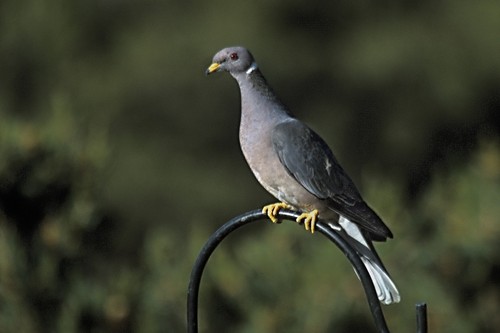
Band-tailed Pigeon
33-38 cm (13-15 in) long, wingspan about 66 cm (26 in)
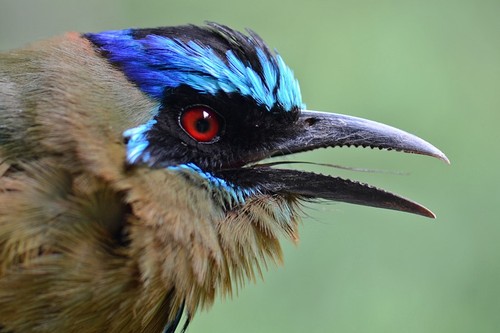
Blue-crowned Motmot
38-43 cm (15-17 in) long including tail
White-tipped Dove
27-30 cm (10.5-12 in) long, 38-43 cm wingspan
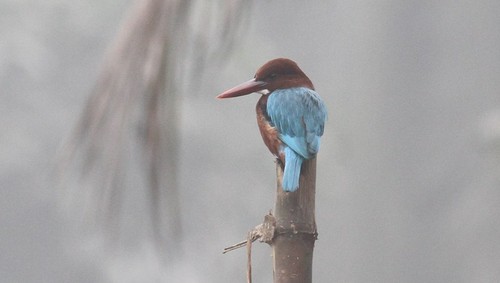
White-throated Kingfisher
27-28 cm (10.5-11 in) long
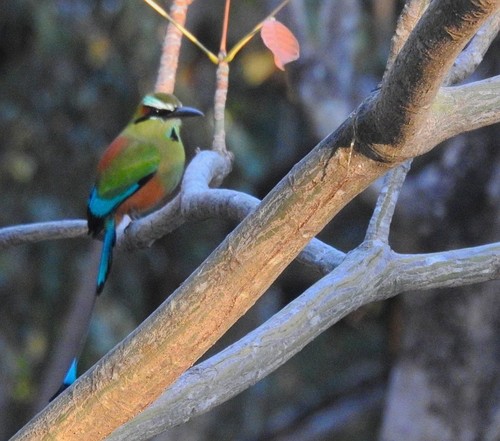
Turquoise-browed Motmot
34 cm (13 in) long including tail
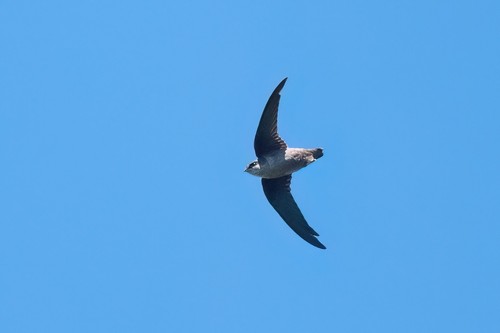
Vaux's Swift
10-12 cm (4-4.5 in) long, 27-30 cm wingspan
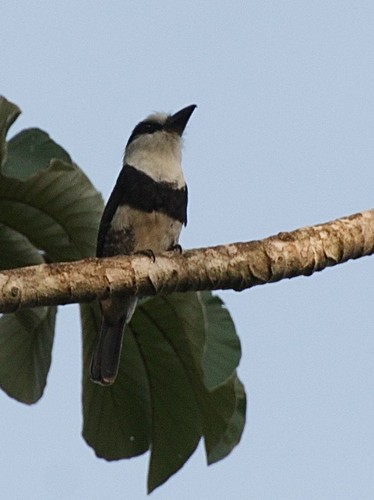
White-necked Puffbird
22-24 cm (8.5-9.5 in) long
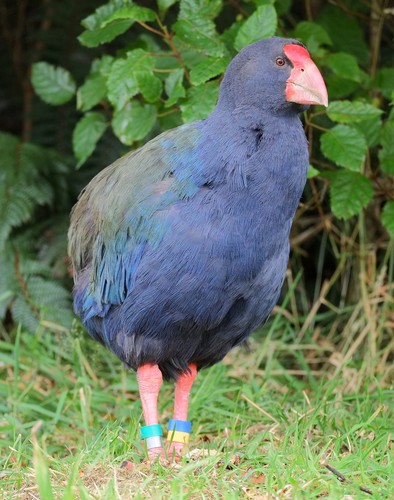
Takahe
50 cm (20 in) long, up to 3.5 kg; flightless
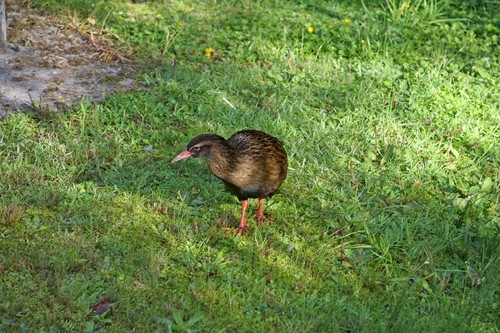
Weka
50-60 cm (20-24 in) long; flightless