
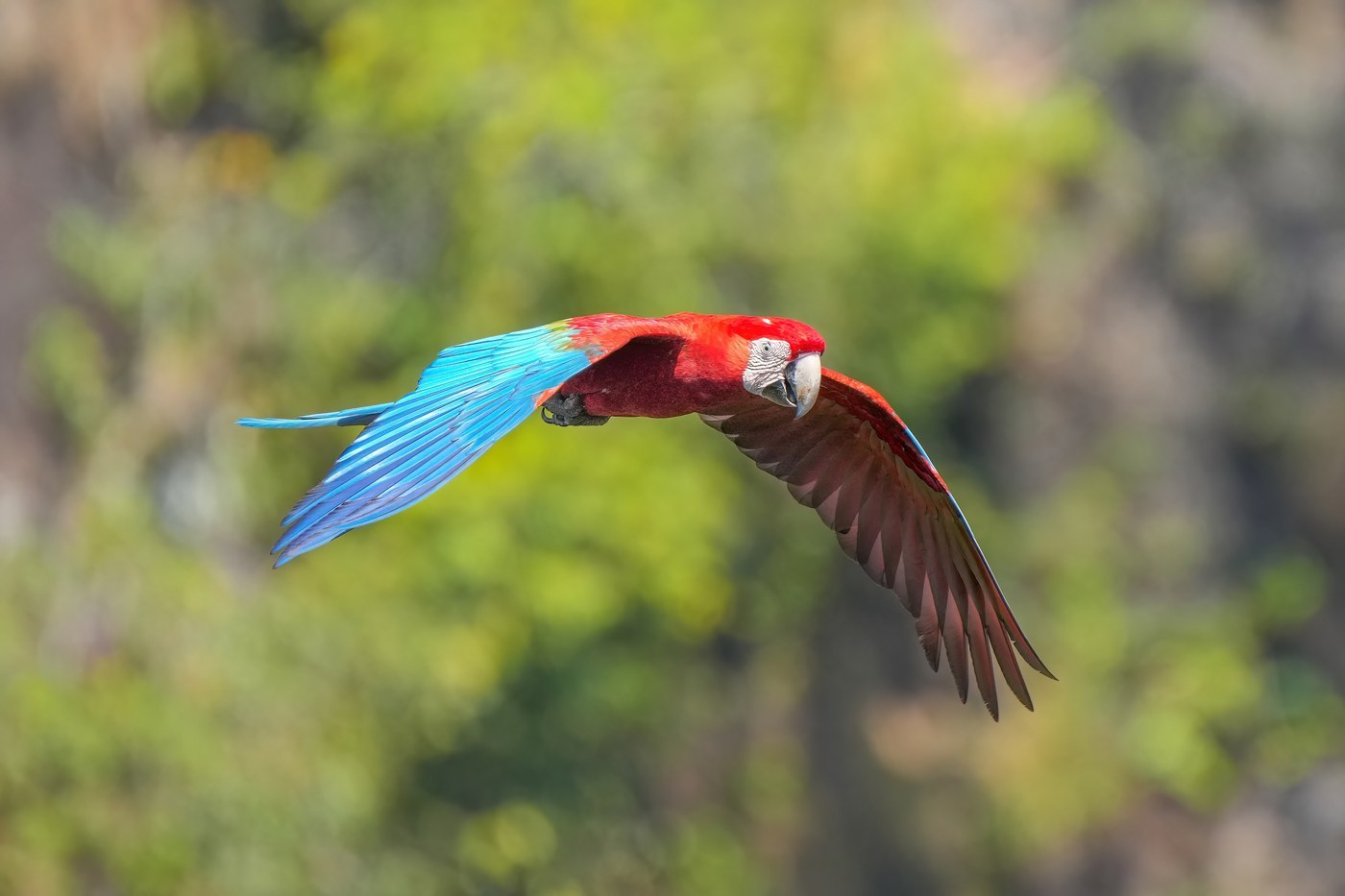
Green-winged Macaw
Ara chloropterus
A large red macaw distinguished from the similar Scarlet Macaw by a green band on the wing and fine red feather lines across the bare face.
- Size
- 90-95 cm (35-37 in) long including tail; wingspan approx. 110-125 cm
- Habitat
- Humid lowland tropical forest and gallery forest
- Type
- parrot
Spotted a bird like this?
Identify any bird from a photo, free.
Overview
The Green-winged Macaw, also called the Red-and-green Macaw, is one of the largest macaws, widespread across humid forests of South America and locally into Panama. It closely resembles the Scarlet Macaw but is larger and shows different wing coloring.
The body, head, and tail are deep red, with a broad green band crossing the upper wing coverts, bordered by blue on the flight feathers. The bare facial skin is whitish but, unlike the Scarlet Macaw, is crossed by narrow lines of small red feathers. The bill is pale above and dark below.
How to identify it
Key field marks
- Deep red body with a green band on the upper wing (versus yellow in the Scarlet Macaw)
- Bare face crossed by fine lines of red feathers
- Larger and bulkier overall than the Scarlet Macaw
- Long red tail tipped with blue
Similar species
Most confusion is with the Scarlet Macaw, which shows a yellow (not green) wing band and plain white facial skin without feather lines. The Green-winged Macaw is also noticeably larger and heavier-billed.
Habitat & range
Range
The Green-winged Macaw has a broad range across northern and central South America, from Panama and Colombia through the Amazon Basin to Paraguay and northern Argentina.
Habitat
It inhabits humid lowland forest, forest edge, and gallery forest, as well as more open woodland and cliff or hill country in parts of its range, generally avoiding areas without tall trees for nesting.
Movements
Largely sedentary, though it may travel notable distances daily between roosting sites, fruiting trees, and clay licks.
Behavior & voice
Social behavior
Usually encountered in pairs or small flocks, Green-winged Macaws often gather in larger numbers at clay licks and communal roost sites, sometimes alongside other macaw species.
Voice
Calls are loud, deep, resonant squawks and croaks, generally lower-pitched than those of the Scarlet Macaw.
Feeding
They feed high in the canopy on a wide range of fruits, nuts, and seeds, including hard palm nuts, and visit riverbank clay licks in parts of their range.
Nesting and breeding
Pairs nest in large tree cavities or, in some regions, in cliff crevices, laying 1-3 eggs. They form durable pair bonds and are frequently seen flying and perching in close association with their mate.
Frequently asked questions
How do you tell a Green-winged Macaw from a Scarlet Macaw?
The Green-winged Macaw shows a green band on the upper wing and fine red feather lines on its bare face, while the Scarlet Macaw has a yellow wing band and plain white facial skin.
How big is a Green-winged Macaw?
It is one of the largest macaws, reaching about 90-95 cm in length including its long tail, generally larger than the Scarlet Macaw.
Where is the Green-winged Macaw found?
It ranges widely across northern and central South America, from Panama and Colombia through the Amazon Basin to Paraguay and northern Argentina.
What does the Green-winged Macaw eat?
It feeds mainly on fruits, nuts, and seeds, including hard palm nuts, foraging high in the forest canopy.
Do Green-winged Macaws visit clay licks?
Yes, in parts of their range they regularly visit exposed riverbank clay to supplement their diet with minerals.
Green-winged Macaw guides
In-depth guides for identifying, finding, and understanding Green-winged Macaw.
Other birds you may enjoy
Eclectus Parrot
35-42 cm (14-16.5 in) long
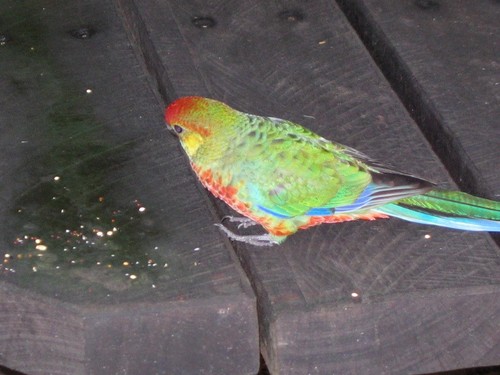
Western Rosella
25-30 cm (10-12 in) long
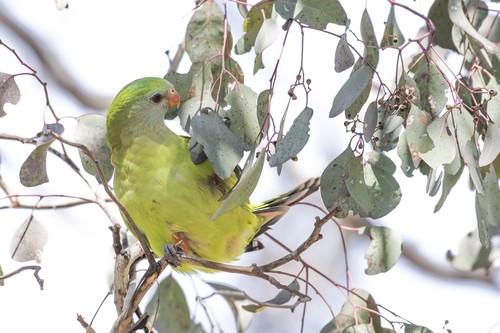
Superb Parrot
About 40 cm (16 in) long including a long tail
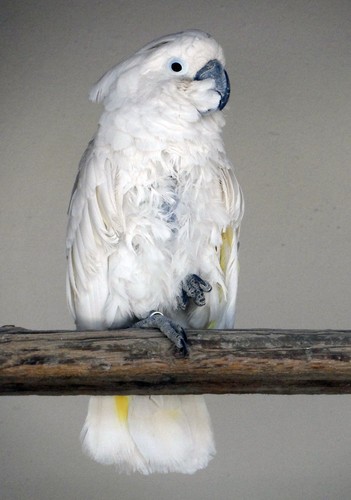
Umbrella Cockatoo
About 46 cm (18 in) long
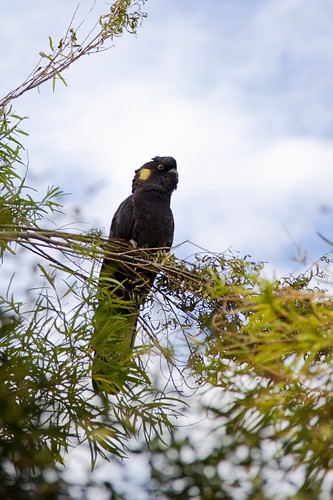
Yellow-tailed Black Cockatoo
55-65 cm long; wingspan up to about 130 cm
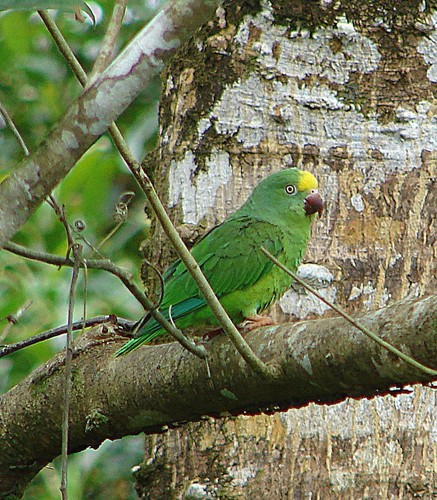
Yellow-crowned Amazon
About 35-38 cm (14-15 in) long
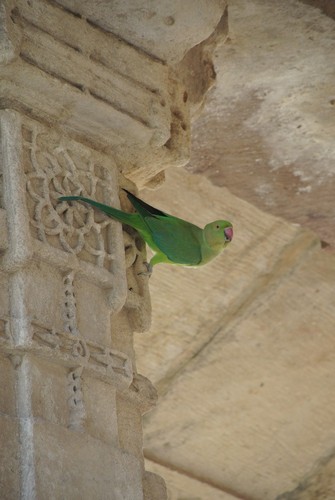
Rose-ringed Parakeet
40 cm (16 in) long including long tail
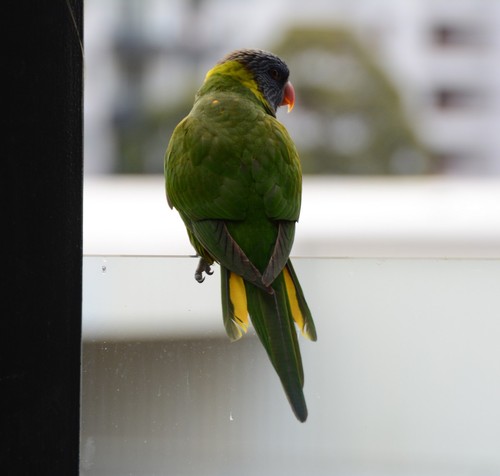
Rainbow Lorikeet
25-30 cm (10-12 in) long
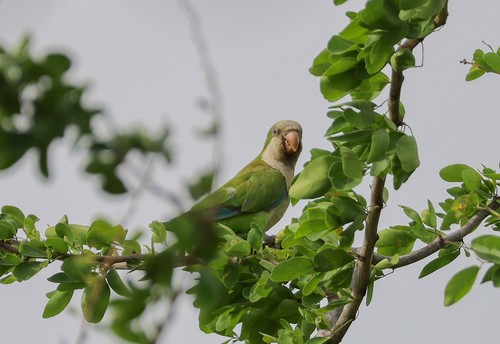
Quaker Parrot
28-31 cm (11-12 in) long
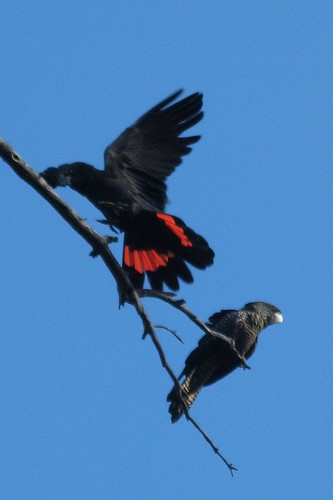
Red-tailed Black Cockatoo
55-65 cm long
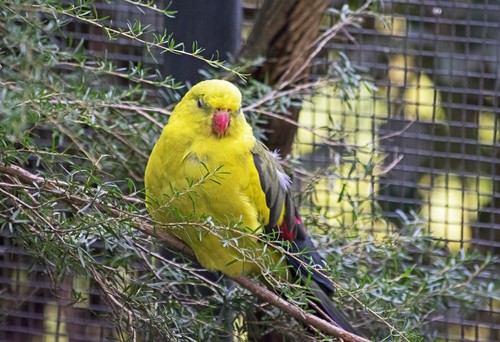
Regent Parrot
37-42 cm (15-17 in) long, including a long tail
Plum-headed Parakeet
33 cm (13 in) long including tail