
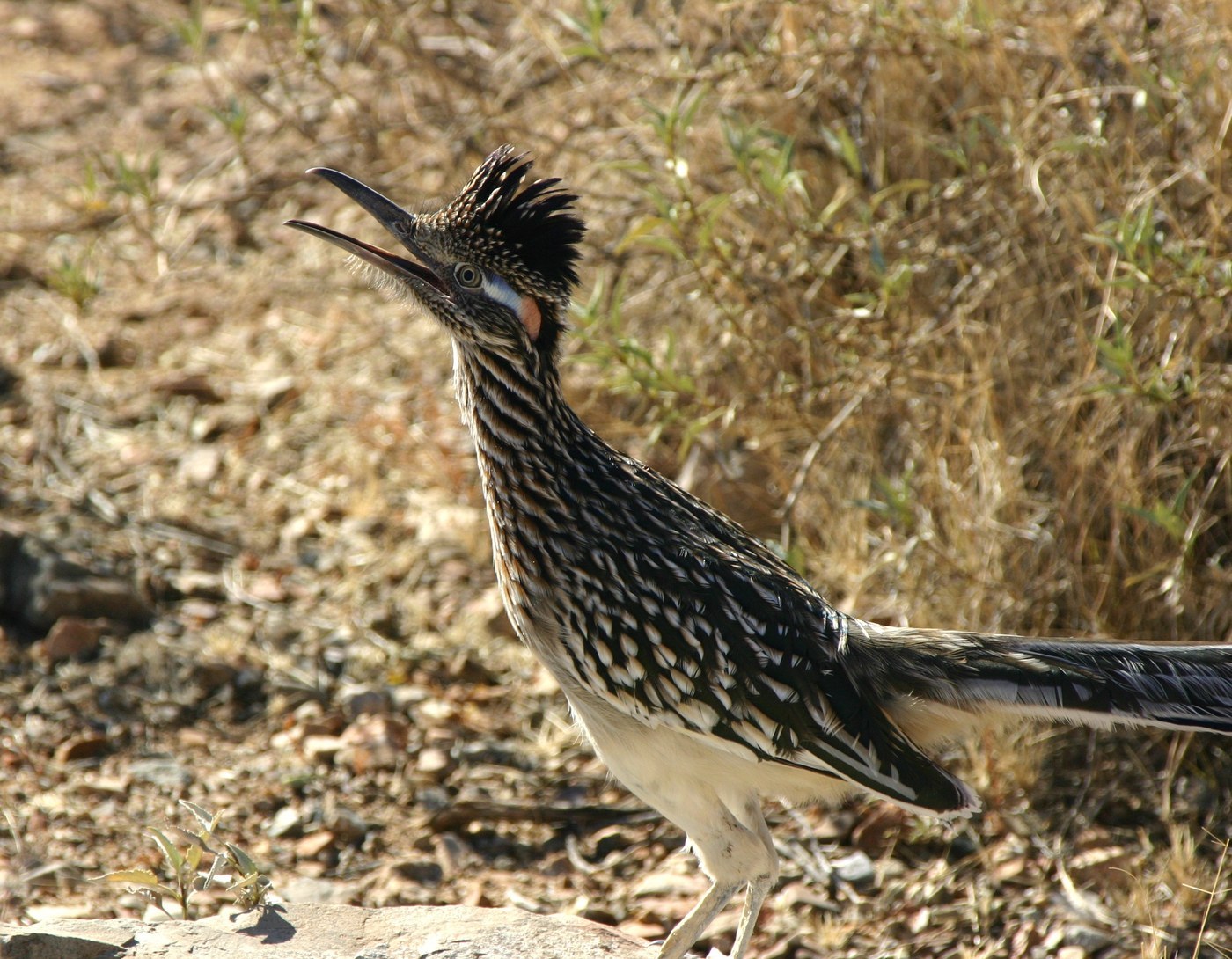
Greater Roadrunner
Geococcyx californianus
A large, fast-running ground cuckoo of the desert Southwest, made famous in cartoons, that sprints after prey with its shaggy crest raised and long tail trailing behind.
- Size
- 52-62 cm (20-24 in) long, 43-61 cm wingspan
- Habitat
- desert scrub, chaparral, arid grasslands, and open country of the southwestern United States and Mexico
- Type
- other
Spotted a bird like this?
Identify any bird from a photo, free.
Overview
The Greater Roadrunner is a large, ground-dwelling member of the cuckoo family, instantly recognizable by its long legs, long tail, shaggy blue-and-black crest, and streaky brown-and-white plumage that provides excellent camouflage against desert soil and brush. Rather than flying, it prefers to run, and it is among the fastest running birds in North America, capable of reaching speeds of roughly 20 mph (32 km/h) on the ground.
Behind the eye, bare skin patches of blue and orange-red are exposed in a distinctive comma-shaped mark, most visible during courtship and territorial displays. Though capable of short, low flights, the roadrunner relies overwhelmingly on its legs to travel and hunt.
How to identify it
Key Field Marks
- Large size with a long neck, long legs, and an extremely long, dark, white-tipped tail often carried cocked upward
- Shaggy, spiky crest atop the head
- Streaky brown, black, and white plumage overall
- Bare blue-and-orange skin patch behind the eye
- Strong, slightly downcurved bill
Similar Species
No other bird in its range shares the Greater Roadrunner's combination of large size, ground-running habit, and shaggy crest. Its distinctive silhouette and behavior make misidentification unlikely once seen.
Habitat & range
Greater Roadrunners inhabit open, arid, and semi-arid country across the southwestern United States and much of Mexico, including desert scrub, chaparral, mesquite grassland, and increasingly suburban and agricultural edges. They are non-migratory residents, defending permanent territories year-round.
The species has slowly expanded its range eastward in recent decades, benefiting from the spread of low, shrubby habitat and human development at the edges of its historic desert range.
Behavior & voice
Roadrunners are opportunistic, aggressive predators, taking a remarkably wide range of prey including lizards, snakes (including venomous species, which they dispatch by repeatedly slamming against the ground), large insects, scorpions, small mammals, and even other birds and nestlings. They forage by running rapidly across open ground and pouncing on prey.
The voice is a descending series of soft, dove-like coos, quite different from the rapid clattering bill sound (produced by rattling the mandibles together) used in other contexts. Pairs build a platform nest of sticks low in a cactus, shrub, or small tree, and both parents help incubate eggs and feed the young. Roadrunners also conserve energy by lowering their body temperature at night and basking with exposed dark skin patches on their back to rewarm quickly at sunrise.
Frequently asked questions
How fast can a Greater Roadrunner run?
It can reach speeds of roughly 20 mph (32 km/h) on the ground, among the fastest of any flying bird species when running.
Can roadrunners fly?
Yes, but only for short, low distances; they strongly prefer running to flying and rarely fly except to escape danger or reach a perch.
What do Greater Roadrunners eat?
They are opportunistic predators of lizards, snakes, insects, scorpions, small rodents, and even other birds.
Are roadrunners related to cuckoos?
Yes, the Greater Roadrunner is a large, ground-dwelling member of the cuckoo family (Cuculidae).
Where do roadrunners live?
They are year-round residents of arid and semi-arid habitats across the southwestern United States and Mexico.
What sound does a roadrunner make?
Its main call is a soft, descending series of dove-like coos; it also produces a rapid clattering sound by rattling its mandibles.
Greater Roadrunner guides
In-depth guides for identifying, finding, and understanding Greater Roadrunner.
Other birds you may enjoy
Kiwi
35-55 cm (14-22 in) long; roughly chicken-sized
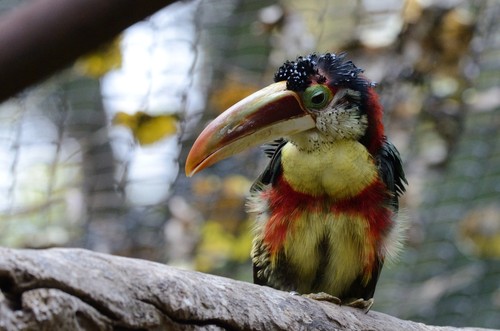
Curl-crested Aracari
41-46 cm (16-18 in) long, including a long bill and tail
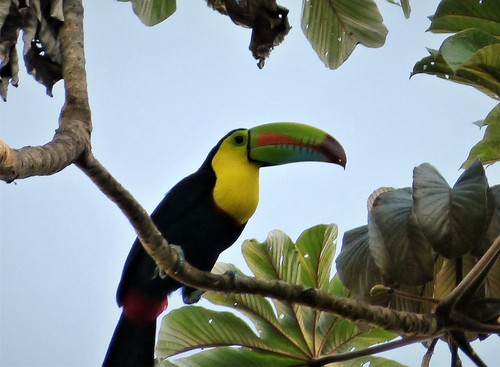
Keel-billed Toucan
42-55 cm (17-22 in) long including bill
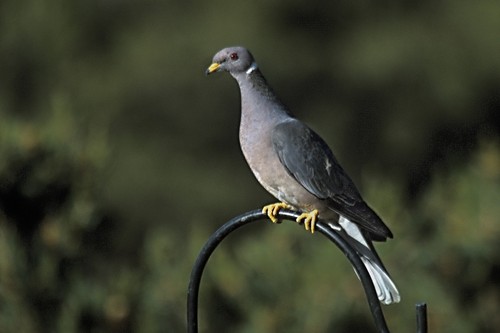
Band-tailed Pigeon
33-38 cm (13-15 in) long, wingspan about 66 cm (26 in)
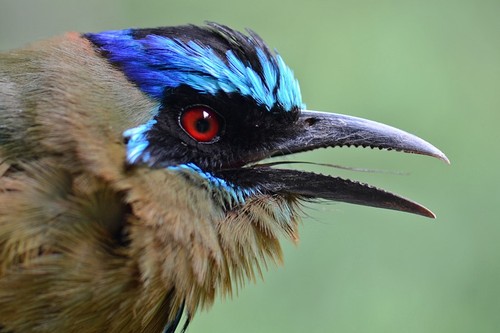
Blue-crowned Motmot
38-43 cm (15-17 in) long including tail
White-tipped Dove
27-30 cm (10.5-12 in) long, 38-43 cm wingspan
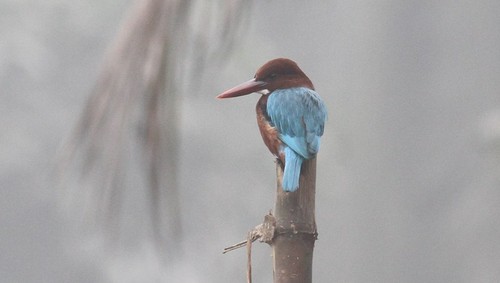
White-throated Kingfisher
27-28 cm (10.5-11 in) long
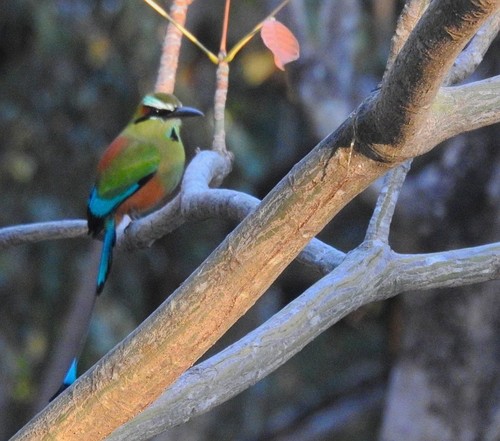
Turquoise-browed Motmot
34 cm (13 in) long including tail
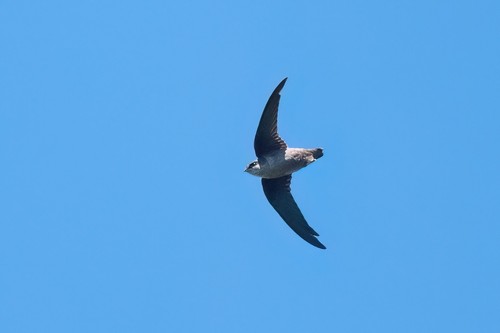
Vaux's Swift
10-12 cm (4-4.5 in) long, 27-30 cm wingspan
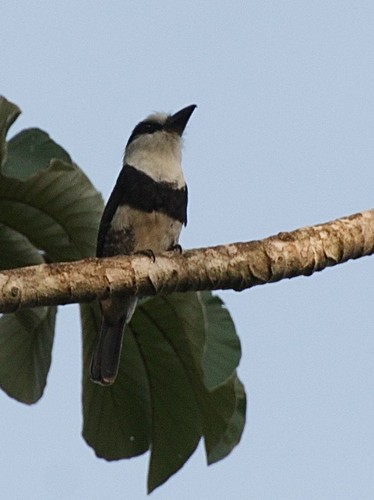
White-necked Puffbird
22-24 cm (8.5-9.5 in) long
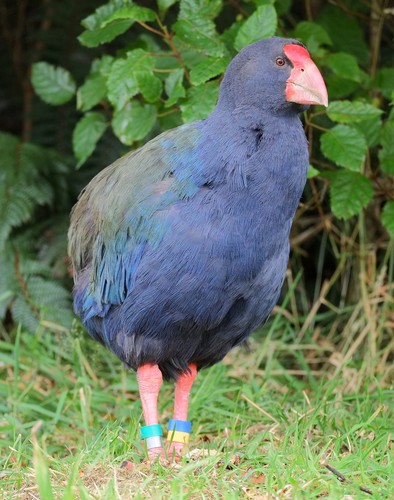
Takahe
50 cm (20 in) long, up to 3.5 kg; flightless
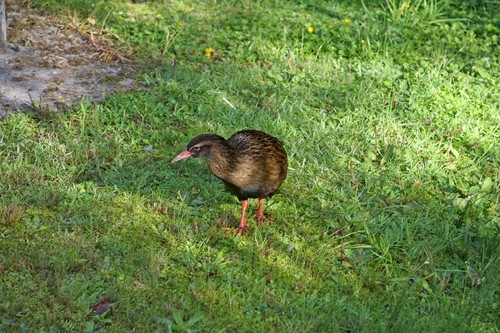
Weka
50-60 cm (20-24 in) long; flightless