
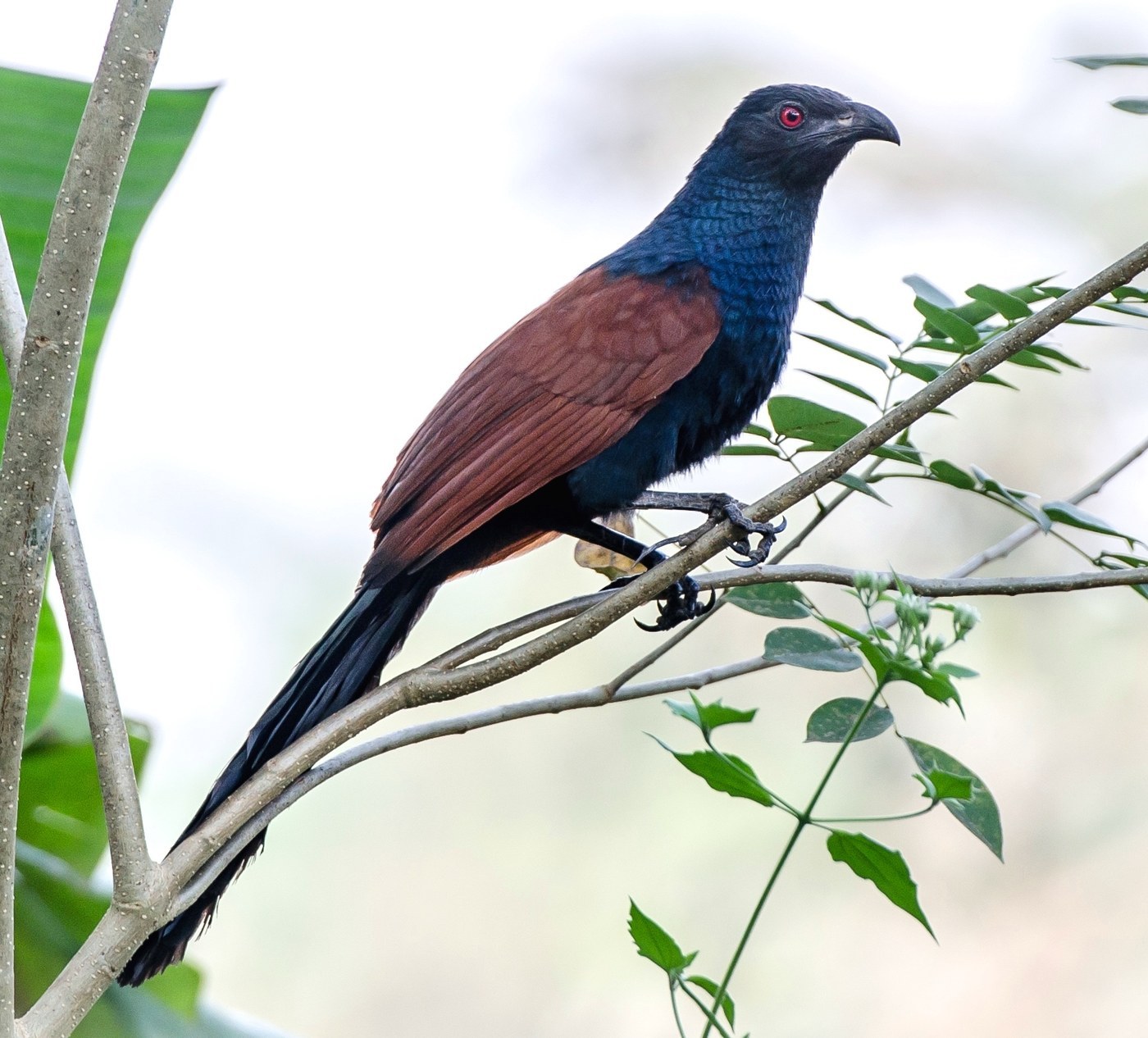
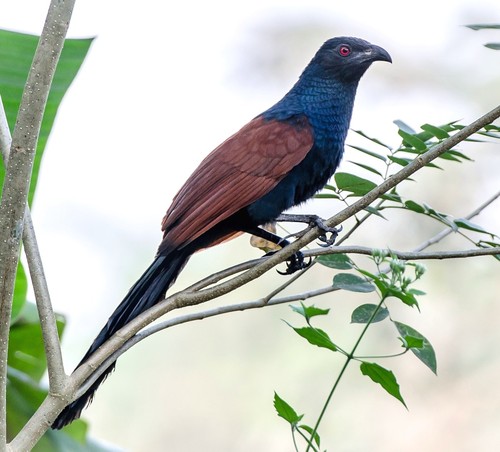
Greater Coucal
Centropus sinensis
A large, crow-sized cuckoo-family bird with glossy black body, chestnut wings, and a deep, resonant booming call.
- Size
- 48-52 cm (19-20.5 in) long
- Habitat
- scrub, grassland, gardens, and forest edge across South and Southeast Asia
- Type
- other
Spotted a bird like this?
Identify any bird from a photo, free.
Overview
The Greater Coucal, also widely known as the Crow Pheasant, is a large, heavy-bodied member of the cuckoo family, but unlike its parasitic relative the koel, it builds its own nest and raises its own young. Adults are glossy black overall with a purplish-blue sheen, contrasted by rich chestnut-red wings, a long black graduated tail, and striking deep red eyes.
Despite its bulk, the Greater Coucal is a somewhat clumsy, ground-loving bird, more often seen clambering through undergrowth or hopping along the ground than flying, though it can fly reasonably well over short distances when needed.
How to identify it
Key field marks
- Large size, glossy black body with a bluish sheen
- Rich chestnut-red wings, contrasting sharply with the black body and tail
- Long, broad, graduated black tail
- Deep red eyes; heavy, slightly downcurved black bill
- Often seen moving deliberately through low scrub or hopping on the ground
Similar species
The Asian Koel male is smaller, slimmer, entirely glossy black without chestnut wings, and has a different, more parasitic lifestyle. Crows are similarly black but lack the chestnut wing patch and have a different bill shape and posture.
Habitat & range
Greater Coucals are found across the Indian subcontinent, Sri Lanka, and through Southeast Asia into southern China and parts of Indonesia. They favor scrub, grassland, forest edges, gardens, and agricultural land with dense low cover, generally avoiding open treeless areas and deep unbroken forest.
The species is non-migratory, holding permanent territories.
Behavior & voice
Voice
A deep, resonant, booming "oop-oop-oop" call, often given repeatedly and audible over long distances, one of the most distinctive sounds of South Asian scrub and garden habitats.
Feeding
Greater Coucals forage mainly on or near the ground, taking a varied diet of insects, small reptiles such as lizards and snakes, eggs and nestlings of other birds, and occasionally small mammals, making them opportunistic predators within their habitat.
Nesting and breeding
Unlike the parasitic koel, the Greater Coucal builds its own bulky, domed nest of grass and leaves, usually placed low in dense bush or thicket. Both parents share incubation and chick-rearing duties, an unusual trait among many cuckoo relatives.
Frequently asked questions
Is the Greater Coucal a type of crow?
No, despite its common name 'Crow Pheasant' and crow-like size, it is actually a member of the cuckoo family, though unlike many cuckoos it builds its own nest.
Does the Greater Coucal lay eggs in other birds' nests?
No, unlike its relative the Asian Koel, the Greater Coucal is not a brood parasite and builds its own nest to raise its young.
What does the Greater Coucal's call sound like?
A deep, repeated, resonant booming 'oop-oop-oop' sound, carrying well across scrub and garden habitats.
What does a Greater Coucal eat?
A varied diet including insects, small reptiles, eggs and nestlings of other birds, and occasionally small mammals.
Greater Coucal guides
In-depth guides for identifying, finding, and understanding Greater Coucal.
Other birds you may enjoy
Kiwi
35-55 cm (14-22 in) long; roughly chicken-sized
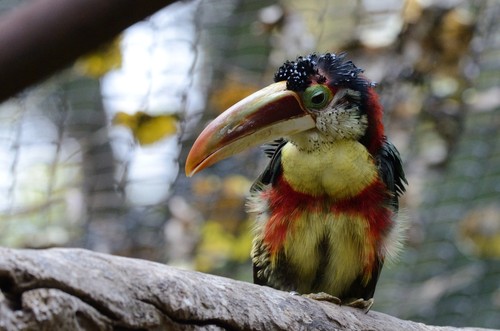
Curl-crested Aracari
41-46 cm (16-18 in) long, including a long bill and tail
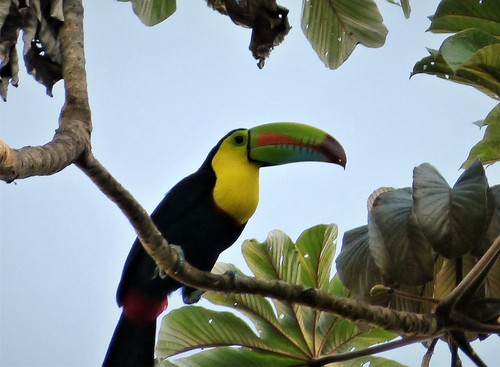
Keel-billed Toucan
42-55 cm (17-22 in) long including bill
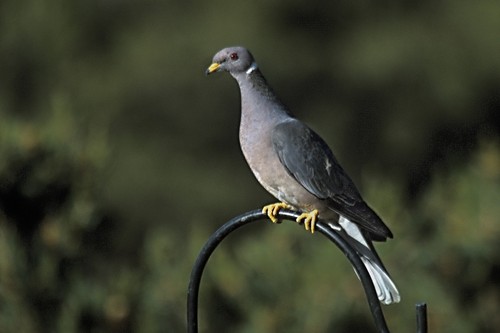
Band-tailed Pigeon
33-38 cm (13-15 in) long, wingspan about 66 cm (26 in)
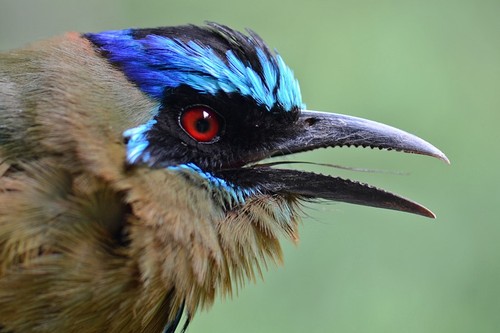
Blue-crowned Motmot
38-43 cm (15-17 in) long including tail
White-tipped Dove
27-30 cm (10.5-12 in) long, 38-43 cm wingspan
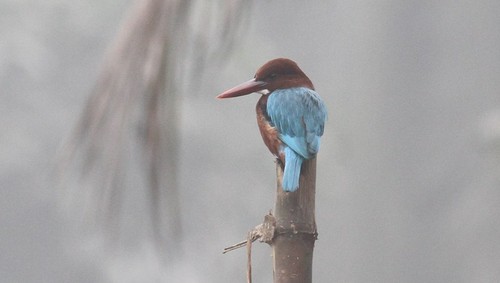
White-throated Kingfisher
27-28 cm (10.5-11 in) long
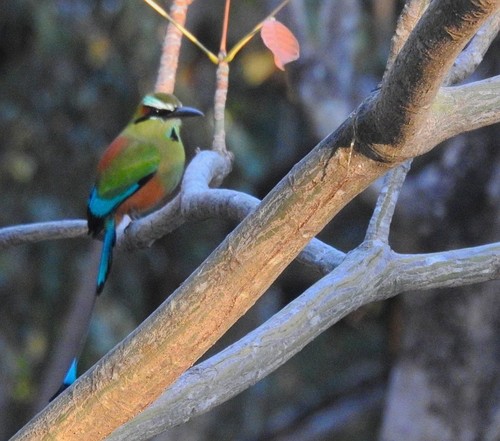
Turquoise-browed Motmot
34 cm (13 in) long including tail
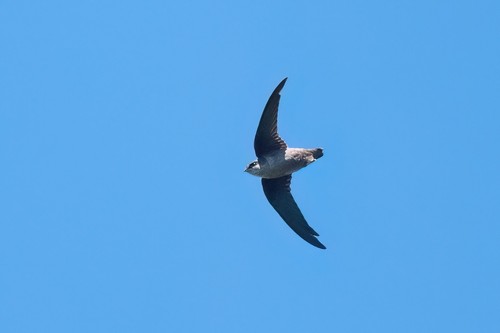
Vaux's Swift
10-12 cm (4-4.5 in) long, 27-30 cm wingspan
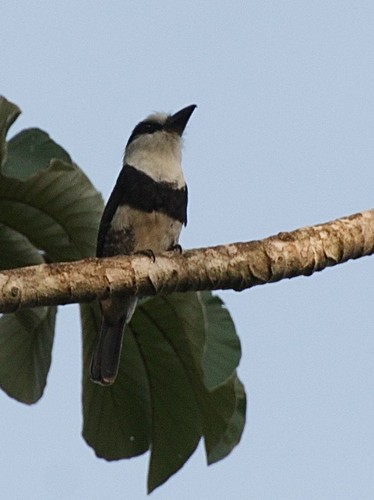
White-necked Puffbird
22-24 cm (8.5-9.5 in) long
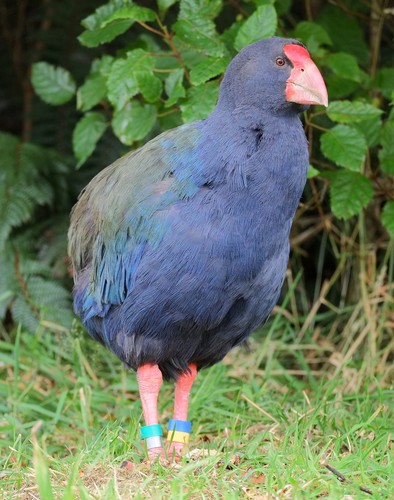
Takahe
50 cm (20 in) long, up to 3.5 kg; flightless
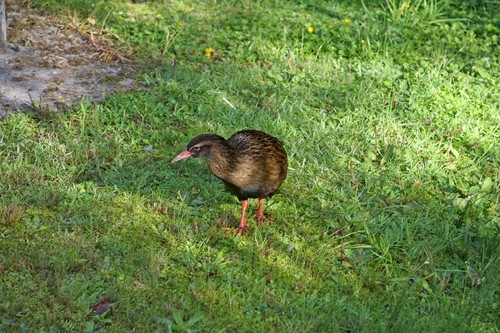
Weka
50-60 cm (20-24 in) long; flightless