
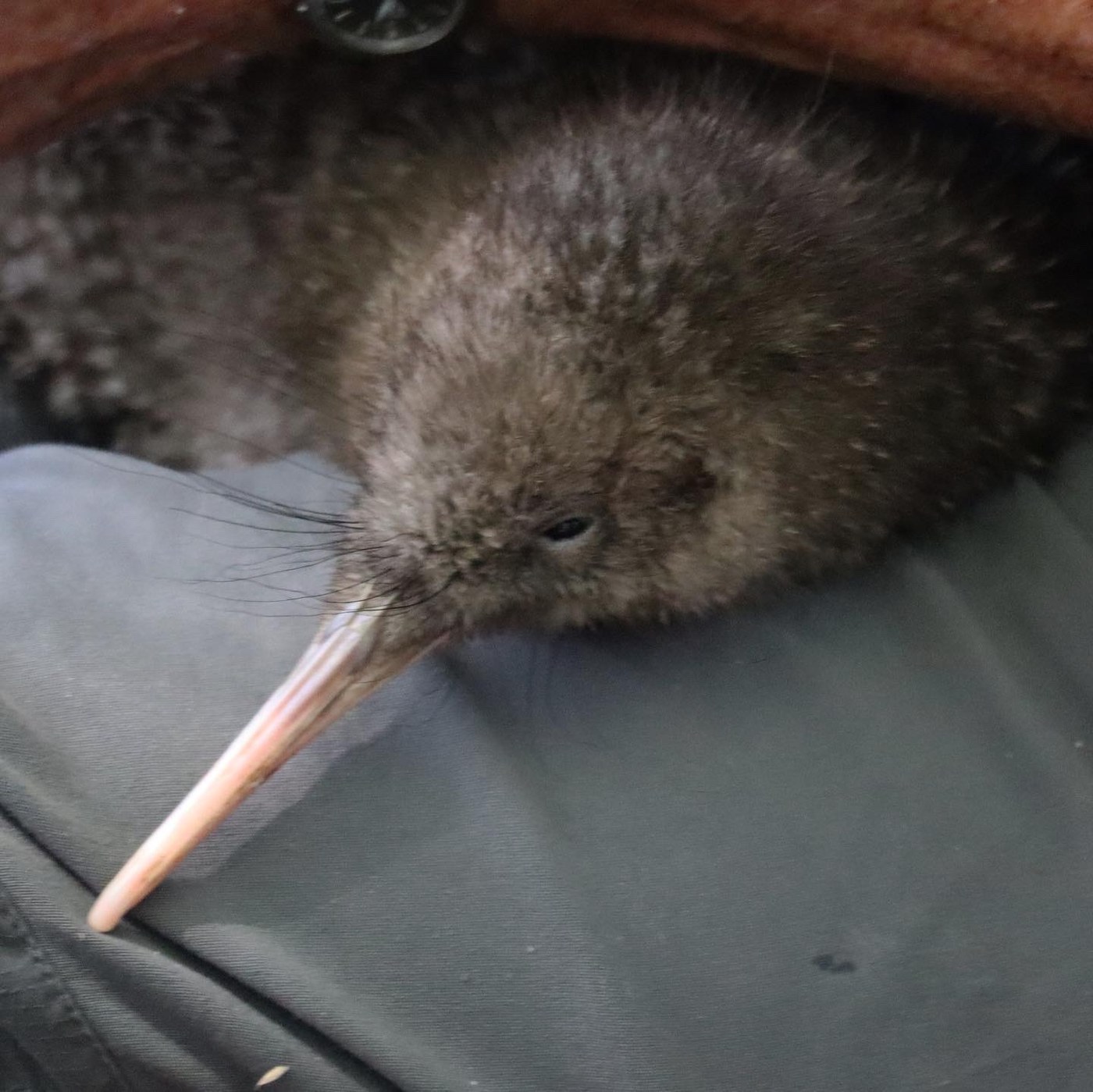
Great Spotted Kiwi
Apteryx haastii
The largest of the kiwi species, a shaggy grey, flightless bird of rugged forest and subalpine tussock in the northwest of New Zealand's South Island.
- Size
- 45-50 cm (18-20 in) body length, up to 3.3 kg; the largest kiwi species
- Habitat
- subalpine tussock grassland and native forest of northwest South Island, New Zealand
- Type
- other
Spotted a bird like this?
Identify any bird from a photo, free.
Overview
The Great Spotted Kiwi, known in Maori as roa, is the biggest of New Zealand's flightless kiwi species. It has coarse, streaky grey-brown plumage mottled with lighter bands, giving a finely patterned, spotted look at close range, along with the family's characteristic long bill, absent tail, and tiny hidden wings.
It inhabits rugged, often mountainous terrain in the northwest of the South Island, including subalpine tussock country well above the tree line, tougher conditions than most other kiwi species tolerate. Like all kiwi, it is nocturnal, solitary outside pairs, and locates food by smell using nostrils positioned at the tip of its bill.
How to identify it
Key field marks
- Large size, noticeably bigger and bulkier than other kiwi
- Grey-brown plumage with fine pale mottling or streaking
- Long, pale, slightly downcurved bill
- No visible tail; vestigial wings hidden by feathers
- Powerful legs for digging in tough alpine soils
Similar species
- Little Spotted Kiwi shares grey mottled plumage but is much smaller, roughly a third the weight.
- Southern Brown Kiwi (tokoeka), found in overlapping South Island regions, is warmer brown rather than grey and lacks the fine mottled pattern.
Habitat & range
Range
Restricted to the northwest of the South Island of New Zealand, including Kahurangi National Park, Paparoa Range, and adjacent ranges.
Habitat
Occupies native beech and podocarp forest as well as subalpine tussock grassland and scrub at higher elevations than most kiwi species use.
Migration
Non-migratory and flightless, holding large stable territories that may span more forest and open ground than other kiwi species require.
Behavior & voice
Behavior
Nocturnal and largely solitary, roosting by day in a burrow among tree roots or dense tussock and emerging at night to forage across a wide home range.
Voice
Males give a shrill, rising whistle and females a lower, hoarser call, typically after dark, sometimes answered in a duet by a mate.
Feeding
Probes soil and leaf litter for earthworms and invertebrate larvae, relying on smell more than sight, and its powerful legs allow it to dig in tougher upland ground than smaller kiwi manage easily.
Nesting
Nests in a burrow, and the female lays one or occasionally two very large eggs; incubation, lasting around 70-90 days, is carried out mainly or entirely by the male.
Frequently asked questions
What is the largest kiwi species?
The Great Spotted Kiwi, also called roa, is the largest of the kiwi species, found only in the northwest of New Zealand's South Island.
Where can Great Spotted Kiwi be found?
In rugged forest and subalpine tussock country of the northwest South Island, including Kahurangi National Park and the Paparoa Range.
Why is the Great Spotted Kiwi vulnerable?
Predation by stoats and other introduced mammals, along with a naturally restricted range, keep its population small and declining without ongoing predator control.
Do Great Spotted Kiwi live above the tree line?
Yes, unusually among kiwi species it regularly uses subalpine tussock grassland well above the forest, tolerating harsher, more open habitat.
Great Spotted Kiwi guides
In-depth guides for identifying, finding, and understanding Great Spotted Kiwi.
Other birds you may enjoy
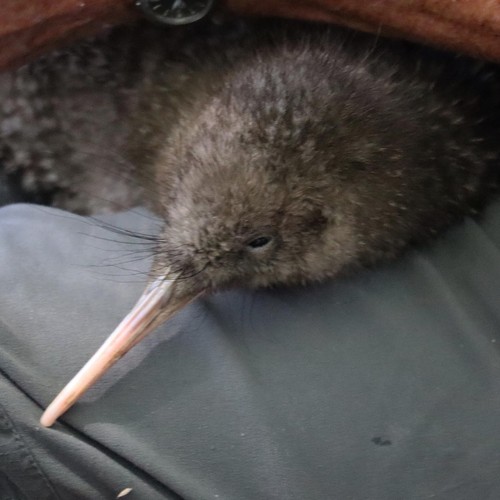
Kiwi
35-55 cm (14-22 in) long; roughly chicken-sized
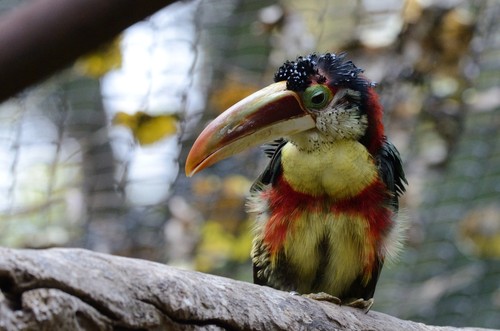
Curl-crested Aracari
41-46 cm (16-18 in) long, including a long bill and tail
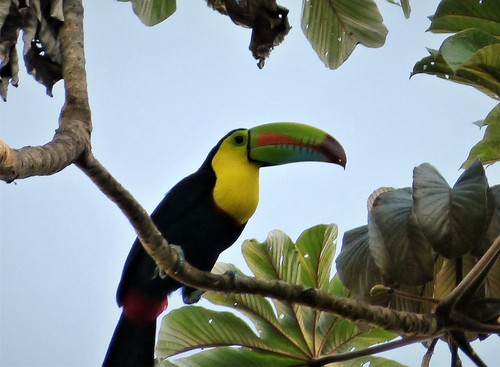
Keel-billed Toucan
42-55 cm (17-22 in) long including bill
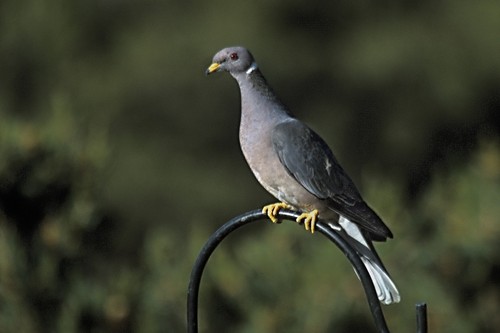
Band-tailed Pigeon
33-38 cm (13-15 in) long, wingspan about 66 cm (26 in)
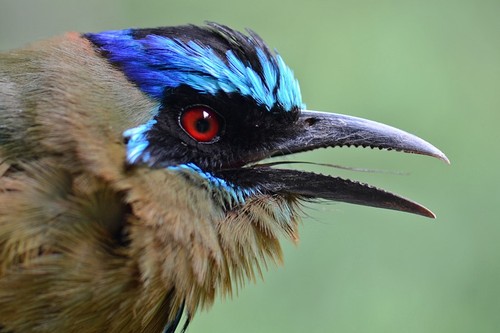
Blue-crowned Motmot
38-43 cm (15-17 in) long including tail
White-tipped Dove
27-30 cm (10.5-12 in) long, 38-43 cm wingspan
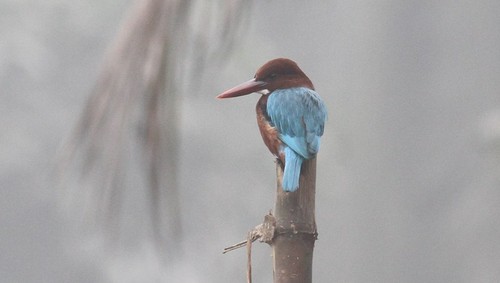
White-throated Kingfisher
27-28 cm (10.5-11 in) long
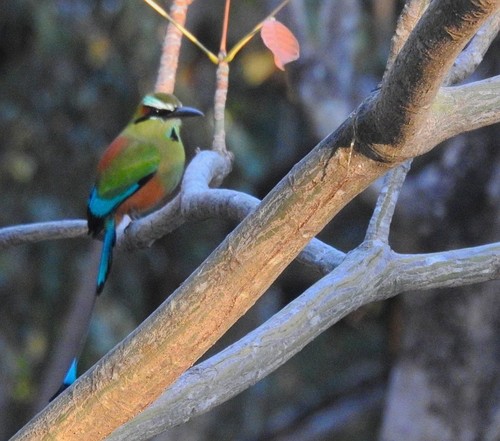
Turquoise-browed Motmot
34 cm (13 in) long including tail
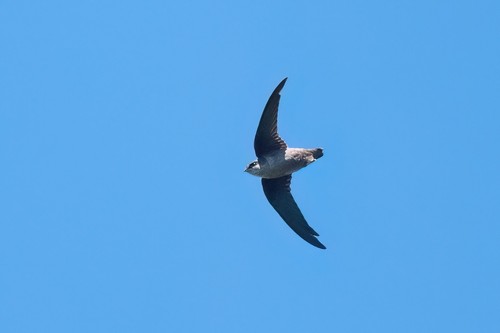
Vaux's Swift
10-12 cm (4-4.5 in) long, 27-30 cm wingspan
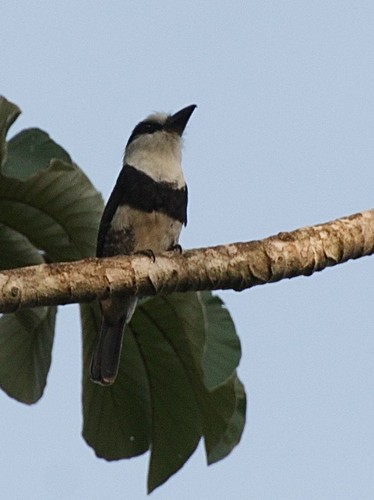
White-necked Puffbird
22-24 cm (8.5-9.5 in) long
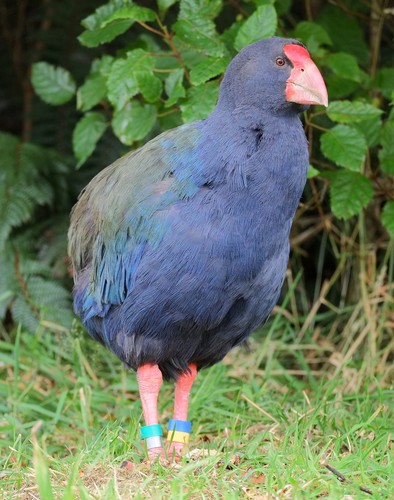
Takahe
50 cm (20 in) long, up to 3.5 kg; flightless
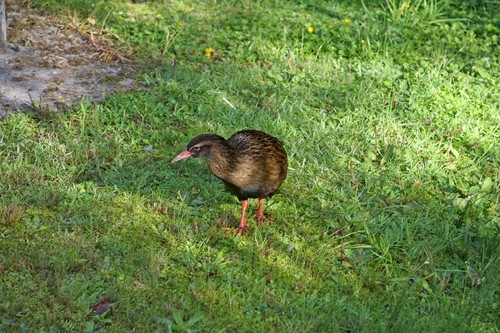
Weka
50-60 cm (20-24 in) long; flightless