
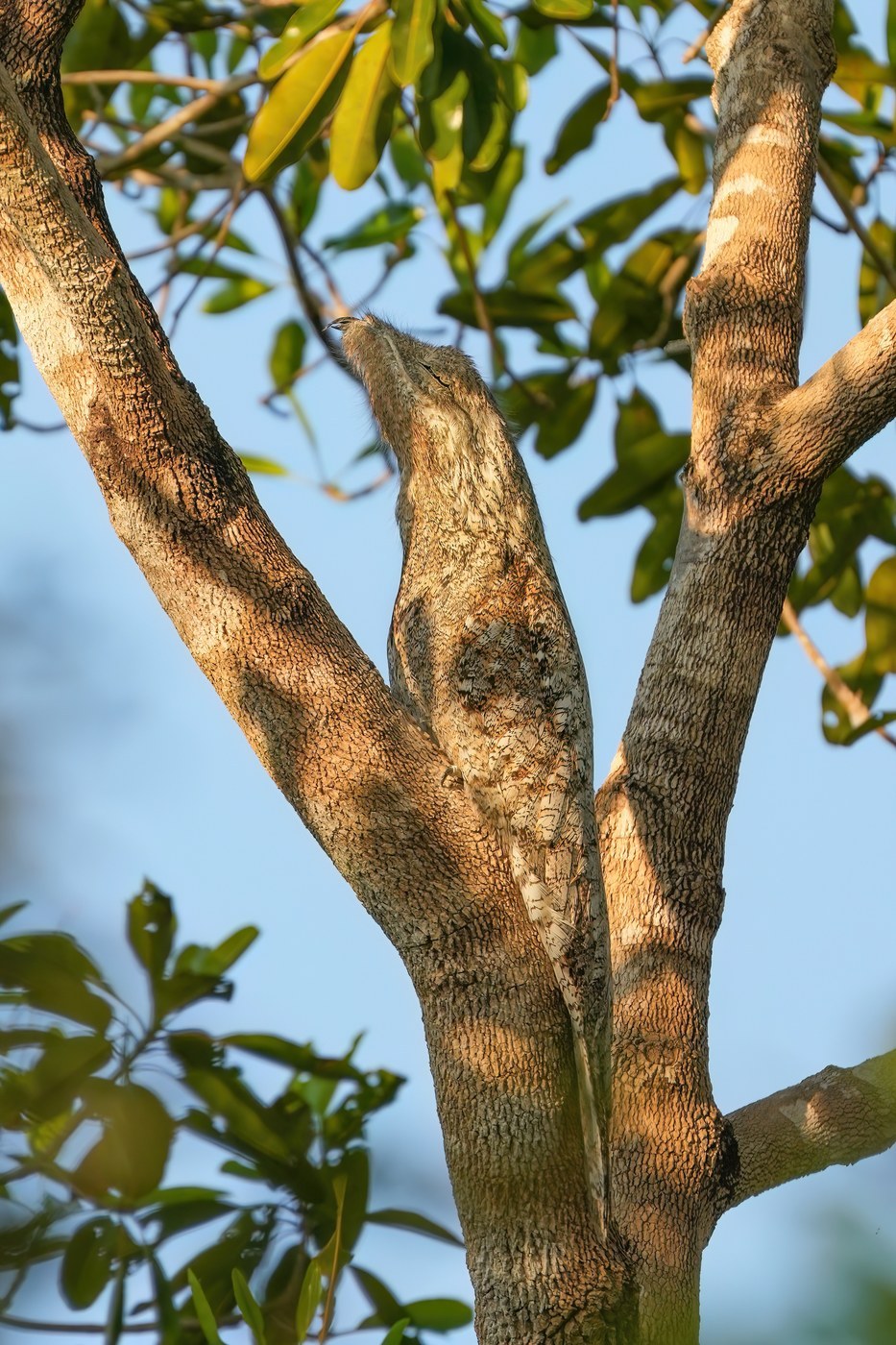
Great Potoo
Nyctibius grandis
The largest potoo, a nocturnal bird that perches upright on bare branches by day, camouflaged as a broken stub, and gives an eerie, growling call at night.
- Size
- 48-58 cm (19-23 in) long
- Habitat
- humid lowland forest edge, gallery forest, and clearings with tall trees
- Type
- other
Spotted a bird like this?
Identify any bird from a photo, free.
Overview
The Great Potoo is the largest member of the potoo family (Nyctibiidae), a group of nocturnal, insectivorous birds related to nightjars. Its mottled gray, brown, and white plumage provides extraordinary camouflage, mimicking the bark and texture of a broken tree snag. By day it perches bolt upright on an exposed branch, bill pointed skyward, eyes narrowed to slits, remaining motionless and easily overlooked despite its considerable size. At night its enormous yellow eyes and wide gaping mouth become apparent as it hunts on the wing.
How to identify it
Key field marks
- Large size, stocky build, mottled bark-like gray-brown-and-white plumage.
- Huge eyes (yellow, reflecting strongly in torchlight at night) and a very wide gape.
- Upright, stump-like daytime roosting posture on a bare branch.
Similar species
Common Potoo and other smaller potoos share the camouflage strategy but are noticeably smaller and paler-voiced. The Great Potoo's much larger size and deeper, growling call distinguish it from relatives.
Habitat & range
Great Potoos inhabit the edges of humid lowland forest, gallery forest, and clearings with scattered tall trees, generally below about 1,200 m. The species ranges from southern Mexico through Central America and across the Amazon basin to Bolivia and Brazil. It is a non-migratory, strictly nocturnal resident, roosting by day on an exposed perch and becoming active only after dark.
Behavior & voice
Voice
A deep, guttural, growling roar, quite unlike typical bird calls, given at night and sometimes described as sounding almost mammalian; the sound can carry impressively through the forest.
Feeding
Great Potoos are aerial insectivores, sallying from a high perch at night to catch large flying insects such as beetles and moths in their enormous gape, and occasionally taking small vertebrates such as bats.
Nesting and breeding
Unlike most birds, potoos build no nest at all: a single egg is laid directly in a shallow depression or crevice atop a broken branch or stub, where the incubating adult's camouflaged plumage renders it nearly invisible. Both parents are thought to share incubation duties.
Frequently asked questions
How does the Great Potoo avoid predators during the day?
It perches upright and motionless on a bare branch, its mottled bark-like plumage making it look like part of the broken stub, an extremely effective camouflage strategy.
What does the Great Potoo's call sound like?
A deep, guttural, growling roar given at night, unlike typical bird vocalizations and sometimes mistaken for a mammal.
Does the Great Potoo build a nest?
No, it lays a single egg directly in a shallow depression on a bare branch or stub without constructing any nest material.
What does a Great Potoo eat?
Large flying insects caught at night in aerial sallies from a high perch, and occasionally small vertebrates such as bats.
Great Potoo guides
In-depth guides for identifying, finding, and understanding Great Potoo.
Other birds you may enjoy
Kiwi
35-55 cm (14-22 in) long; roughly chicken-sized
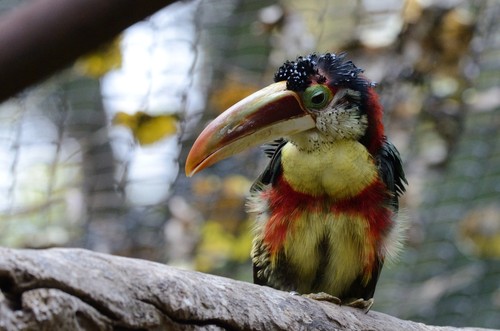
Curl-crested Aracari
41-46 cm (16-18 in) long, including a long bill and tail
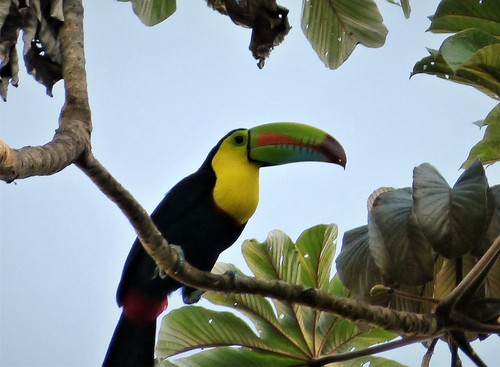
Keel-billed Toucan
42-55 cm (17-22 in) long including bill
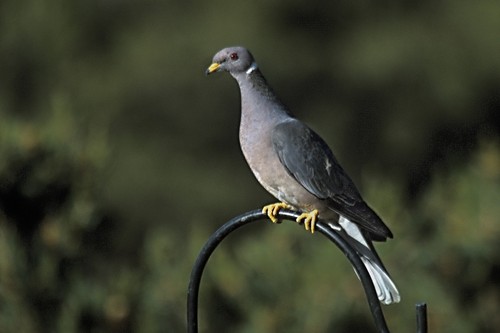
Band-tailed Pigeon
33-38 cm (13-15 in) long, wingspan about 66 cm (26 in)
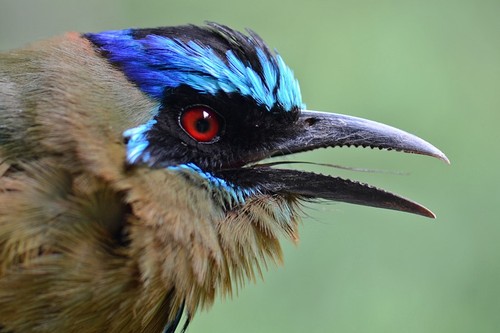
Blue-crowned Motmot
38-43 cm (15-17 in) long including tail
White-tipped Dove
27-30 cm (10.5-12 in) long, 38-43 cm wingspan
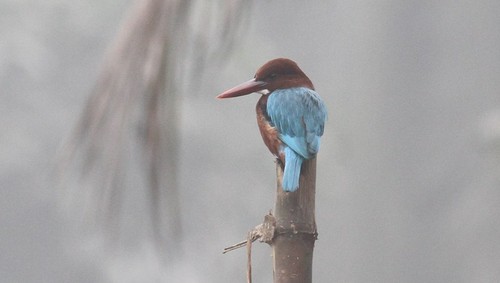
White-throated Kingfisher
27-28 cm (10.5-11 in) long
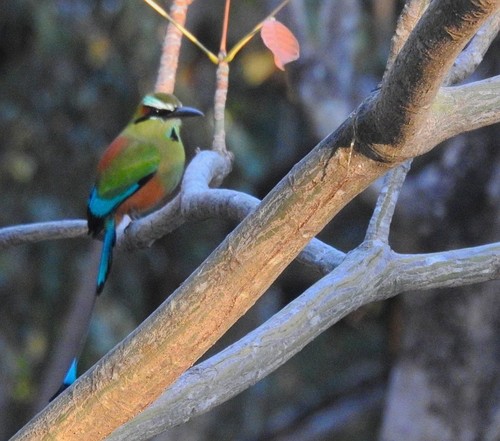
Turquoise-browed Motmot
34 cm (13 in) long including tail
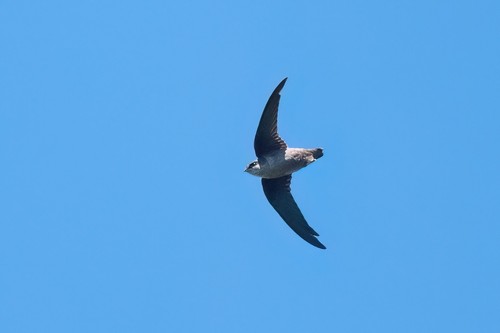
Vaux's Swift
10-12 cm (4-4.5 in) long, 27-30 cm wingspan
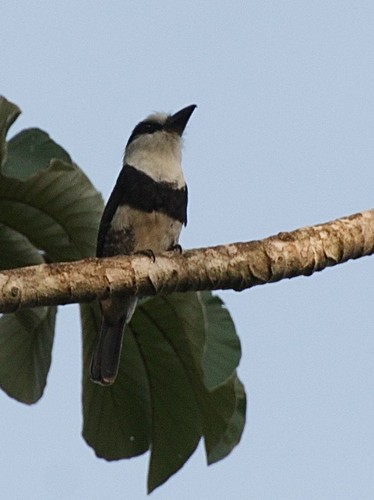
White-necked Puffbird
22-24 cm (8.5-9.5 in) long
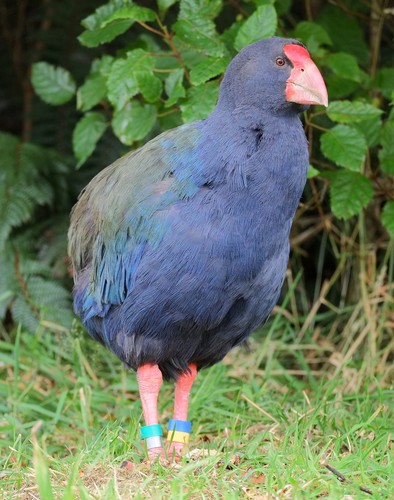
Takahe
50 cm (20 in) long, up to 3.5 kg; flightless
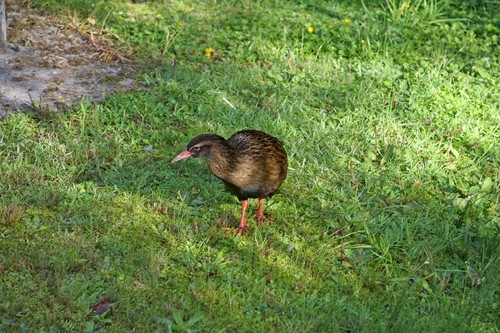
Weka
50-60 cm (20-24 in) long; flightless