
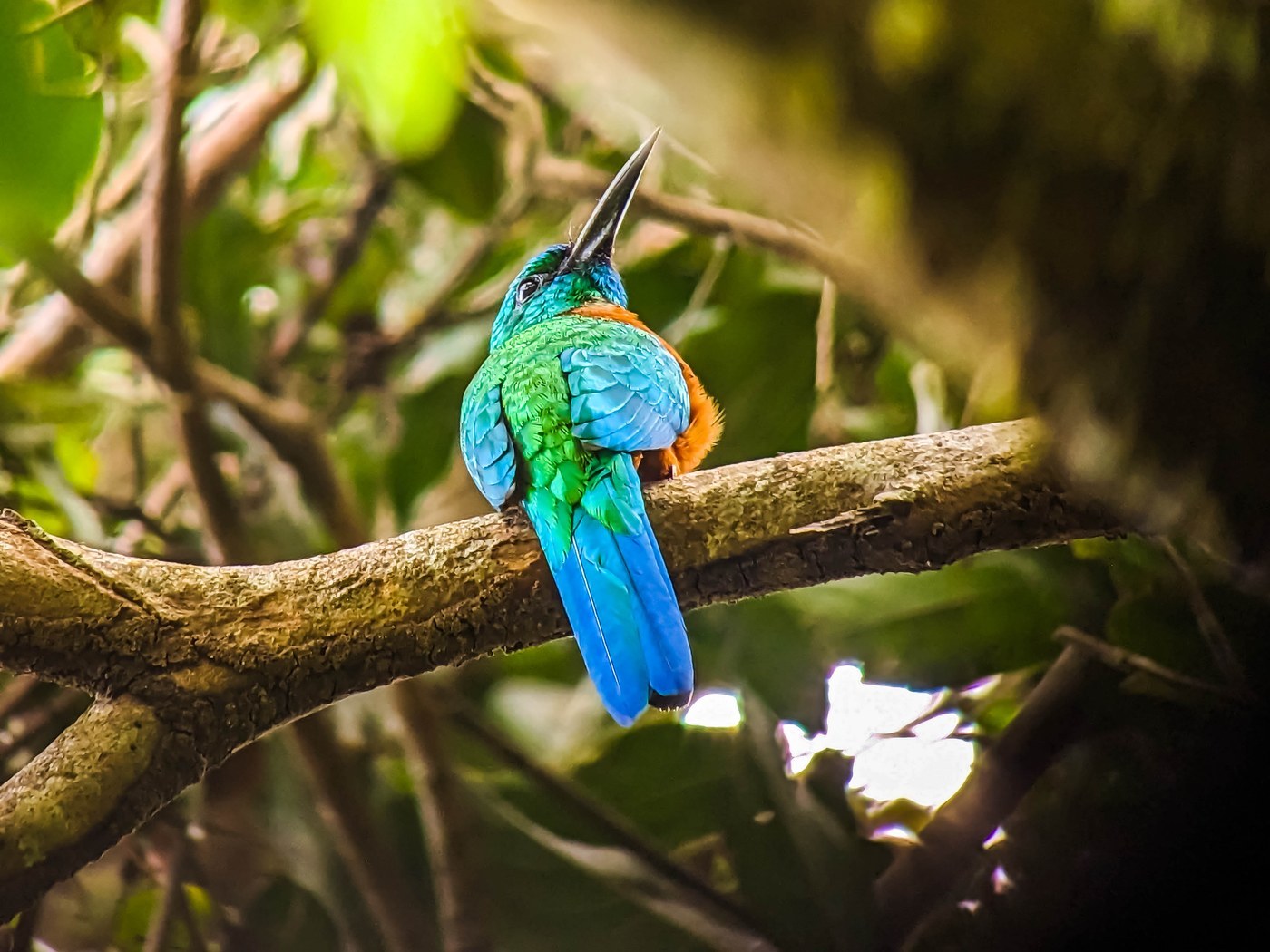
Great Jacamar
Jacamerops aureus
The largest and heaviest-billed jacamar, glittering coppery-green with a chestnut belly, favoring the shaded interior of lowland rainforest.
- Size
- 28-30 cm (11-12 in) long
- Habitat
- interior and edges of humid lowland forest
- Type
- other
Spotted a bird like this?
Identify any bird from a photo, free.
Overview
The Great Jacamar is the largest member of the jacamar family (Galbulidae) and differs from its relatives in build: it has a noticeably heavier, slightly downcurved bill rather than the needle-straight bill typical of other jacamars. Plumage is richly iridescent coppery-golden green above, with a chestnut-rufous belly and, in males, a white throat patch. Compared to the more edge-loving Rufous-tailed Jacamar, this species favors shaded forest interior and perches quietly, making it easy to overlook despite its size.
How to identify it
Key field marks
- Large size and heavy, slightly curved bill (unlike the thin straight bills of most jacamars).
- Coppery-golden-green iridescent upperparts.
- Chestnut-rufous belly; white throat patch in males.
Similar species
Rufous-tailed Jacamar is smaller and slimmer-billed with a longer rufous tail and more extensive rufous underparts. The Great Jacamar's heavier bill and quieter, forest-interior habits are the best clues to identification.
Habitat & range
This species inhabits the interior and edges of humid lowland (and locally foothill) evergreen forest from Nicaragua through Panama and across much of the Amazon basin, the Guianas, and parts of the western Amazon slope, generally below about 1,000-1,200 m. It is a non-migratory resident that tends to sit quietly at mid-levels rather than perching conspicuously in the open.
Behavior & voice
Voice
A loud, sharp, whistled call and a rolling trilled song, given from within the forest and often the first clue to the bird's presence given its inconspicuous perching habits.
Feeding
Great Jacamars sit motionless on a mid-story perch for long periods before sallying out to catch large flying insects such as beetles, cicadas, and butterflies, which are beaten against a branch before being swallowed.
Nesting and breeding
Like other jacamars, it nests in a burrow excavated in an earthen bank or arboreal termite nest. Both parents are believed to share incubation and chick-feeding duties.
Frequently asked questions
How is the Great Jacamar different from other jacamars?
It is the largest jacamar and has a distinctly heavier, slightly downcurved bill, whereas most jacamars have thin, straight bills.
Where does the Great Jacamar live?
In humid lowland forest interior from Nicaragua through Panama and across much of the Amazon basin.
What does the Great Jacamar eat?
Large flying insects such as beetles, cicadas, and butterflies, caught by sallying from a perch.
Why is it hard to spot?
It tends to perch quietly within the shaded forest interior rather than on exposed edge perches, making it easy to overlook despite its size.
Great Jacamar guides
In-depth guides for identifying, finding, and understanding Great Jacamar.
Other birds you may enjoy
Kiwi
35-55 cm (14-22 in) long; roughly chicken-sized
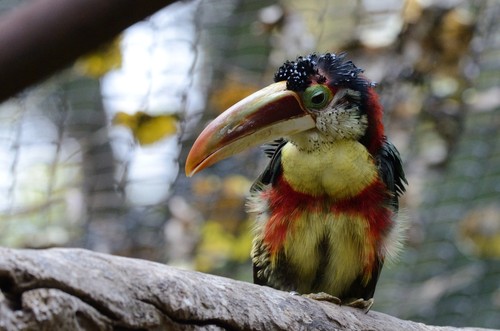
Curl-crested Aracari
41-46 cm (16-18 in) long, including a long bill and tail
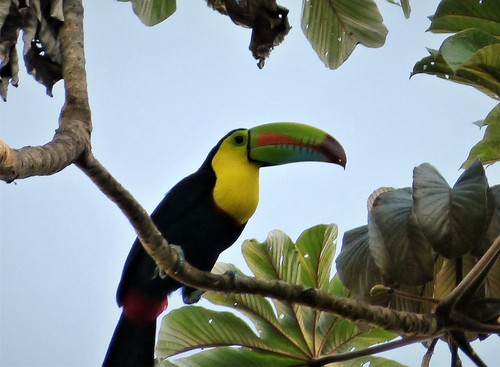
Keel-billed Toucan
42-55 cm (17-22 in) long including bill
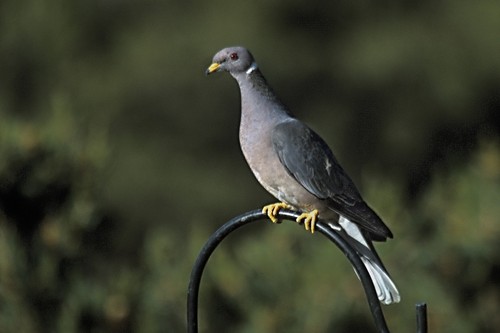
Band-tailed Pigeon
33-38 cm (13-15 in) long, wingspan about 66 cm (26 in)
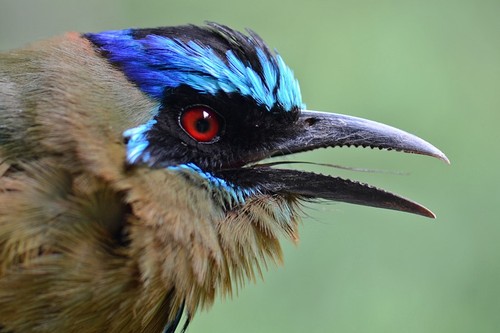
Blue-crowned Motmot
38-43 cm (15-17 in) long including tail
White-tipped Dove
27-30 cm (10.5-12 in) long, 38-43 cm wingspan
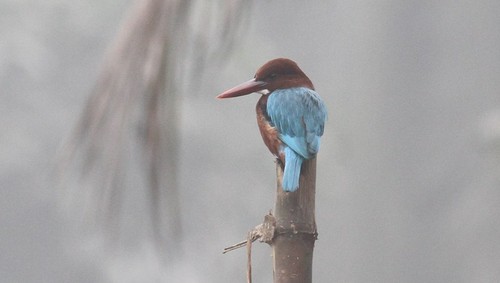
White-throated Kingfisher
27-28 cm (10.5-11 in) long
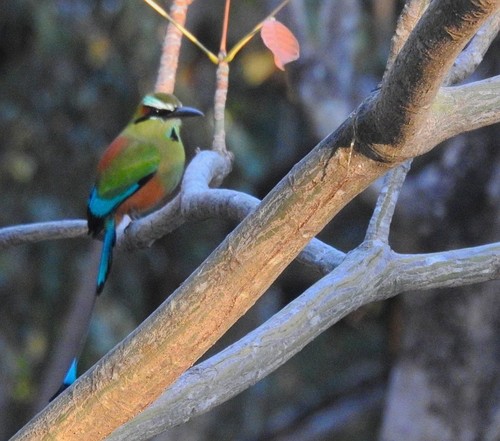
Turquoise-browed Motmot
34 cm (13 in) long including tail
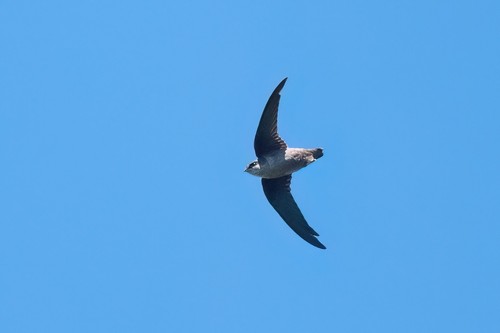
Vaux's Swift
10-12 cm (4-4.5 in) long, 27-30 cm wingspan
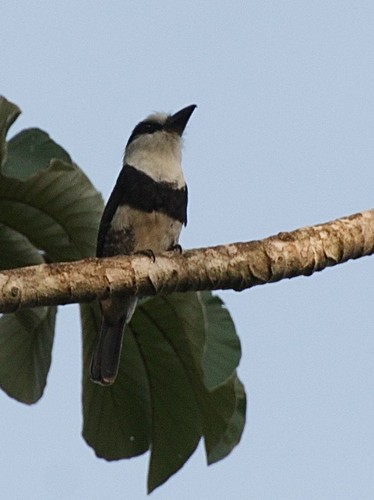
White-necked Puffbird
22-24 cm (8.5-9.5 in) long
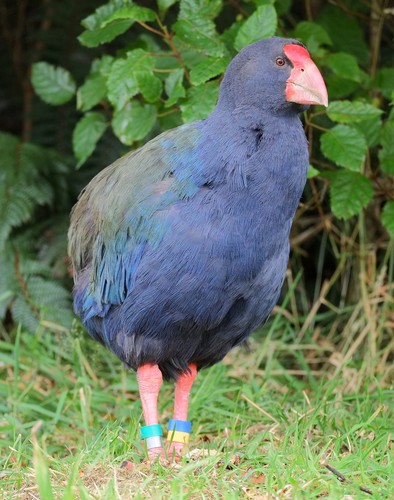
Takahe
50 cm (20 in) long, up to 3.5 kg; flightless
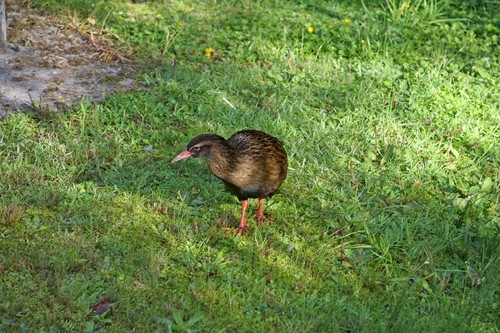
Weka
50-60 cm (20-24 in) long; flightless