
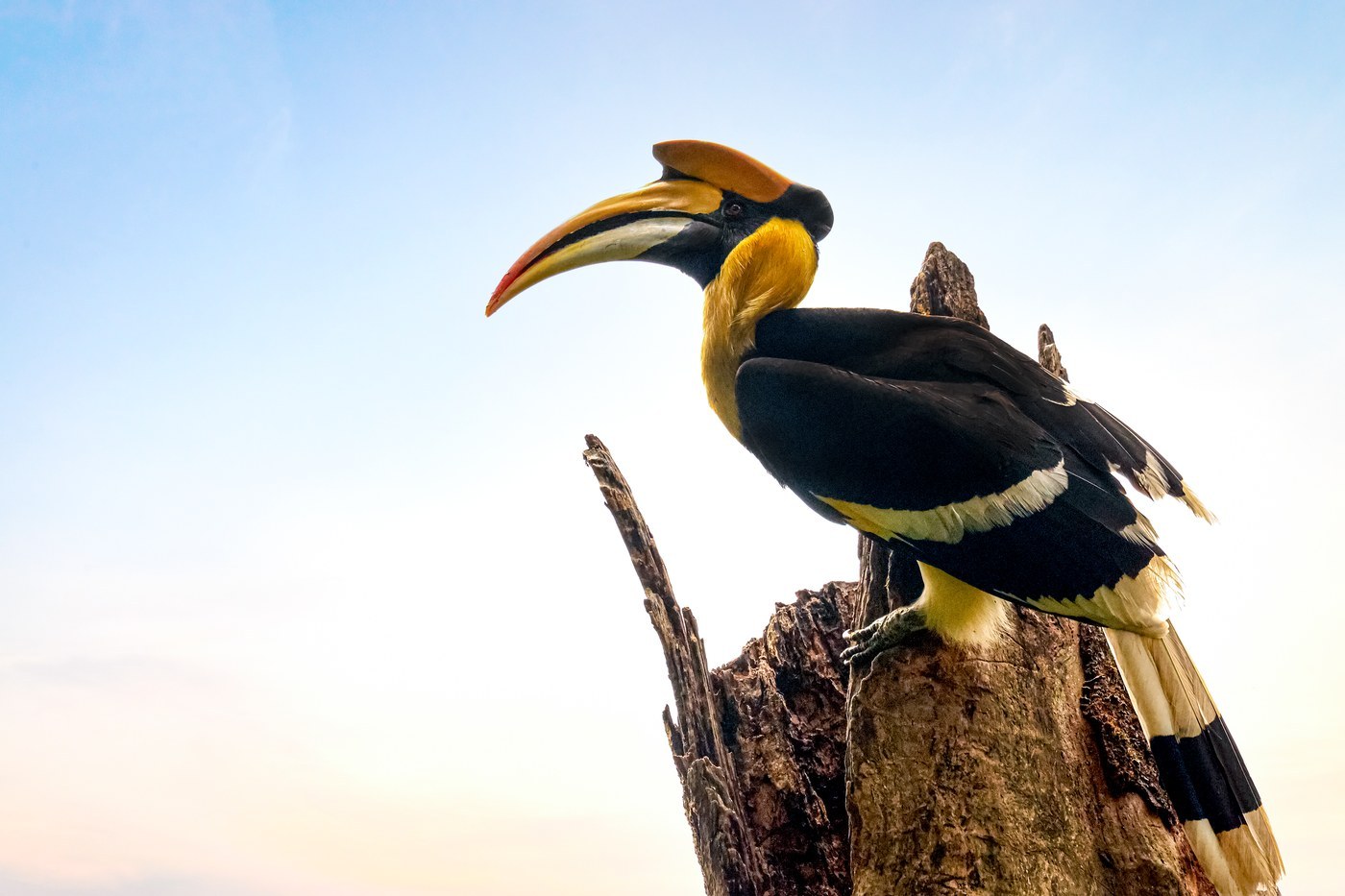
Great Hornbill
Buceros bicornis
One of the largest hornbills, instantly recognizable by its massive yellow-and-black casque and deep, whooshing wingbeats audible from a distance.
- Size
- 95-130 cm long with wingspan around 150 cm; one of the largest hornbills
- Habitat
- Evergreen and moist deciduous forests of South and Southeast Asia
- Type
- other
Spotted a bird like this?
Identify any bird from a photo, free.
Overview
The Great Hornbill is among the largest and most iconic hornbill species, found in the forests of South and Southeast Asia. It is best known for the huge, hollow, yellow-and-black casque that sits atop its enormous bill, giving the bird an unmistakable silhouette.
Adults have mostly black plumage with a white neck, white trailing edges to the wings, and a white tail crossed by a broad black band. The bill is large and yellow, tinged with red at the base, and topped by the concave, U-shaped casque that gives the species its scientific name "bicornis," or two-horned. Both sexes preen with a yellow oil secretion from a preen gland that stains the white feathers and casque, so wild birds often appear yellowish rather than pure white.
How to identify it
Key field marks
- Massive yellow bill topped by a large, hollow, U-shaped casque
- Black body with white neck, wing edges, and black-banded white tail
- Deep, loud whooshing sound produced by wingbeats in flight, audible at long range
Similar species
- Rhinoceros Hornbill: has an upturned, red-and-yellow casque and different range (Sundaic islands and Malay Peninsula) versus the Great Hornbill's broader South/Southeast Asian range.
- Wreathed Hornbill: much smaller casque with corrugated ridges rather than a large solid horn-like structure.
Habitat & range
Habitat
Great Hornbills inhabit tall evergreen and moist deciduous forest with large fruiting trees, particularly figs, needed for both feeding and nesting.
Range
Found from the Western Ghats and Himalayan foothills of the Indian subcontinent eastward through Southeast Asia to Sumatra.
Migration
The species is largely sedentary but individuals may travel considerable distances tracking fruiting trees, especially figs, across the forest landscape.
Behavior & voice
Behavior
Great Hornbills are usually seen in pairs or small family groups, and sometimes gather in larger numbers at abundant fruiting trees.
Voice
Calls include loud, deep, barking or roaring notes, often given as duets between paired birds and audible over long distances through the forest canopy.
Feeding
Figs form the bulk of the diet, supplemented by other fruit and, opportunistically, small mammals, birds, reptiles, and large insects; the species is an important disperser of large-seeded rainforest fruit.
Nesting and breeding
Great Hornbills nest in large tree cavities. The female seals herself inside using a plaster of mud, droppings, and food remains, leaving only a narrow slit through which the male passes food to her and, later, to the chicks, until the growing brood breaks out.
Frequently asked questions
What is the casque on a Great Hornbill for?
The hollow, keratin casque is thought to function in vocal resonance, species and sex recognition, and possibly head-to-head sparring between males, though its exact purpose is still debated.
Why does the female Great Hornbill seal herself in the nest?
Sealing the tree-cavity entrance with mud and droppings, leaving only a narrow slit, protects the female and eggs from predators while she incubates; the male feeds her through the gap.
Is the Great Hornbill endangered?
It is classified as Vulnerable due to deforestation, loss of large nesting trees, and hunting in parts of its range.
What sound does a Great Hornbill make in flight?
Its wingbeats produce a loud, distinctive whooshing or roaring sound caused by air passing through the wing feathers, audible well before the bird is seen.
What does a Great Hornbill eat?
It feeds mainly on figs and other fruit, supplemented by small animals such as reptiles, birds, and insects.
Great Hornbill guides
In-depth guides for identifying, finding, and understanding Great Hornbill.
Other birds you may enjoy
Kiwi
35-55 cm (14-22 in) long; roughly chicken-sized
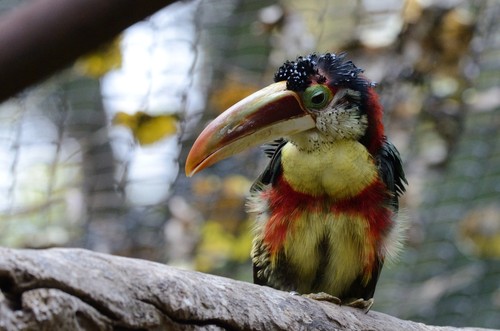
Curl-crested Aracari
41-46 cm (16-18 in) long, including a long bill and tail
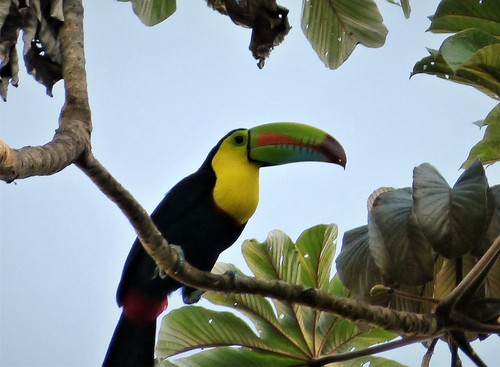
Keel-billed Toucan
42-55 cm (17-22 in) long including bill
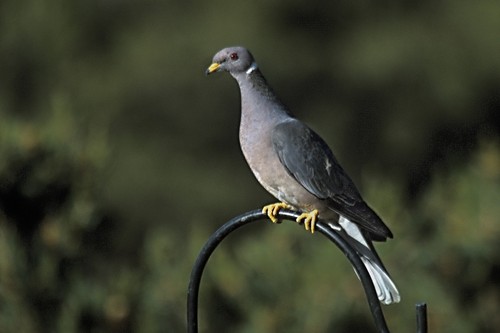
Band-tailed Pigeon
33-38 cm (13-15 in) long, wingspan about 66 cm (26 in)
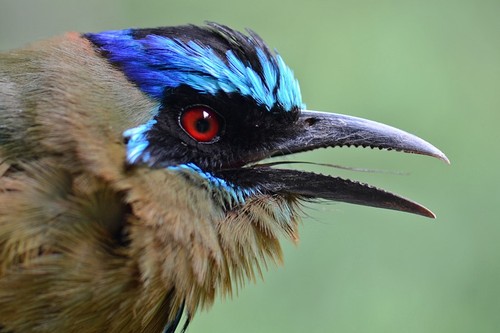
Blue-crowned Motmot
38-43 cm (15-17 in) long including tail
White-tipped Dove
27-30 cm (10.5-12 in) long, 38-43 cm wingspan
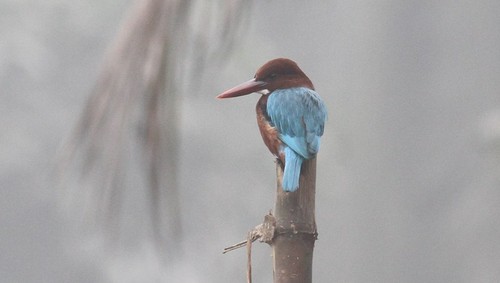
White-throated Kingfisher
27-28 cm (10.5-11 in) long
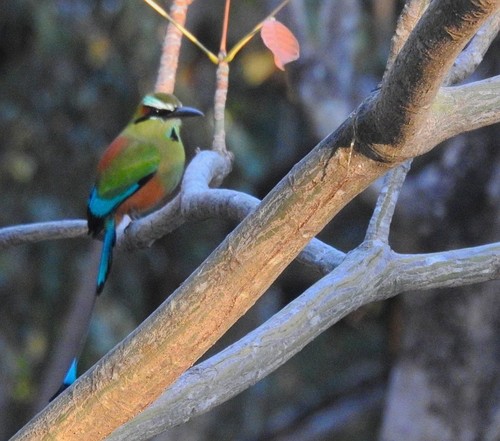
Turquoise-browed Motmot
34 cm (13 in) long including tail
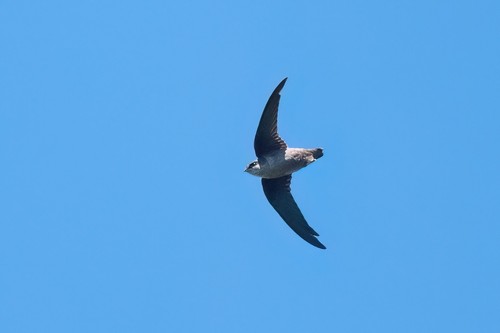
Vaux's Swift
10-12 cm (4-4.5 in) long, 27-30 cm wingspan
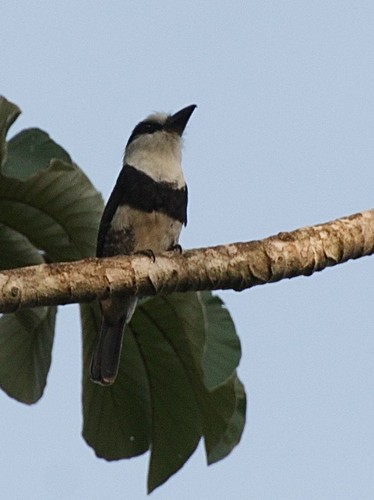
White-necked Puffbird
22-24 cm (8.5-9.5 in) long
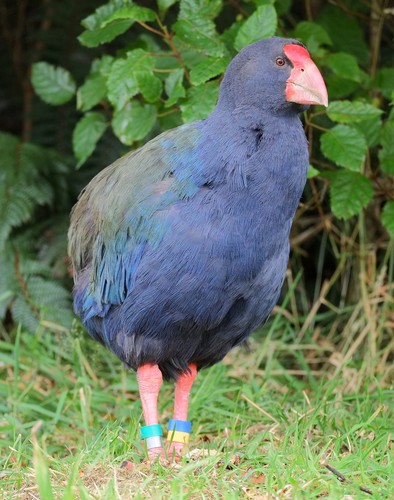
Takahe
50 cm (20 in) long, up to 3.5 kg; flightless
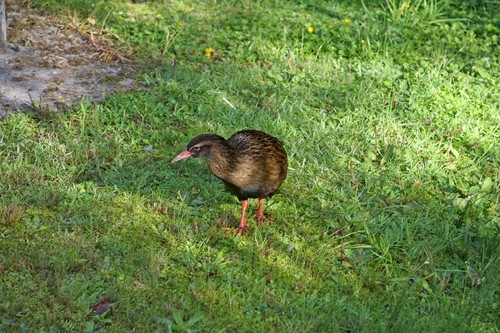
Weka
50-60 cm (20-24 in) long; flightless