
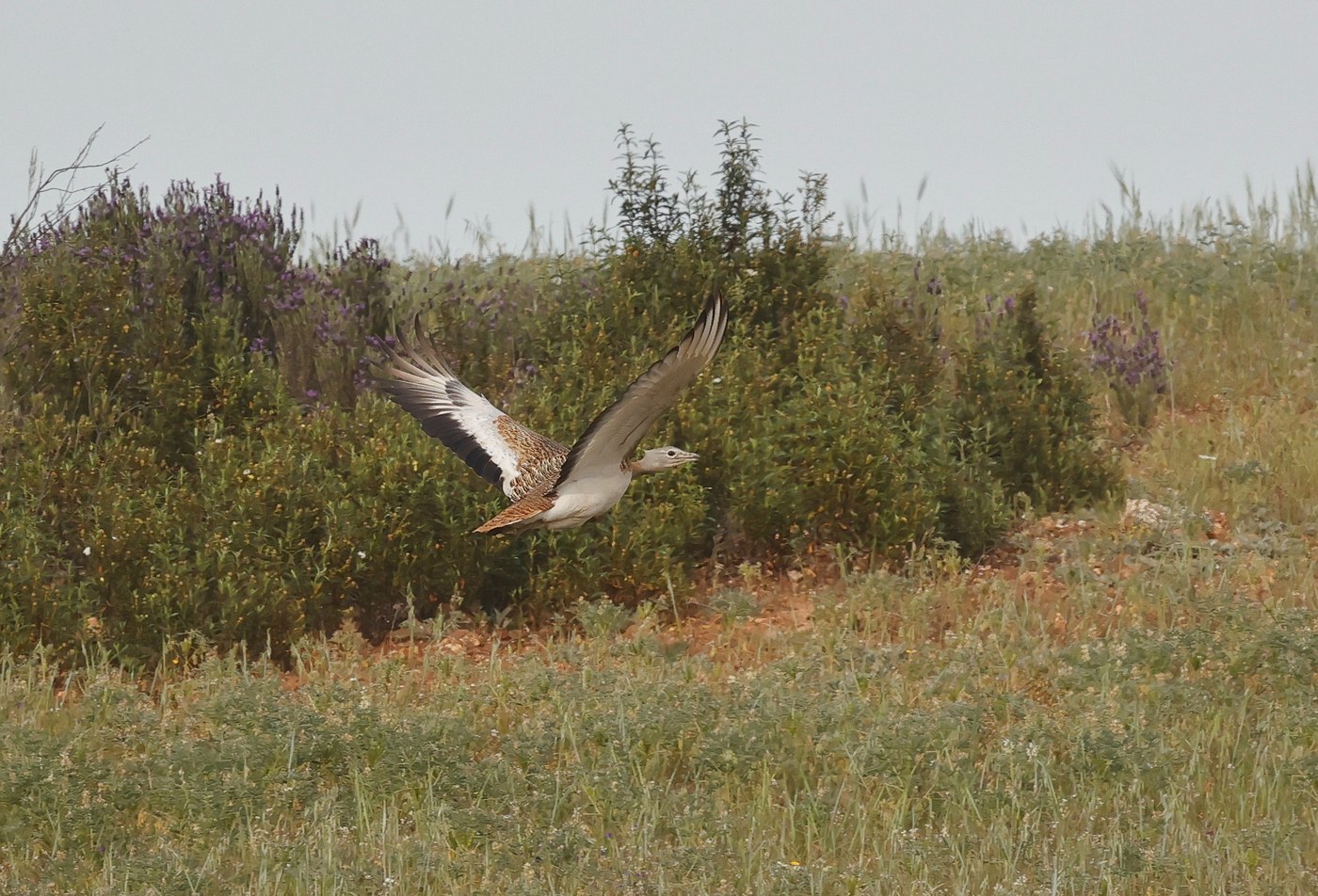
Great Bustard
Otis tarda
One of the heaviest flying birds in the world, a massive steppe and farmland bird famous for the male's elaborate courtship display of inflated white plumes.
- Size
- males up to 105 cm (41 in) long, females smaller; wingspan up to 240 cm (94 in)
- Habitat
- open steppe, grassland, and extensive farmland
- Type
- other
Spotted a bird like this?
Identify any bird from a photo, free.
Overview
The Great Bustard is a huge, heavily built ground bird of open steppe and farmland, among the heaviest of all flying birds, with large males far outweighing females. Both sexes are patterned in warm chestnut-brown barring above with grey heads and necks and white underparts, but males are dramatically larger and, in the breeding season, grow long white whisker-like feathers ("mustaches") from the base of the bill.
During courtship, males perform an extraordinary display, inflating a throat sac and throwing their wing and tail feathers forward and upward until the whole body appears turned inside out in a mass of white plumage, visible from great distances across the open steppe.
How to identify it
Key field marks
- Very large, thickset body with a bulky neck and long legs, walking with a slow, deliberate gait
- Chestnut-brown barred upperparts, grey head and neck, white underparts
- Breeding males show long white "mustache" feathers and are far larger than females
- In flight, shows extensive white wing patches and a slow, powerful wingbeat
Similar species
No other European bird approaches its combination of size and shape; the smaller Little Bustard shares open steppe habitat but is far smaller with a shorter neck and different plumage pattern.
Habitat & range
Range
Found in scattered, fragmented populations from Iberia and central Europe eastward across the steppes of Central Asia to Mongolia and China.
Habitat
Requires large expanses of open, undisturbed grassland, steppe, or extensive arable farmland, avoiding wooded or heavily developed landscapes.
Migration
Some populations, particularly in the colder continental interior of Asia, are migratory, moving to milder wintering areas, while others, including most European populations, are largely resident or make only local movements.
Behavior & voice
Behavior
Spends most of its time on the ground, walking slowly and cautiously across open terrain; wary and easily disturbed, often keeping large distances from potential threats. Gathers in flocks outside the breeding season.
Voice
Generally silent, though low grunting or barking sounds may be given, especially by displaying males.
Feeding
Forages on the ground for a mixed diet of green plant shoots, seeds, and insects, also taking small vertebrates such as lizards or rodents when available.
Nesting and breeding
Males gather at traditional display grounds (leks) to perform their elaborate courtship display; females nest alone on the ground in a shallow scrape, laying 1-3 eggs and receiving no help from the male in incubation or chick-rearing.
Frequently asked questions
Is the Great Bustard the heaviest flying bird?
It is among the heaviest birds capable of flight, with the largest males reaching very high weights, rivaled only by a few other large flying species.
What does the male Great Bustard's courtship display look like?
The male inflates a throat sac and throws his wing and tail feathers forward over his back, creating a striking mass of white plumage visible from a great distance.
Why is the Great Bustard considered Vulnerable?
Habitat loss from agricultural intensification, collisions with power lines, and disturbance to its open-country habitat have caused population declines across much of its range.
Where do Great Bustards live?
They inhabit open steppe, grassland, and extensive farmland in scattered populations from Iberia and central Europe across Central Asia.
Great Bustard guides
In-depth guides for identifying, finding, and understanding Great Bustard.
Other birds you may enjoy
Kiwi
35-55 cm (14-22 in) long; roughly chicken-sized
Curl-crested Aracari
41-46 cm (16-18 in) long, including a long bill and tail
Keel-billed Toucan
42-55 cm (17-22 in) long including bill
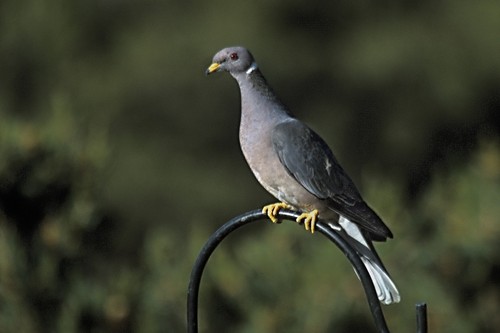
Band-tailed Pigeon
33-38 cm (13-15 in) long, wingspan about 66 cm (26 in)
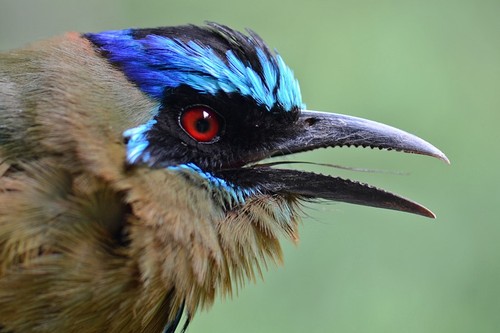
Blue-crowned Motmot
38-43 cm (15-17 in) long including tail
White-tipped Dove
27-30 cm (10.5-12 in) long, 38-43 cm wingspan
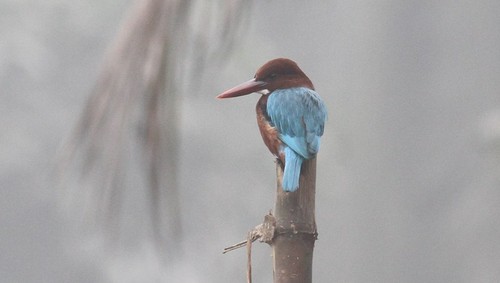
White-throated Kingfisher
27-28 cm (10.5-11 in) long
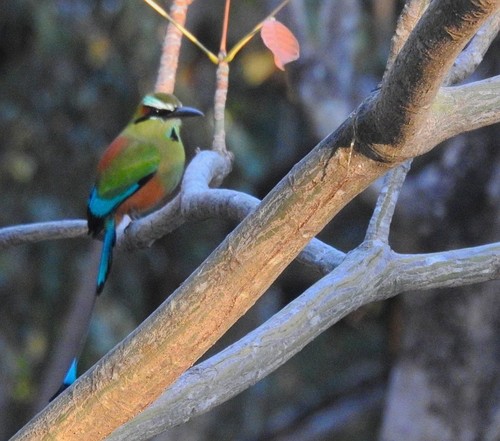
Turquoise-browed Motmot
34 cm (13 in) long including tail
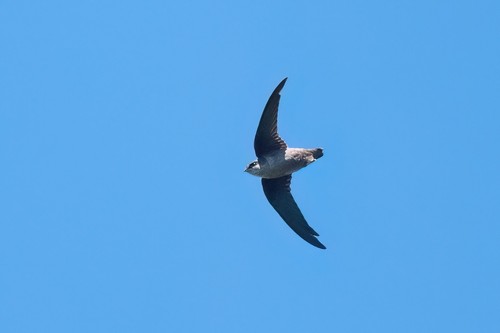
Vaux's Swift
10-12 cm (4-4.5 in) long, 27-30 cm wingspan
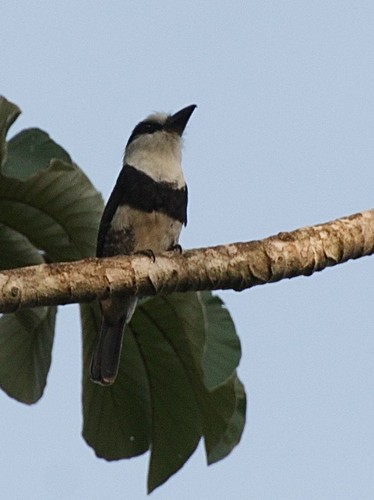
White-necked Puffbird
22-24 cm (8.5-9.5 in) long
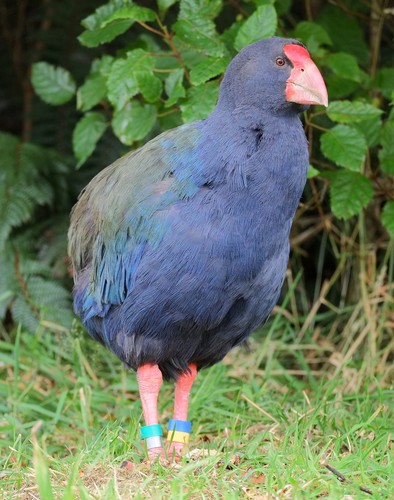
Takahe
50 cm (20 in) long, up to 3.5 kg; flightless
Weka
50-60 cm (20-24 in) long; flightless