
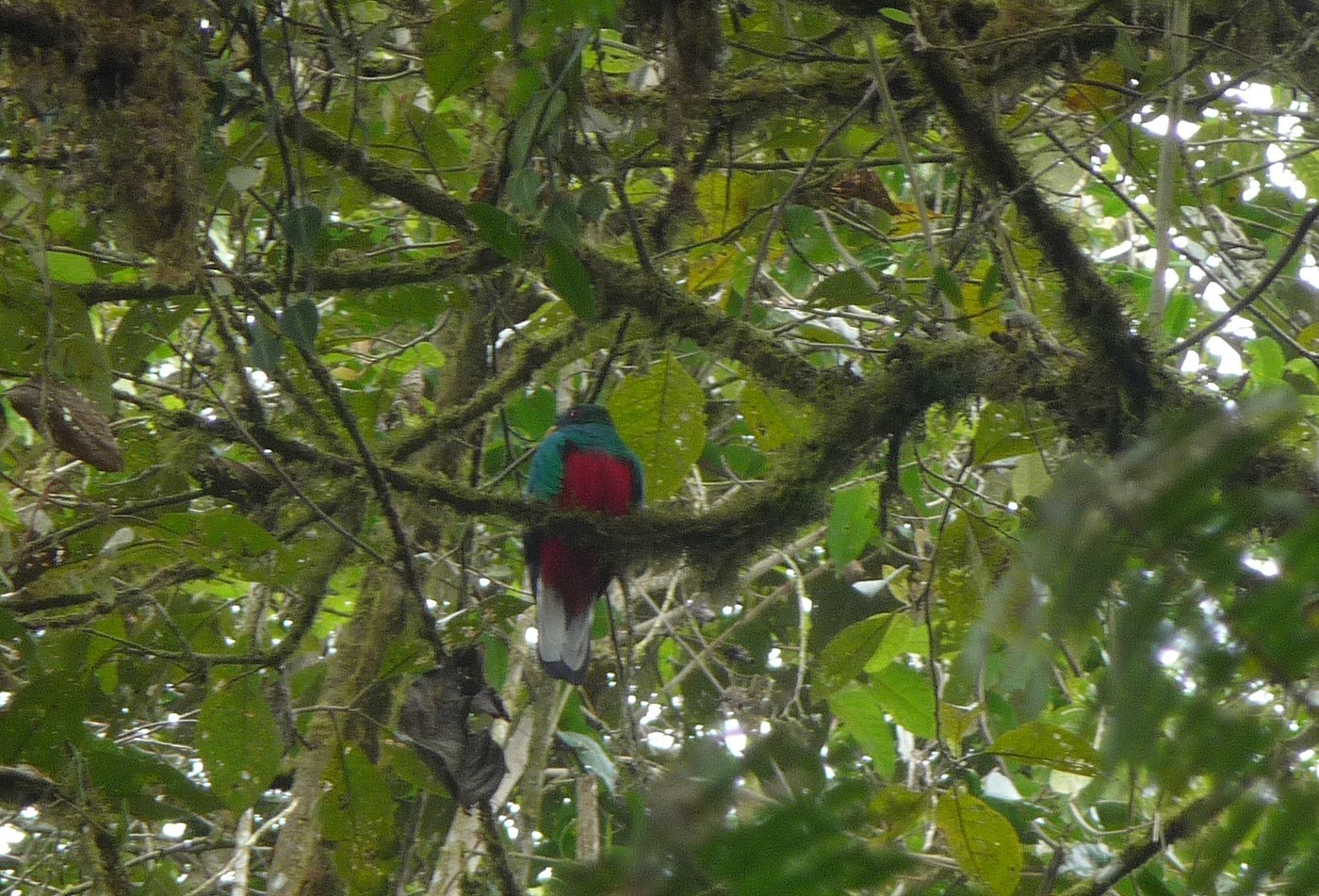
Golden-headed Quetzal
Pharomachrus auriceps
An Andean cloud-forest quetzal with iridescent green plumage, a golden-bronze sheen on the crown, and a crimson-red breast, but lacking the extremely long tail streamers of the Resplendent Quetzal.
- Size
- 34-36 cm (13-14 in) long
- Habitat
- humid montane cloud forest
- Type
- other
Spotted a bird like this?
Identify any bird from a photo, free.
Overview
The Golden-headed Quetzal is a striking, medium-sized quetzal of the Andean cloud forests, its plumage a rich blend of iridescent green over the back, wings, and chest, deepening to a distinctive golden-bronze sheen on the crown that gives the species its name. The breast and belly glow a vivid crimson-red, similar in tone to its more famous relative, the Resplendent Quetzal.
Unlike the Resplendent Quetzal, the male Golden-headed Quetzal has only a moderately long, squared-off tail without the greatly elongated, trailing streamers, making the two species readily distinguishable where their ranges might otherwise cause confusion, though in practice the two occupy largely separate mountain ranges.
How to identify it
Key field marks
- Iridescent green plumage with a golden-bronze sheen on the crown
- Crimson-red breast and belly
- Moderately long, squared tail without greatly elongated streamers
- Found in Andean cloud forest, generally at somewhat lower elevations than some relatives
Similar species
- Resplendent Quetzal shows the male's dramatically elongated tail streamers and is found in Central American cloud forest, not overlapping in range with the Golden-headed Quetzal.
- Crested Quetzal, found in similar Andean habitats, has a more pronounced forward-curling crest and a different bill color.
Habitat & range
Habitat
Inhabits humid montane cloud forest, typically at elevations between about 1,000 and 2,500 meters.
Range
Found along the Andes from Venezuela and Colombia south through Ecuador, Peru, and into Bolivia.
Migration
Generally sedentary, though some local elevational movement may occur in response to fruit availability.
Behavior & voice
Behavior
Often perches quietly and inconspicuously in the mid-story or canopy despite its bright plumage, occasionally sallying out to pluck fruit or catch insects.
Voice
A soft, whistled call, along with more complex song phrases during the breeding season.
Feeding
Feeds mainly on fruit, supplemented with insects and small vertebrates.
Nesting
Nests in a cavity in a decaying tree trunk; both parents share incubation duties.
Frequently asked questions
How do you identify a Golden-headed Quetzal?
Look for a bird with iridescent green plumage, a golden-bronze sheen on the crown, a crimson-red breast, and a moderately long tail without dramatic streamers.
How is the Golden-headed Quetzal different from the Resplendent Quetzal?
The Golden-headed Quetzal lacks the male Resplendent Quetzal's greatly elongated trailing tail streamers and lives in the Andes rather than Central America.
What does a Golden-headed Quetzal eat?
Mainly fruit, supplemented with insects and small vertebrates.
Where does the Golden-headed Quetzal live?
In humid montane cloud forest along the Andes from Venezuela and Colombia south to Bolivia.
Golden-headed Quetzal guides
In-depth guides for identifying, finding, and understanding Golden-headed Quetzal.
Other birds you may enjoy
Kiwi
35-55 cm (14-22 in) long; roughly chicken-sized
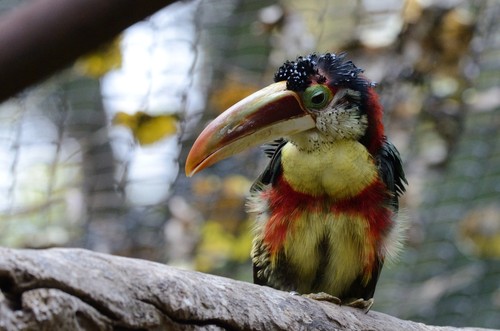
Curl-crested Aracari
41-46 cm (16-18 in) long, including a long bill and tail
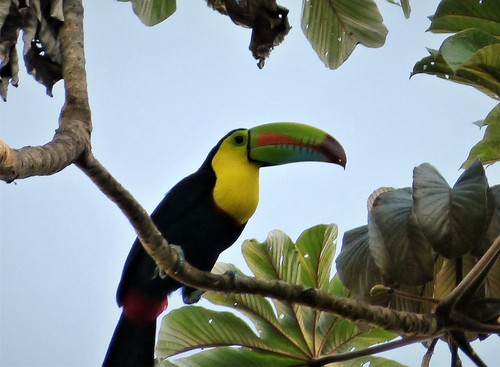
Keel-billed Toucan
42-55 cm (17-22 in) long including bill
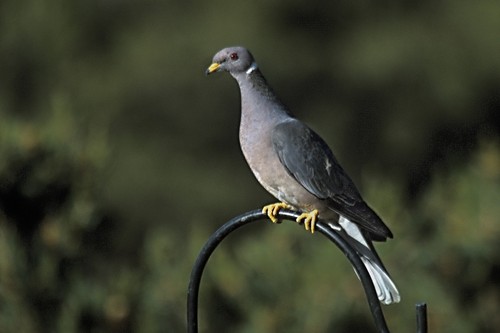
Band-tailed Pigeon
33-38 cm (13-15 in) long, wingspan about 66 cm (26 in)
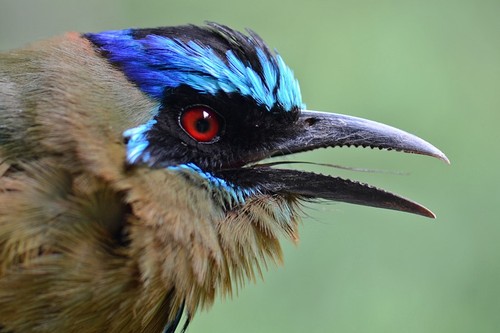
Blue-crowned Motmot
38-43 cm (15-17 in) long including tail
White-tipped Dove
27-30 cm (10.5-12 in) long, 38-43 cm wingspan
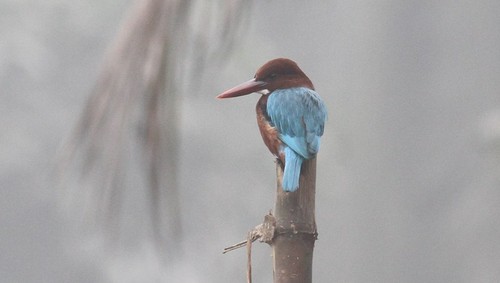
White-throated Kingfisher
27-28 cm (10.5-11 in) long
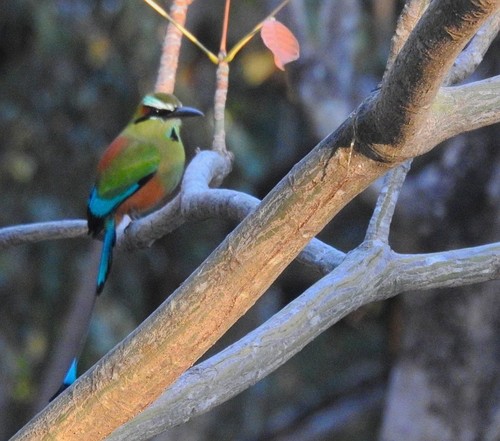
Turquoise-browed Motmot
34 cm (13 in) long including tail
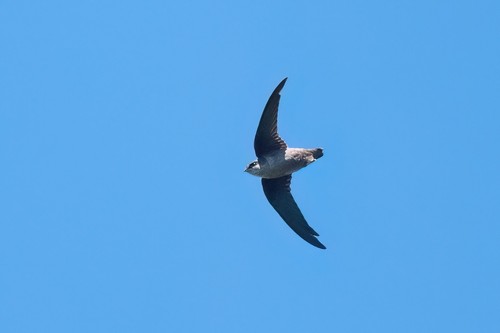
Vaux's Swift
10-12 cm (4-4.5 in) long, 27-30 cm wingspan
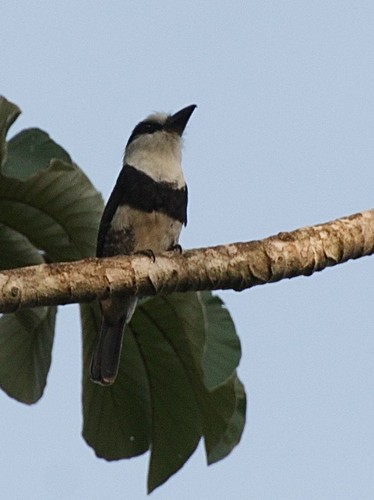
White-necked Puffbird
22-24 cm (8.5-9.5 in) long
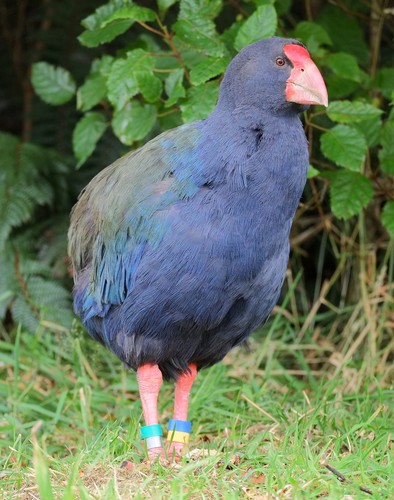
Takahe
50 cm (20 in) long, up to 3.5 kg; flightless
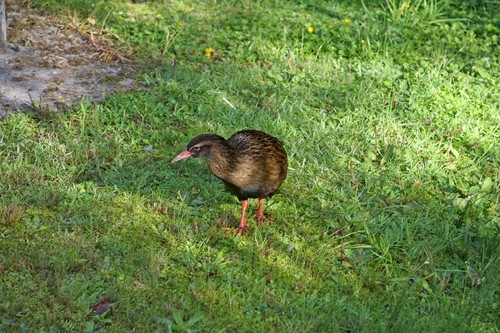
Weka
50-60 cm (20-24 in) long; flightless