
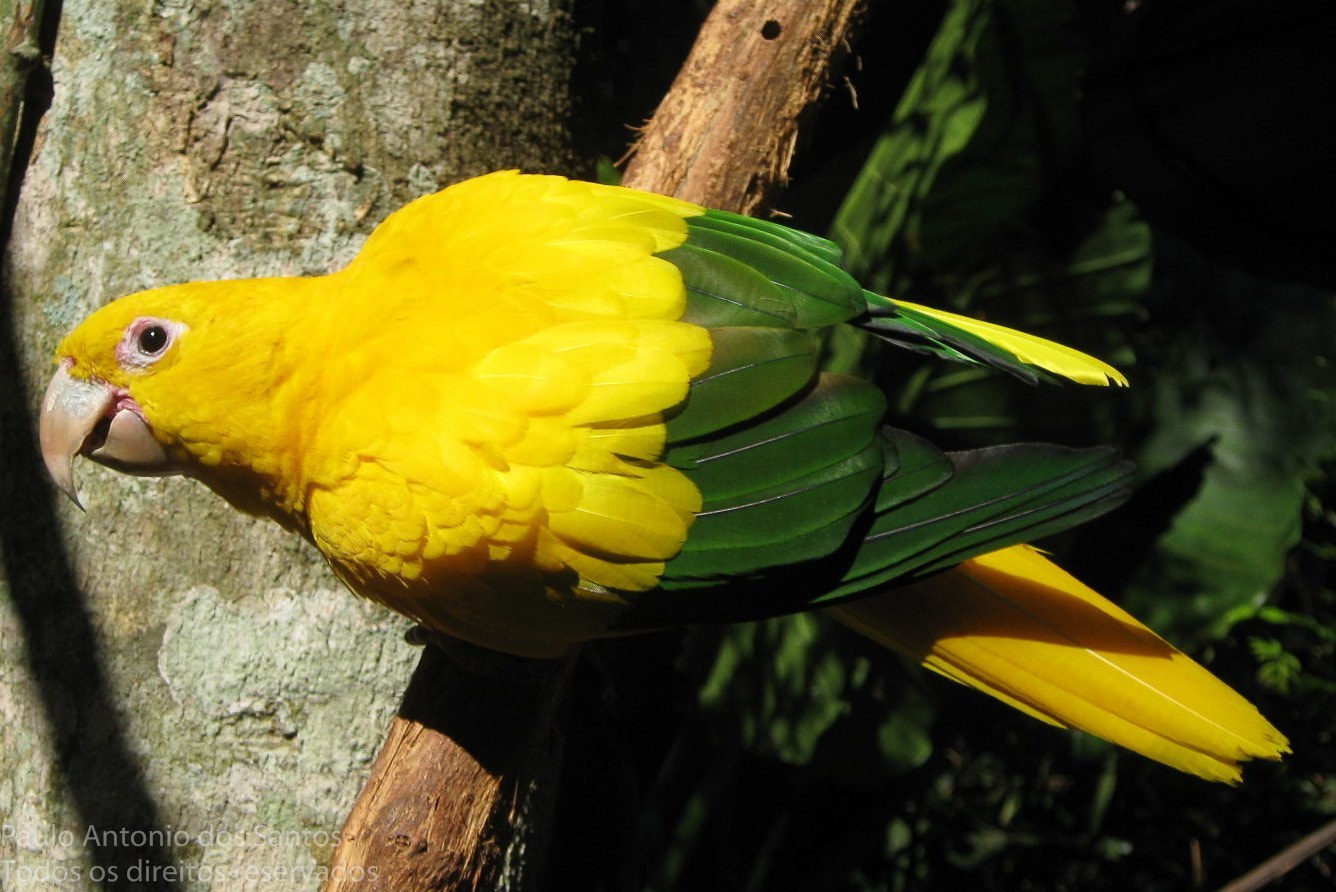
Golden Conure
Guaruba guarouba
A striking, almost entirely golden-yellow Amazonian parrot found only in a limited part of eastern Brazil.
- Size
- About 34 cm (13.5 in) long, with a fairly long tail
- Habitat
- Lowland Amazonian rainforest, particularly terra firme and forest edge in eastern Amazonia
- Type
- parrot
Spotted a bird like this?
Identify any bird from a photo, free.
Overview
The Golden Conure, also known as the Golden Parakeet, is one of the most visually striking parrots in the world, with plumage that is almost entirely bright golden yellow. It is restricted to a small region of the eastern Brazilian Amazon and is unusual among conures for its highly social, cooperative breeding behavior.
Appearance
- Overall plumage: brilliant golden yellow across the head, body, and tail
- Wings: primary and outer flight feathers are green, creating a bold contrast with the yellow body
- Bill: pale horn to grayish-white, notably large and strongly hooked
- Eyes: dark, with a bare whitish eye-ring
- Body shape: stocky build with a moderately long tail
Sexes are alike in plumage, and juveniles resemble adults but may show a few scattered green feathers that are lost with maturity.
How to identify it
Key field marks
- Nearly all-golden-yellow body, head, and tail
- Green primary flight feathers, visible mainly in flight or when the wing is spread
- Pale, large bill
- Restricted range makes confusion with other species unlikely
Similar species
- No other parrot in its range shares the combination of an almost fully golden body; most sympatric Amazon parrots and conures are predominantly green.
- Juvenile or molting birds with more green feathering could superficially suggest other yellow-marked parakeets, but the overall golden coverage and pale bill remain distinctive.
The Golden Conure's unmistakable coloration and its very limited geographic range make it one of the easier Amazonian parrots to identify once seen well.
Habitat & range
Range
The Golden Conure is endemic to a restricted area of eastern Amazonian Brazil, primarily within the state of Pará, south of the Amazon River.
Habitat
It inhabits humid lowland rainforest, favoring tall terra firme (non-flooded) forest, forest edges, and sometimes secondary growth, generally staying within or near the forest canopy.
Movements
The species is non-migratory and largely sedentary, though family groups and flocks may move locally in search of fruiting trees. Its range has become increasingly fragmented due to deforestation, which has isolated some populations.
Behavior & voice
Social behavior
Golden Conures are exceptionally social, living in extended family groups and sometimes forming larger flocks of a dozen or more birds outside the breeding season.
Voice
Calls include loud, harsh screeches and chattering notes exchanged within the flock, especially in flight or when disturbed.
Feeding
They forage in the forest canopy for fruit, seeds, nuts, and flowers, often moving through the treetops in tight, vocal groups.
Nesting and breeding
Unusually for a conure, Golden Conures often breed cooperatively, with related birds helping a breeding pair raise young at a shared tree-cavity nest. Clutches typically contain two to four eggs, and helpers assist with feeding and defending the nest, a behavior rare among parrots.
Frequently asked questions
Why is the Golden Conure considered special among parrots?
It is almost entirely golden-yellow in color and is one of the few parrot species known to breed cooperatively, with helper birds assisting a breeding pair at the nest.
Where does the Golden Conure live?
It is endemic to a small region of eastern Amazonian Brazil, mainly in the state of Pará, where it inhabits lowland rainforest.
Is the Golden Conure endangered?
It is classified as Vulnerable by the IUCN due to ongoing habitat loss from deforestation within its already restricted range.
What does a Golden Conure eat?
It feeds on fruits, seeds, nuts, and flowers foraged in the rainforest canopy.
How does the Golden Conure differ from other conures in behavior?
It is notably more cooperative and social, often nesting in family groups where non-breeding relatives help raise chicks, unlike most conure species that nest in simple pairs.
Golden Conure guides
In-depth guides for identifying, finding, and understanding Golden Conure.
Other birds you may enjoy
Eclectus Parrot
35-42 cm (14-16.5 in) long
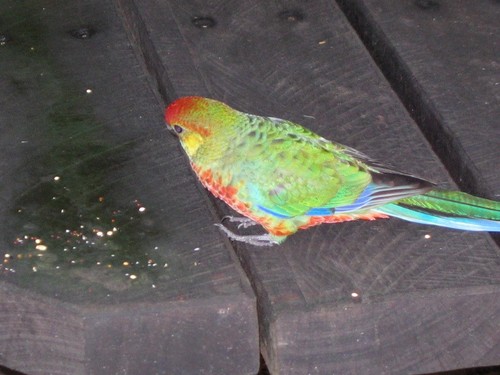
Western Rosella
25-30 cm (10-12 in) long
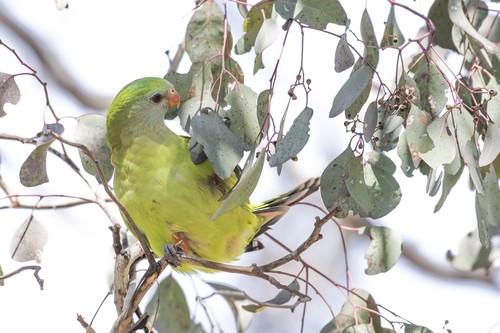
Superb Parrot
About 40 cm (16 in) long including a long tail
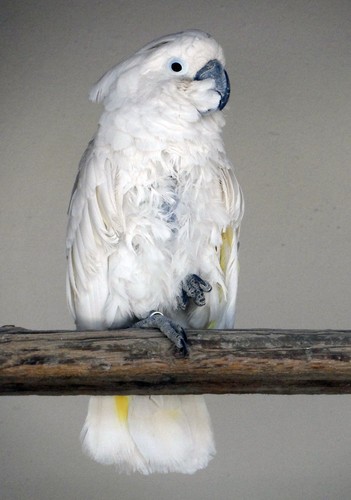
Umbrella Cockatoo
About 46 cm (18 in) long
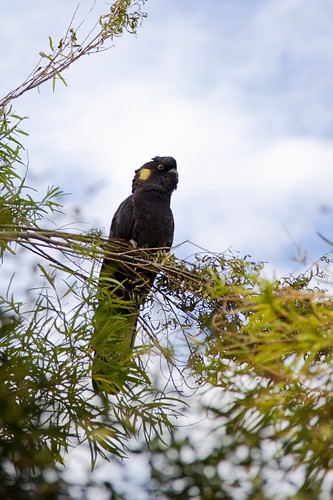
Yellow-tailed Black Cockatoo
55-65 cm long; wingspan up to about 130 cm
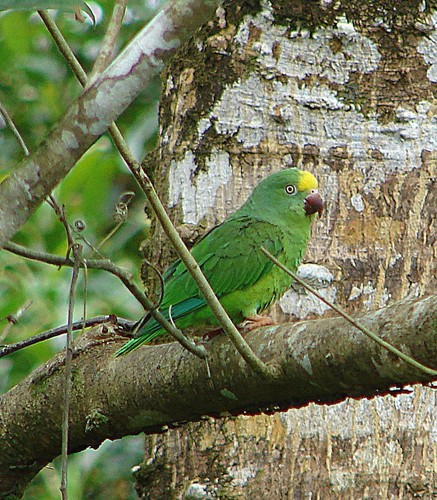
Yellow-crowned Amazon
About 35-38 cm (14-15 in) long
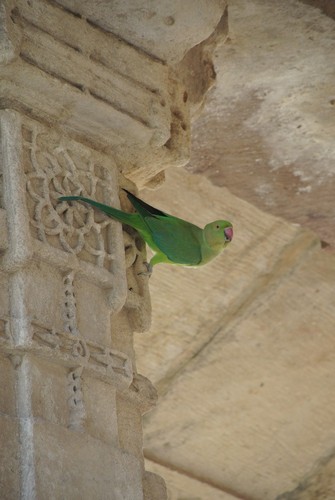
Rose-ringed Parakeet
40 cm (16 in) long including long tail
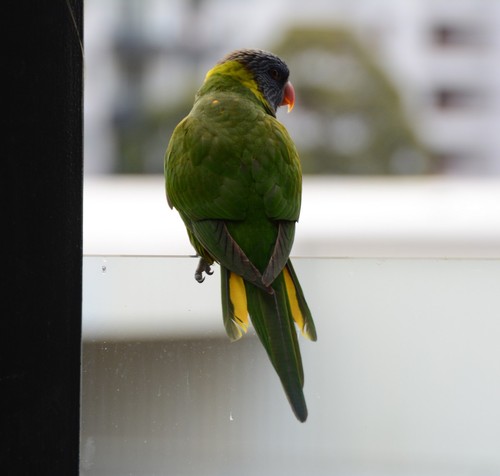
Rainbow Lorikeet
25-30 cm (10-12 in) long
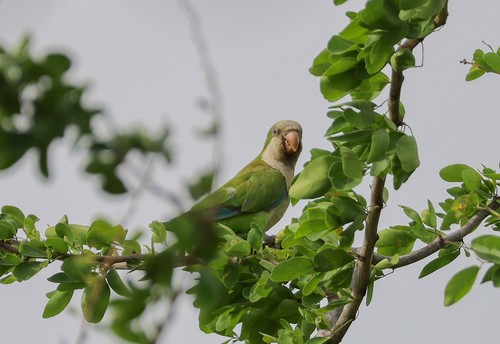
Quaker Parrot
28-31 cm (11-12 in) long
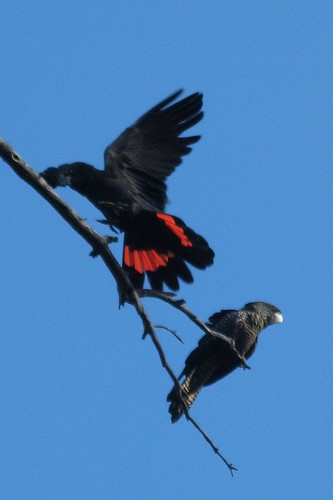
Red-tailed Black Cockatoo
55-65 cm long
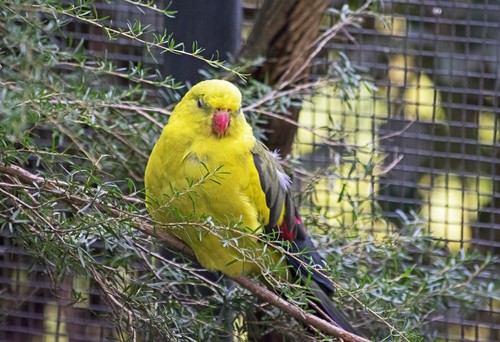
Regent Parrot
37-42 cm (15-17 in) long, including a long tail
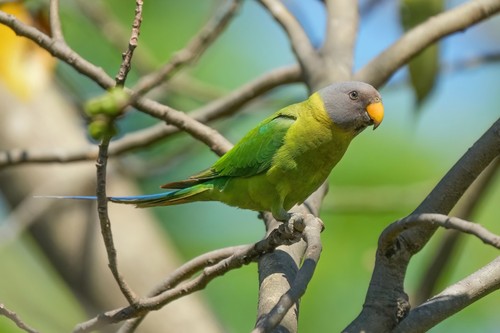
Plum-headed Parakeet
33 cm (13 in) long including tail