
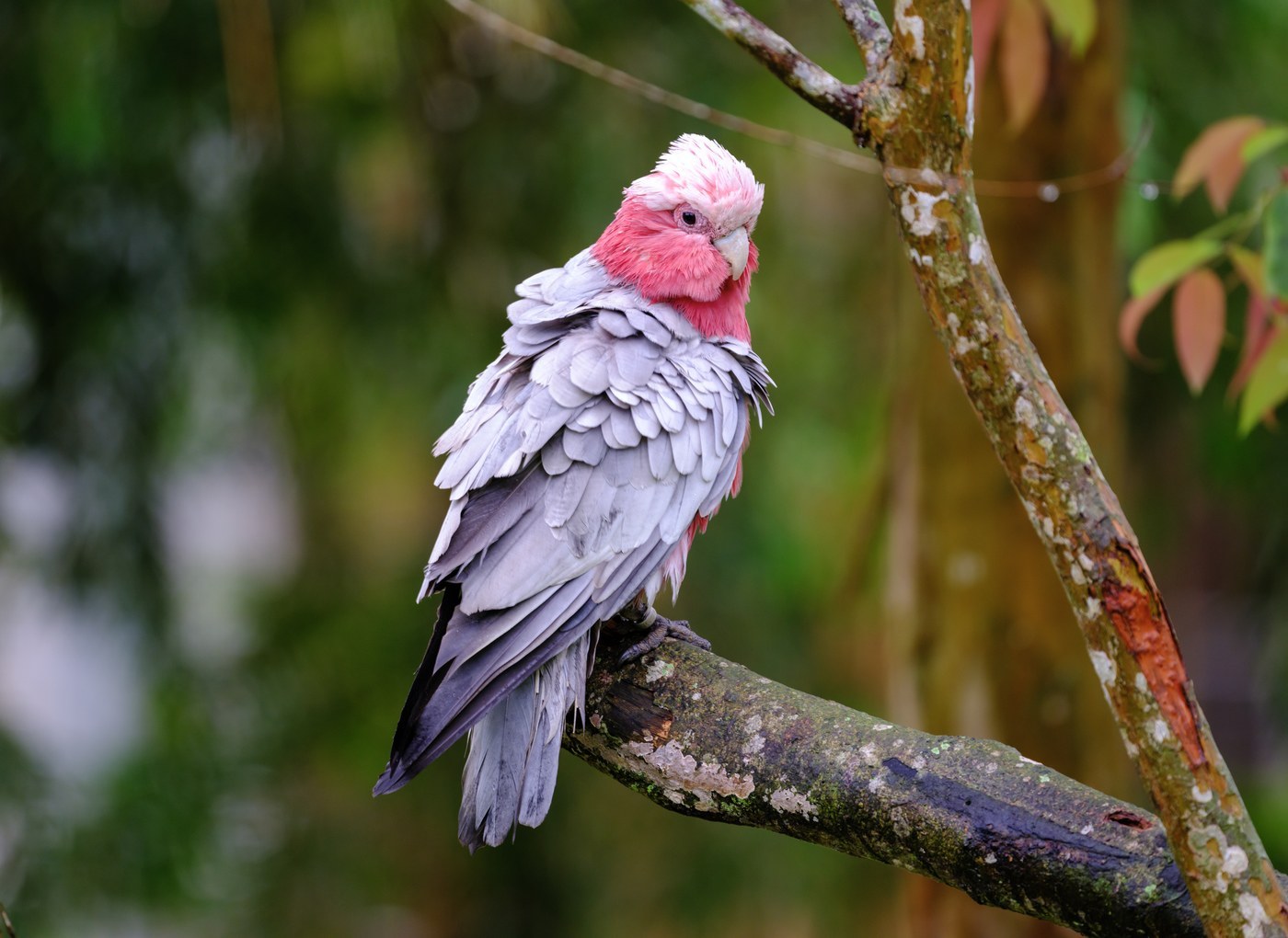
Galah
Eolophus roseicapilla
A common Australian cockatoo with a rose-pink face and underparts contrasting sharply with a pale grey back and crown.
- Size
- About 35 cm (14 in) long
- Habitat
- Open grassland, farmland, woodland edge, and urban areas across Australia
- Type
- parrot
Spotted a bird like this?
Identify any bird from a photo, free.
Overview
The Galah is one of the most widespread and abundant cockatoos in Australia, easily recognized by its two-toned rose-pink and grey plumage. It is a familiar sight across much of the continent, often gathering in large, noisy flocks.
Appearance
The face, neck, and underparts are a rich rose-pink, while the crown is pale pinkish-white and the back, wings, and tail are pale grey. The bill is short, pale horn-colored, and the legs are grey. A short, low crest of pale feathers can be raised slightly on the crown. Sexes are similar, though the female's eye is typically a pinkish-red compared to the male's dark brown eye.
General Impression
Galahs are conspicuous, sociable birds often seen feeding on open ground in large flocks, taking flight together in a striking wash of pink and grey when disturbed.
How to identify it
Key Field Marks
- Rose-pink face, neck, and underparts
- Pale grey back, wings, and tail
- Pale pinkish-white crown with a low crest
- Pale horn-colored bill
Similar Species
No other Australian cockatoo shares this precise combination of rose-pink underparts and grey upperparts:
- Major Mitchell's Cockatoo has a more extensively pink-and-white plumage with a striking banded crest of red, yellow, and white, and lacks the grey back.
- Sulphur-crested Cockatoo is entirely white with a yellow crest, quite different from the Galah's pink-and-grey pattern.
The sharply two-toned pink-and-grey plumage makes the Galah essentially unmistakable within its range.
Habitat & range
Range
Widespread and common across most of mainland Australia, largely absent only from the driest desert interior and the wettest tropical far north in earlier times, though its range has expanded with land clearing for agriculture.
Habitat
Favors open grassland, farmland, woodland edges, riverine areas, and increasingly urban parks and gardens, generally near water and open ground for feeding.
Movements
Mostly sedentary, though flocks may move locally or nomadically in response to food availability and seasonal conditions.
Behavior & voice
Social Behavior
Highly gregarious, forming large flocks that can number in the hundreds, particularly outside the breeding season; flocks often perform coordinated aerobatic flight displays.
Voice
Gives a distinctive high-pitched, rolling screech, along with softer chattering notes while feeding or perched in flocks.
Feeding
Forages mainly on the ground for seeds, grains, and roots, and has adapted well to feeding in cultivated fields and pastures alongside native grasslands.
Nesting and Breeding
Nests in tree hollows, often lining the cavity with fresh eucalyptus leaves. Clutches typically contain two to five eggs, incubated by both parents for around 25 days. Galahs often breed in loose colonies and can reuse the same nest hollow across multiple seasons.
Frequently asked questions
What color is a Galah?
It has a rose-pink face, neck, and underparts contrasting with a pale grey back, wings, and tail.
Where do Galahs live?
They are found across most of mainland Australia in open grassland, farmland, and increasingly urban areas.
How do you tell a Galah from Major Mitchell's Cockatoo?
The Galah has grey (not pink-and-white) upperparts and a plain pale crest, while Major Mitchell's Cockatoo has a bold red, yellow, and white banded crest and more extensively pink plumage.
What sound does a Galah make?
It gives a distinctive high-pitched, rolling screech along with softer chattering calls.
What do Galahs eat?
Mainly seeds, grains, and roots foraged on the ground, often in cultivated fields and pastures.
Galah guides
In-depth guides for identifying, finding, and understanding Galah.
Other birds you may enjoy
Eclectus Parrot
35-42 cm (14-16.5 in) long
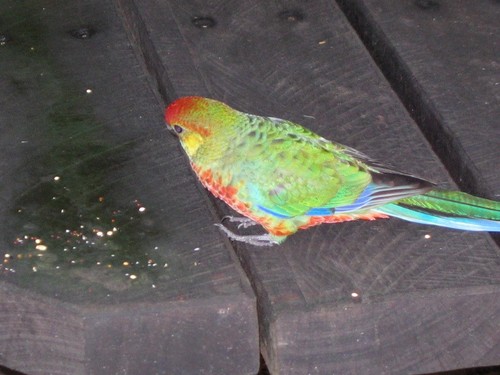
Western Rosella
25-30 cm (10-12 in) long
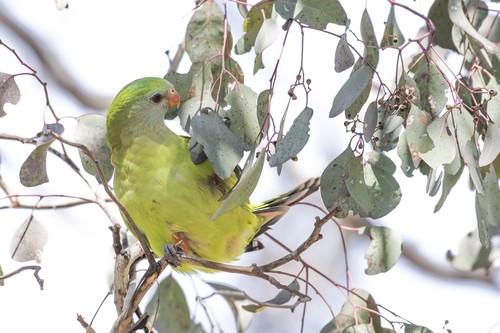
Superb Parrot
About 40 cm (16 in) long including a long tail
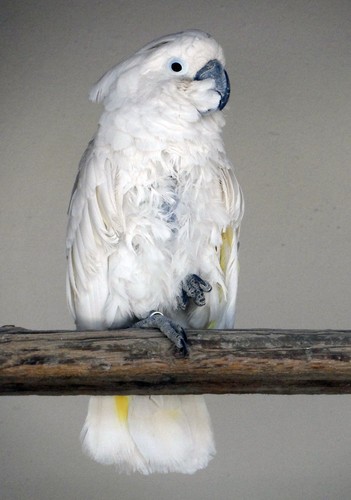
Umbrella Cockatoo
About 46 cm (18 in) long
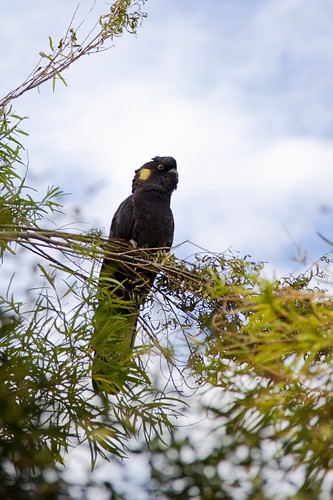
Yellow-tailed Black Cockatoo
55-65 cm long; wingspan up to about 130 cm
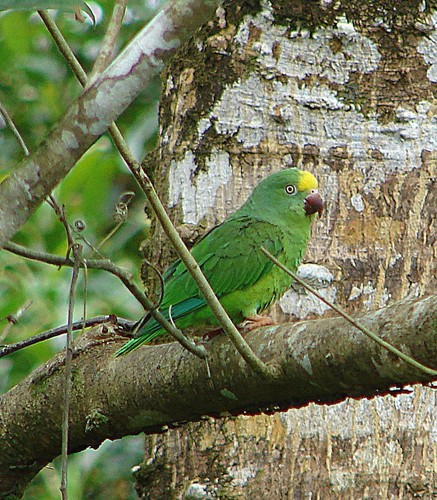
Yellow-crowned Amazon
About 35-38 cm (14-15 in) long
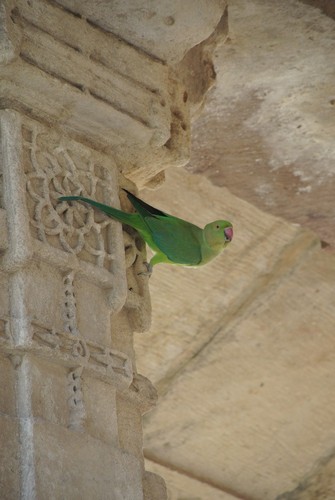
Rose-ringed Parakeet
40 cm (16 in) long including long tail
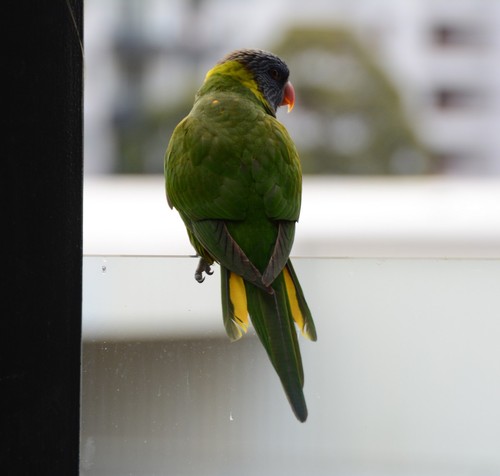
Rainbow Lorikeet
25-30 cm (10-12 in) long
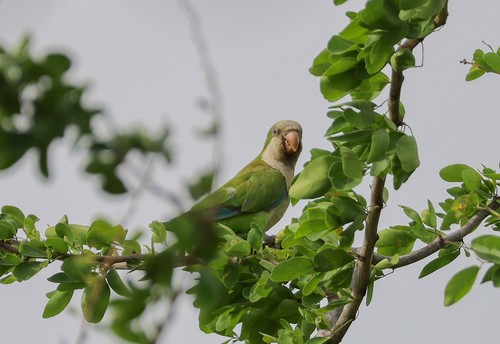
Quaker Parrot
28-31 cm (11-12 in) long
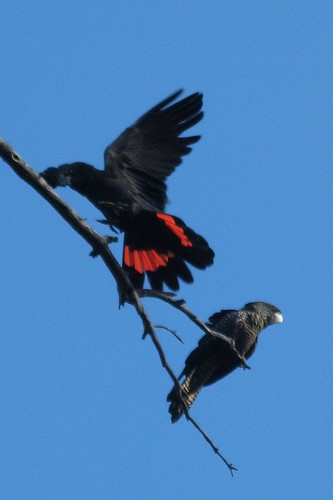
Red-tailed Black Cockatoo
55-65 cm long
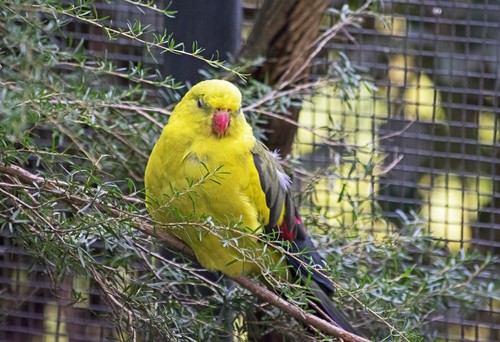
Regent Parrot
37-42 cm (15-17 in) long, including a long tail
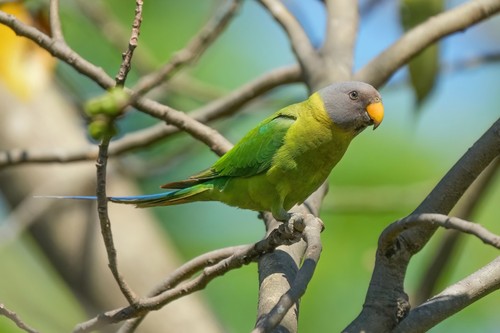
Plum-headed Parakeet
33 cm (13 in) long including tail