
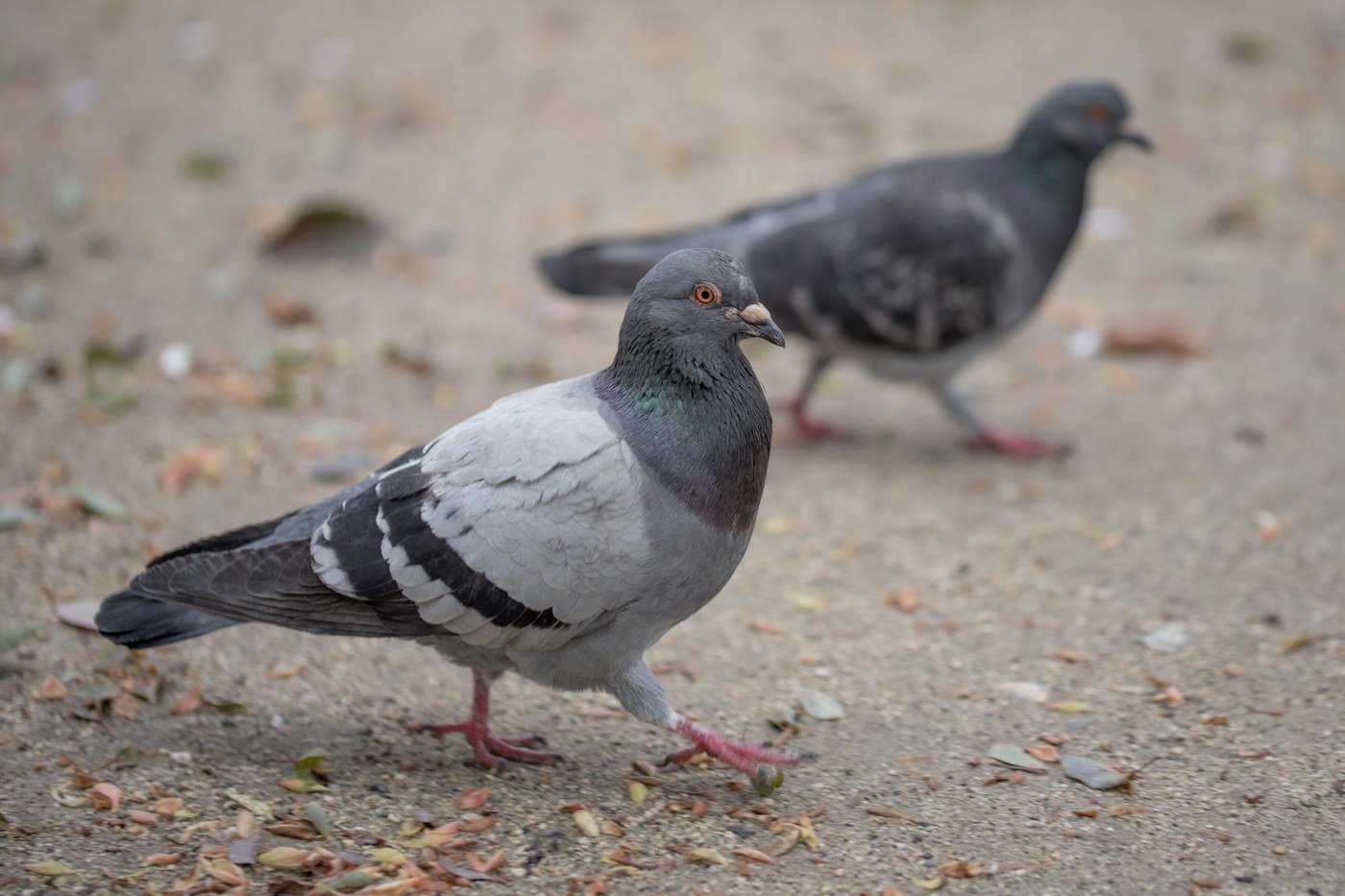
Frillback Pigeon
Columba livia domestica
A fancy pigeon breed distinguished by curled, frill-like feathers on its wings and breast, developed through selective breeding from the Rock Dove.
- Size
- Body length about 30-33 cm (12-13 in); a compact, stocky domestic breed
- Habitat
- Kept in pigeon lofts and aviaries; not found in the wild
- Type
- other
Spotted a bird like this?
Identify any bird from a photo, free.
Overview
Overview
The Frillback Pigeon is an ornamental domestic breed developed through generations of selective breeding from the wild Rock Dove (Columba livia). It is prized in pigeon fancying and show competitions for its unusual plumage rather than for any wild population or natural range.
Appearance
Its defining feature is the curled or "frilled" texture of the wing covert and breast feathers, which curve outward and upward rather than lying flat. Frillbacks occur in a wide range of colors and patterns, including white, black, blue, and red, and the frilling can range from light waving to tightly curled, show-quality feathering.
How to identify it
Key Field Marks
- Distinctly curled or ruffled wing and breast feathers, unlike the smooth plumage of most pigeons
- Compact, rounded body shape typical of fancy pigeon breeds
- Short to medium-length beak and a rounded head without a crest or hood
Similar Breeds
The Frillback can be confused with other curly-feathered fancy pigeons, but its frilling is generally confined to the wing coverts and chest, whereas breeds such as the Fantail differ in tail structure rather than feather texture. Unlike the Jacobin, it lacks a feathered hood around the head.
Habitat & range
Habitat and Range
As a domesticated breed, the Frillback has no natural range or wild population. It exists only where kept by pigeon fanciers, and its ancestry traces to the wild Rock Dove, native to Europe, North Africa, and western Asia.
Distribution
Frillbacks are bred and exhibited wherever fancy pigeon keeping and showing is practiced, with no regional wild distribution.
Behavior & voice
Behavior
Like other domestic pigeons, Frillbacks are social birds that pair-bond and can be kept in flocks. They retain the general behavior patterns of Rock Doves, including strong homing instincts, though this trait is not typically emphasized in the breed's development.
Voice
Produces the soft cooing calls typical of pigeons, used in courtship and to maintain contact with mates.
Nesting and Breeding
Frillbacks build simple stick-and-twig platform nests and typically lay two eggs per clutch, which both parents incubate, following the same reproductive pattern as other domestic pigeon breeds.
Frequently asked questions
What makes a Frillback Pigeon different from other pigeons?
Its curled, frill-textured wing and breast feathers, produced through selective breeding, distinguish it from smooth-feathered pigeon breeds.
Is the Frillback Pigeon a wild species?
No, it is a domesticated breed derived from the wild Rock Dove and has no wild population.
What colors do Frillback Pigeons come in?
They appear in numerous colors and patterns, including white, black, blue, and red.
How is the Frillback different from a Jacobin Pigeon?
The Frillback has curled body feathering, while the Jacobin is defined by a feathered hood around its head rather than curled feathers.
Frillback Pigeon guides
In-depth guides for identifying, finding, and understanding Frillback Pigeon.
Other birds you may enjoy
Kiwi
35-55 cm (14-22 in) long; roughly chicken-sized
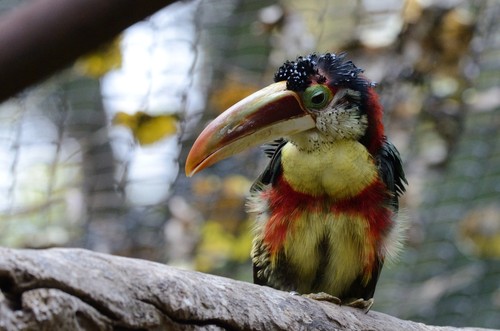
Curl-crested Aracari
41-46 cm (16-18 in) long, including a long bill and tail
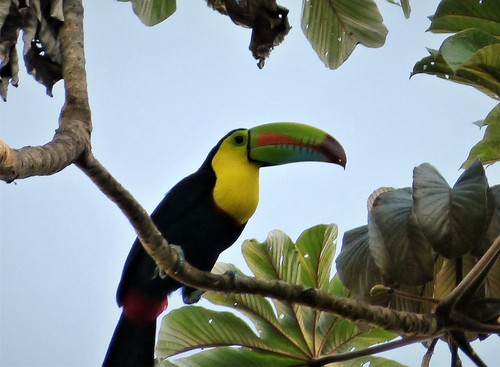
Keel-billed Toucan
42-55 cm (17-22 in) long including bill
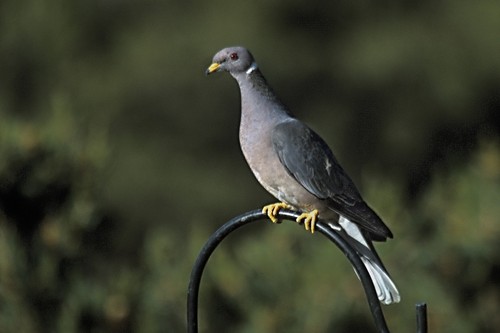
Band-tailed Pigeon
33-38 cm (13-15 in) long, wingspan about 66 cm (26 in)
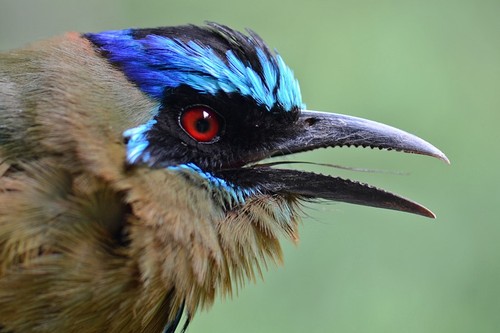
Blue-crowned Motmot
38-43 cm (15-17 in) long including tail
White-tipped Dove
27-30 cm (10.5-12 in) long, 38-43 cm wingspan
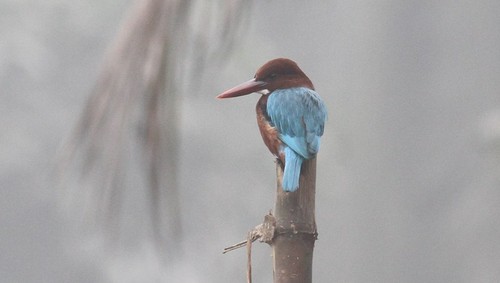
White-throated Kingfisher
27-28 cm (10.5-11 in) long
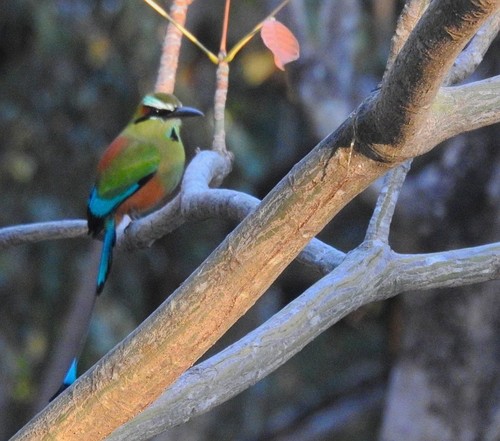
Turquoise-browed Motmot
34 cm (13 in) long including tail
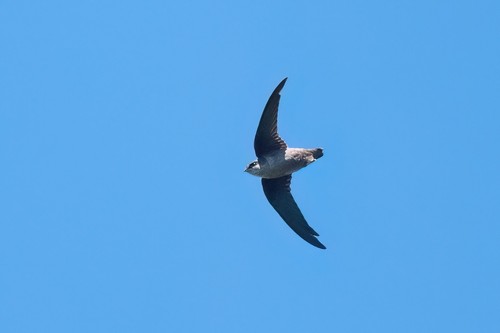
Vaux's Swift
10-12 cm (4-4.5 in) long, 27-30 cm wingspan
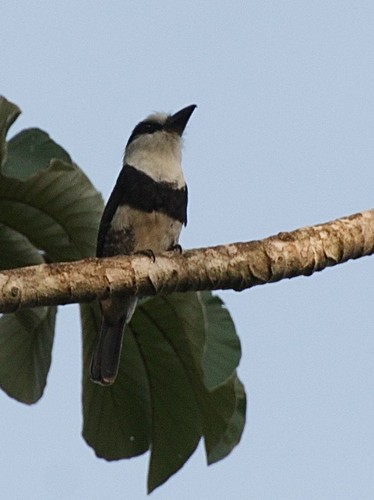
White-necked Puffbird
22-24 cm (8.5-9.5 in) long
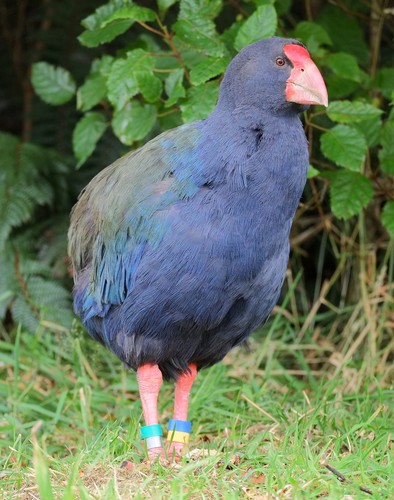
Takahe
50 cm (20 in) long, up to 3.5 kg; flightless
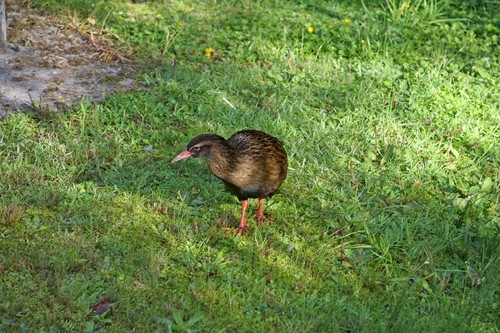
Weka
50-60 cm (20-24 in) long; flightless