
Frillback Pigeon Identification Guide
A domesticated fancy pigeon breed distinguished by its curled, ruffled wing and body feathers, distinguishing it instantly from wild rock pigeons and other domestic breeds by texture alone.
Read the full Frillback Pigeon encyclopedia entry →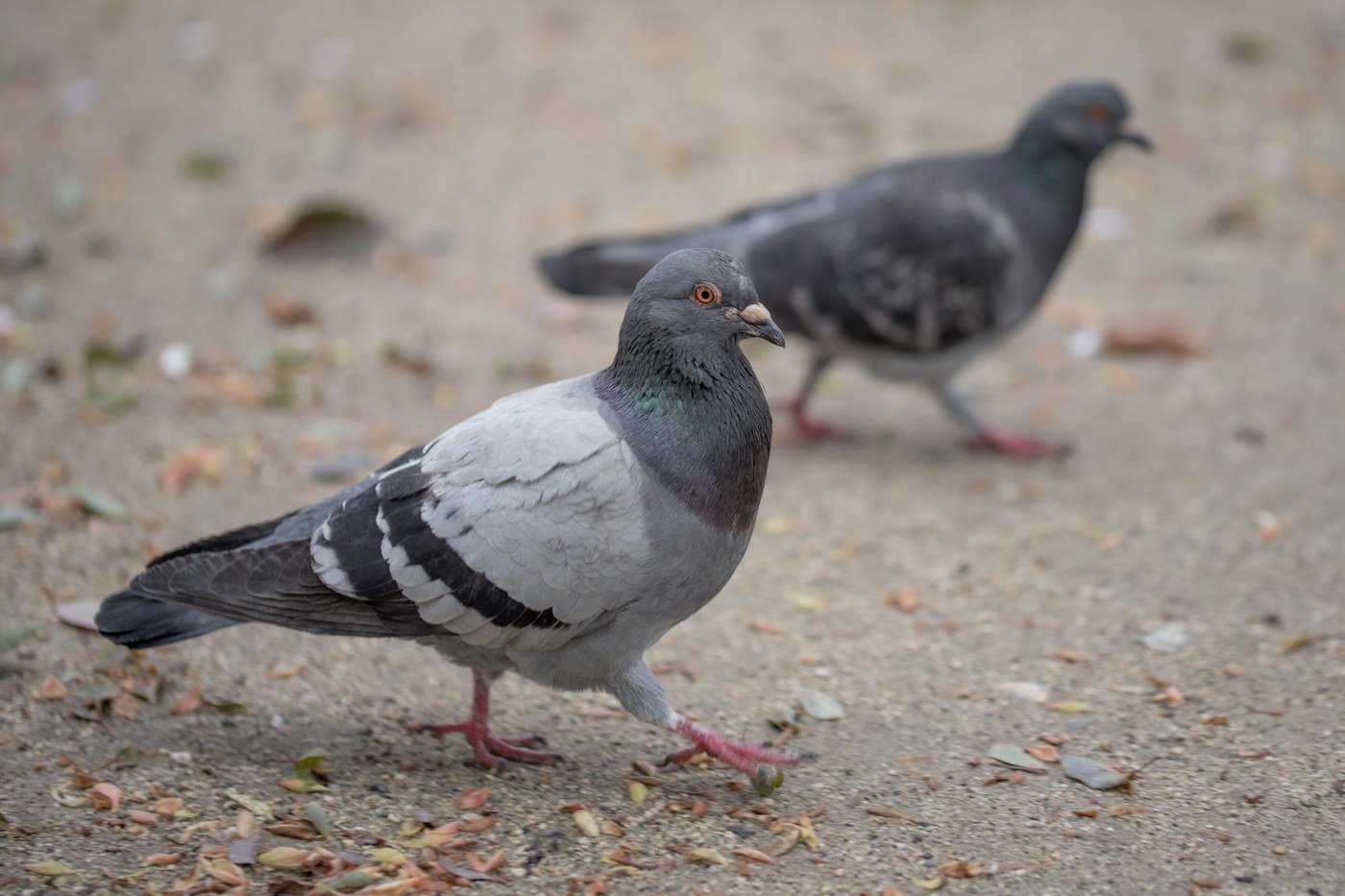
Key Field Marks
- Size & shape: A medium-sized domestic pigeon (a variety of Columba livia domestica) with a compact, rounded body typical of fancy pigeon breeds.
- Feather texture: The defining feature — wing coverts and sometimes body feathers are curled or ruffled outward, giving a distinctly frilled, almost lace-like texture unlike the smooth plumage of any wild pigeon or dove.
- Color patterns: Bred in numerous colors and patterns, including white, black, red, and pied combinations; frilling is present regardless of base color, so texture rather than color is the key identifier.
- Bill & eyes: Short pigeon-typical bill with a fleshy cere at the base; eye color varies with plumage color, from dark to pearl/orange in some varieties.
- Legs: Some frillback lines are bred with feathered legs ("muffs"), adding to the ornamental appearance, though clean-legged frillbacks also exist.
Similar Species
- Feral Rock Pigeon (the common city pigeon) has entirely smooth, unruffled feathers and lacks any curling — the smooth-vs-frilled feather texture instantly separates the two.
- Other curly-feathered fancy breeds (e.g., some Fantail or Jacobin varieties) may show localized ornamental feathering, but frillbacks are unique in having the curling concentrated on the wing coverts, giving a shredded or lace-like wing appearance not replicated by other breeds.
- Because this is a human-bred fancy variety rather than a wild species, identification is based entirely on plumage texture rather than range or habitat.
Where & When to See It
- Range: Not found in the wild; frillbacks are a fancy breed kept by pigeon fanciers and hobbyists, most commonly seen at pigeon shows, breeder lofts, and exhibitions worldwide.
- Habitat: Kept in domestic lofts and aviaries; not a free-living or naturalized population.
- Season: Year-round presence wherever kept, with no migratory behavior since birds are maintained in captivity.
Voice & Behavior Cues
- Vocalizations are typical soft pigeon coos, similar to other domestic pigeon breeds, without any distinguishing vocal features tied to the frilled plumage.
- Behavior mirrors other domestic pigeon breeds — tame around handlers, used primarily for exhibition rather than any working or homing purpose, though physical mobility can be slightly reduced in heavily frilled individuals due to feather structure.
Frequently asked questions
What makes a Frillback Pigeon different from a regular pigeon?
Its wing and sometimes body feathers are curled or ruffled outward, creating a lace-like frilled texture completely absent in wild or feral rock pigeons.
Is the Frillback Pigeon a wild species?
No, it is a domesticated fancy breed of Columba livia developed by selective breeding and is kept by hobbyists rather than living wild.
Do all Frillback Pigeons have feathered legs?
No, feathered leg 'muffs' are found in some breeding lines but are not a requirement of the breed; clean-legged frillbacks also exist.
Where would I typically encounter a Frillback Pigeon?
At pigeon exhibitions, fancier shows, or in the lofts of hobbyist breeders, since they are not found in wild or feral populations.