
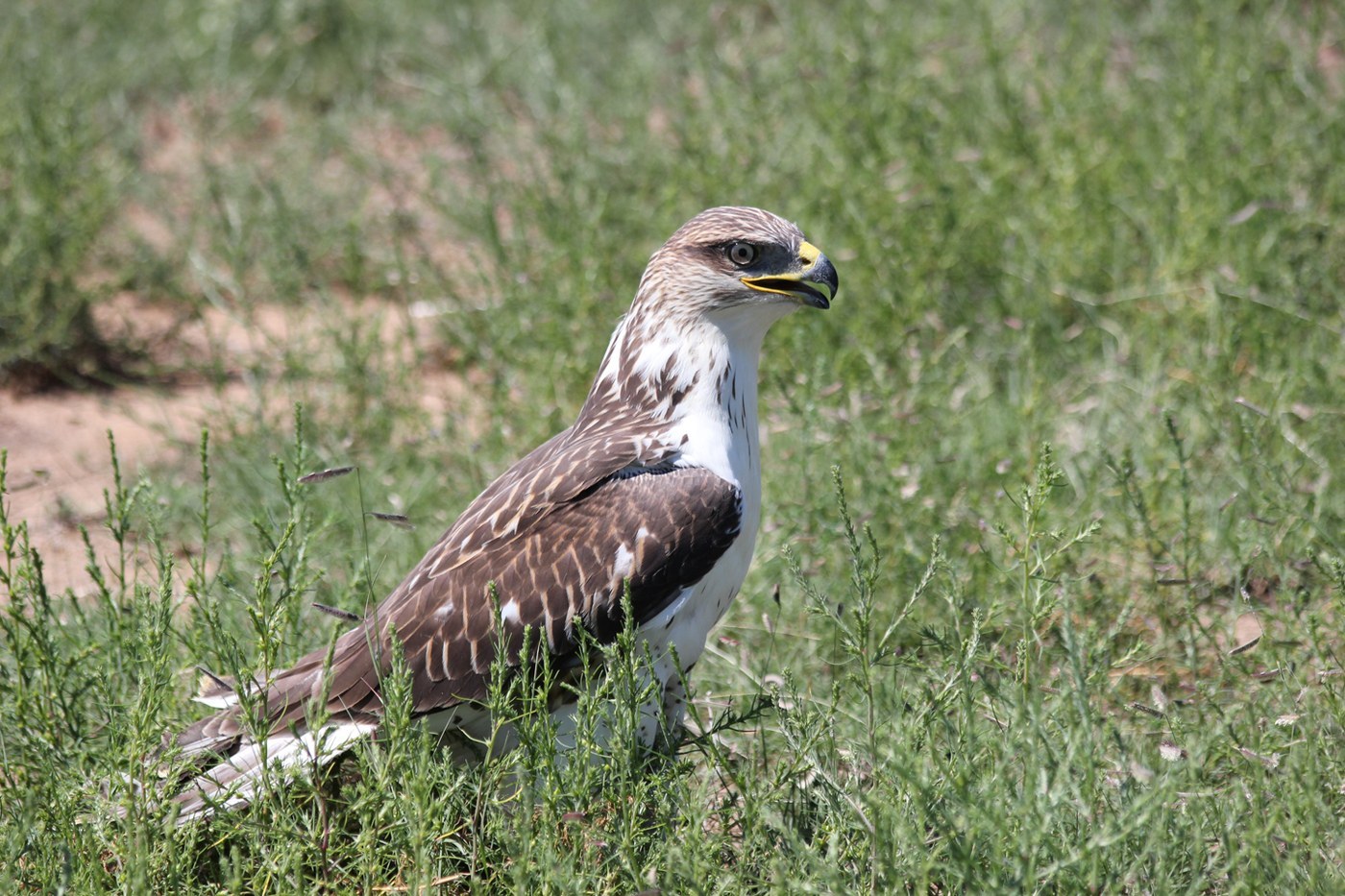
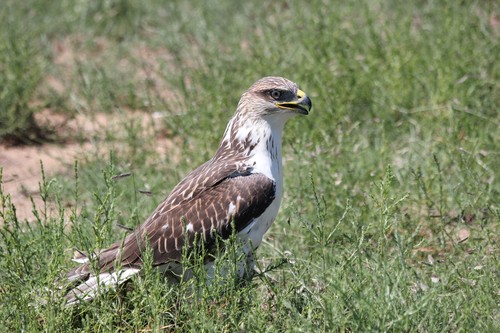
Ferruginous Hawk
Buteo regalis
The largest North American buteo, a pale, rusty-shouldered hawk of the open western prairie and shrub-steppe.
- Size
- 56-69 cm (22-27 in) long, 132-153 cm (52-60 in) wingspan
- Habitat
- open grasslands, shrub-steppe, and prairie of the western interior
- Type
- raptor
Spotted a bird like this?
Identify any bird from a photo, free.
Overview
The Ferruginous Hawk is the largest of North America's buteos, a powerful, pale-headed hawk of open grassland and shrub-steppe across the western interior. Its name comes from the rich rust-red ("ferruginous") coloring on its legs and shoulders, contrasting with a pale head, pale underparts, and unmarked white to lightly barred belly in the common light morph.
A less common dark morph occurs as well, appearing rich chocolate-brown overall. In flight, the species' large size, broad wings, and pale, rosy tail help distinguish it from other prairie buteos.
How to identify it
Key field marks
- Largest North American buteo, with notably broad wings
- Pale head and mostly white underparts (light morph)
- Rusty (ferruginous) coloring on the legs and shoulders
- Pale, unbanded rosy-gray tail
- Legs feathered down to the toes, forming a dark "V" against the pale belly when seen from below
Similar species
Rough-legged Hawk is smaller, with a distinct dark belly band and dark carpal patches, and lacks the rusty leg/shoulder coloring. Red-tailed Hawk lacks the pale, unmarked belly and rust-colored legs, and has a solid red adult tail rather than pale rosy-gray.
Habitat & range
Habitat
A specialist of open, treeless country: native grassland, shrub-steppe, and prairie, often near colonies of ground squirrels or prairie dogs that form its primary prey base.
Range
Breeds across the interior western United States and southwestern Canada, in the Great Plains, Great Basin, and intermountain West. Many populations migrate south for winter into the southwestern U.S. and Mexico, though some remain year-round in milder parts of the breeding range.
Behavior & voice
Behavior
Ferruginous Hawks often hunt from low perches or the ground itself, watching for prey near burrow entrances, and will also soar or hover over open terrain; they are sensitive to human disturbance near the nest.
Voice
Gives a harsh, descending scream, generally quieter and less vocal away from the nesting territory.
Feeding and nesting
Diet is dominated by burrowing mammals such as ground squirrels, prairie dogs, and jackrabbits, closely tying its populations to the health of these prey communities. Builds a large stick nest on the ground, on a rock outcrop, in an isolated tree, or increasingly on artificial structures such as power poles, often reused for many years.
Frequently asked questions
How big is a Ferruginous Hawk?
It is the largest buteo hawk in North America, with broad wings and a wingspan that can approach 1.5 meters (about 5 feet).
Why is it called Ferruginous Hawk?
For the rich rust-red ("ferruginous") coloring on its legs and shoulders, which contrasts with its pale head and underparts in the common light morph.
What does a Ferruginous Hawk eat?
Mainly burrowing mammals such as ground squirrels, prairie dogs, and jackrabbits.
Where does the Ferruginous Hawk live?
In open grassland and shrub-steppe habitat across the interior western United States and southwestern Canada.
Does the Ferruginous Hawk have a dark color morph?
Yes, a less common dark morph exists that appears rich chocolate-brown overall, in contrast to the more frequently seen pale light morph.
Ferruginous Hawk guides
In-depth guides for identifying, finding, and understanding Ferruginous Hawk.
Other birds you may enjoy
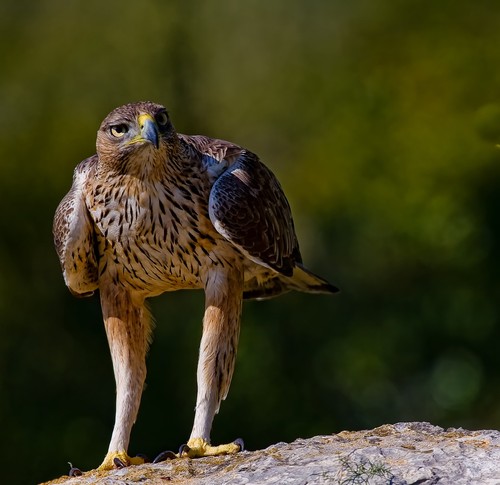
Bonelli's Eagle
Body 65–72 cm (26–28 in); wingspan 150–180 cm (59–71 in)
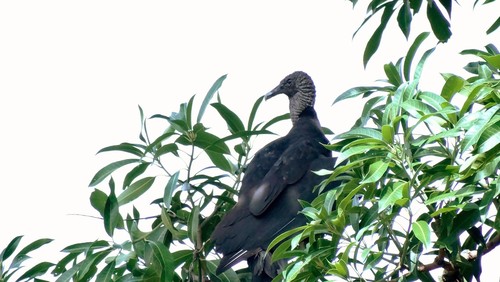
Black Vulture
56-68 cm (22-27 in) long, 137-165 cm wingspan
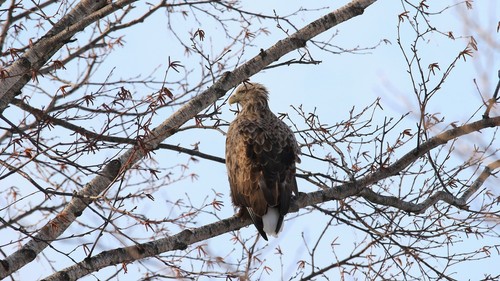
White-tailed Eagle
66-94 cm body length; wingspan 178-245 cm, among the largest eagles in the world
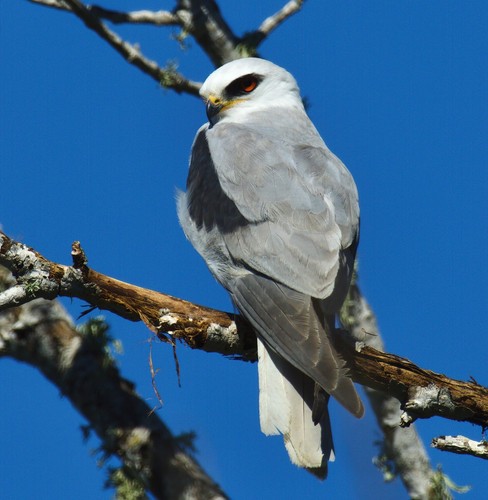
White-tailed Kite
35-43 cm (14-17 in) long, 88-102 cm (35-40 in) wingspan
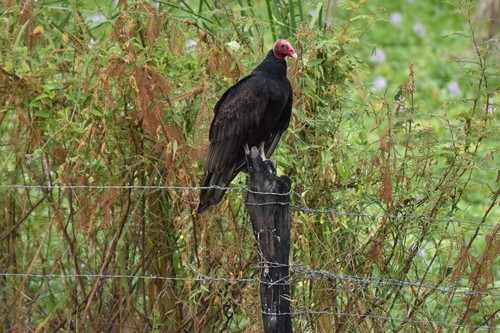
Turkey Vulture
64-81 cm (25-32 in) long, 160-183 cm wingspan
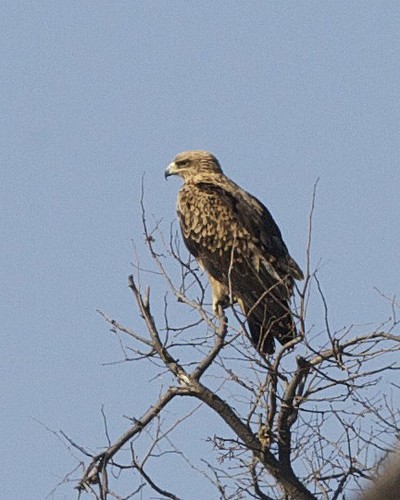
Tawny Eagle
62–75 cm long; wingspan 1.65–2.0 m
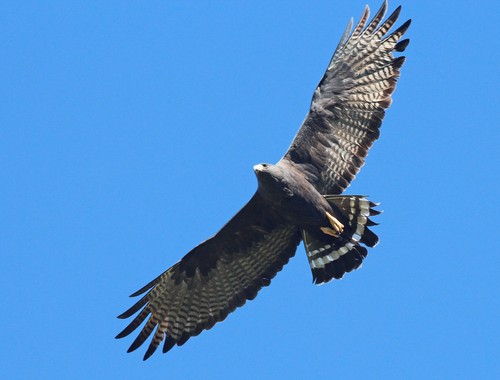
Zone-tailed Hawk
46-56 cm (18-22 in) long, 118-140 cm (46-55 in) wingspan
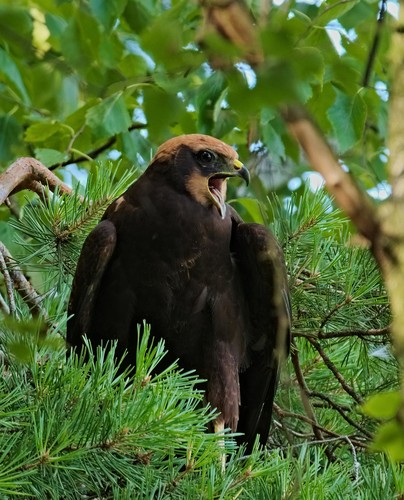
Western Marsh Harrier
Body 43-56 cm; wingspan 115-140 cm
Swallow-tailed Kite
48-68 cm (19-27 in) long including tail streamers, 112-136 cm (44-54 in) wingspan
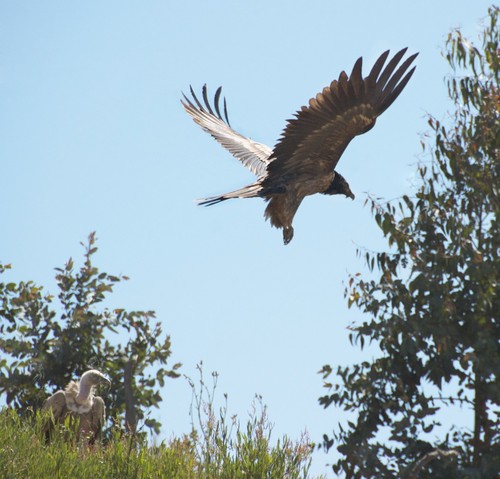
White-backed Vulture
78-98 cm long, wingspan 1.96-2.25 m
Yellow-billed Kite
55-60 cm long; wingspan 130-155 cm
White-tailed Hawk
46-59 cm (18-23 in) long, 122-142 cm (48-56 in) wingspan